Ukraine enters the season with larger grain reserves, while security risks in the Black and Azov Seas increase. This requires early booking, route checks, and careful cost calculations for sellers and buyers.
By early July, Ukraine's grain and legume reserves were significantly higher than last year. This means tougher competition for elevators, transport, and buyers for sellers, and a wider selection of batches with some risks for processors and traders amid unstable Black Sea logistics.
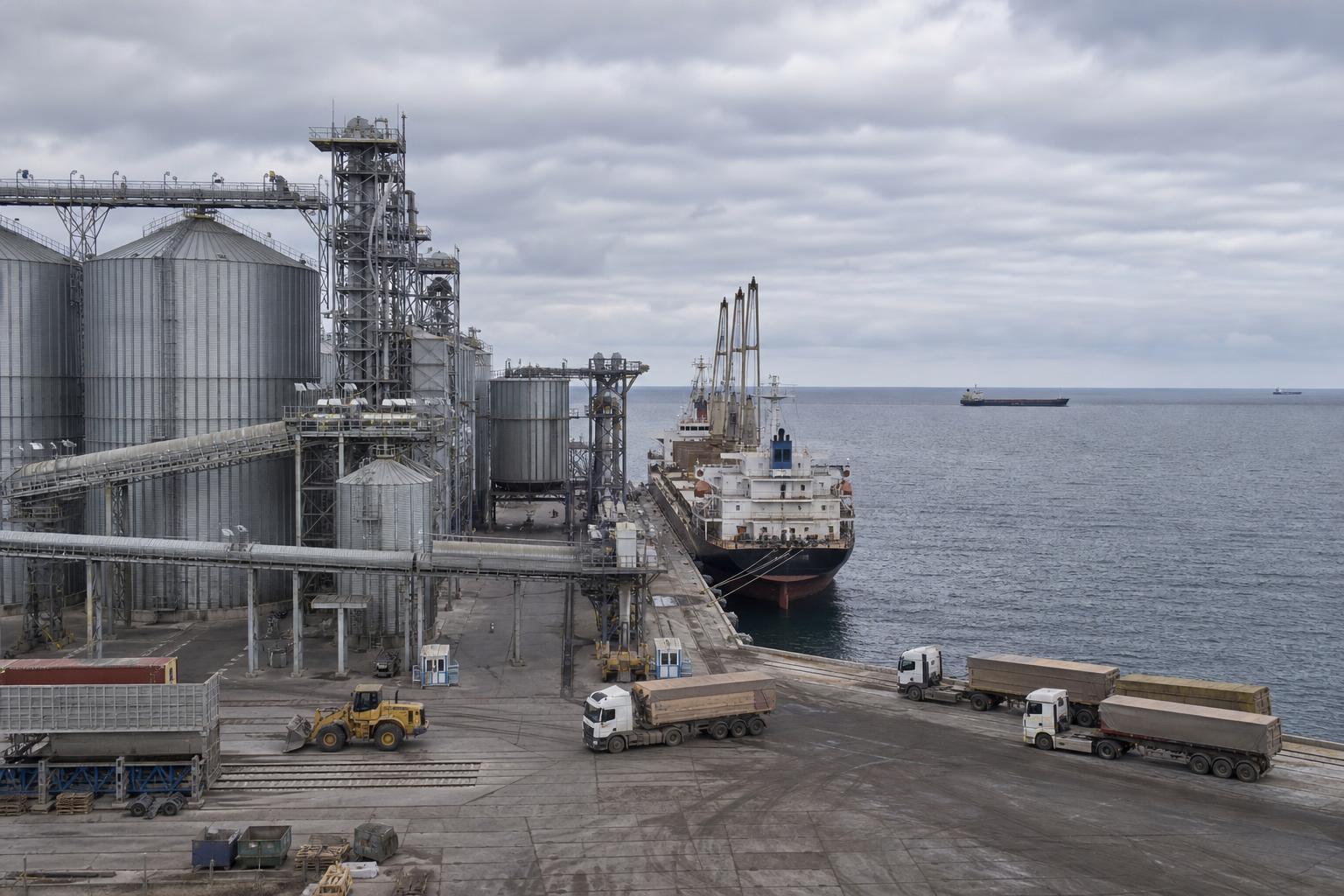
Security risks for merchant ships in the Black Sea have once again become a factor for agricultural logistics. For grain, oilseed, and processed product exporters, this means the need for more careful documentation of delivery terms, deadlines, insurance, and alternative routes.
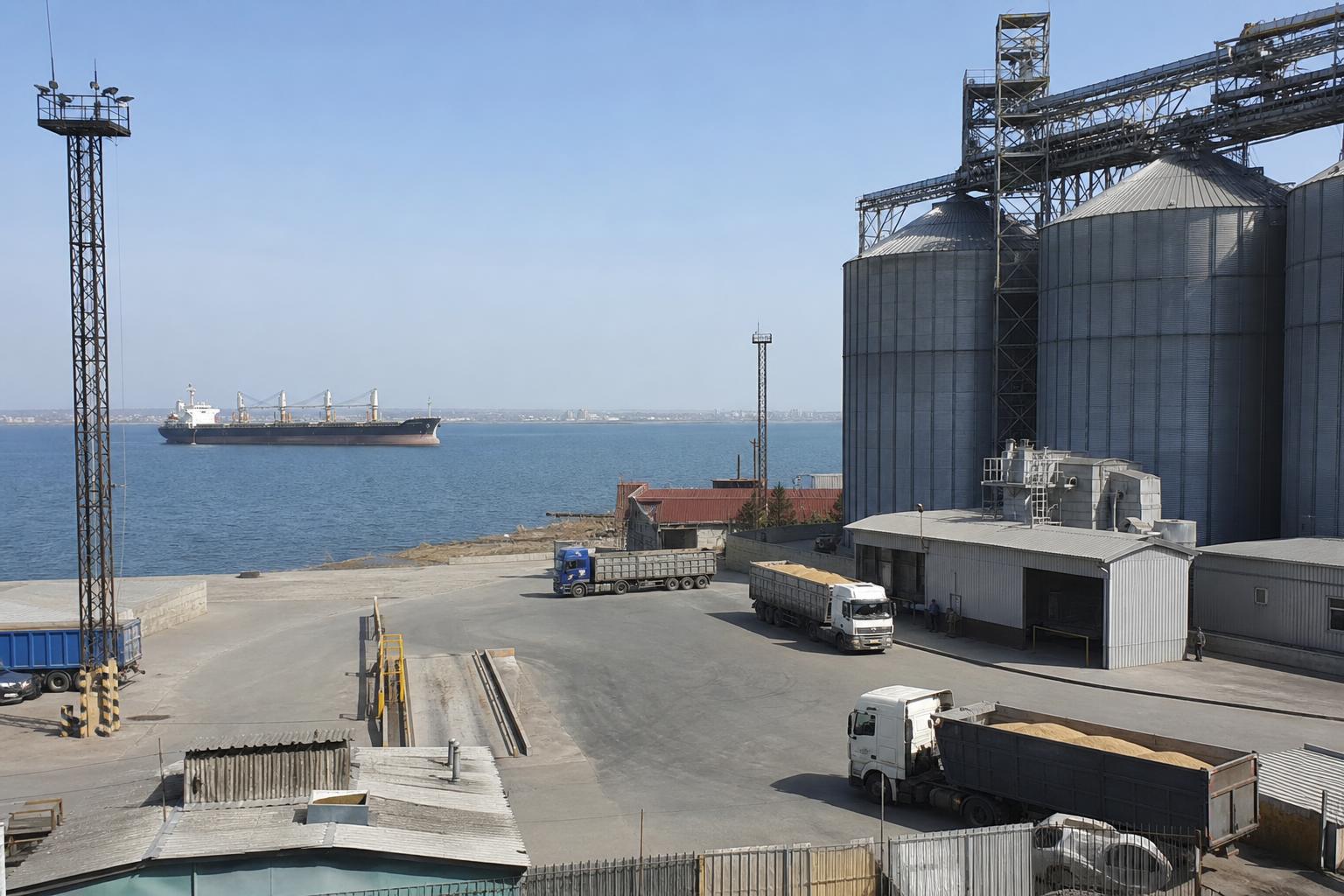
Deteriorating security conditions around maritime trade in the Black Sea heighten the grain market's focus on port logistics, freight, and shipment schedules. For Ukrainian grain sellers and buyers, this means more careful contract planning, supply bases, and elevator operations.
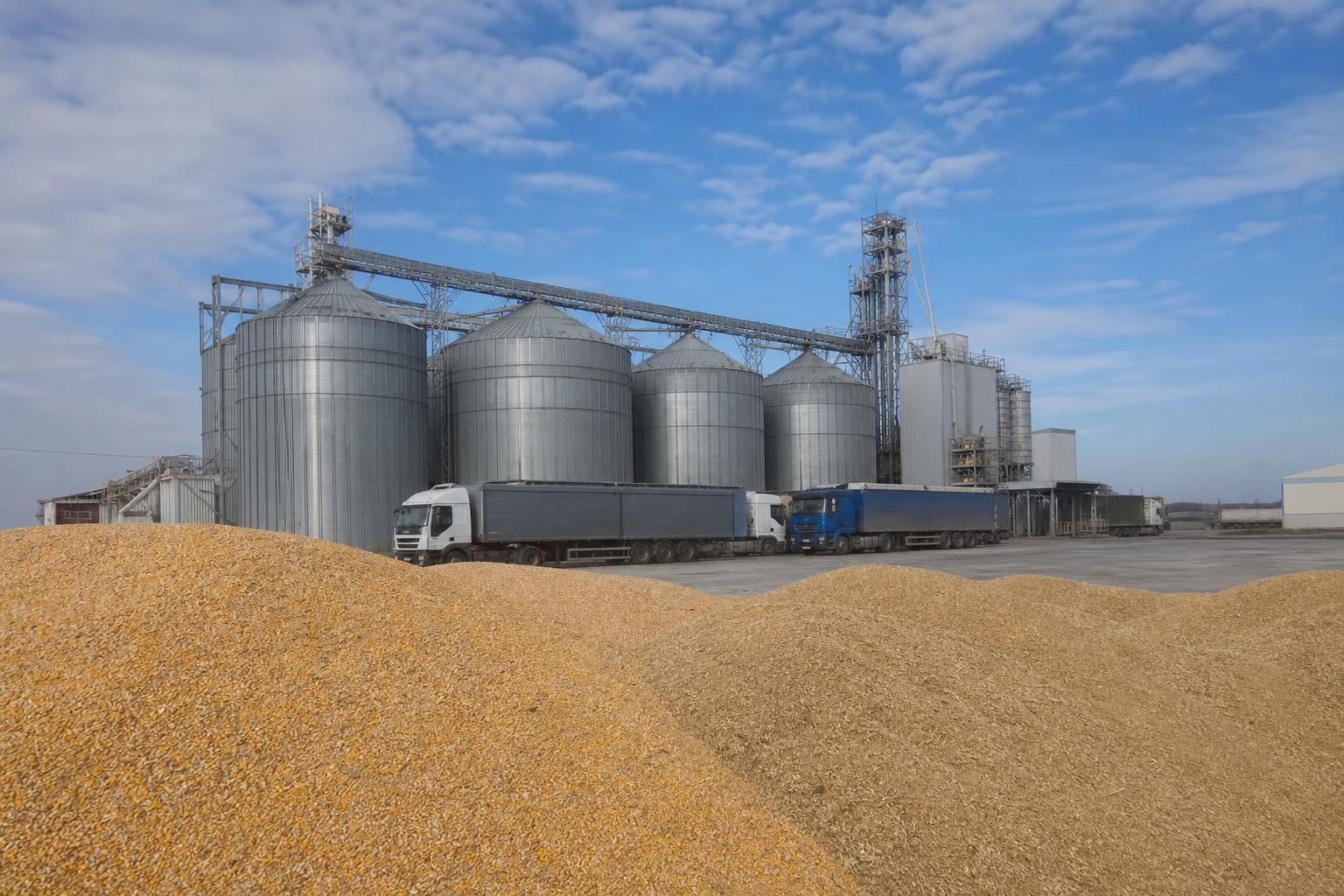
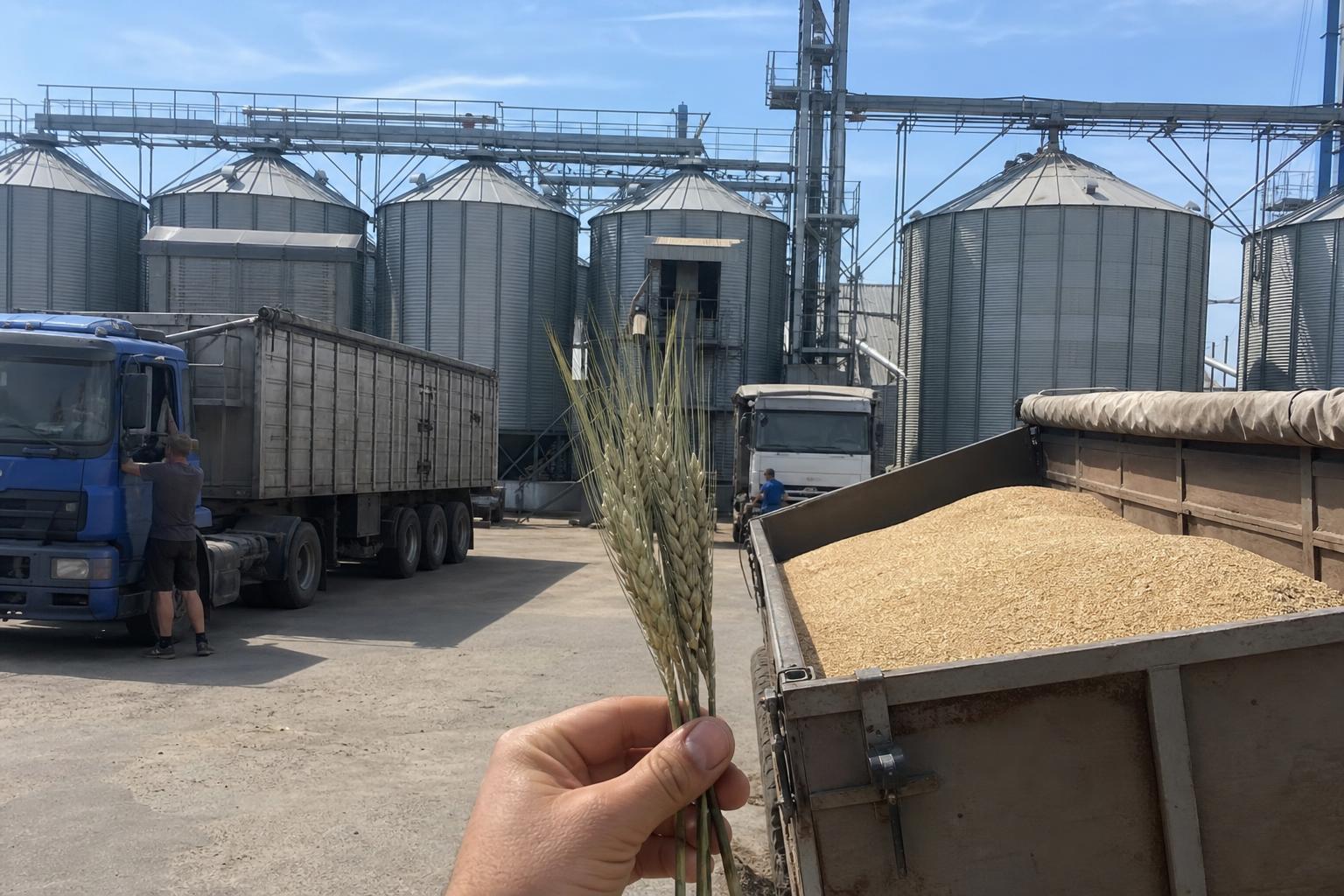
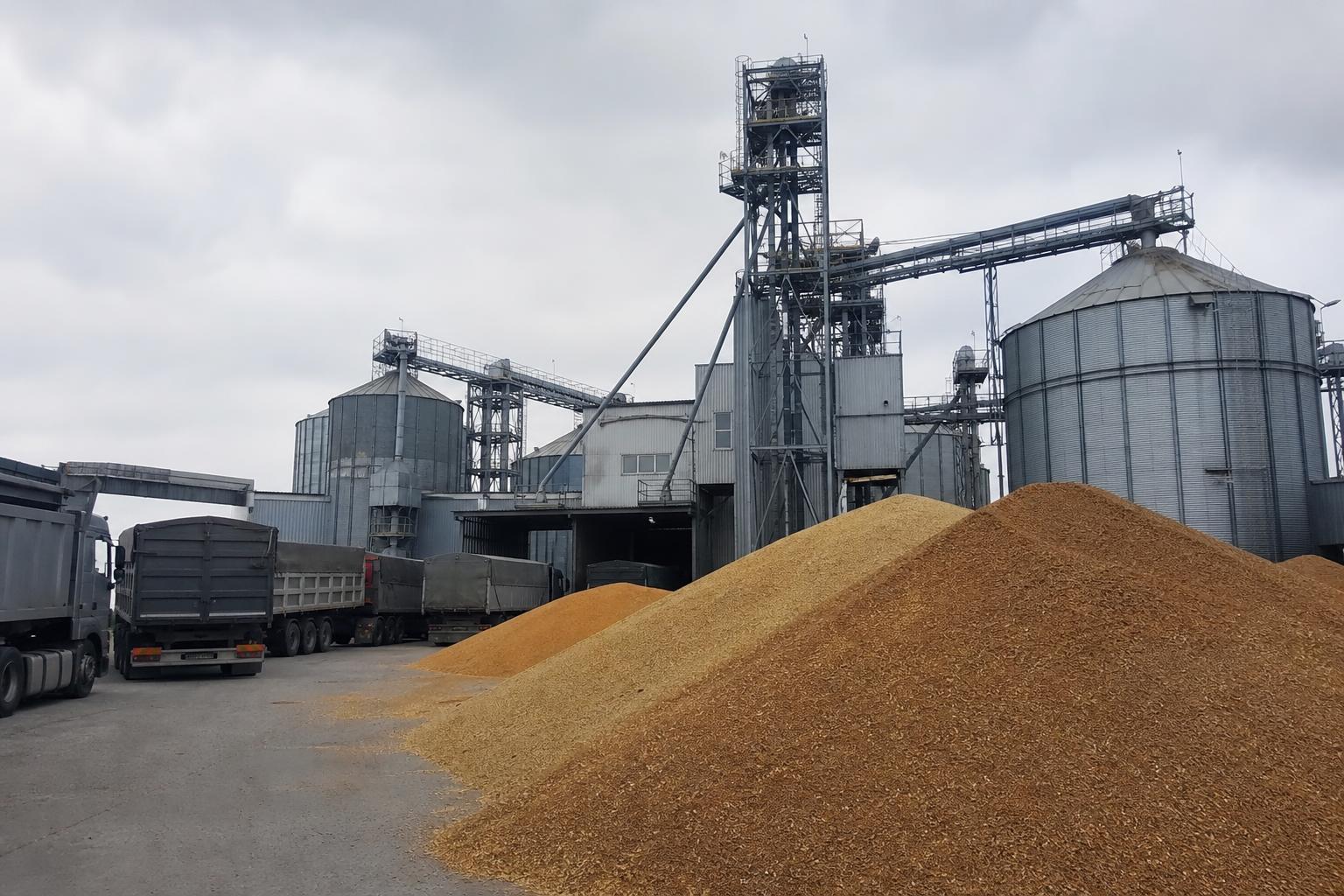
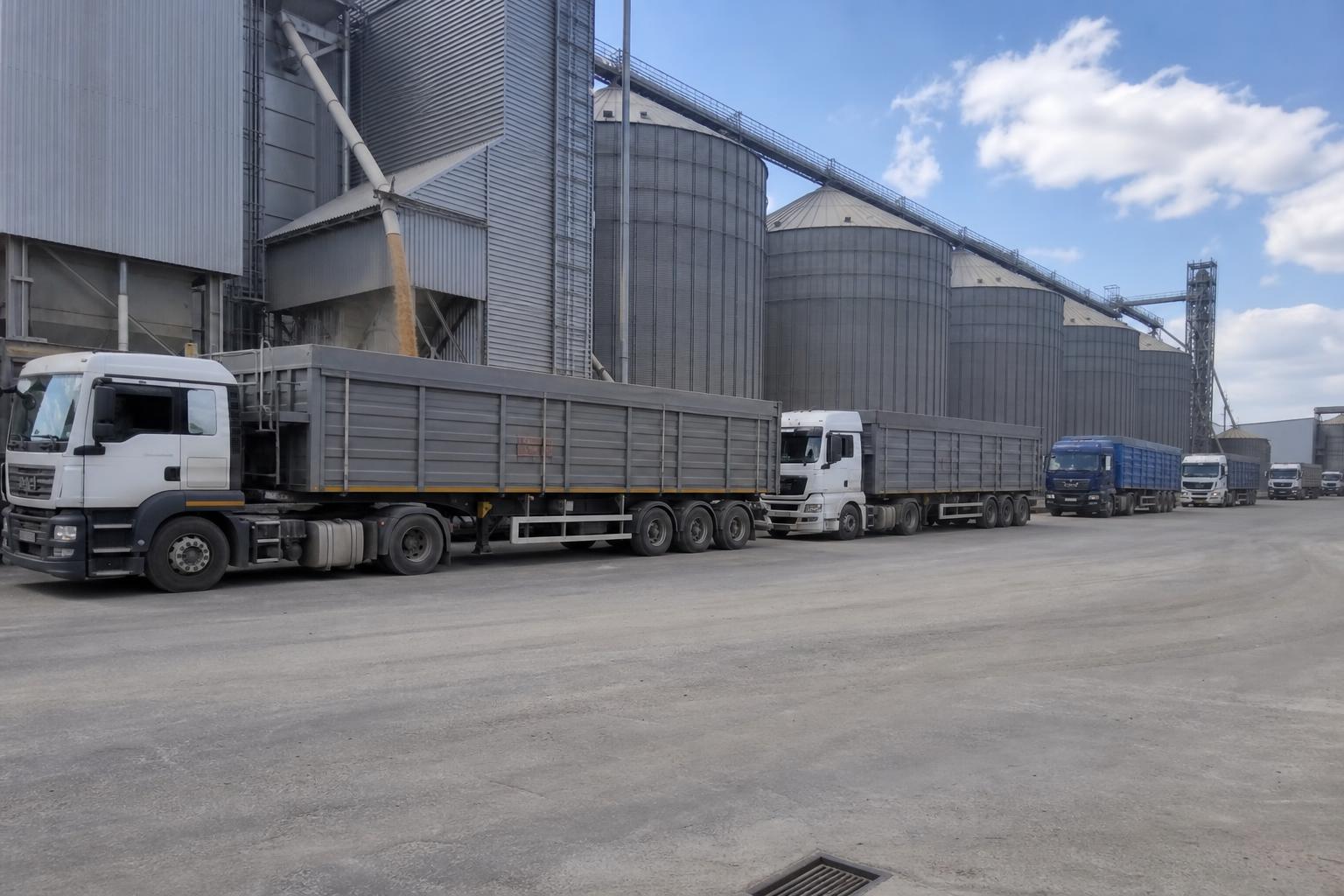
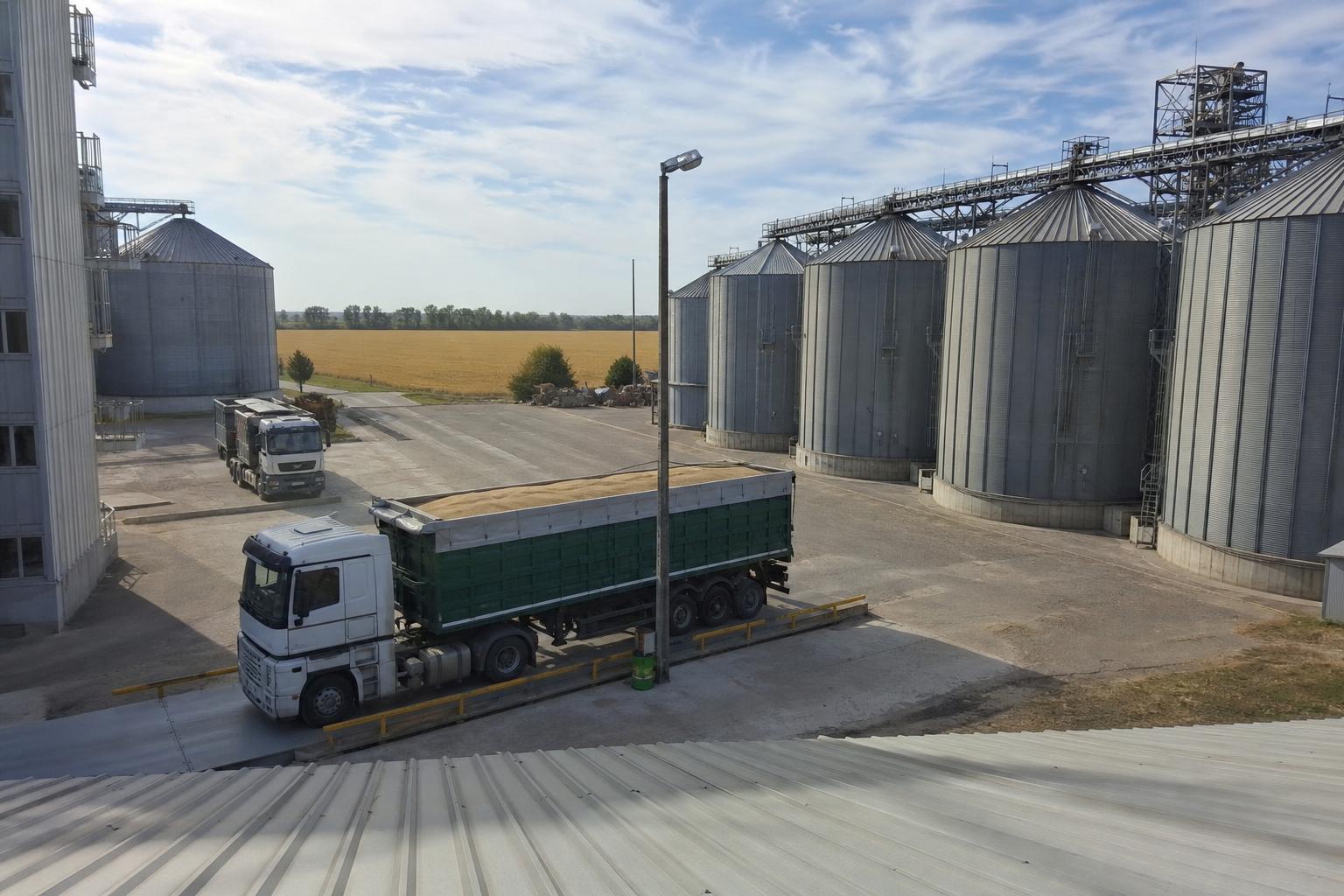
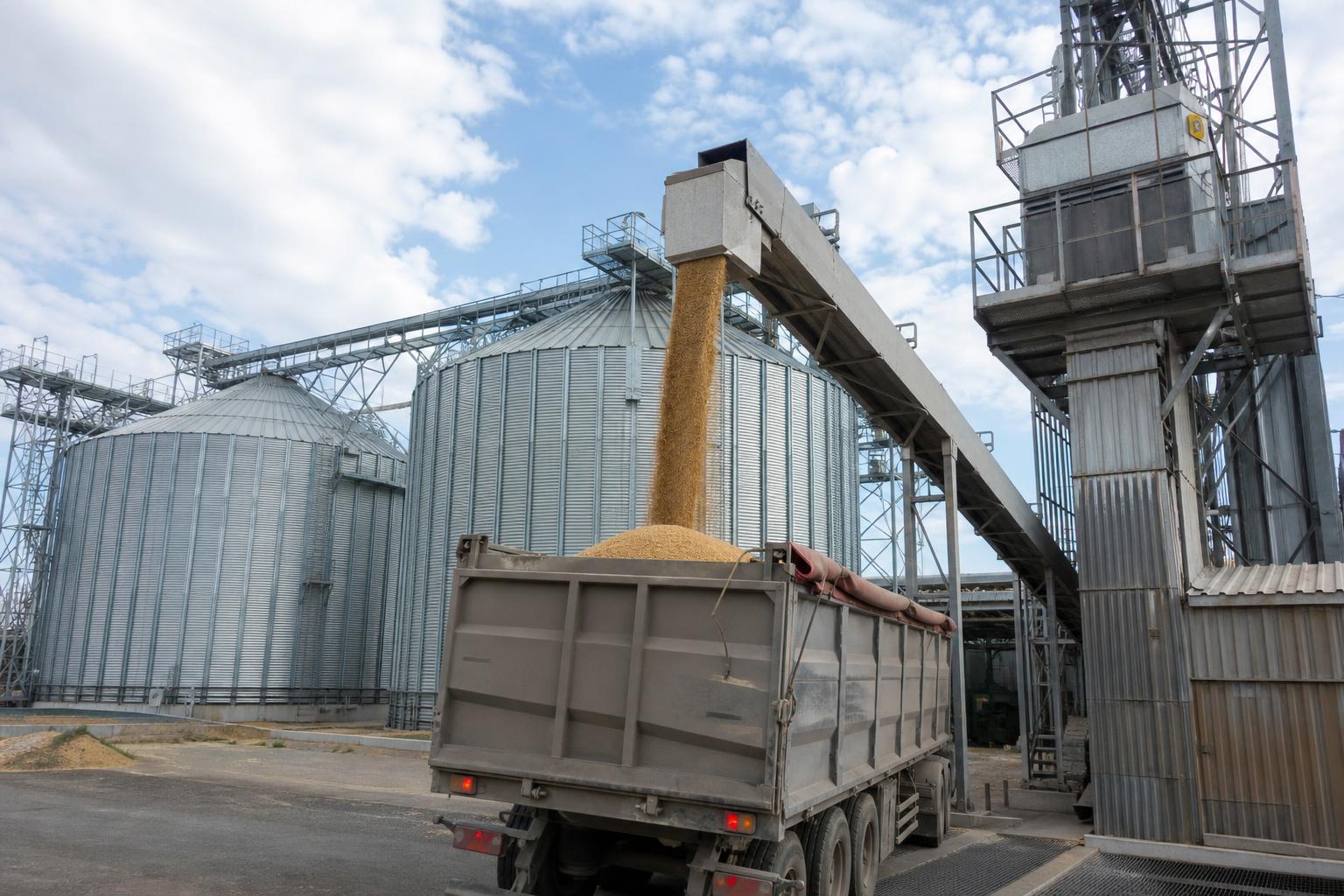
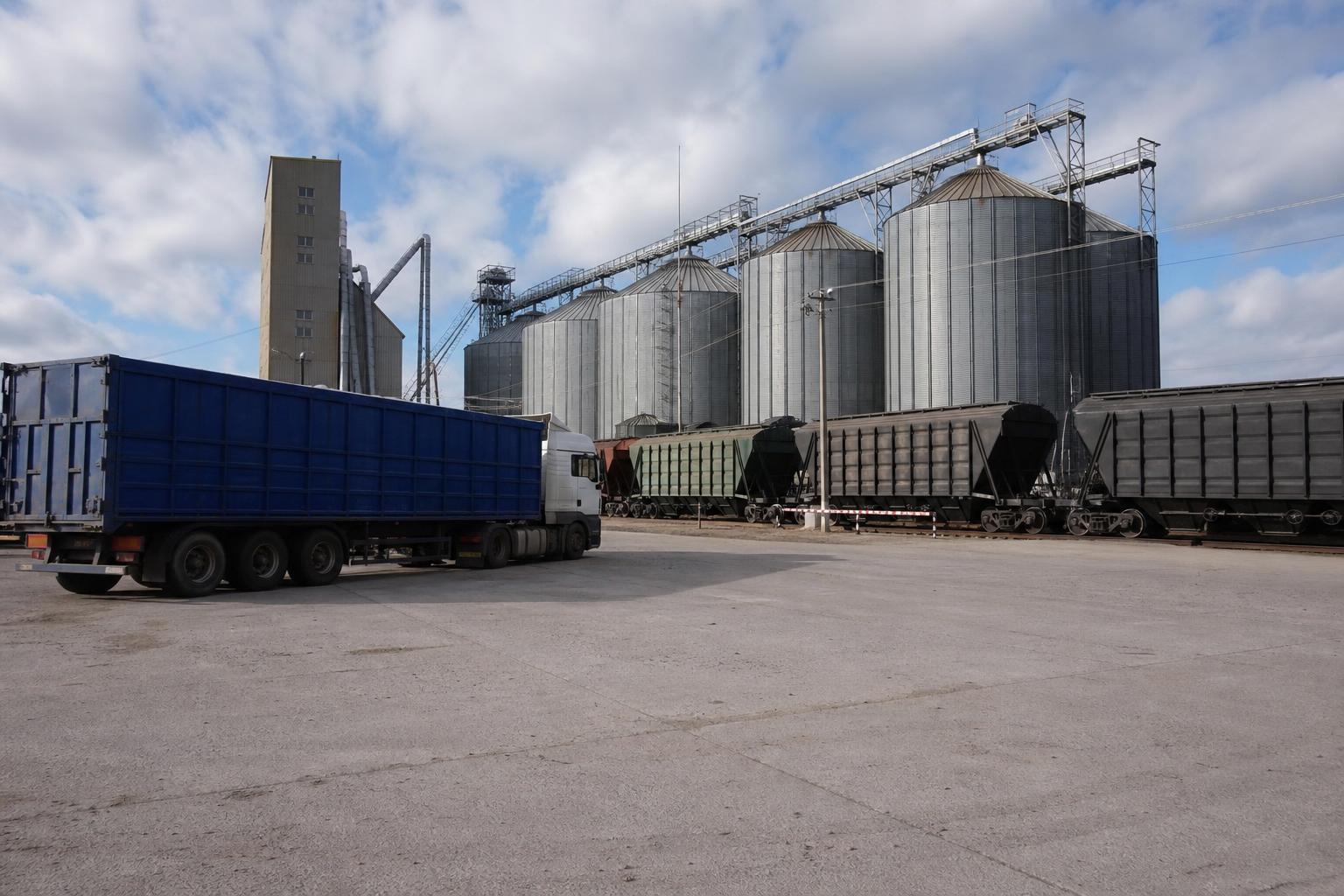
At the start of the 2026 harvest, one of TAS Agro's new elevator assets received over 30,000 tons of grain in two weeks. This exemplifies the market: during peak grain intake, logistics depend not only on transportation but also on available capacity, processing, and clear unloading conditions.
Starting August 4, 2026, Turkey plans to tighten phytosanitary requirements for Ukrainian wheat. This emphasizes the importance of laboratory testing, proper handling, and elevator selection before shipment.
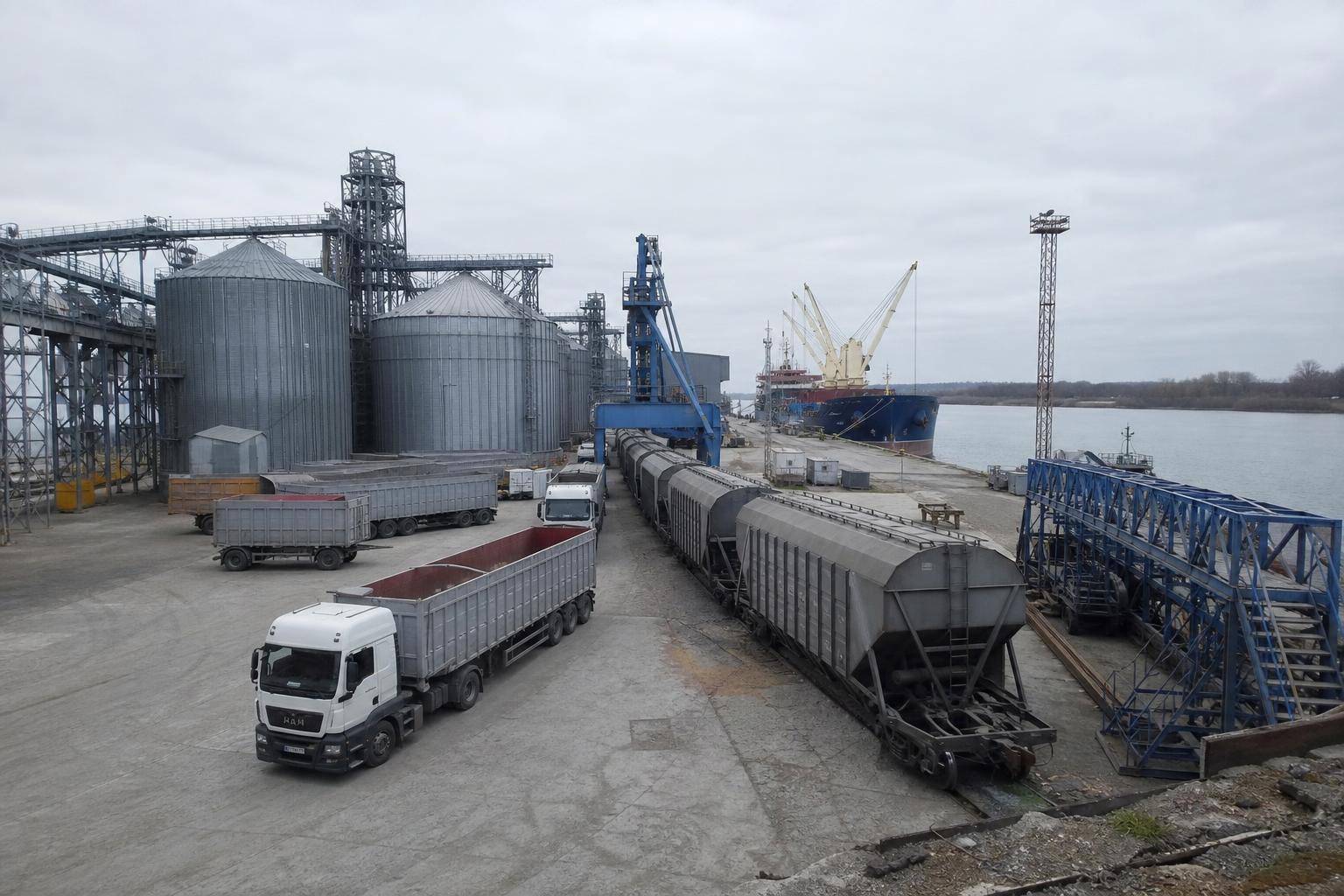
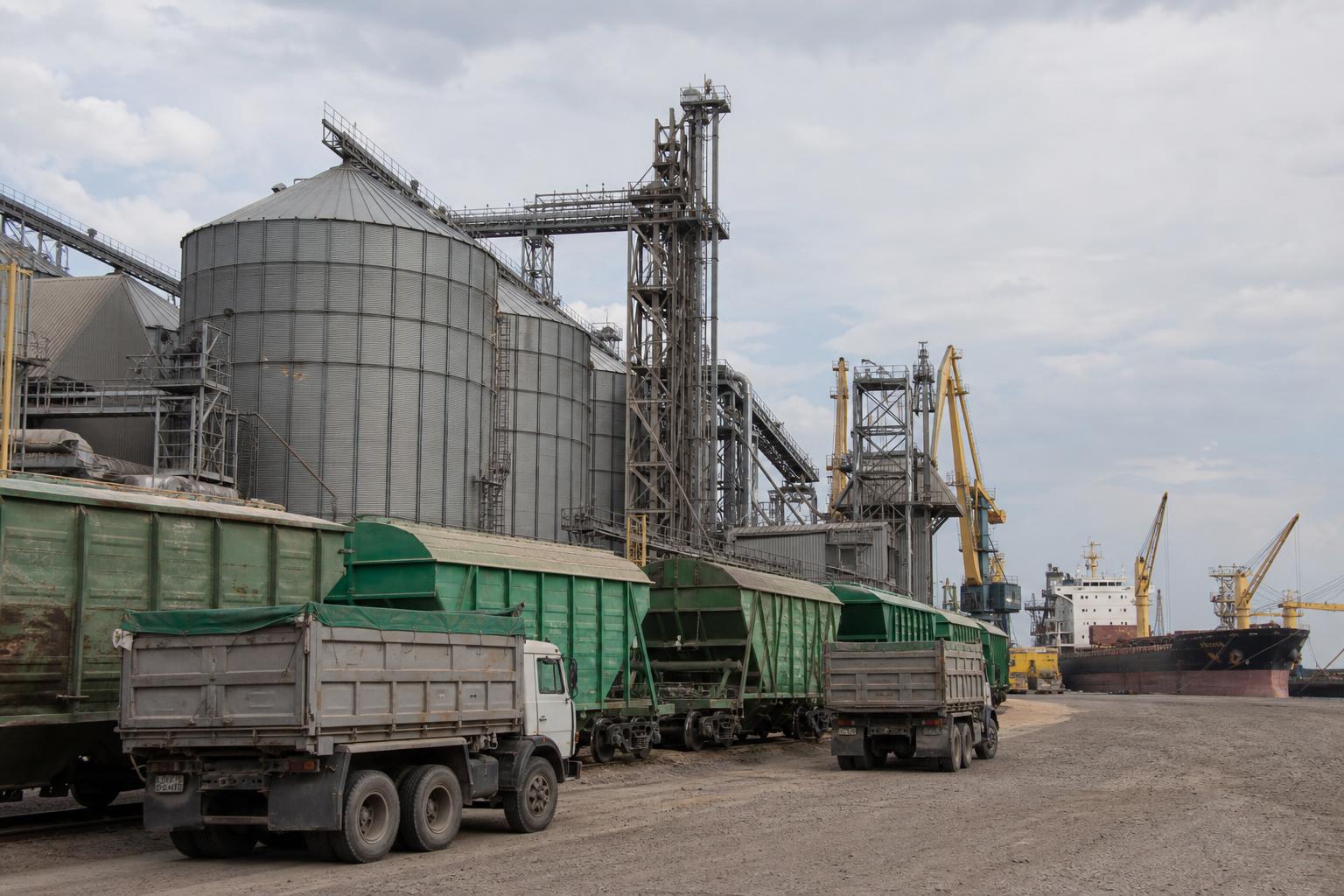
Limited port operations have reduced liquidity in the grain market at port basis. Exporters are rerouting through the Danube and western border, but capacity and infrastructure constraints slow activity.
Indicative prices for corn and wheat in Ukraine have decreased, with trade shifting from deep-water ports to the Danube and western border. Producers are cautious about selling the new harvest, while buyers are working carefully due to logistical risks.
Ukrainian agricultural logistics faces renewed challenges due to port risks, freight costs, and alternative routes. For sellers and buyers on AgroPost, delivery terms, routes, and transport access become as crucial as product prices.
Port instability again places logistics at the center of Ukraine's grain market. For grain sellers, flexible routes, freight control, and early collaboration with elevators and buyers are key.
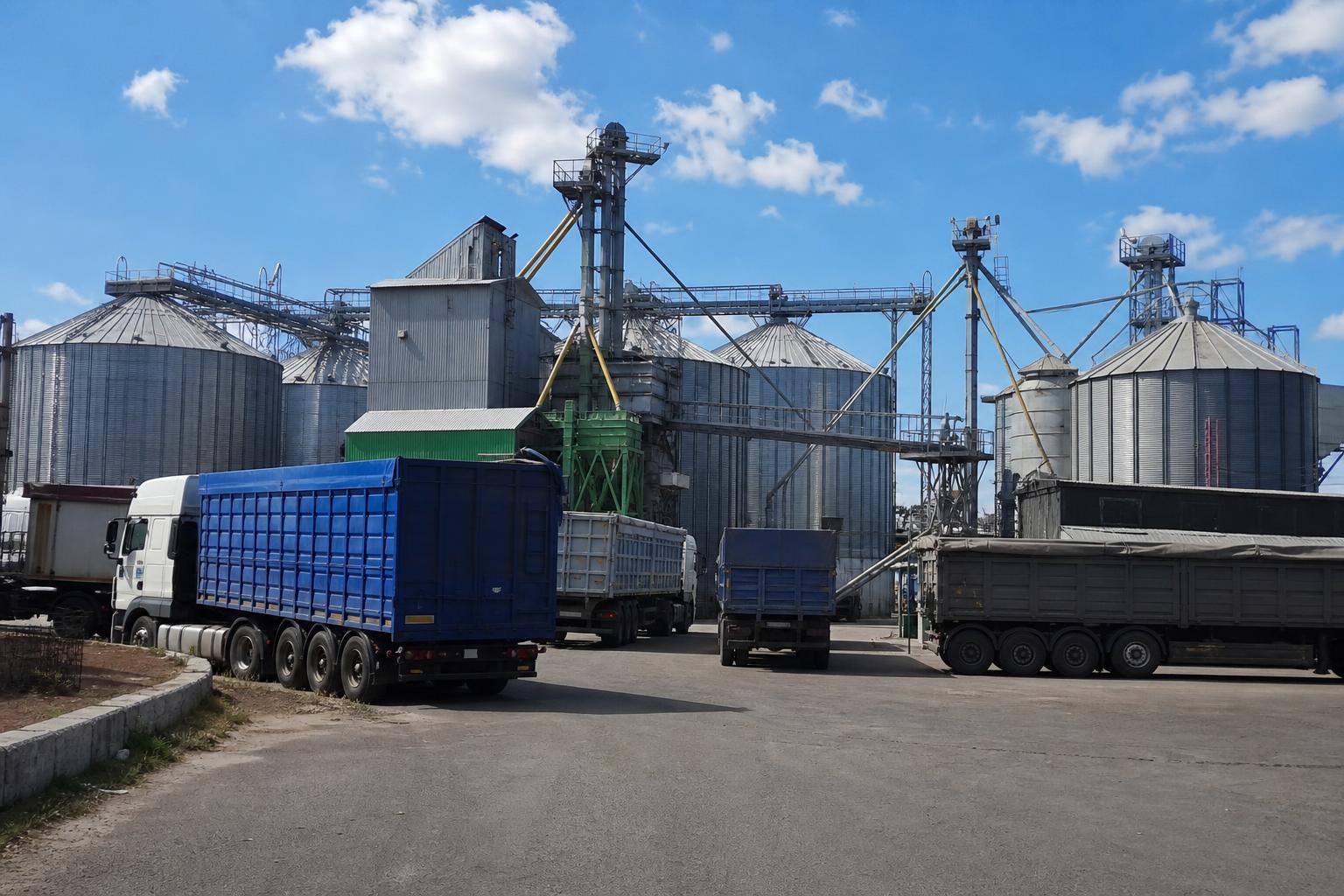
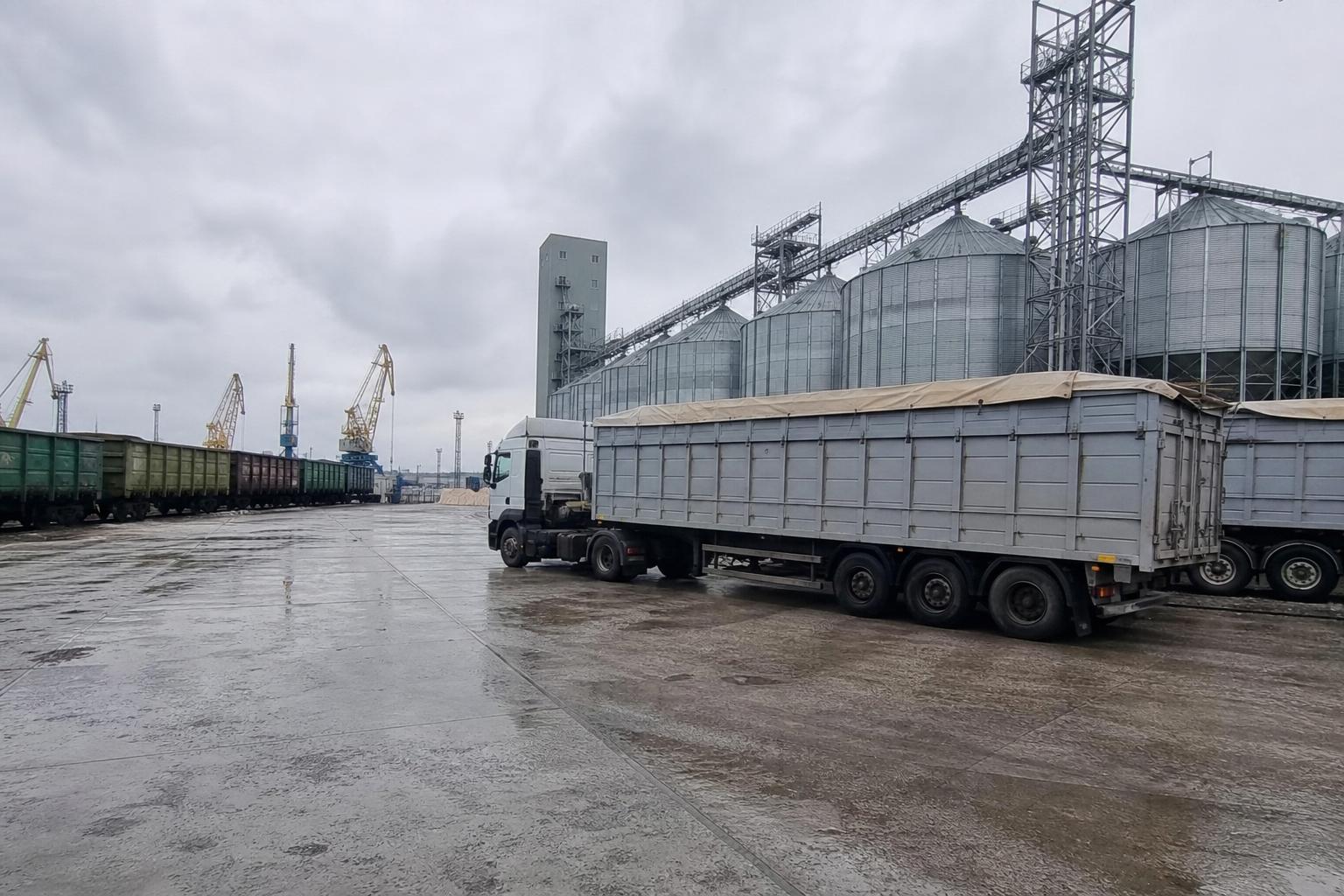
The Ukrainian grain transportation market shows a slowdown in rate increases after a sharp seasonal imbalance. Demand for grain trucks remains high, with key agricultural regions competing for available transport.
For Ukraine's grain market at the end of July, it is crucial to consider not only port or plant prices but the full economics of the deal: delivery basis, elevator, logistics costs, export risks, and payment terms.
Enter your email and we will send a password reset link.
Don't have an account?
Help improve AgroPost?
With your consent, Google Analytics measures navigation and listing steps. The service does not start without consent. The site works without it.
What we collect and how to change your choice
We send category, language, step number and whether an error or save occurred, not entered values, phone numbers, email addresses or listing text. Your choice is stored in this browser for up to 180 days. Advertising tracking stays disabled.
Use Analytics settings to change your choice. Withdrawing consent reloads the page to stop already loaded services: save any unfinished form first.