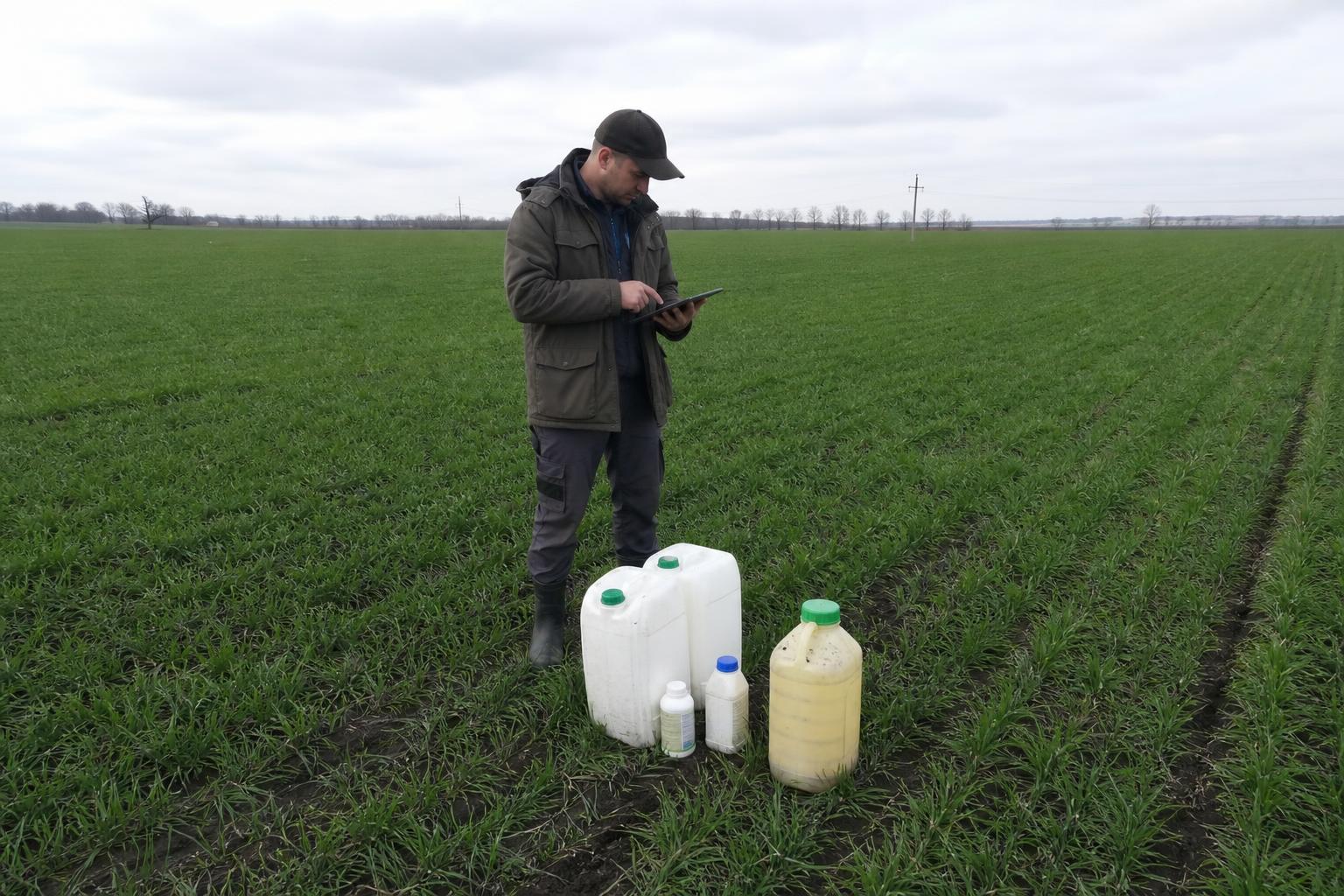
There are no direct market signals indicating a decrease in herbicides, fungicides, or insecticides prices. Instead, farmers are influenced by cash flow, port grain prices, and rising personnel costs, including agronomists.
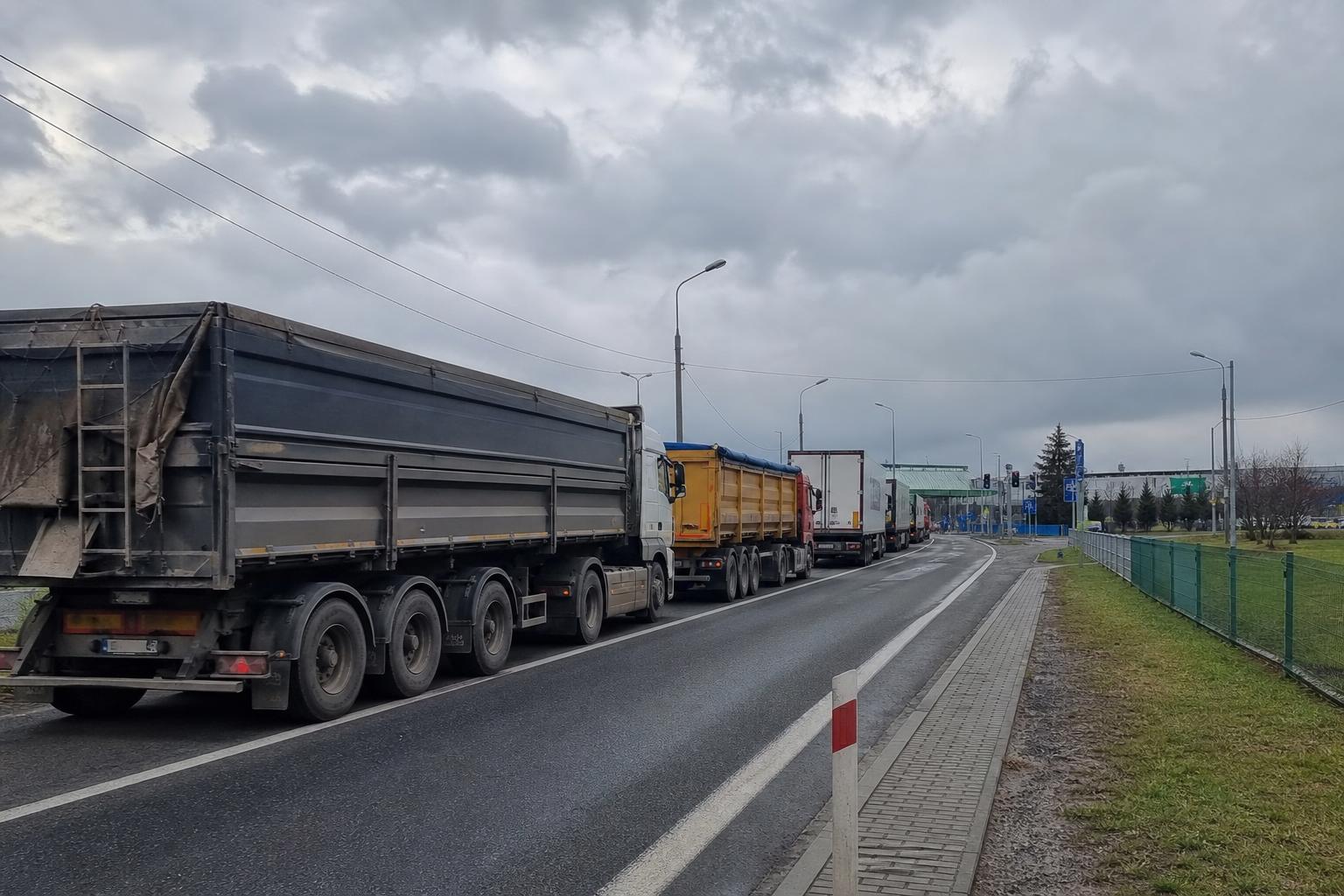
The plant protection market is entering a planning phase amid overall agricultural liquidity pressures. Export routes are uneven: the Danube increases throughput, railway shipments of oil and meal grow, but full recovery of Black Sea grain exports is not expected soon.
For sellers and buyers of plant protection products, the key focus remains on planning for oilseed and winter crops. External demand for vegetable oils may support interest in quality harvests, but logistical risks compel closer attention to product availability, delivery timelines, and documentation.
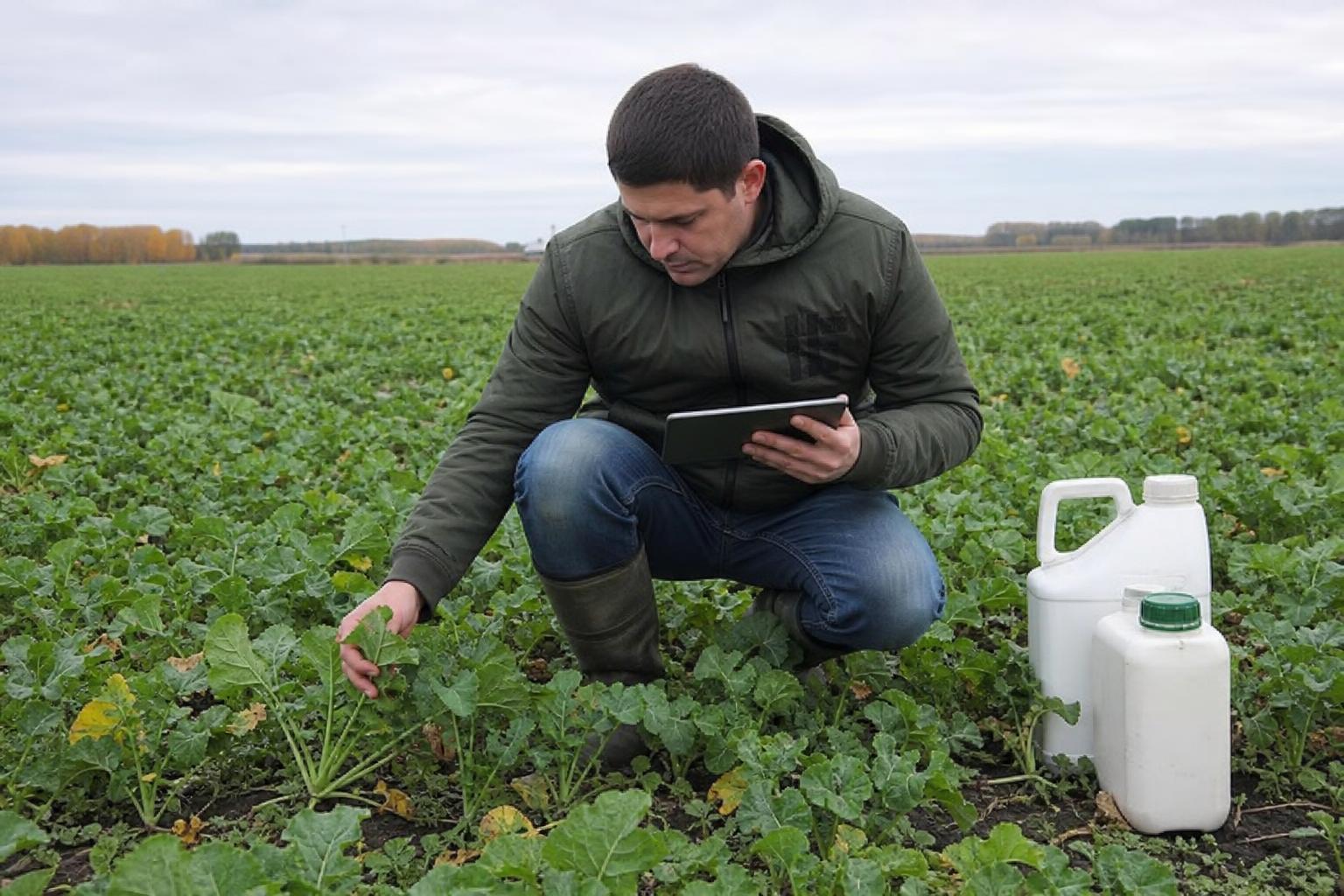
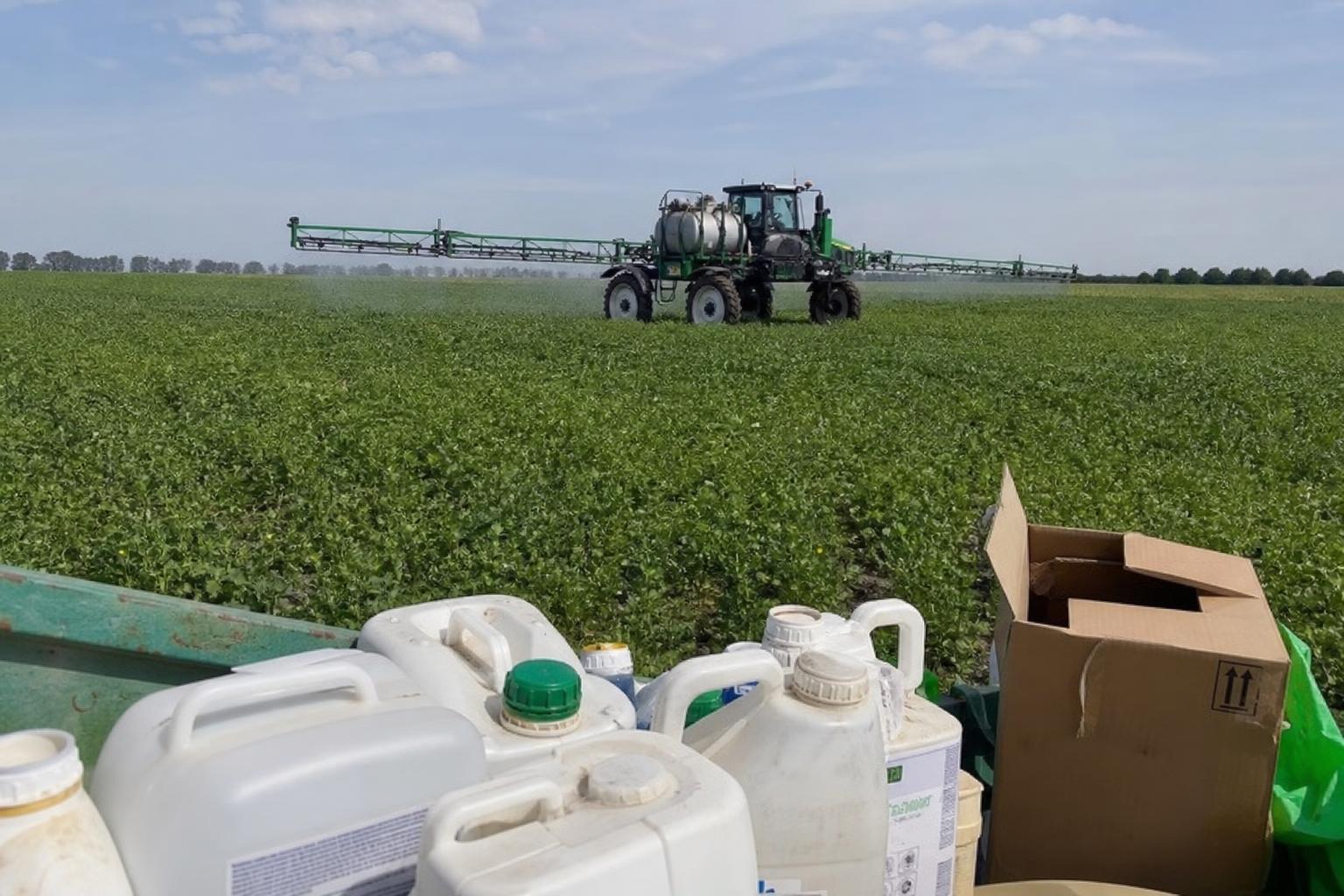
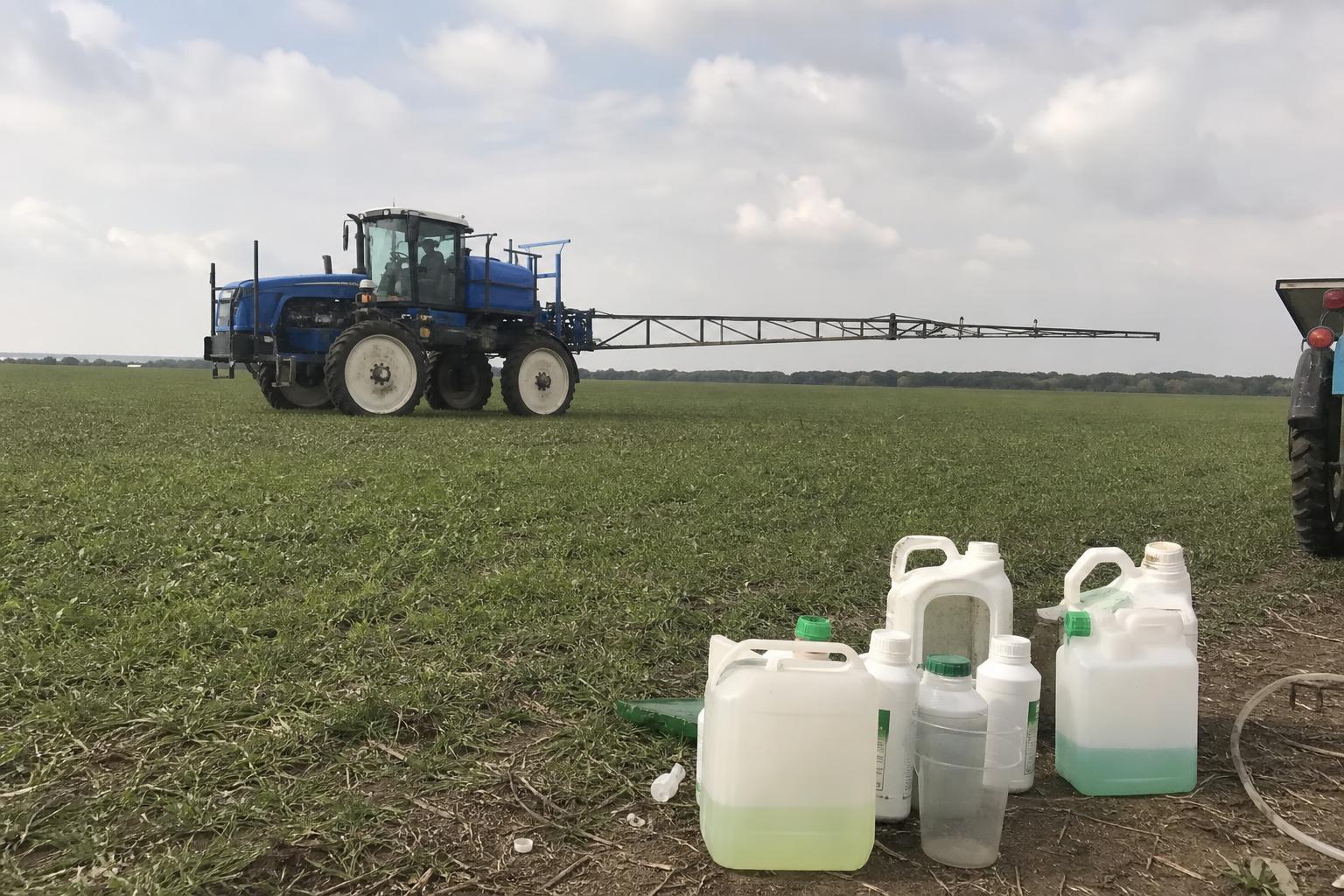
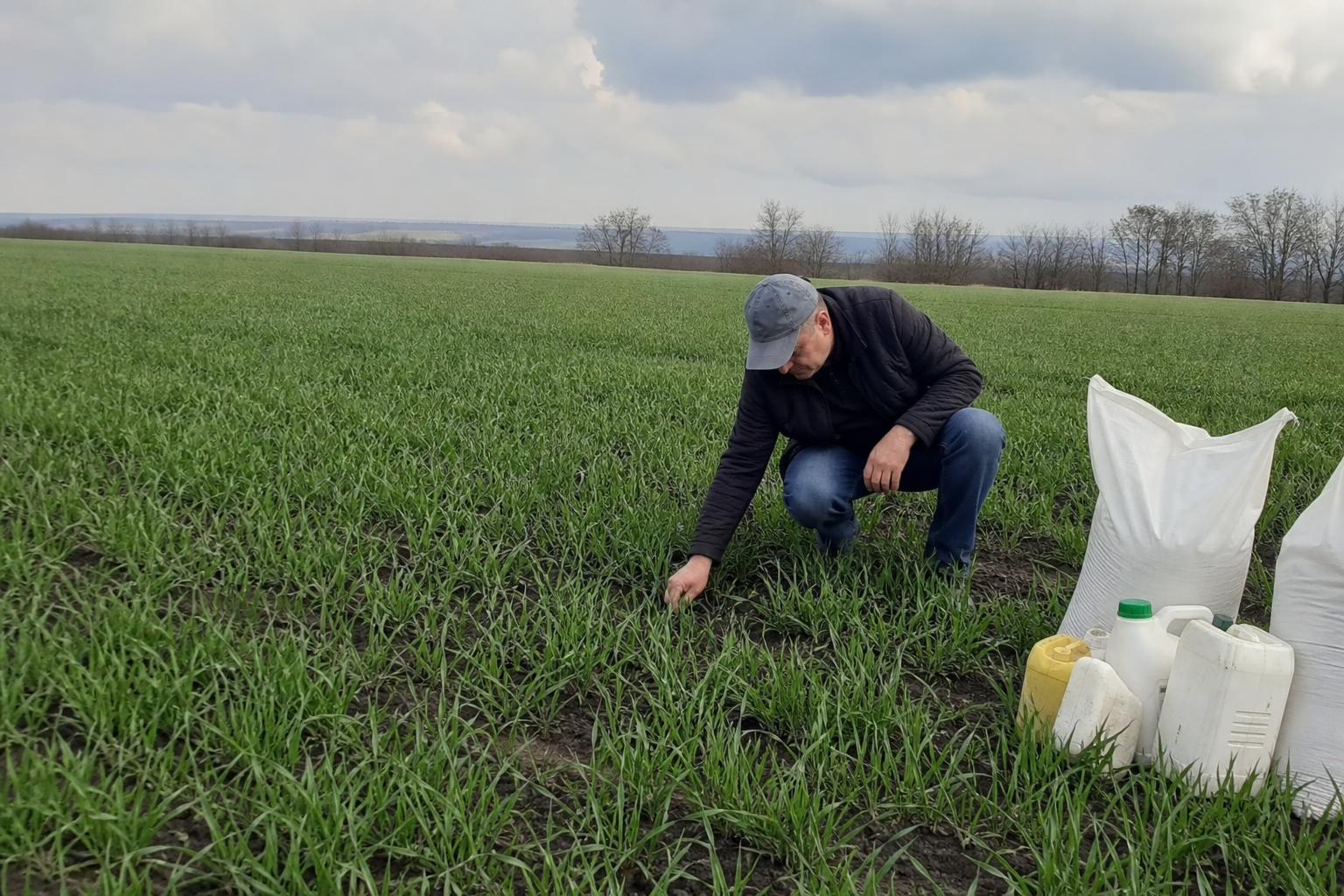
The key practical signal in Ukraine's crop protection market remains the situation in winter rapeseed fields, where active pest spread is reported. For agrochemical sellers, this is a reason to update insecticide, fungicide, and related product offerings, while farms should verify stocks and monitor fields without delay.
There are no confirmed new prices, import volumes, or regulatory changes specifically regarding crop protection products. This digest focuses on practical actions for sellers and buyers of crop protection products in Ukraine: how to structure demand, verify offers, and prepare listings on AgroPost.
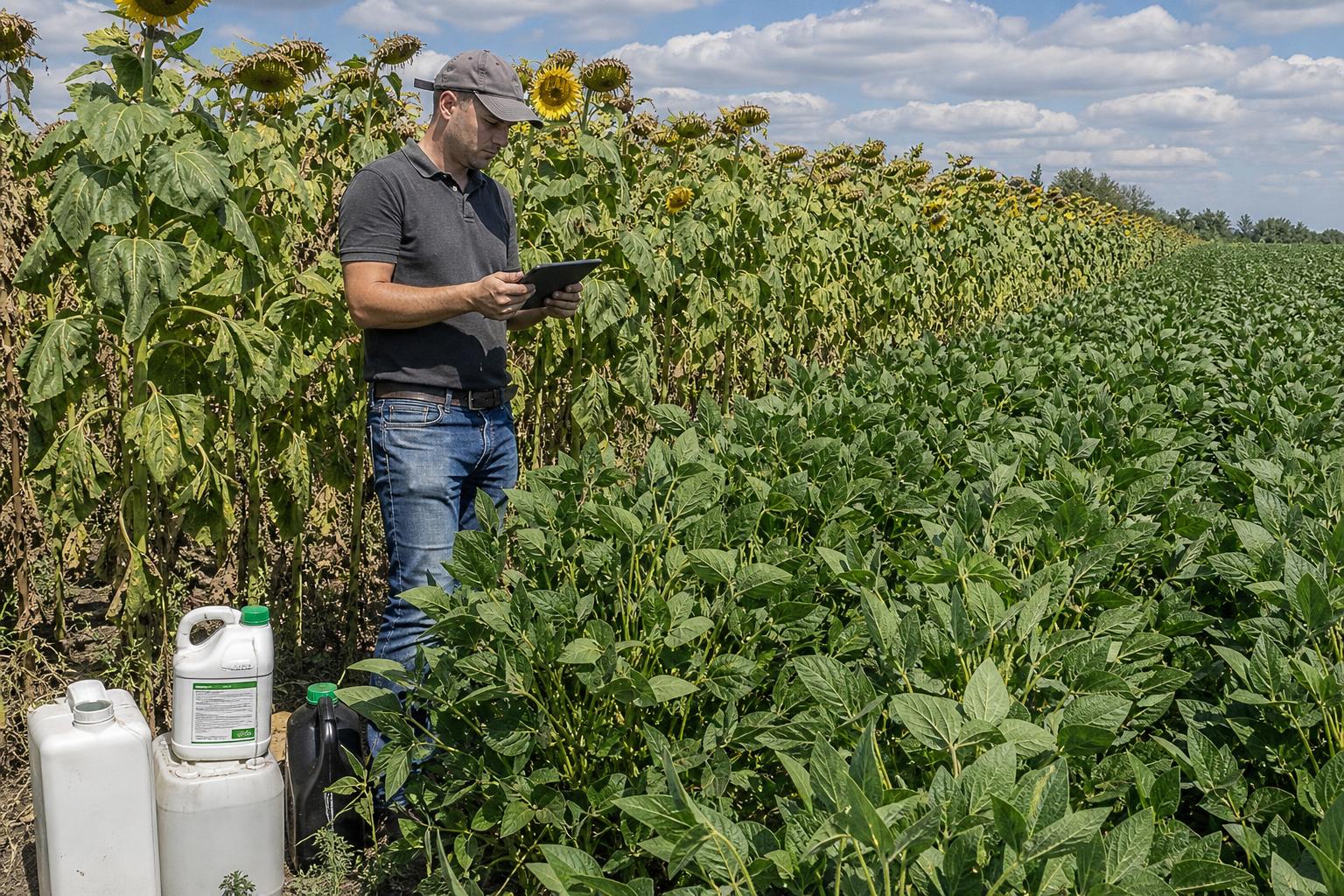
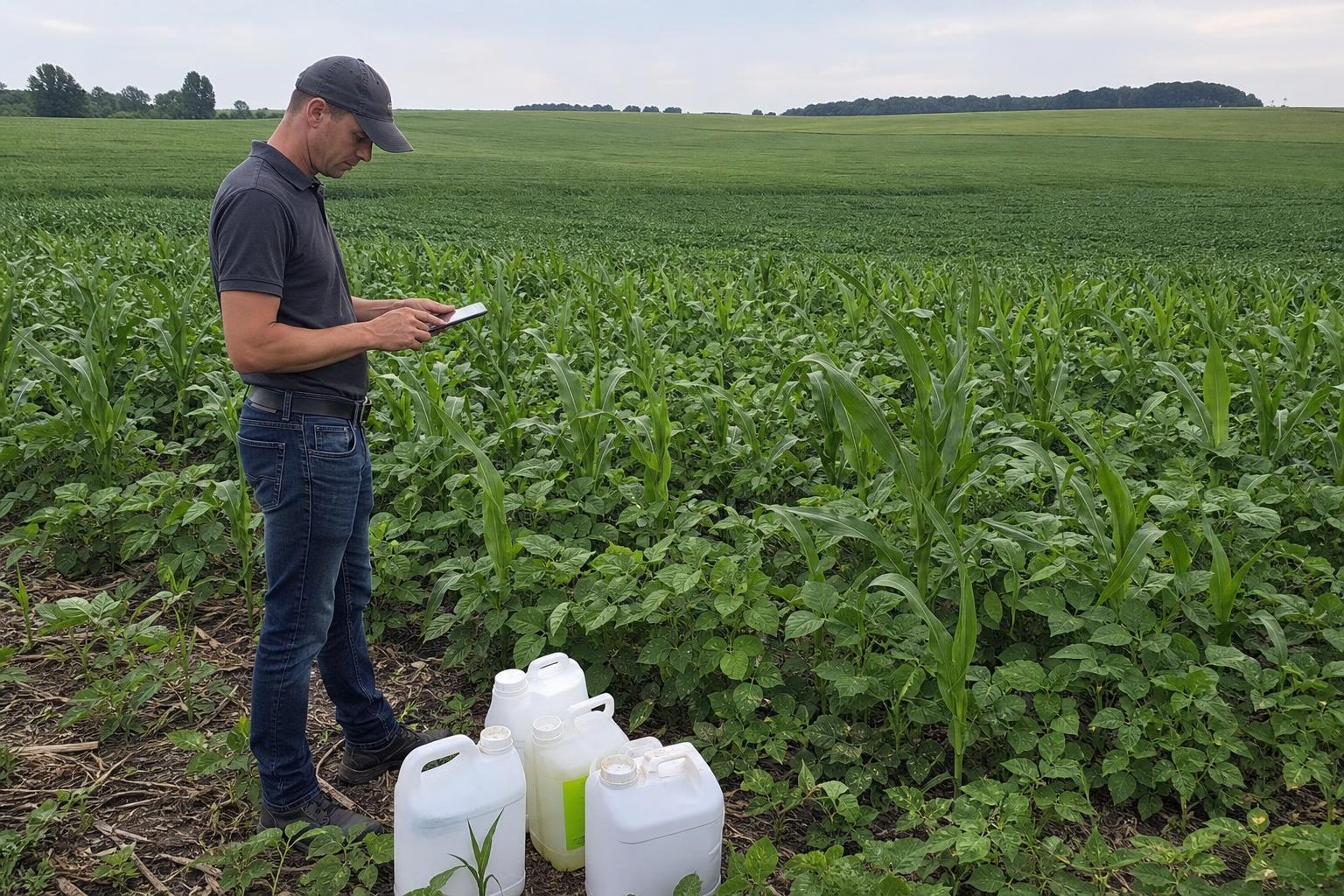
Ukrainian sunflower and soybean producers enter the season with a focus on profitability. Expected growth in sunflower production, logistical constraints, and market instability are prompting farms to plan their herbicide, fungicide, and other crop protection costs more precisely.
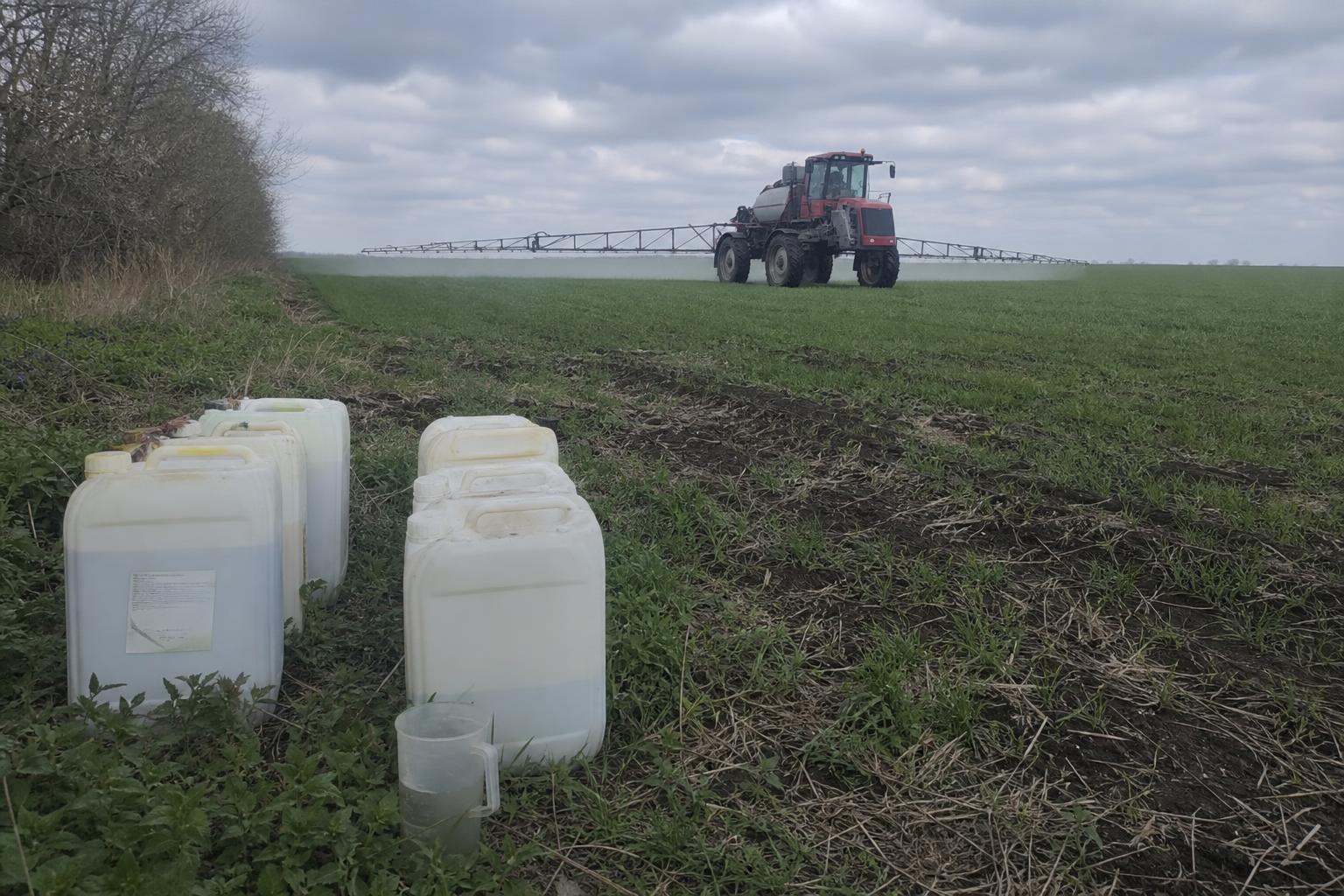
The pesticide market is entering a period where buyers carefully assess their needs by crop, while sellers must highlight not only prices but also the practical value of protection schemes. For AgroPost, the key focus is transparent offers of herbicides, fungicides, and other products with clear links to crop, application stage, and usage conditions.
Practical digest for buyers and sellers on AgroPost in the plant protection category: what to check in listings, how to describe products, and why documents, expiration dates, and correct active ingredient selection are crucial.
The Ukrainian crop protection market is entering a period where buyers focus more on treatment efficiency, and sellers need to showcase not just products but clear application schemes. Weather-related losses and resource market instability increase demand for well-argued decisions.
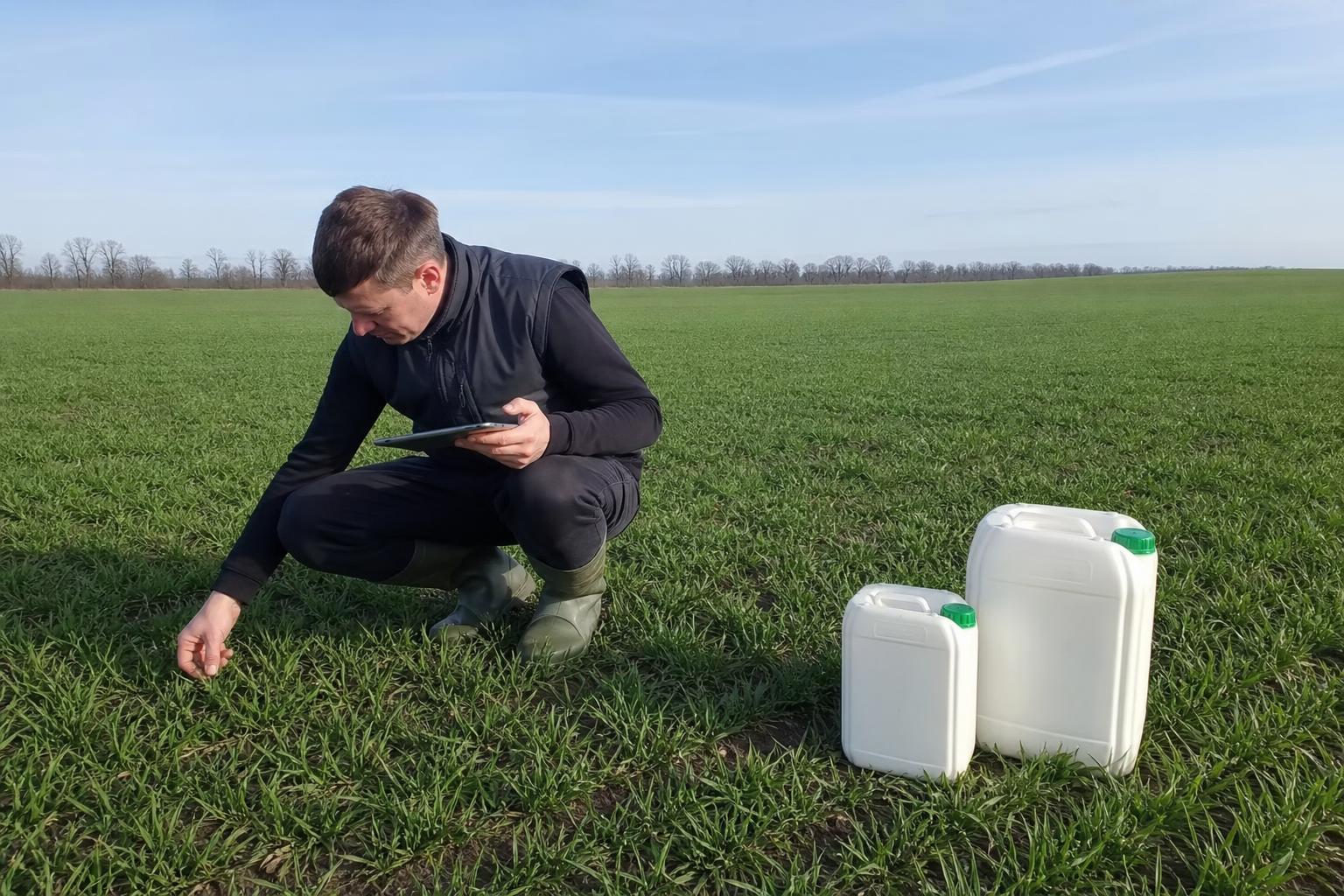
Skipping insecticidal seed treatment for winter crops can increase the risk of uneven emergence and weaker plant development before winter. This shifts focus to compatibility with fungicides and pest spectrum in the plant protection market.
For the plant protection market, key factors remain not only the price but also product availability, documentation, delivery timelines, and flexible payment options. Farmers should synchronize procurement with harvest storage, sales, and field operations planning.
Prices for corn at Danube ports have declined, while domestic processing of rapeseed and soy has reached record levels. This signals to the crop protection market: buyers will scrutinize the cost-effectiveness of protection schemes, and sellers should tailor offers to specific crops, margins, and logistics.
Enter your email and we will send a password reset link.
Don't have an account?
Help improve AgroPost?
With your consent, Google Analytics measures navigation and listing steps. The service does not start without consent. The site works without it.
What we collect and how to change your choice
We send category, language, step number and whether an error or save occurred, not entered values, phone numbers, email addresses or listing text. Your choice is stored in this browser for up to 180 days. Advertising tracking stays disabled.
Use Analytics settings to change your choice. Withdrawing consent reloads the page to stop already loaded services: save any unfinished form first.