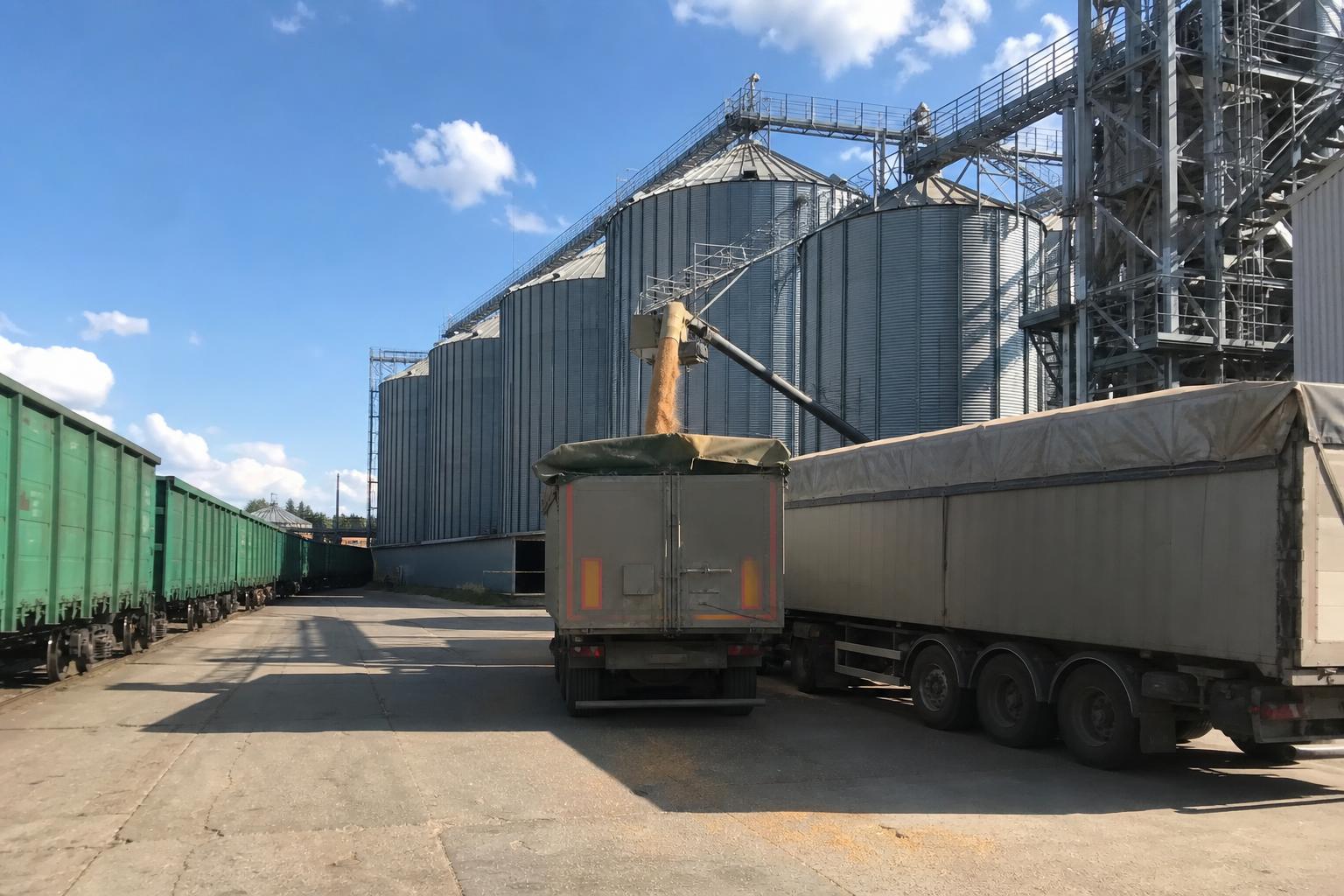
Ukrainian grain market enters August amid pressure on feed barley prices and increased focus on alternative export routes. For sellers and buyers, accounting for logistics risks, elevator capacity, and price differentials is crucial.
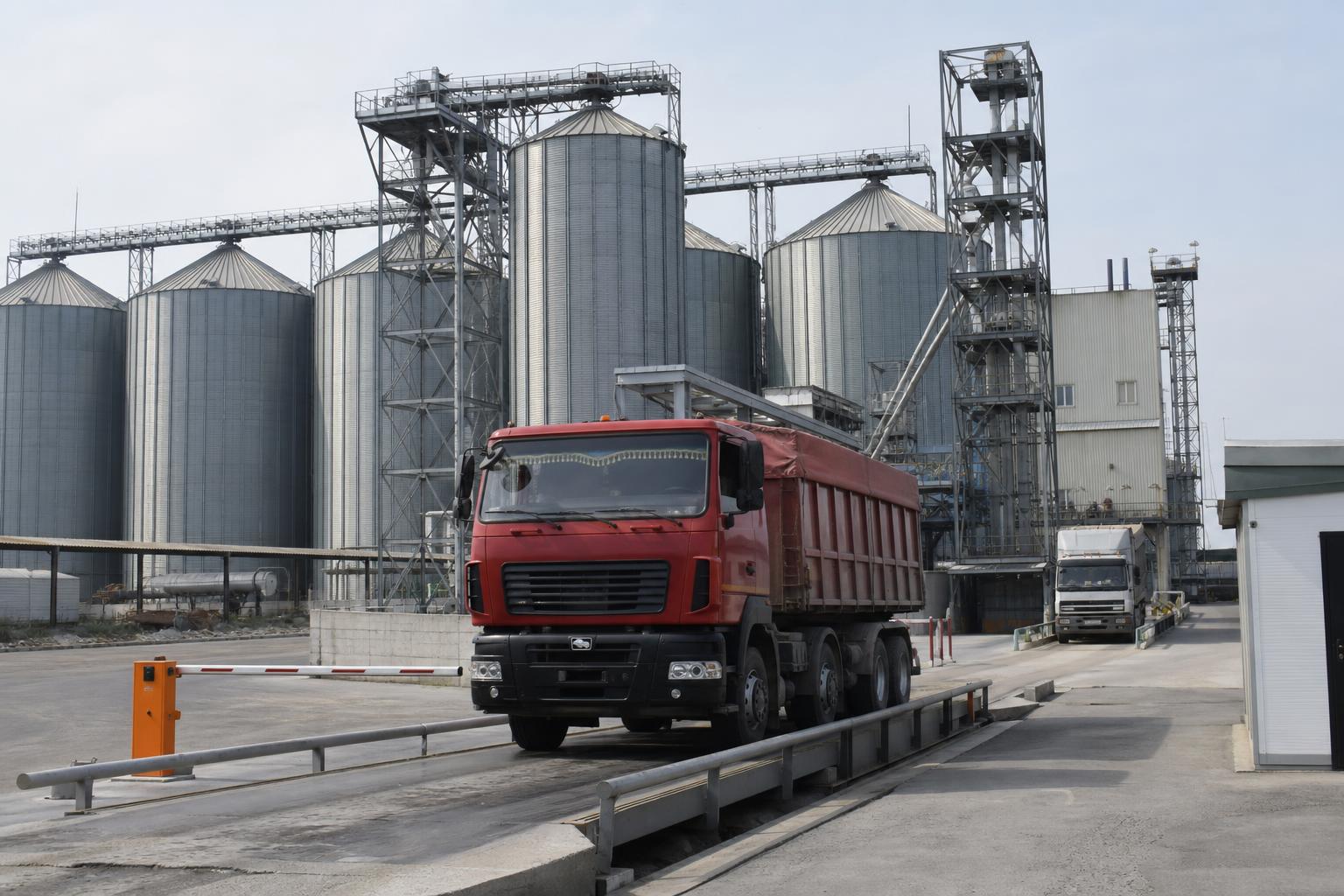
Ukrainian grain sellers should pay closer attention to logistics costs and prepare documents tailored to specific export destinations. Market risks include port infrastructure issues, potential increases in railway transportation costs, and phytosanitary requirements from importers, particularly China for barley.
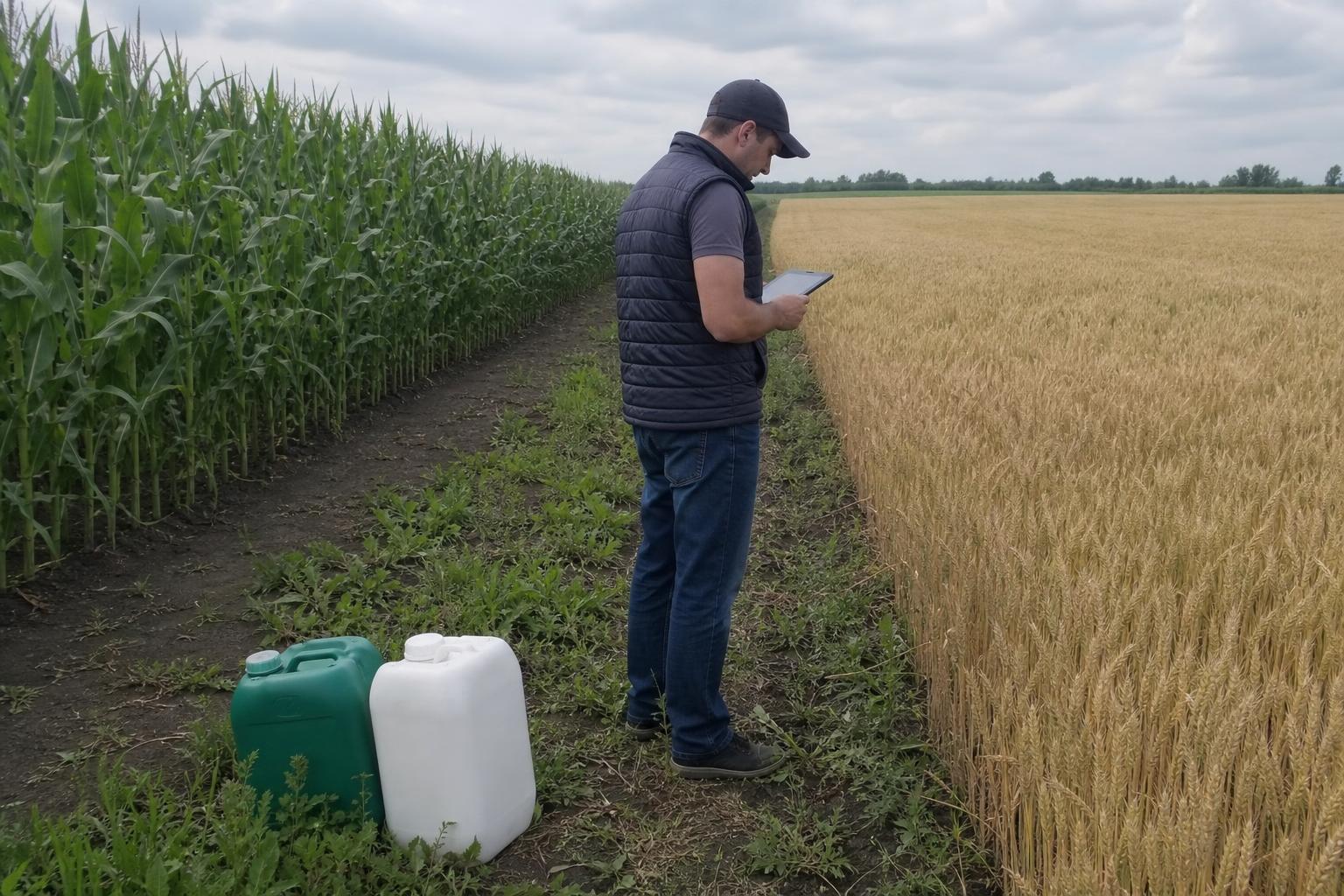
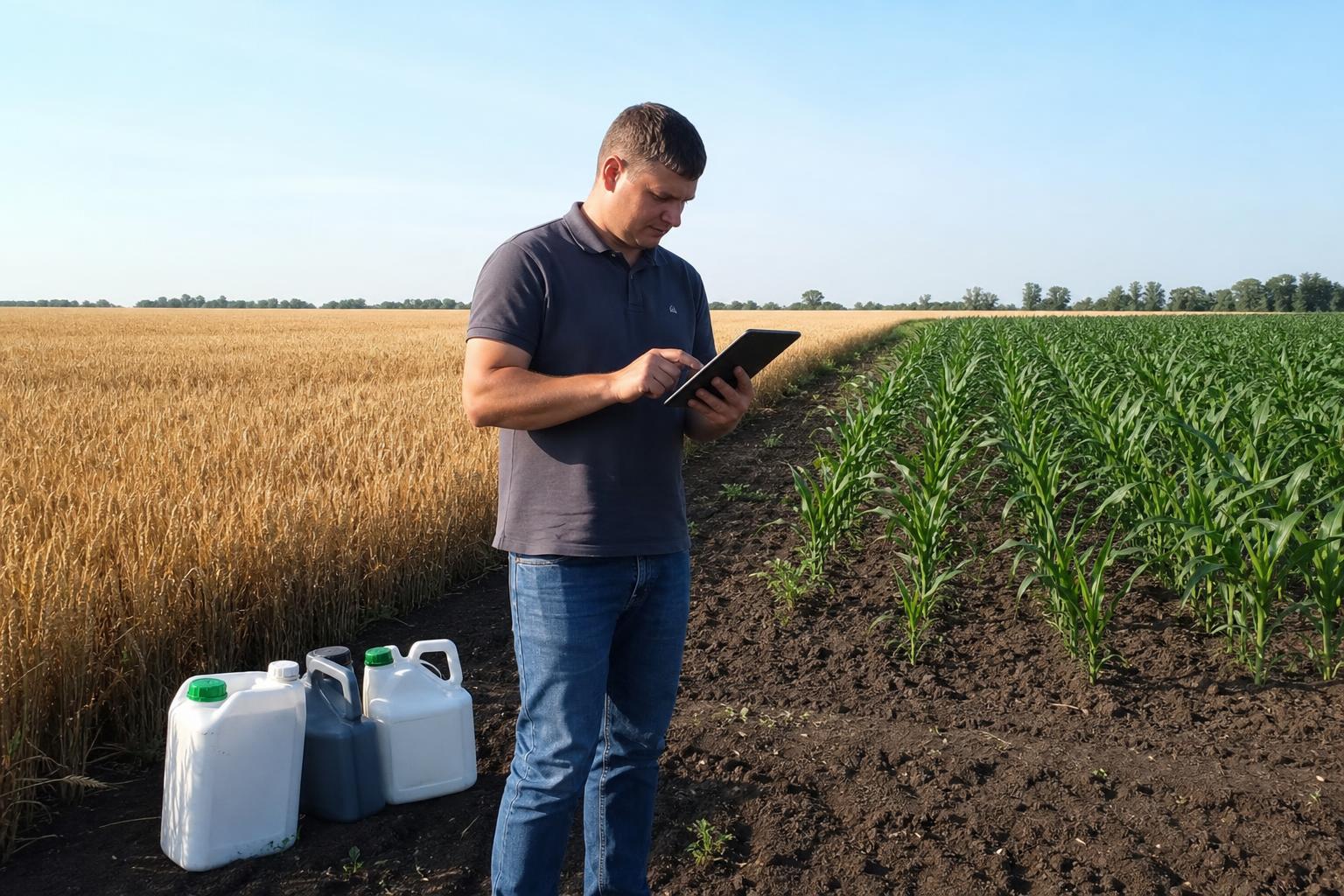
As of early July, Ukraine's grain and legume reserves are significantly higher than last year. While not a direct price signal, this is an important factor for planning: farmers should carefully assess their needs for herbicides, fungicides, and seed treatments, and sellers should tailor offers based on crops with the largest remaining stocks and sowing plans.
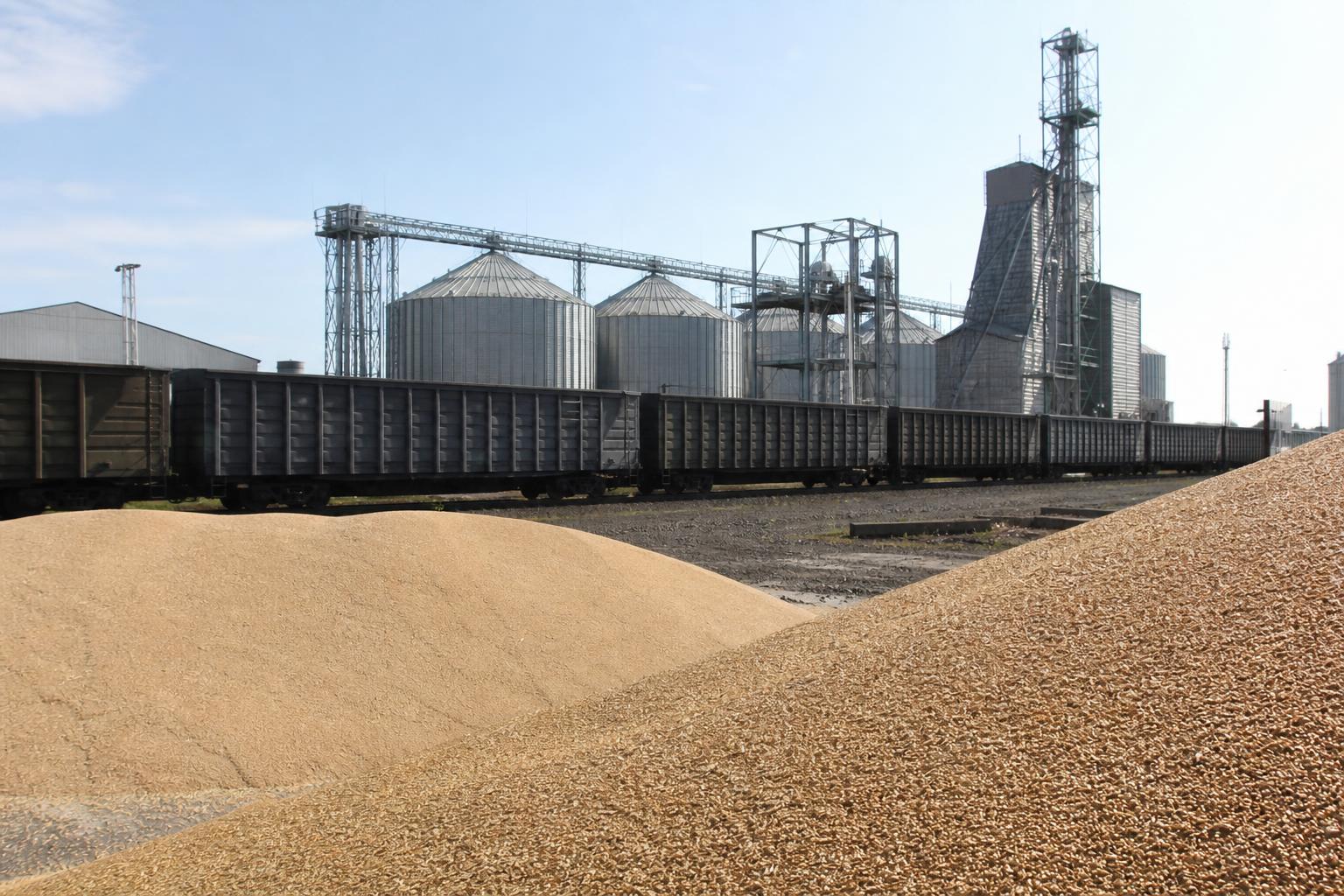
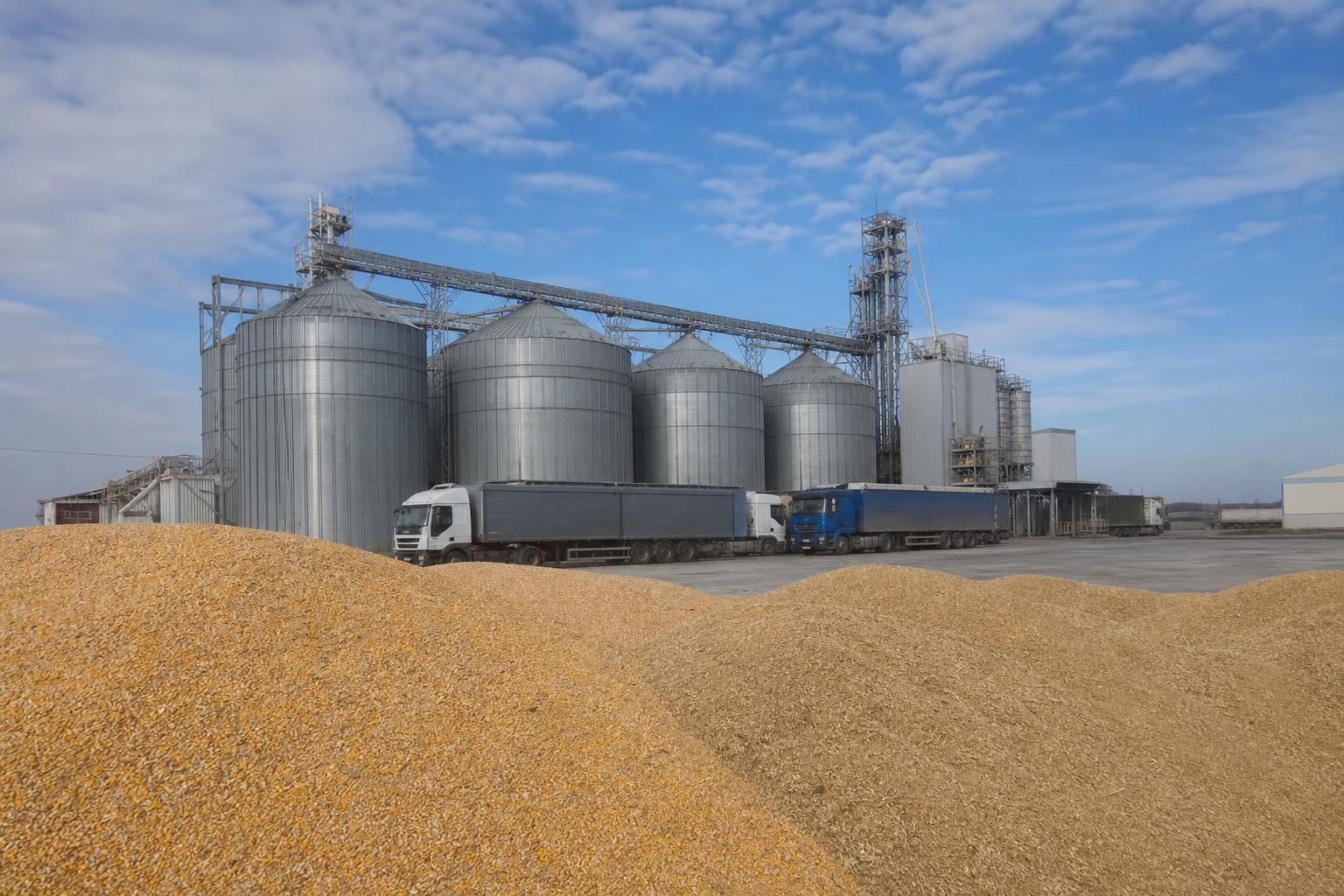
By early July, Ukraine's grain and legume reserves were significantly higher than last year. This means tougher competition for elevators, transport, and buyers for sellers, and a wider selection of batches with some risks for processors and traders amid unstable Black Sea logistics.
Ukraine's grain exports in 2026/27 season have started more actively than last year, while the global agro sector is undergoing personnel changes. This highlights the need for the market to carefully plan herbicide, fungicide, and seed treatment purchases for key crops.
Turkey, Egypt, and China became key buyers of specific Ukrainian grain crops in 2025/26. For carriers, elevators, and sellers, this means more precise planning of shipments, schedules, and sales conditions.
In the 2025/26 season, Ukraine's top grain buyers are segmented by crop: Turkey leads in corn imports, Egypt in wheat, China in barley. This emphasizes the importance of quality, logistics, and online auction channels for sellers.
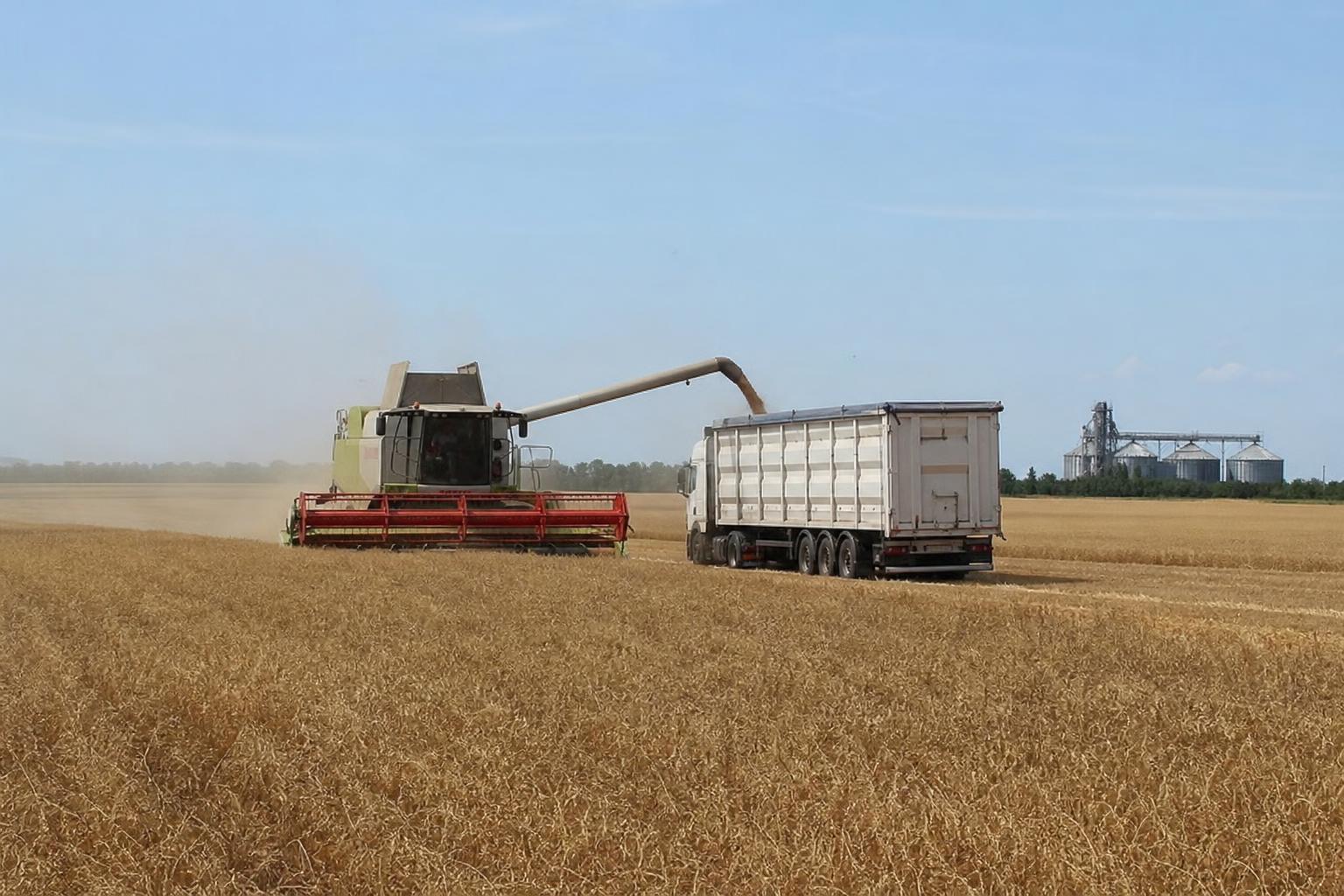
Early harvesting has begun in Ivano-Frankivsk region for grains, peas, and rapeseed. This signals grain sellers and elevators to prepare for new crop flows, while exporters should strengthen documentary control over routes and counterparties.
In June 2026, grains remained the main export category of Ukraine's agro-industrial complex: shipments barely changed compared to May. Meanwhile, early harvests and tight harvesting schedules increase attention to logistics, processing, and rapid sales through marketplaces and direct contracts.
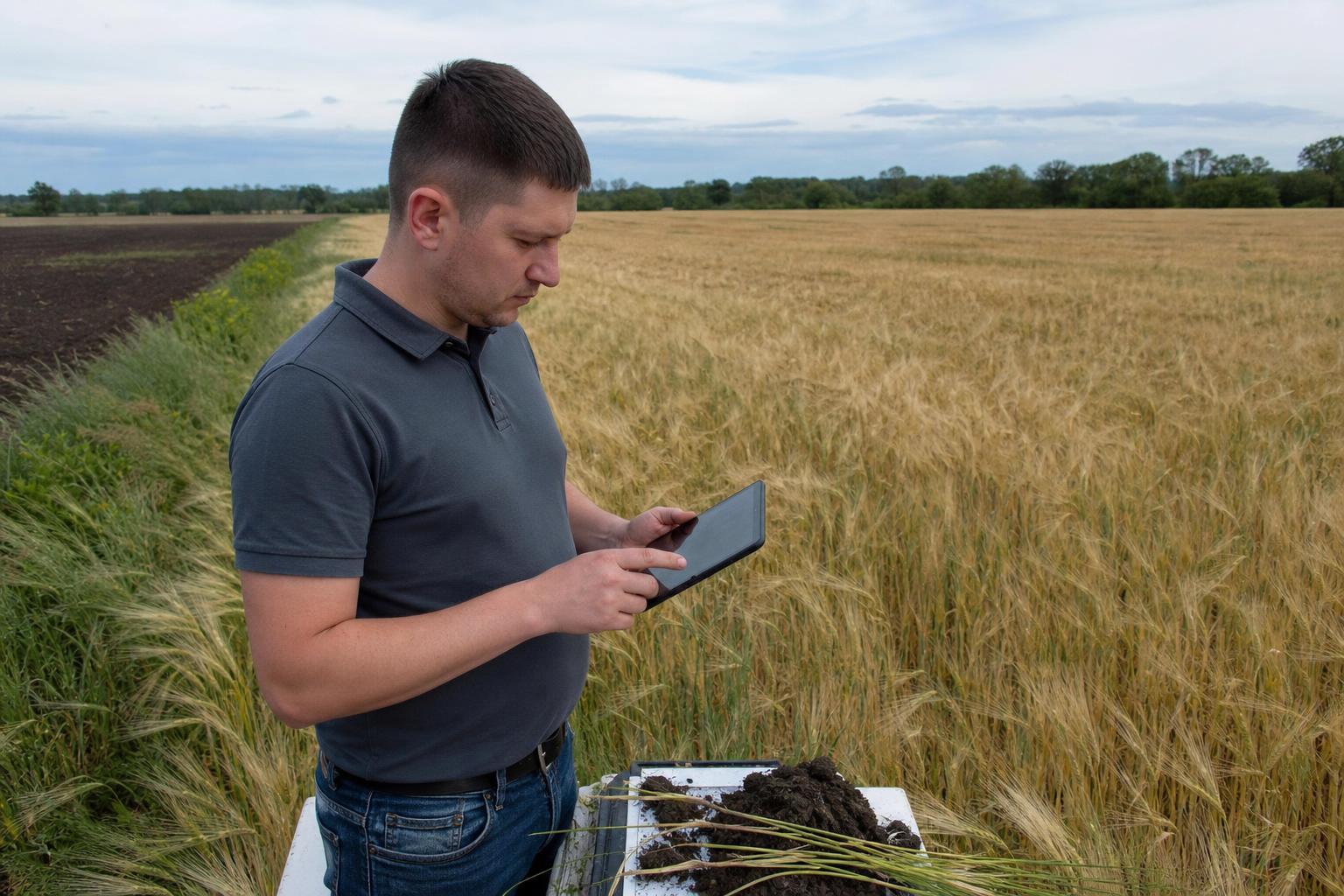
As harvesting begins in the south, farmers report barley without significant disease or pest damage, while the opening of the Living Soil Museum highlights soil ecosystem importance. This influences the assessment of seasonal protection schemes and demand for fungicides, herbicides, and other solutions.
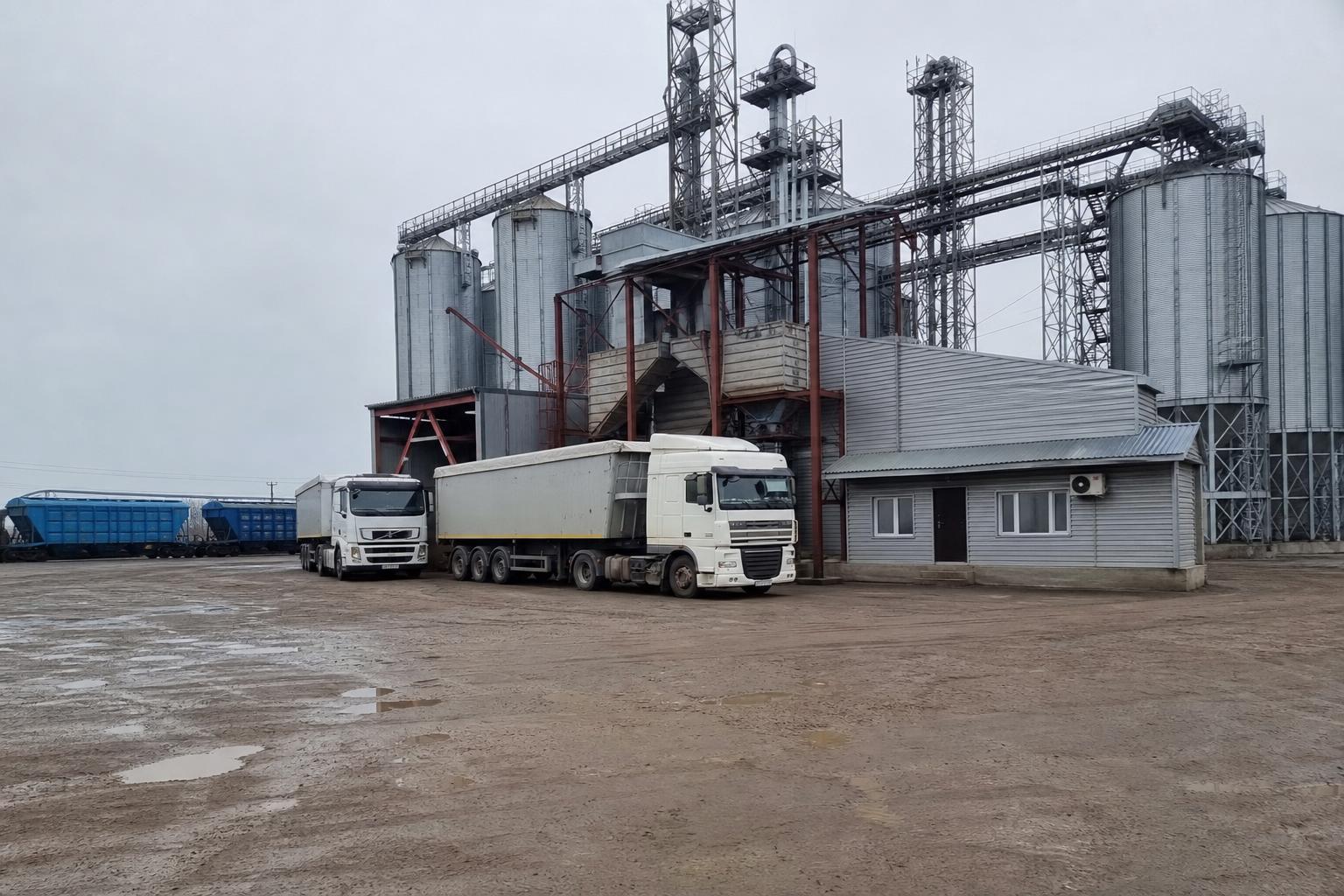
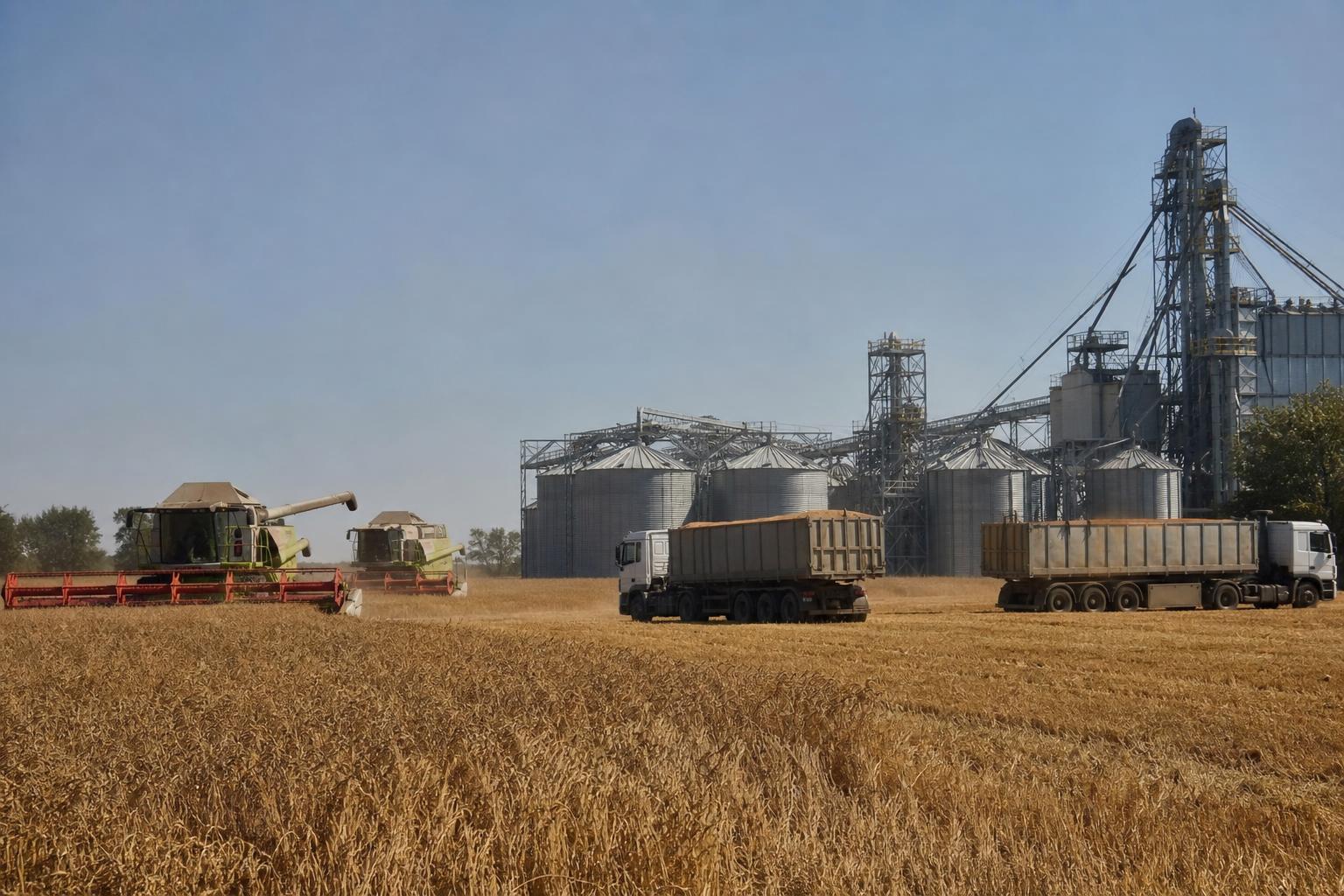
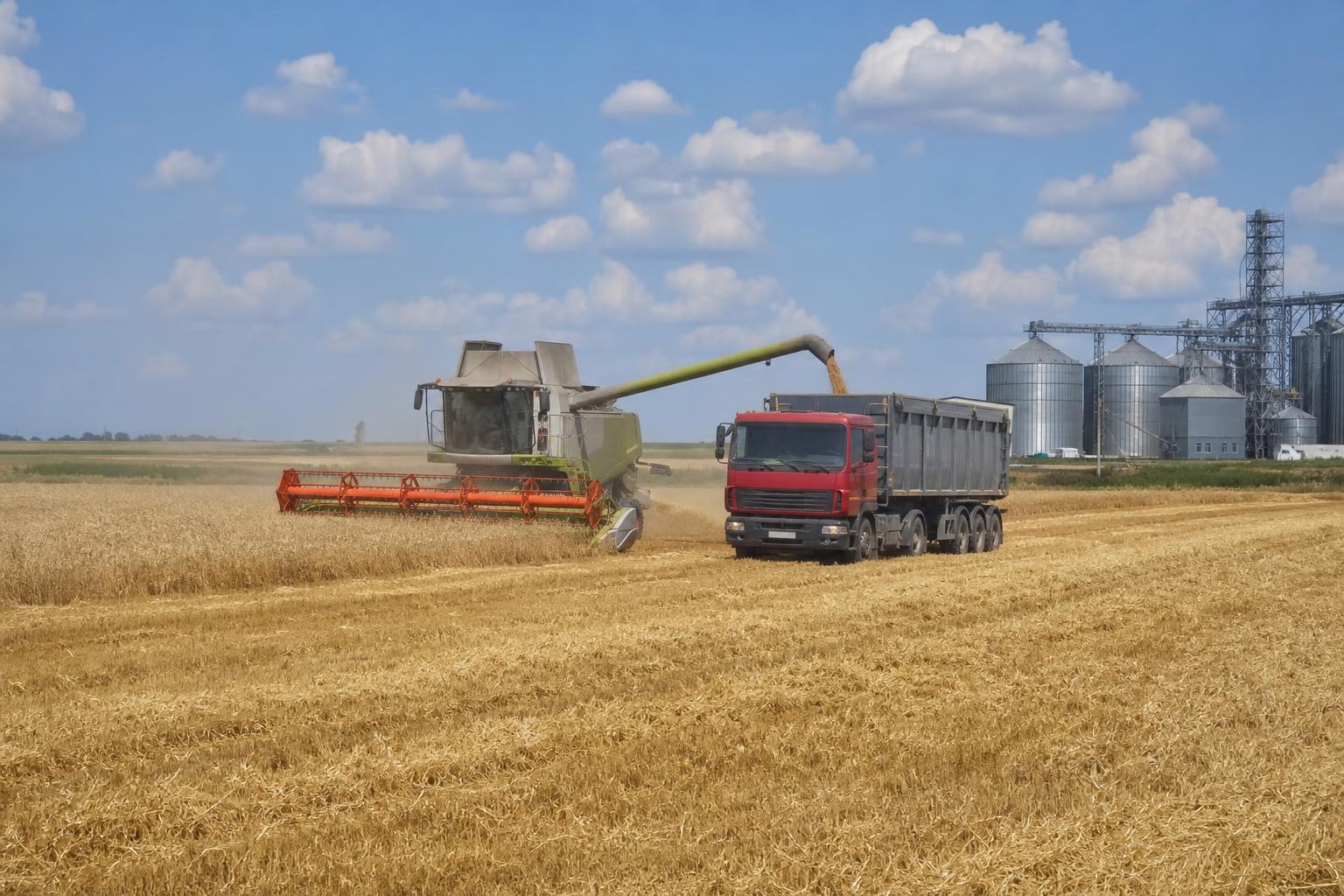
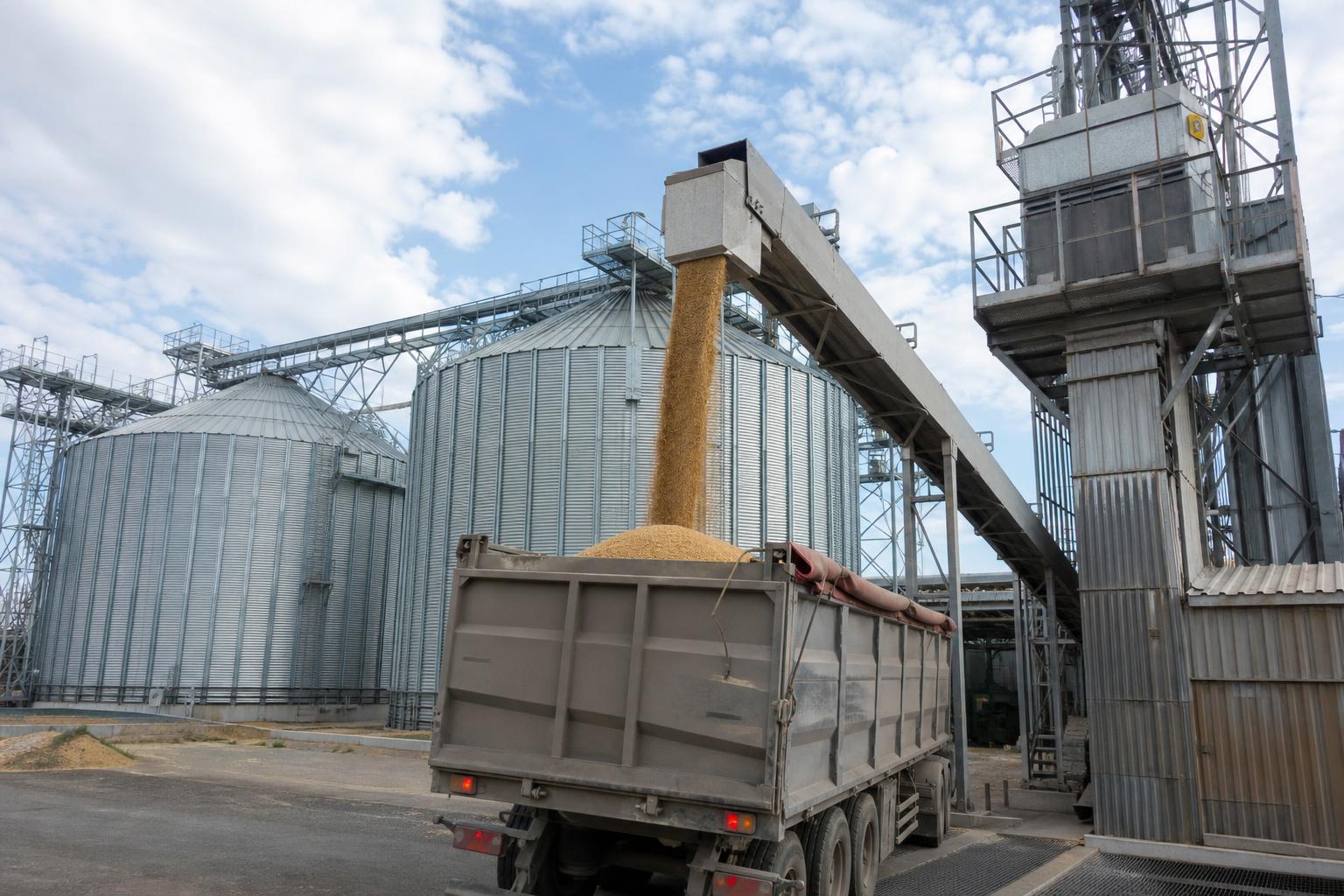
Early harvest begins in southern Ukraine: Odessa region reports high yields and moisture levels without drying. Producers invest in silos to reduce dependence on third-party elevators and sell more flexibly.
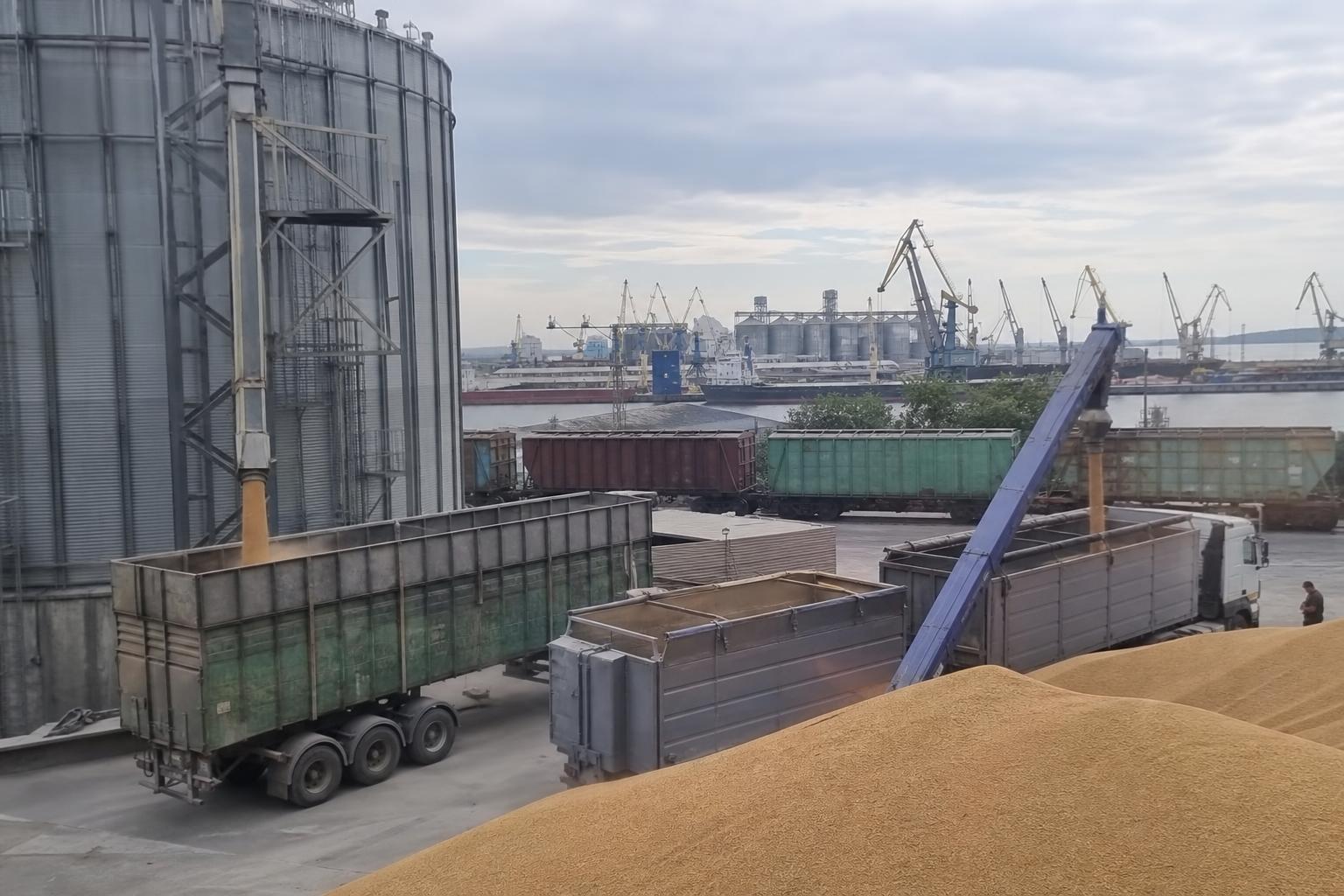
Turkey may sharply reduce barley imports and resume exports. For the Ukrainian market, this means more cautious demand for transportation, increased focus on CPT port rates, and the need to quickly secure logistics for the new harvest.
Enter your email and we will send a password reset link.
Don't have an account?
Help improve AgroPost?
With your consent, Google Analytics measures navigation and listing steps. The service does not start without consent. The site works without it.
What we collect and how to change your choice
We send category, language, step number and whether an error or save occurred, not entered values, phone numbers, email addresses or listing text. Your choice is stored in this browser for up to 180 days. Advertising tracking stays disabled.
Use Analytics settings to change your choice. Withdrawing consent reloads the page to stop already loaded services: save any unfinished form first.