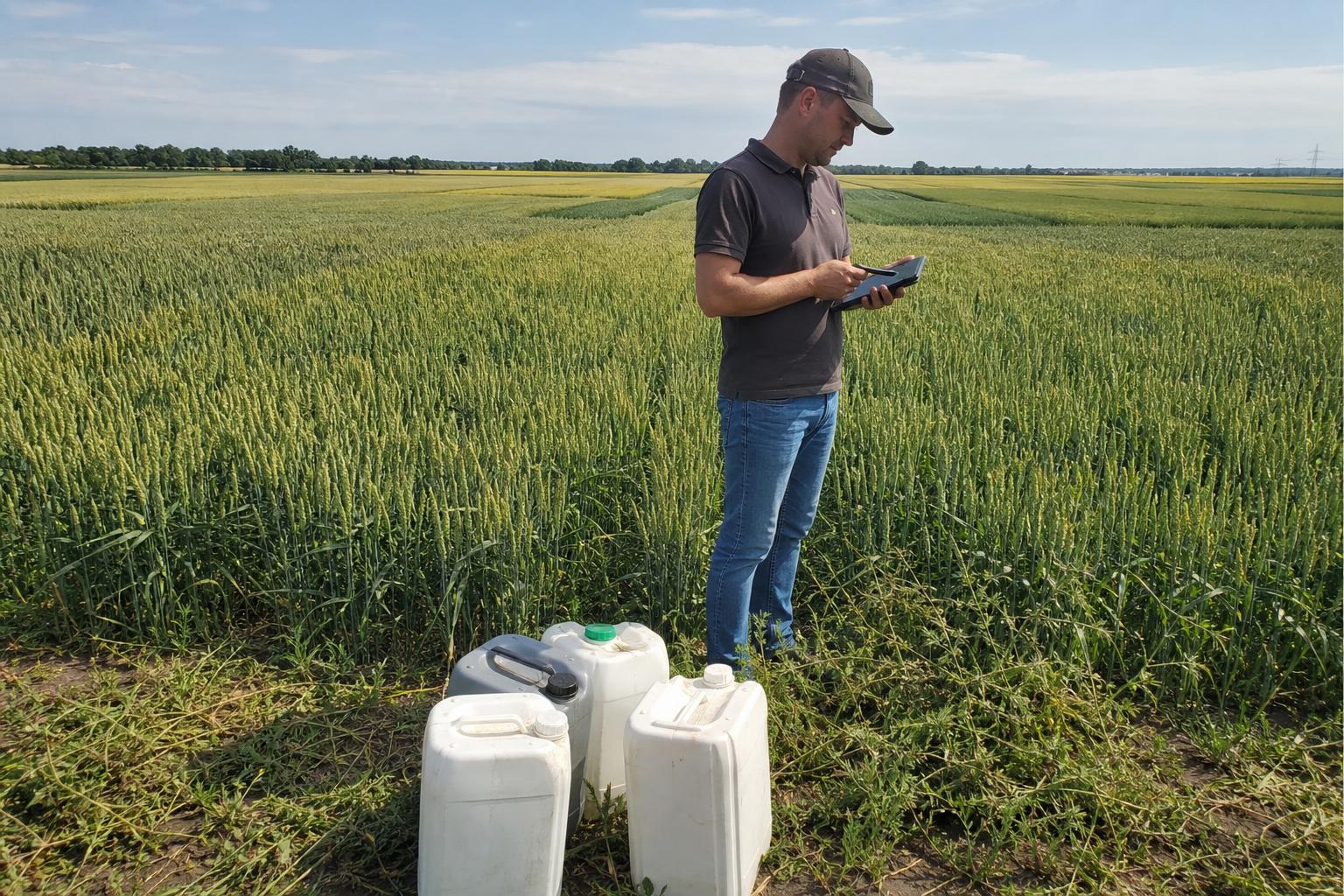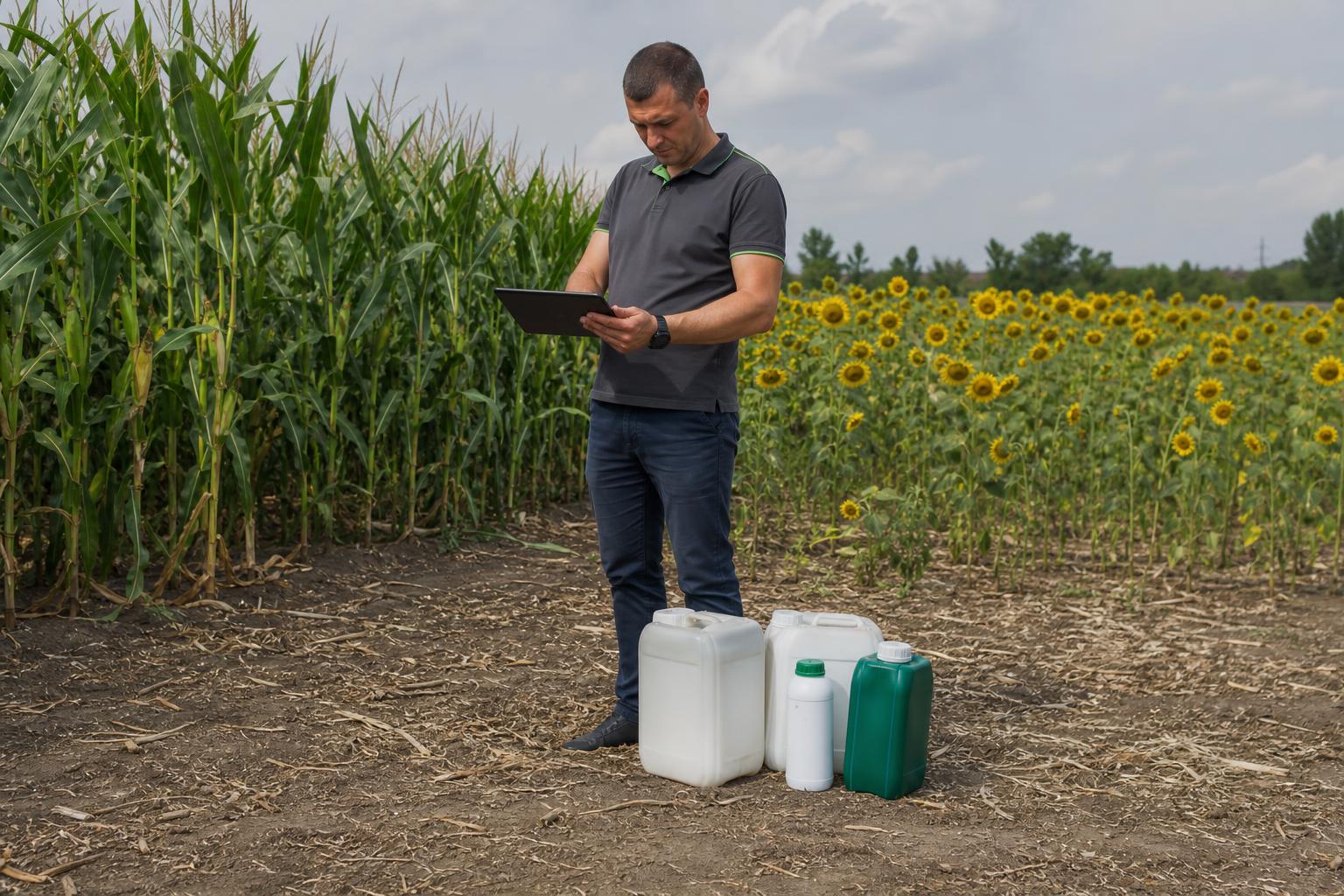
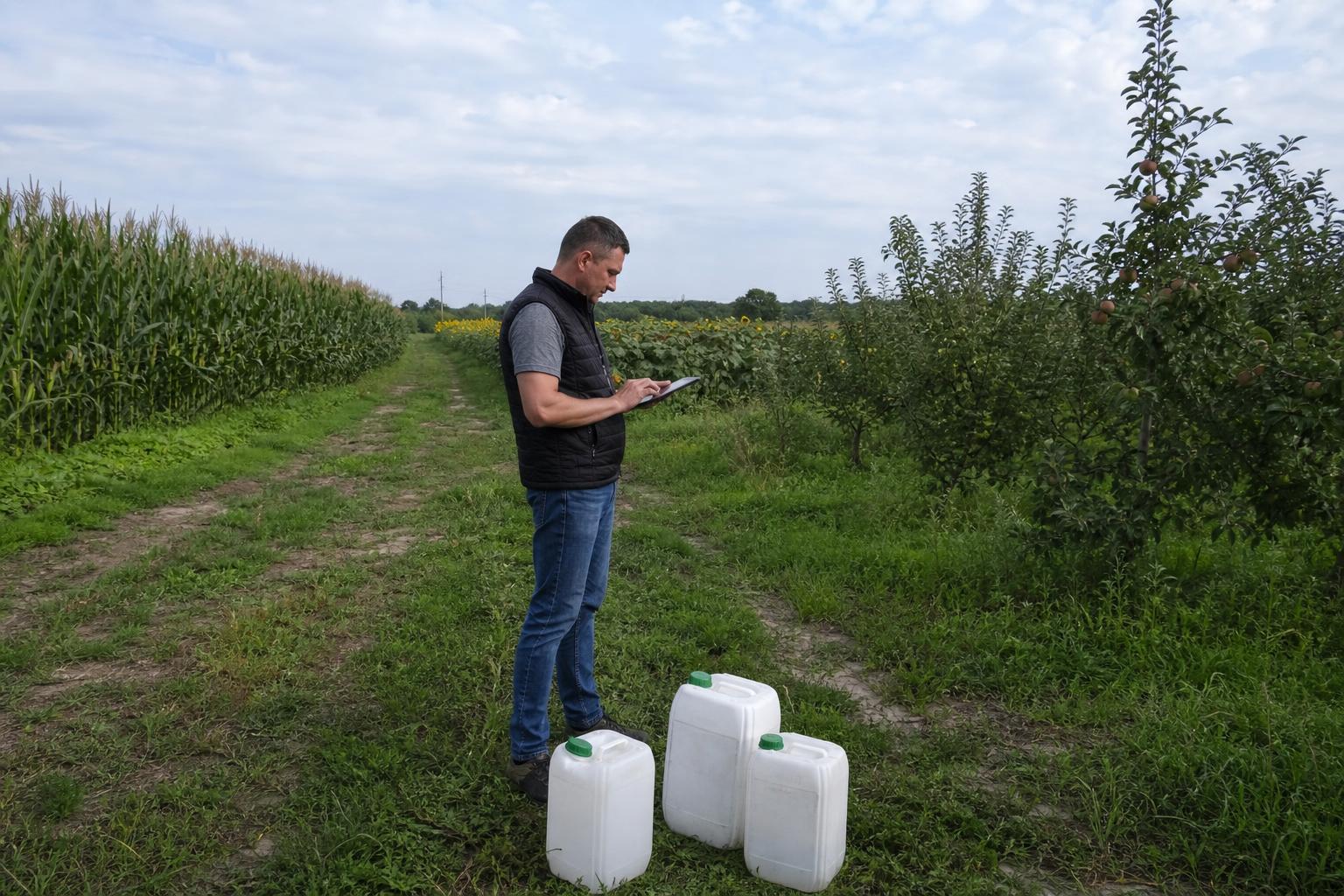
Market data on apples, oilseeds, and corn provide insights for planning herbicide, fungicide, and insecticide purchases. For AgroPost, this signals the need to focus on specific crop protection solutions.
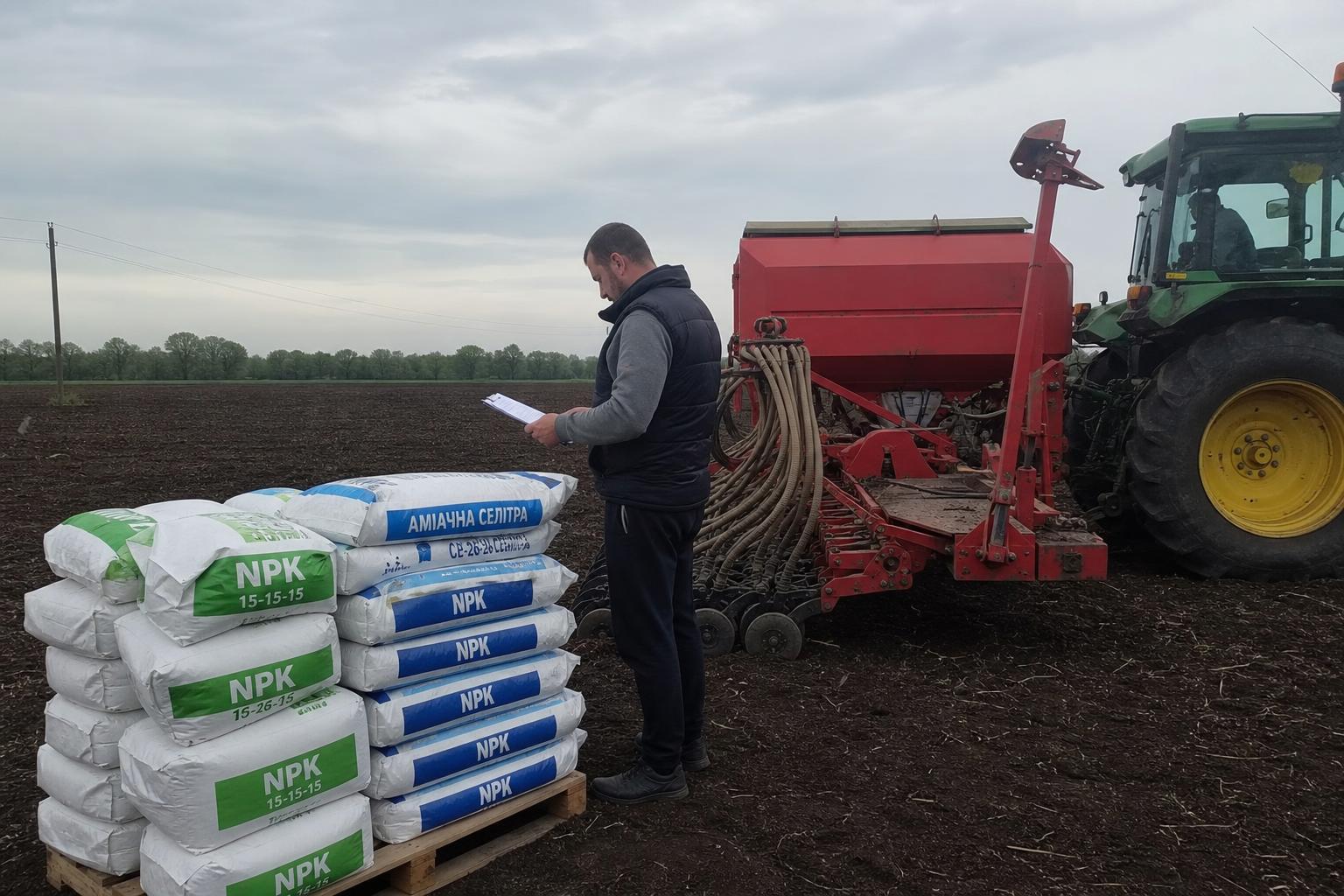
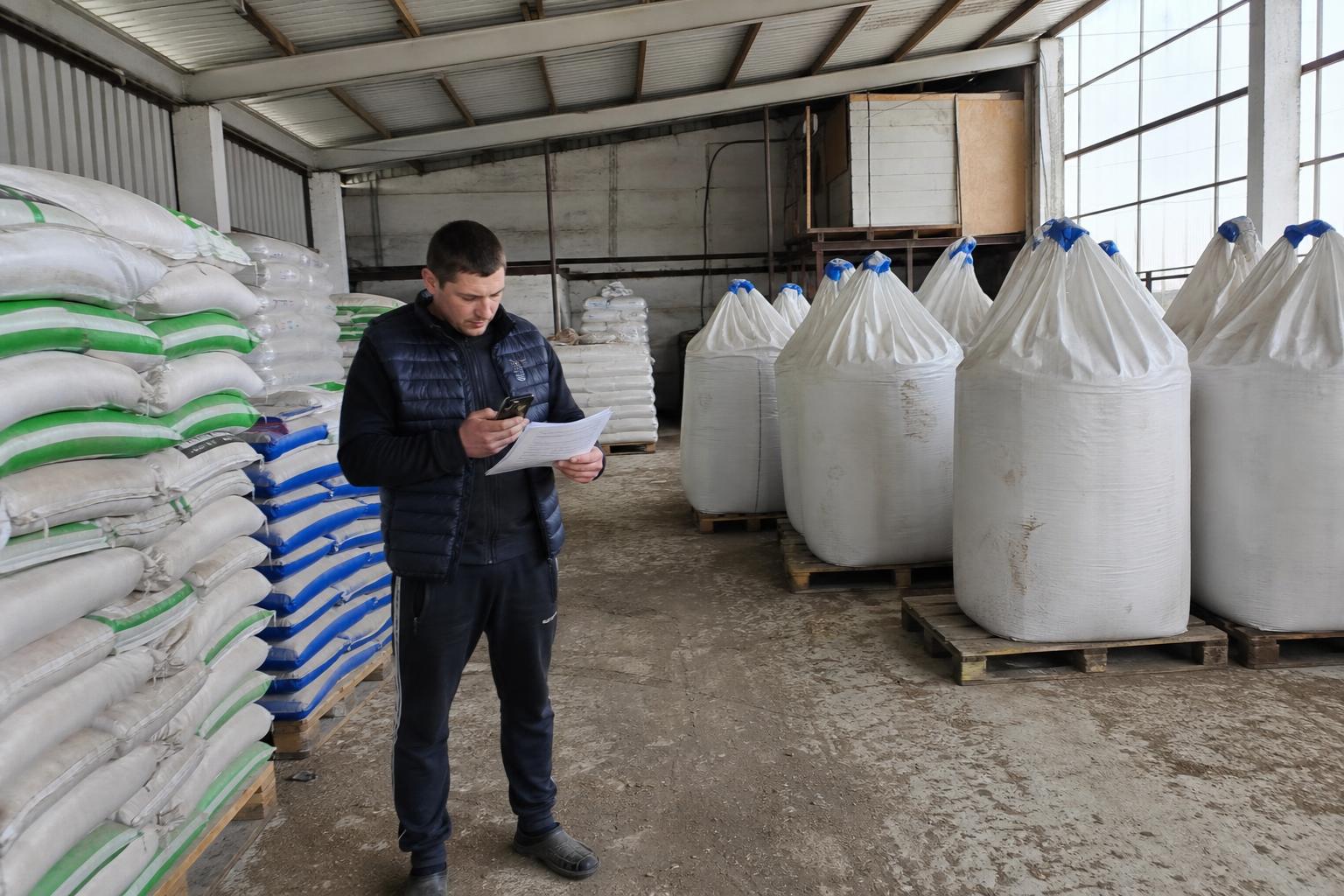
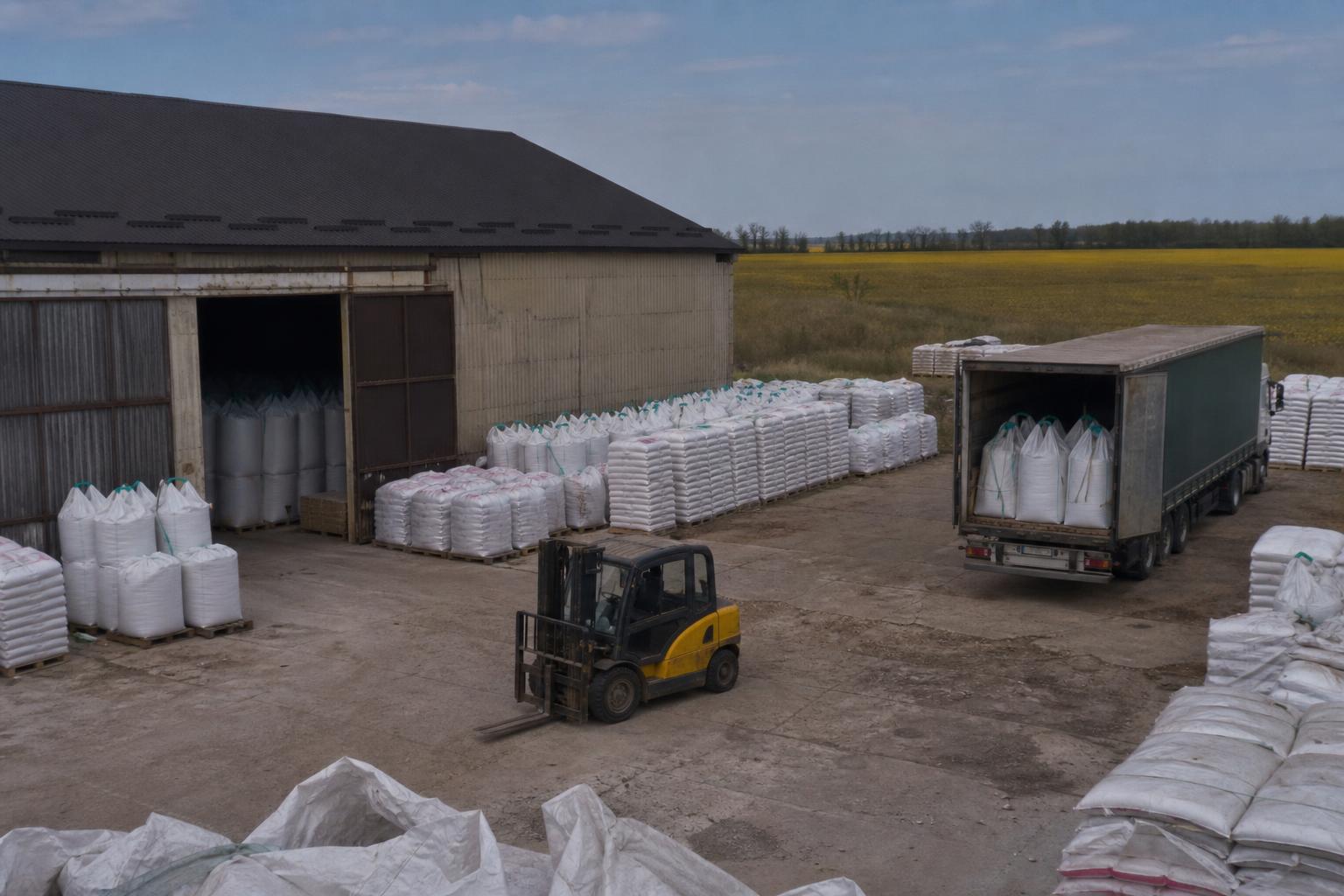
No direct new indicators on fertilizer prices are available, but updated balances for corn, sunflower, soy, and rapeseed are crucial for planning nitrogen, NPK, and agrochemical purchases for upcoming field works.
USDA increased wheat and corn yield forecasts in Ukraine but lowered export expectations. For grain sellers and buyers, key factors remain not only production volumes but also logistics, delivery timelines, and quality.
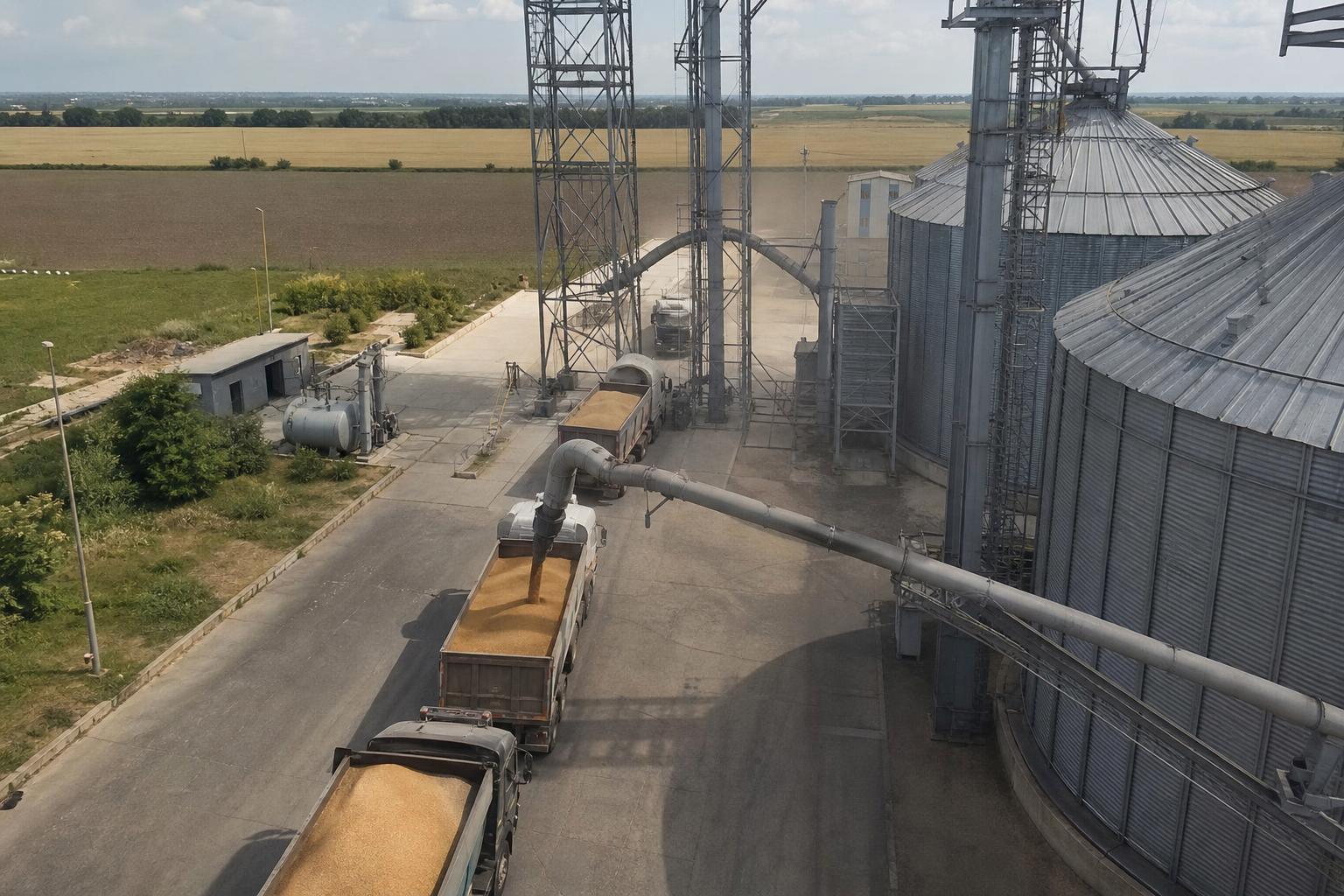
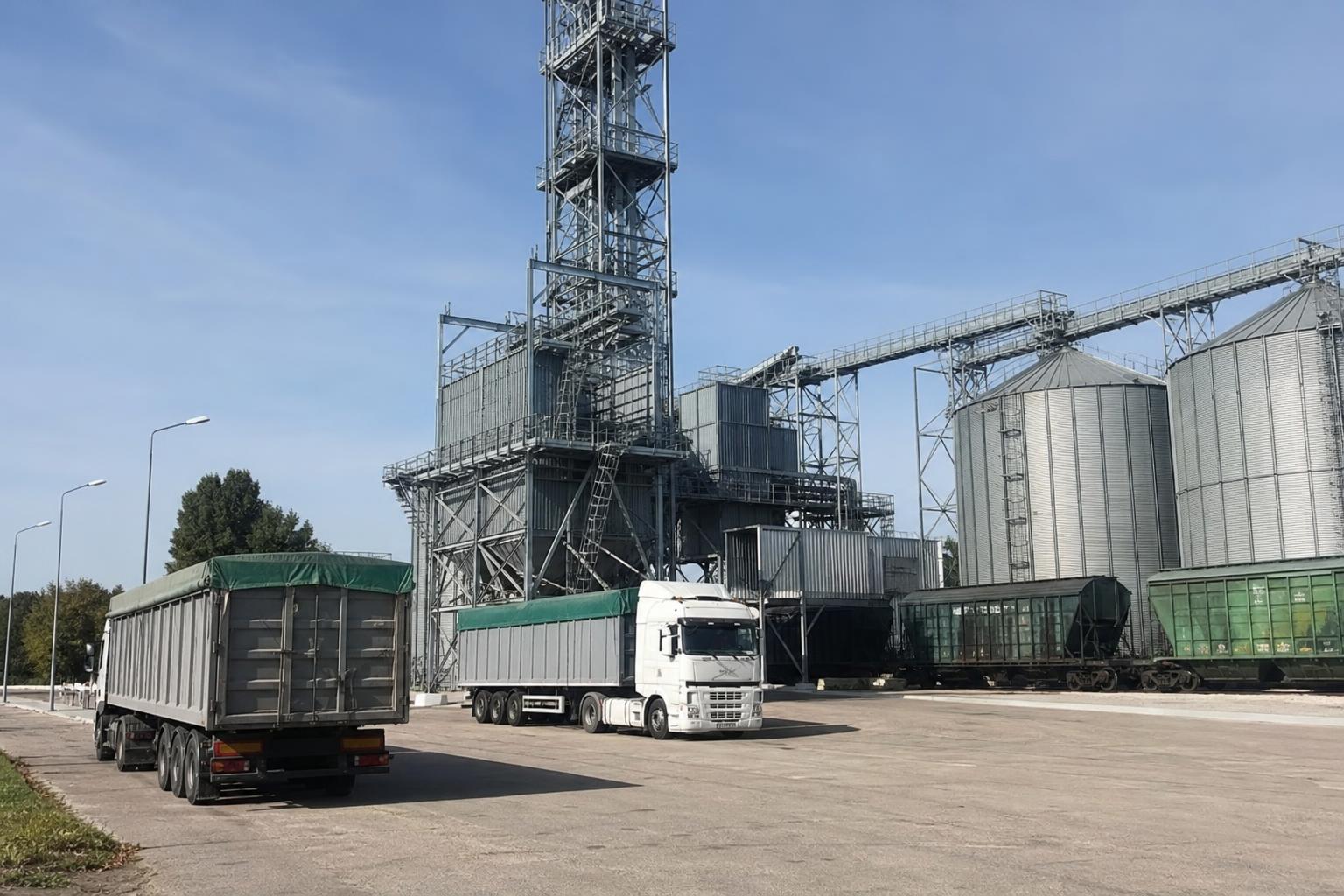
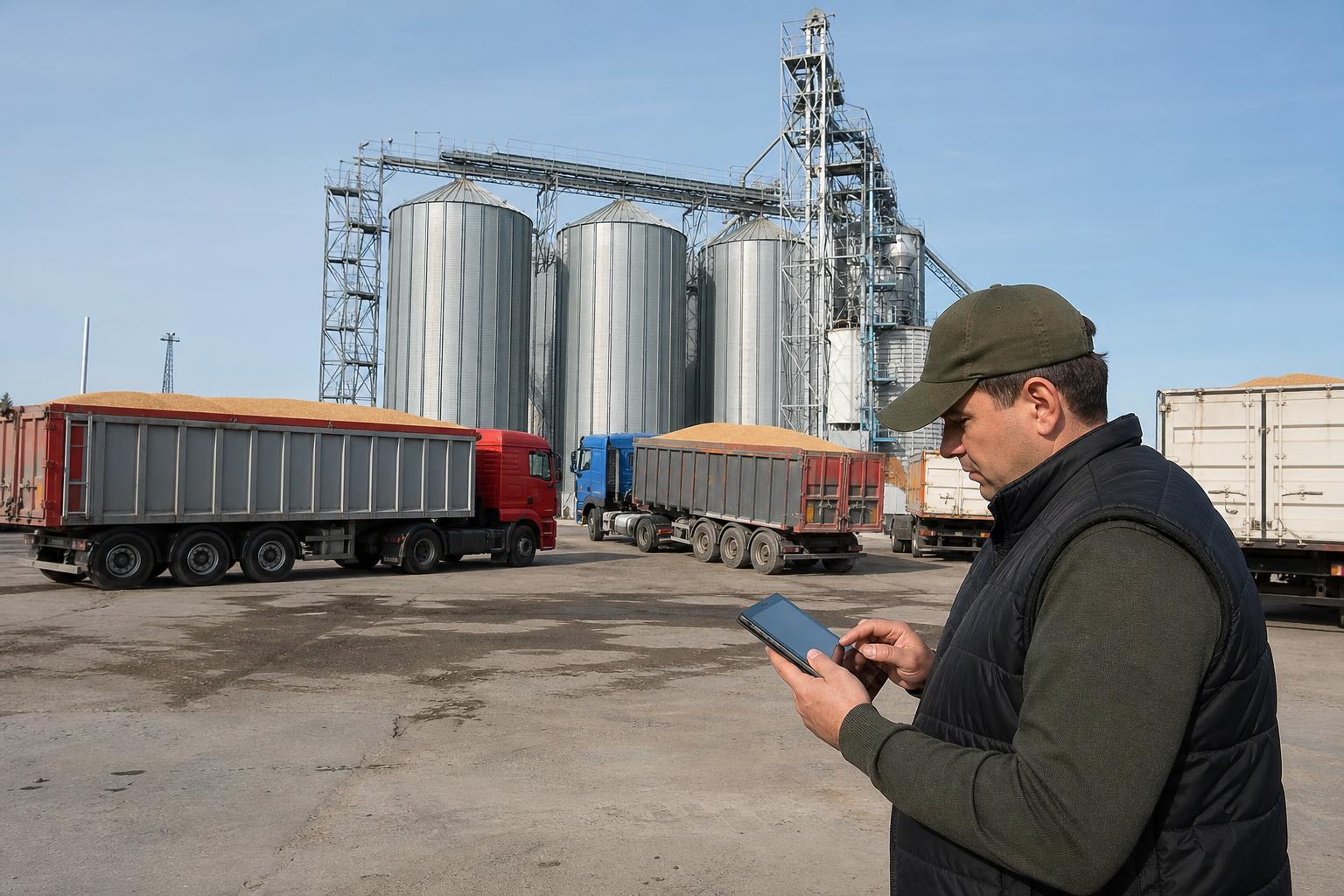
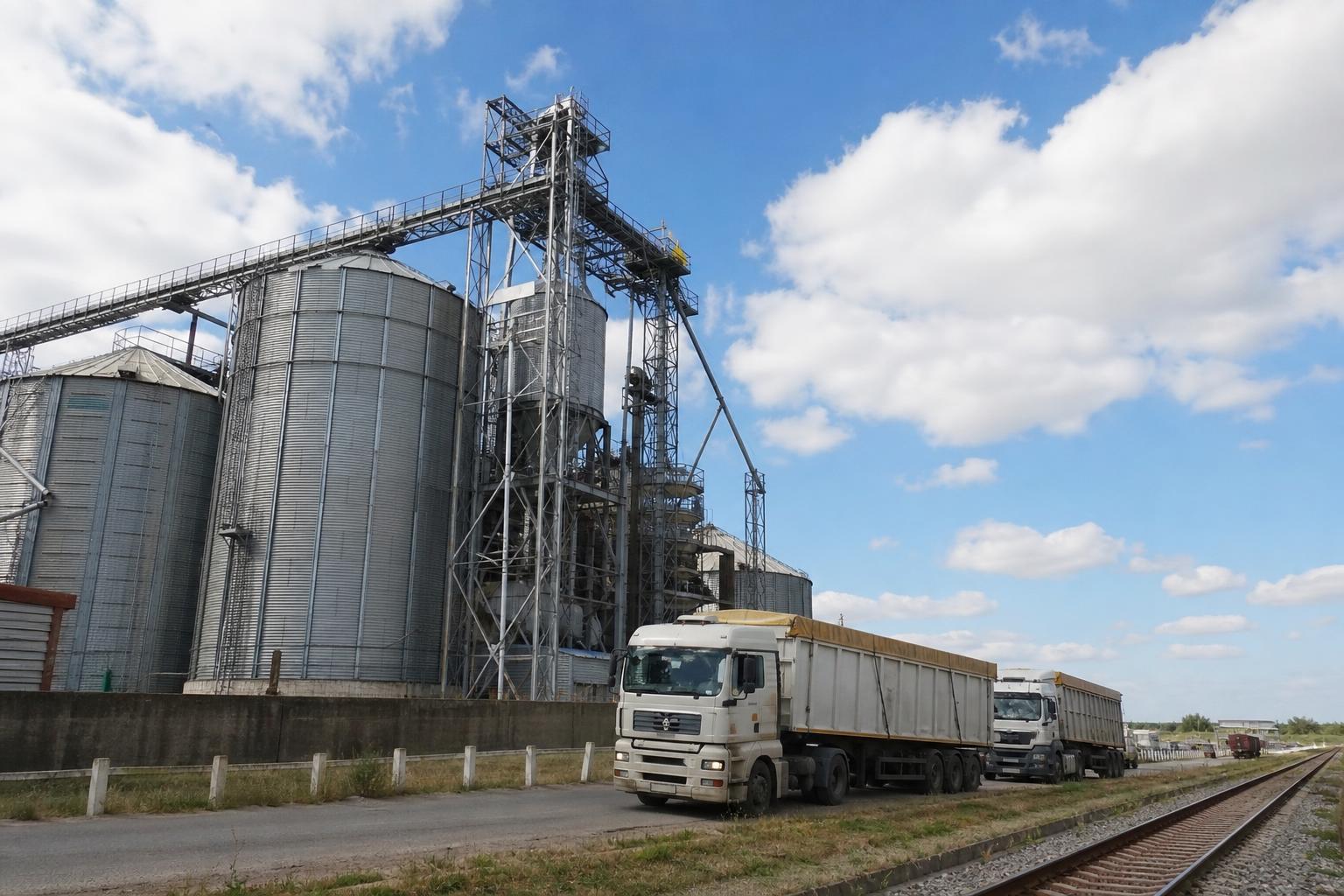
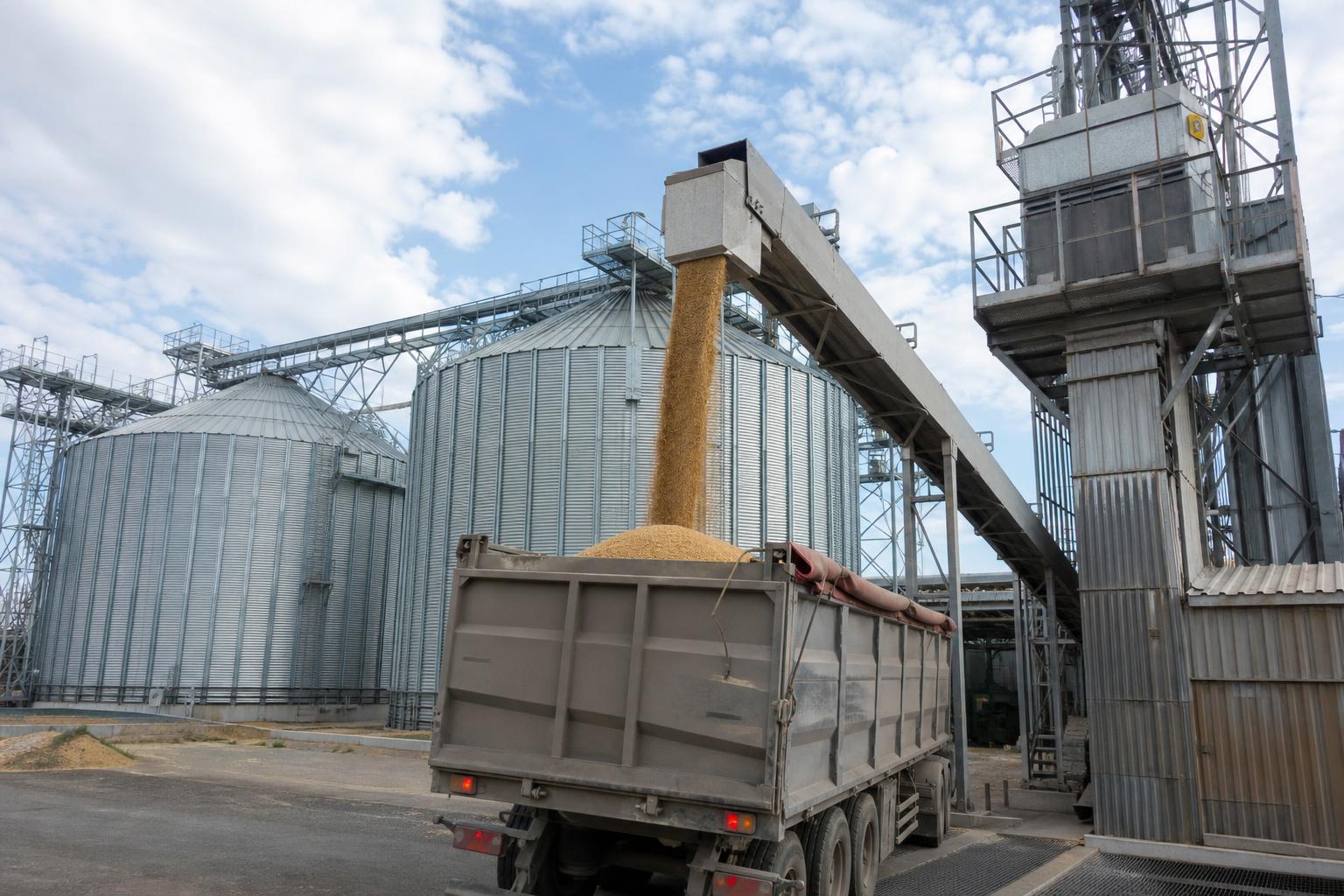
For the grain market, logistics increasingly depend not only on wagons, trucks, and ports but also on producer liquidity and elevator efficiency. Increasing the collateral coefficient for grain can reduce forced sales pressure, while digital storage management accelerates shipment decisions.
An increase in the collateral coefficient for grain and updates to the '5-7-9' program could provide farmers with more working capital during a period when crop protection decisions depend directly on liquidity. For suppliers, this signals the need to prepare flexible commercial offers, while farms should carefully match their chemical needs with available financing.
The Ukrainian fertilizer market is entering a period where purchasing decisions are increasingly linked to farmers' liquidity. Increasing the collateral coefficient for grain can improve access to working capital, but prices and availability of specific fertilizers require separate verification before deals.
In Ukraine's grain market, two practical factors are simultaneously strengthening: banks can more actively lend against harvests, and large elevator operators are adopting more precise digital control of stocks and quality. For farmers, this means more options between immediate sale and storage under contract.
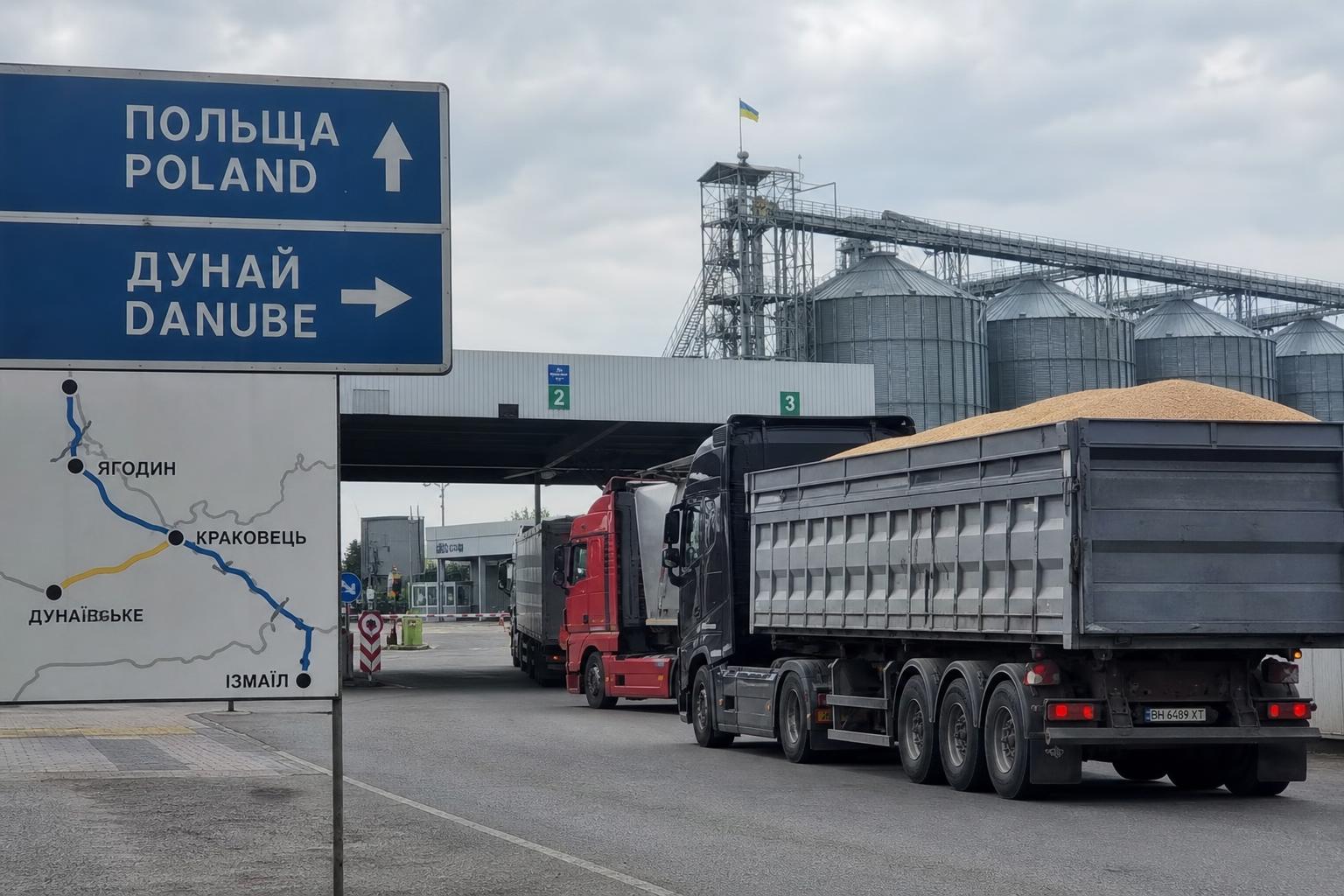
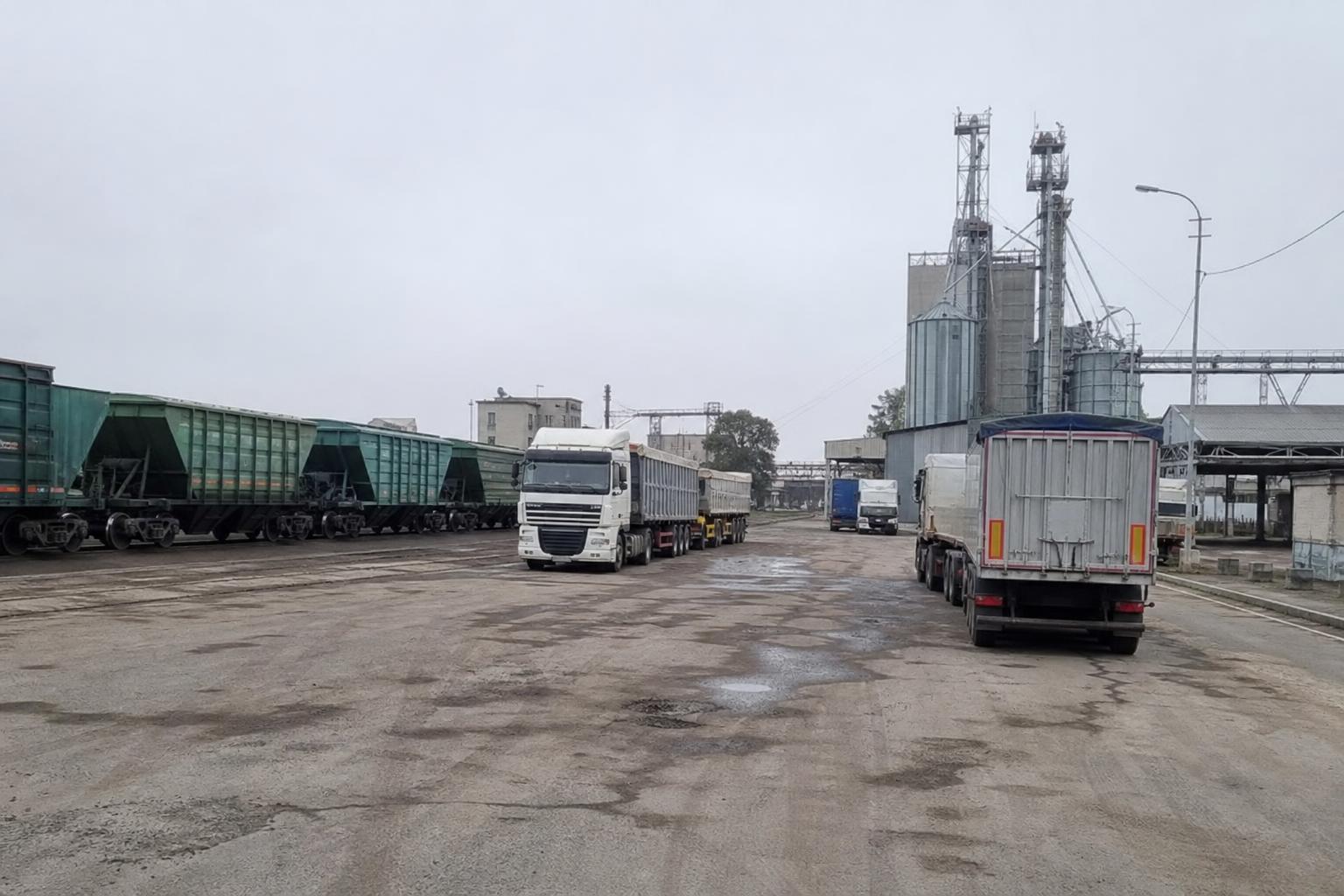
Due to risks in Black Sea ports, the Danube's low water levels, and increased border congestion, Ukrainian agri-export increasingly relies on rail, road, and transit through Poland and Romania. For grain sellers, this means considering not only elevator prices but also accessible routes.
Logistical restrictions on grain and oilseed exports may alter farmers' behavior in the pesticide market: farms are more carefully planning cash flow, procurement timelines, and prioritizing herbicides, fungicides, and insecticides.
Before autumn field works, the key factor in the fertilizer market is not a new price wave but farmers' ability to finance purchases and delivery on time. Logistics constraints and export revenue risks compel buyers to plan their nitrogen, NPK, and other agrochemical needs more precisely.
Due to risks in maritime export, Ukrainian grain sellers are increasingly focusing on the western border, Danube, and Polish transit. This affects new crop corn forward prices and raises storage and shipment issues for elevators.
In early August, Ukraine's vehicle-based export of agricultural products increased by 11.3% to 59.6 thousand tons, but overall agricultural exports sharply declined due to weaker bulk flows. Sellers and buyers need to plan routes, shipments, and contract deadlines more carefully.
Enter your email and we will send a password reset link.
Don't have an account?
Help improve AgroPost?
With your consent, Google Analytics measures navigation and listing steps. The service does not start without consent. The site works without it.
What we collect and how to change your choice
We send category, language, step number and whether an error or save occurred, not entered values, phone numbers, email addresses or listing text. Your choice is stored in this browser for up to 180 days. Advertising tracking stays disabled.
Use Analytics settings to change your choice. Withdrawing consent reloads the page to stop already loaded services: save any unfinished form first.