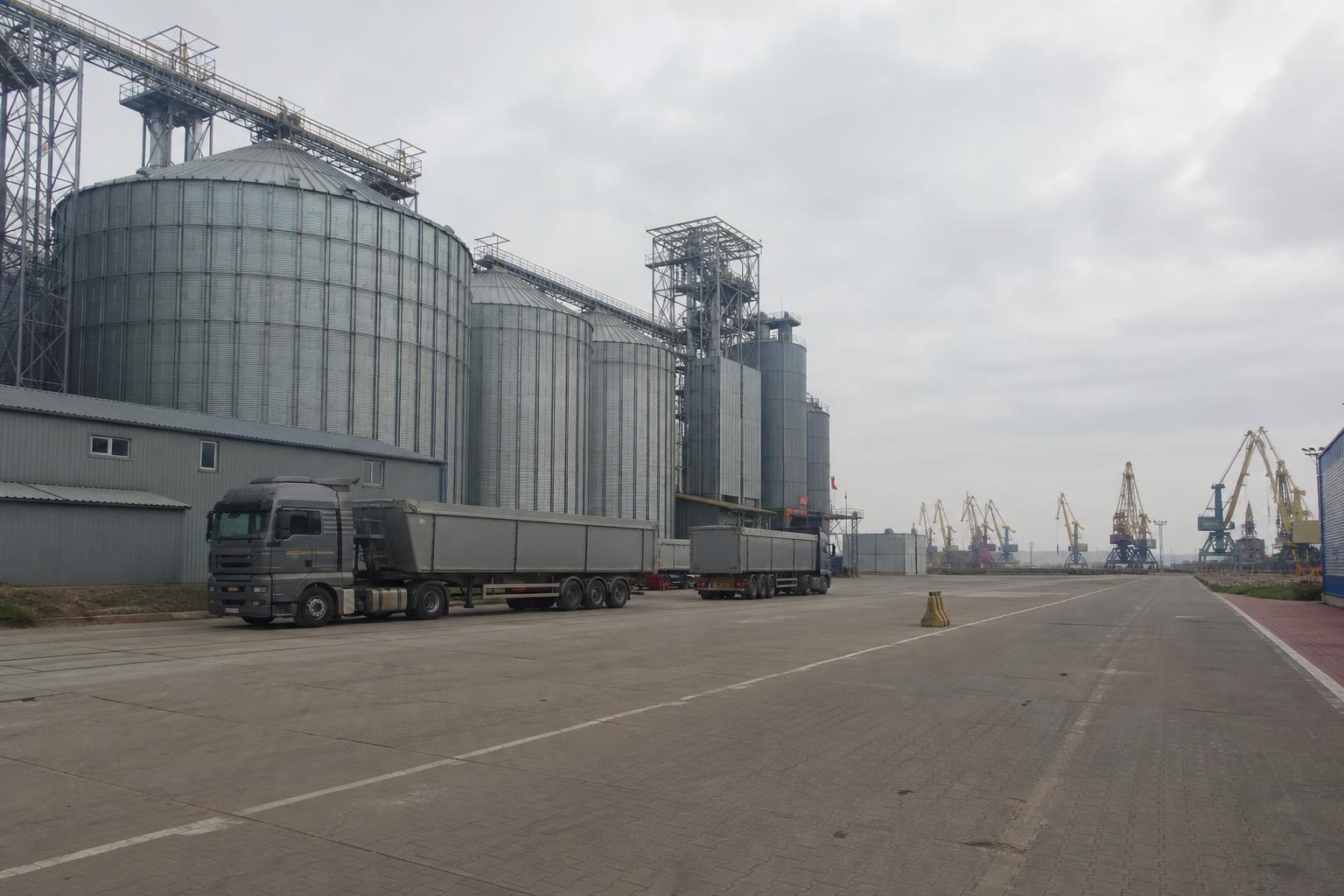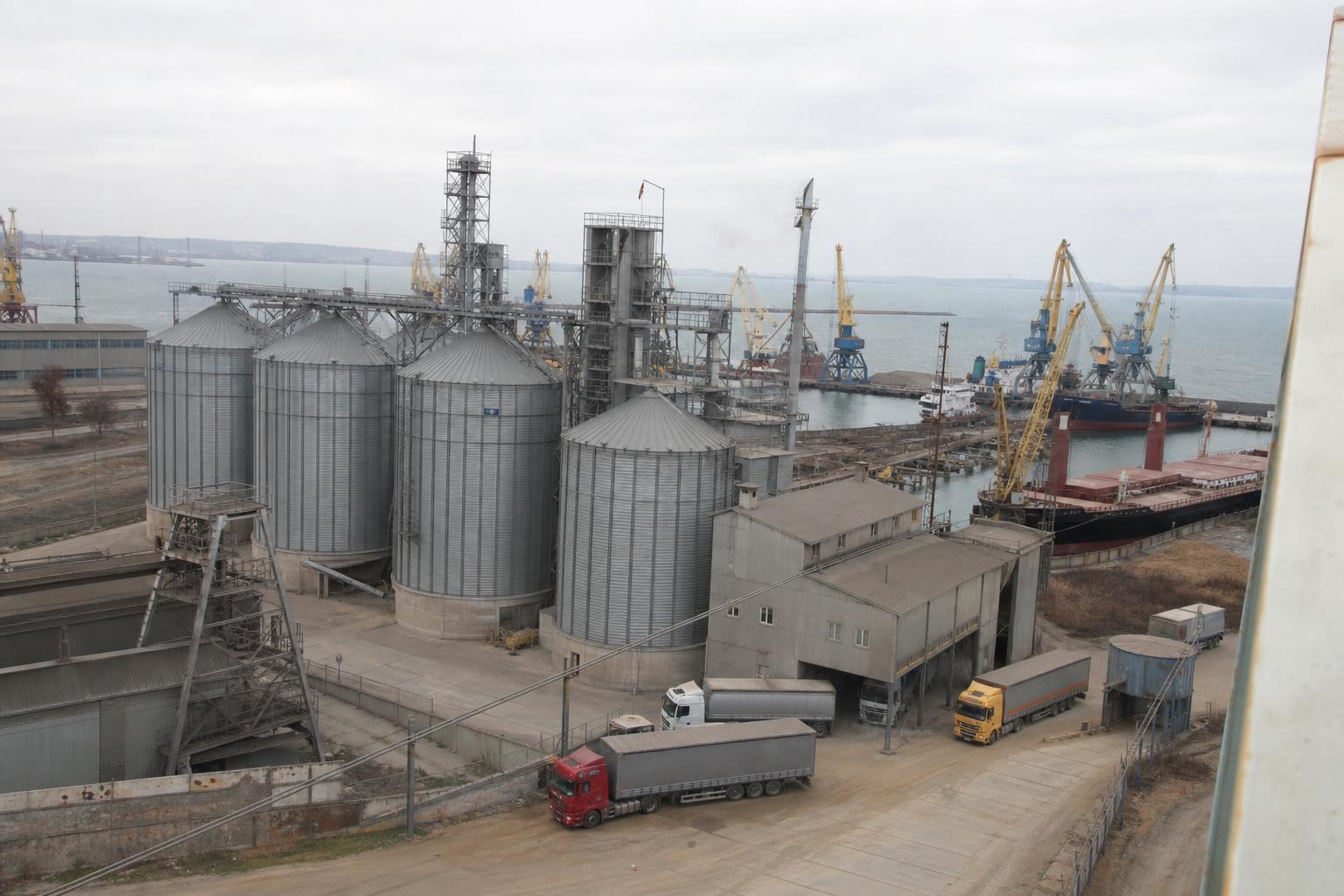
The Ukrainian grain market is entering a period where price depends not only on demand and harvest but also on port infrastructure availability. Amid damages in Chornomorsk, businesses should carefully plan routes, storage, and quality of batches.
The start of harvest has shifted logistics loads, and USDA's forecast for sunflower in Ukraine has become more cautious. For the crop protection market, this signals the need for careful planning of delivery times, herbicide and fungicide stocks, and sales conditions on AgroPost.
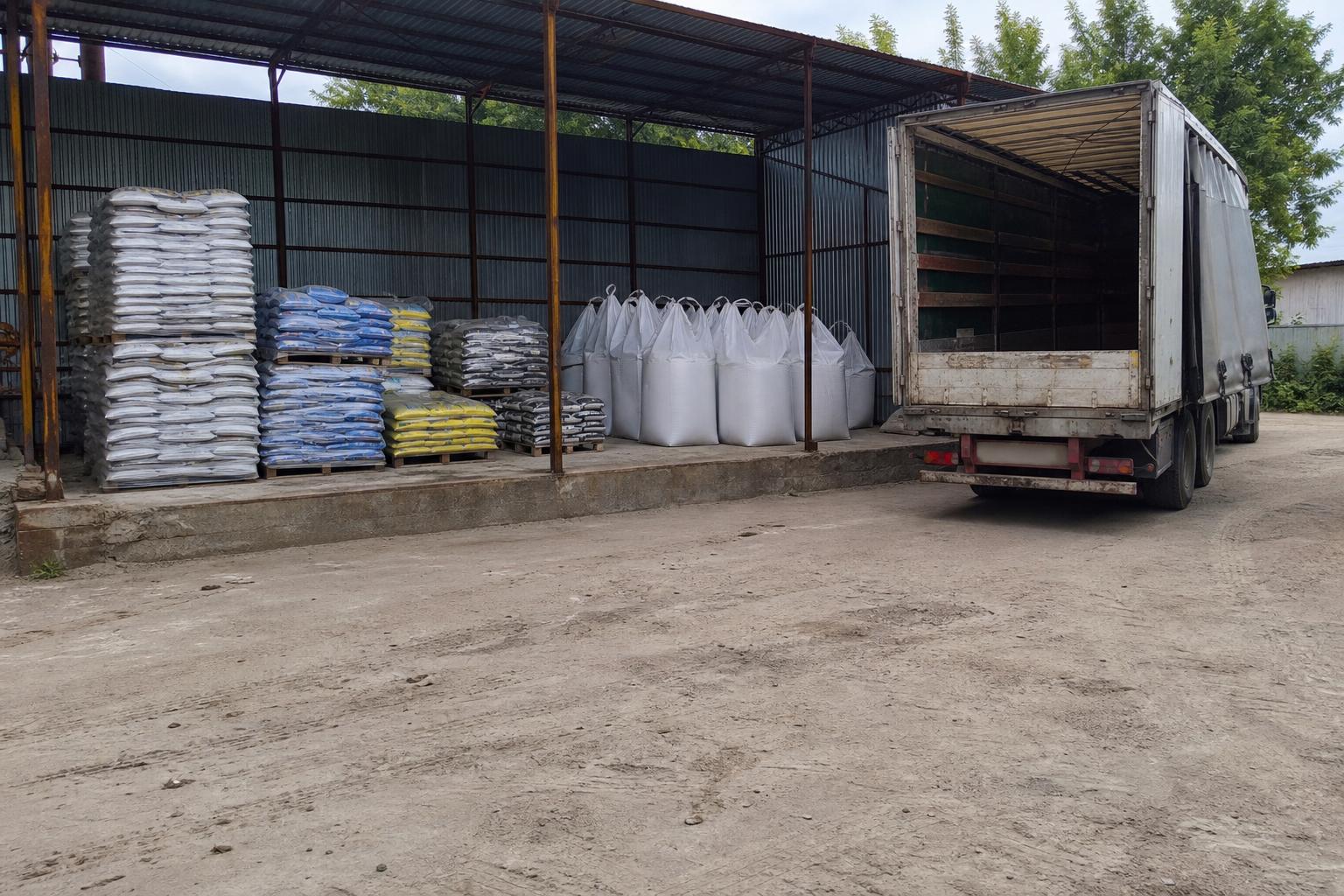
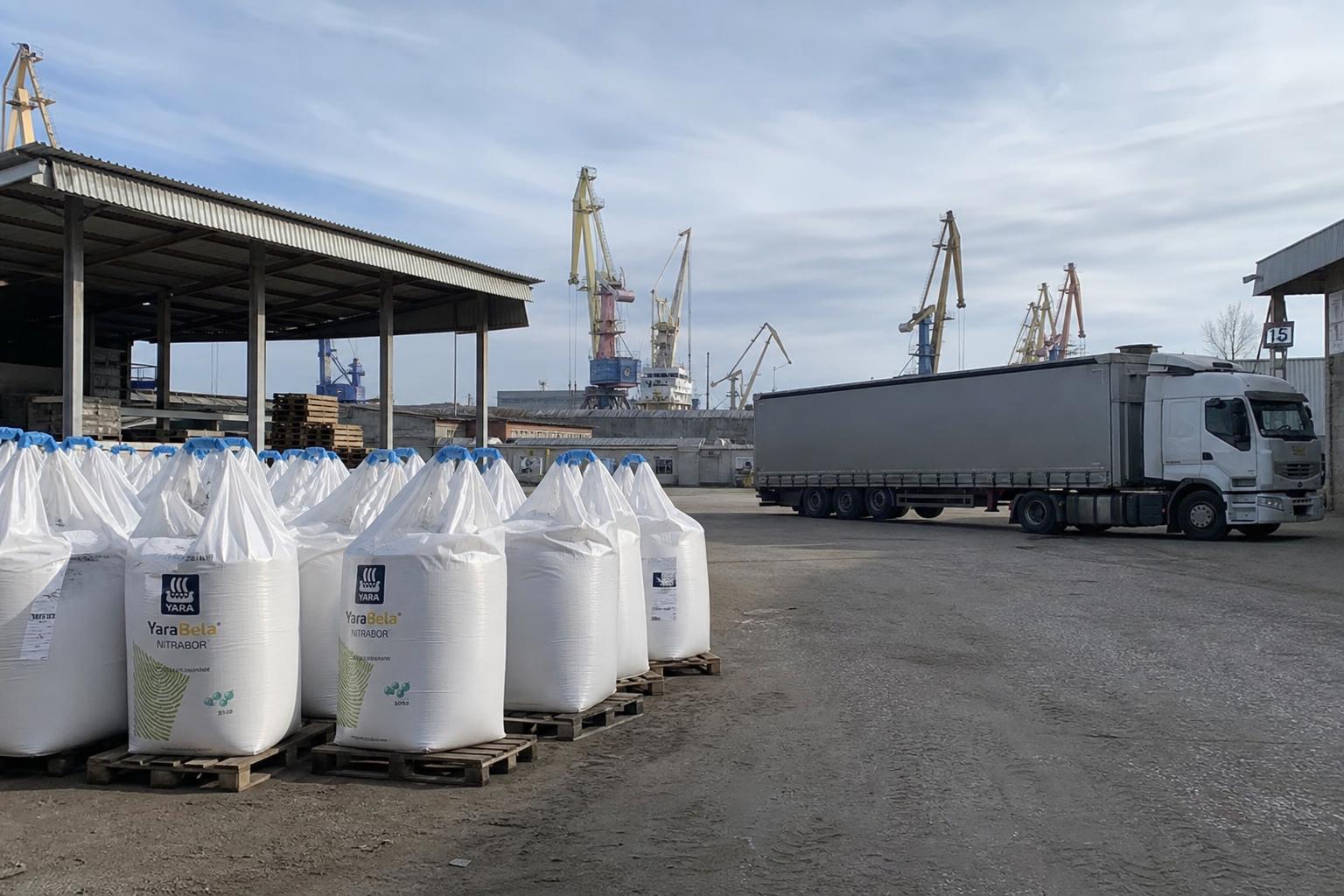
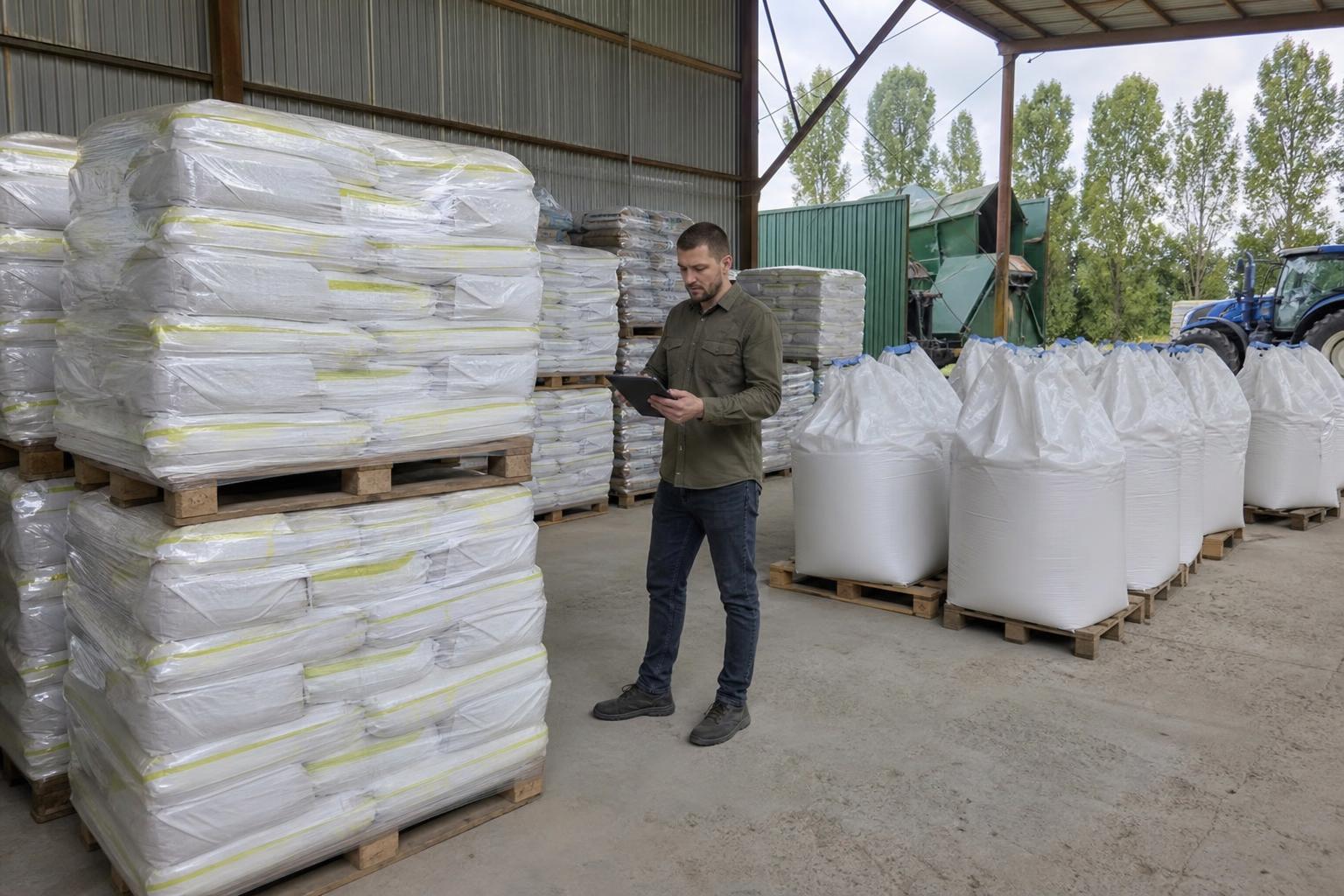
The Ukrainian fertilizer market is entering a preparatory phase for the autumn sowing, with no confirmed price benchmarks but a significant logistical signal: harvest has already increased demand for freight transport in the grain segment. Buyers and sellers need to coordinate shipments, storage, and delivery in advance.
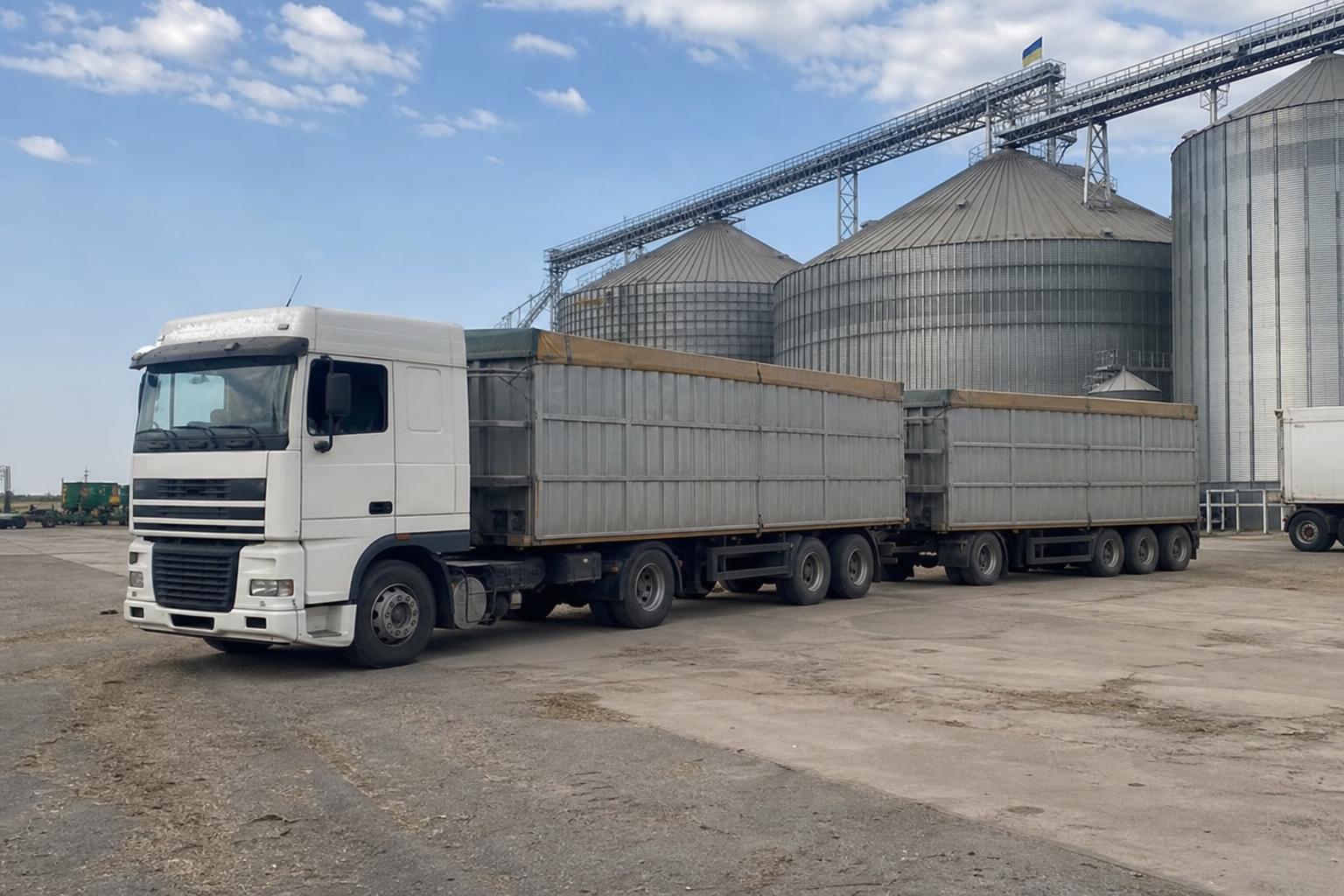
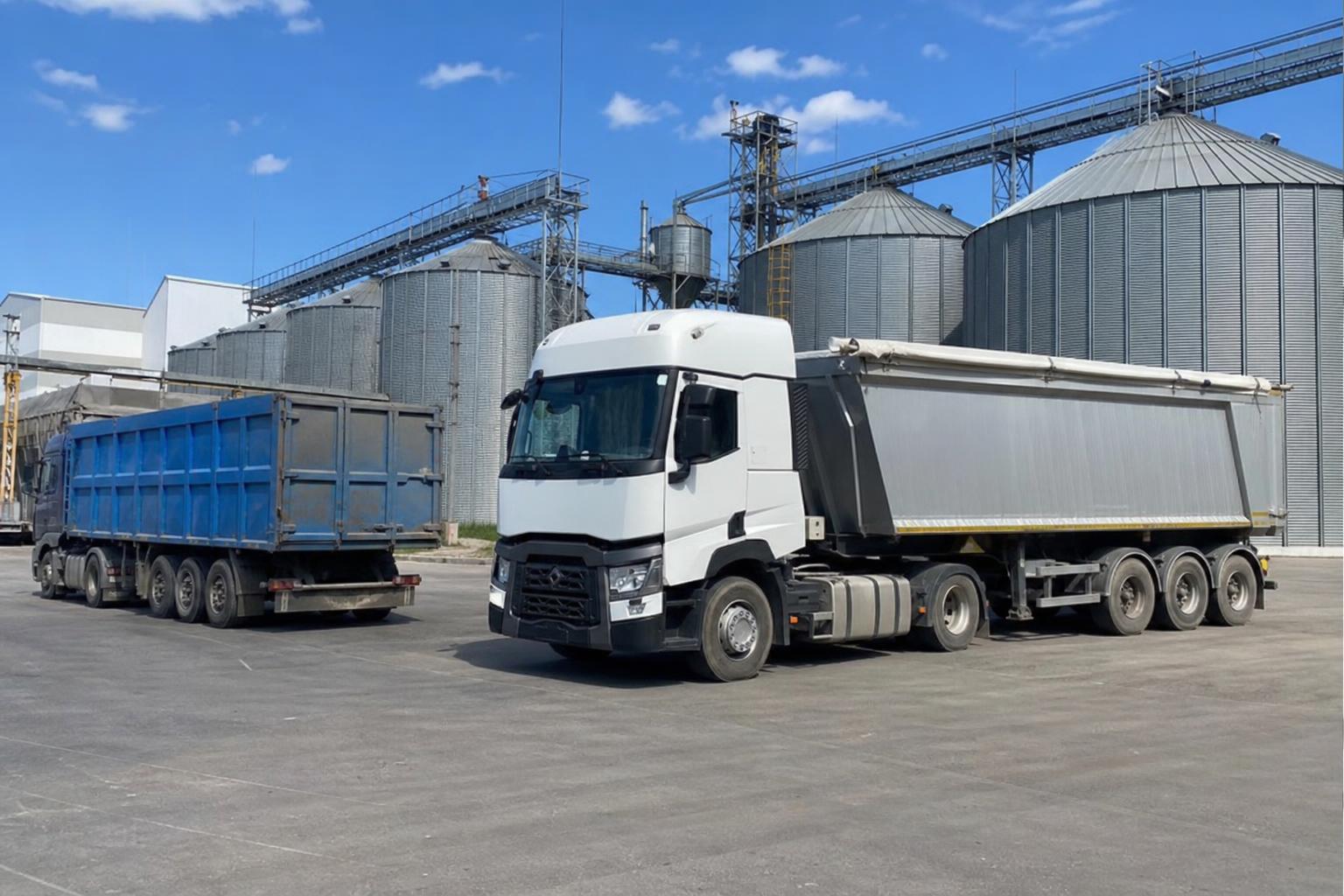
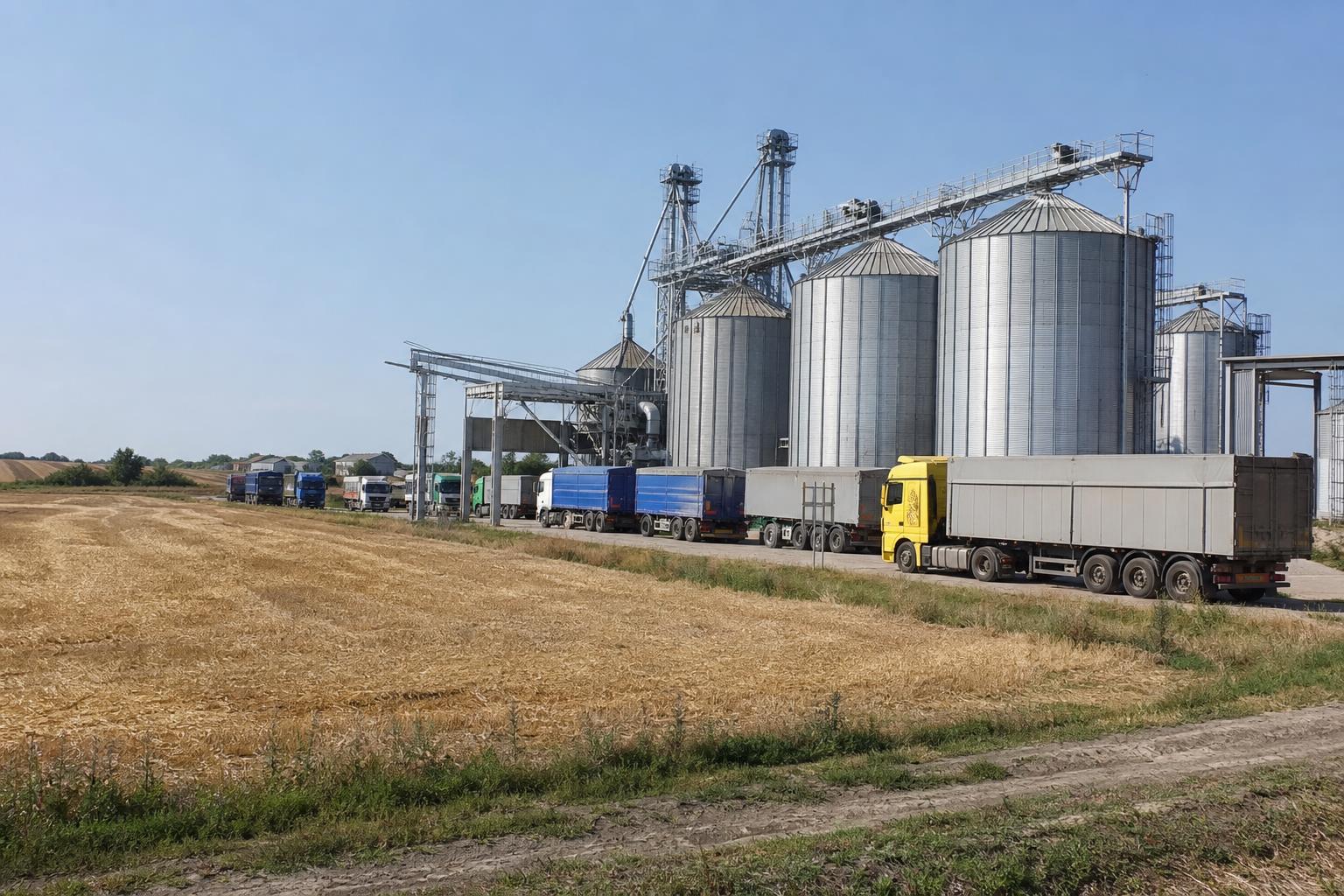
At the start of the harvest campaign, demand for road transportation of grain shifted toward short and medium routes to elevators. Rates on certain routes increased, while long-distance shipments remain less active.
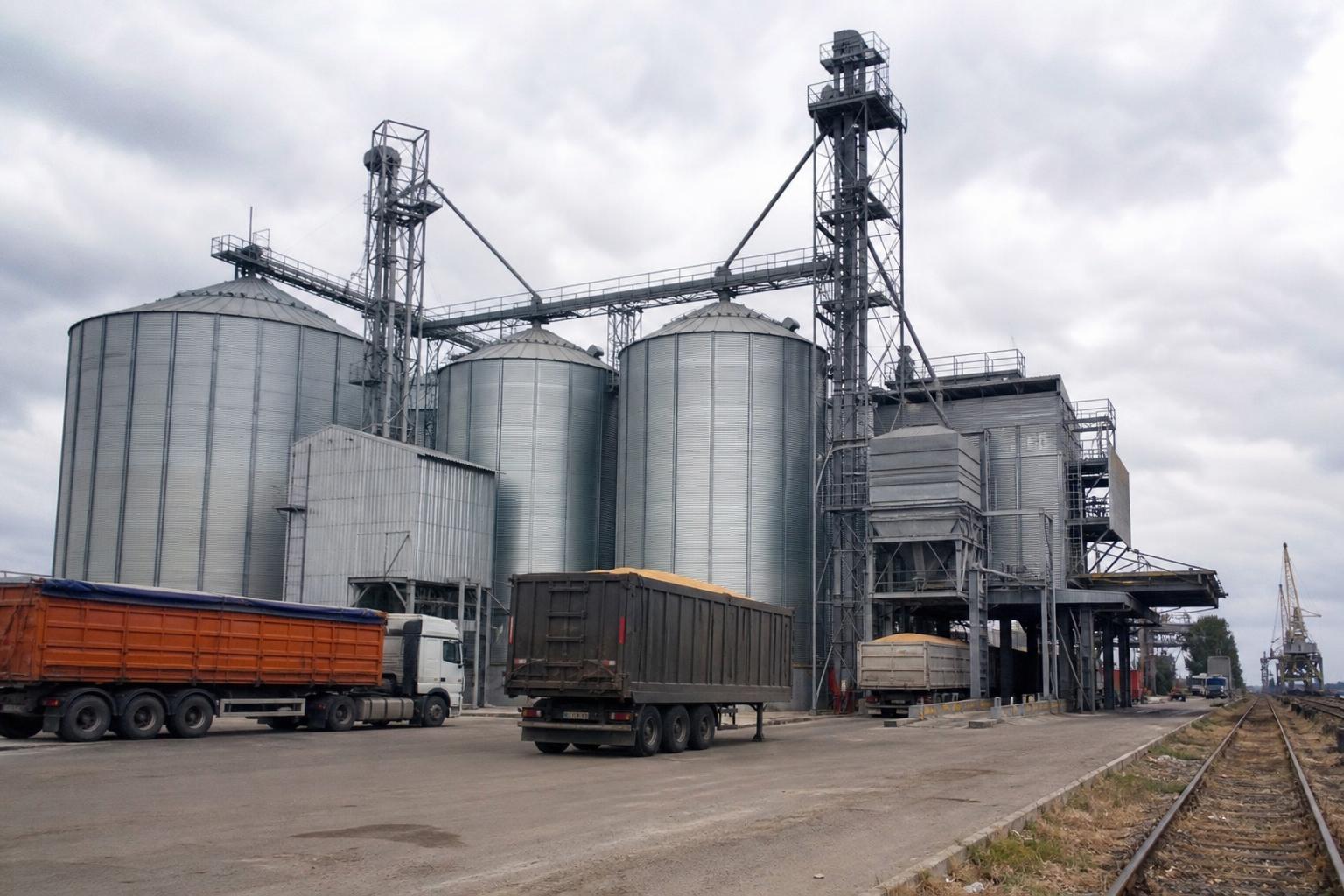
Ukrainian agricultural logistics enters mid-season facing three key challenges: port security, waterway demining readiness, and elevator automation needs. For sellers and buyers on AgroPost, this means careful planning of shipment schedules, route verification, and operational risk buffers.
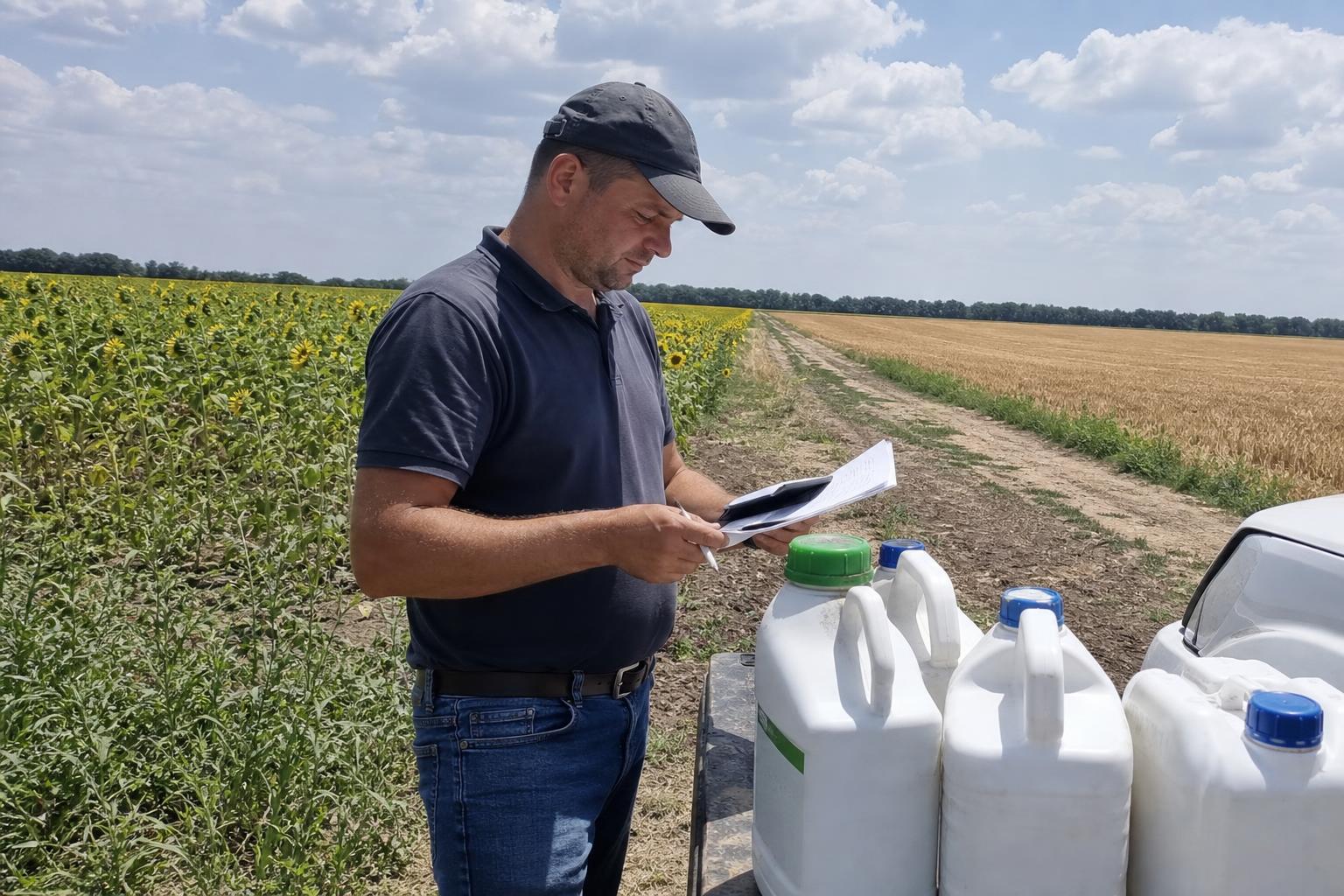
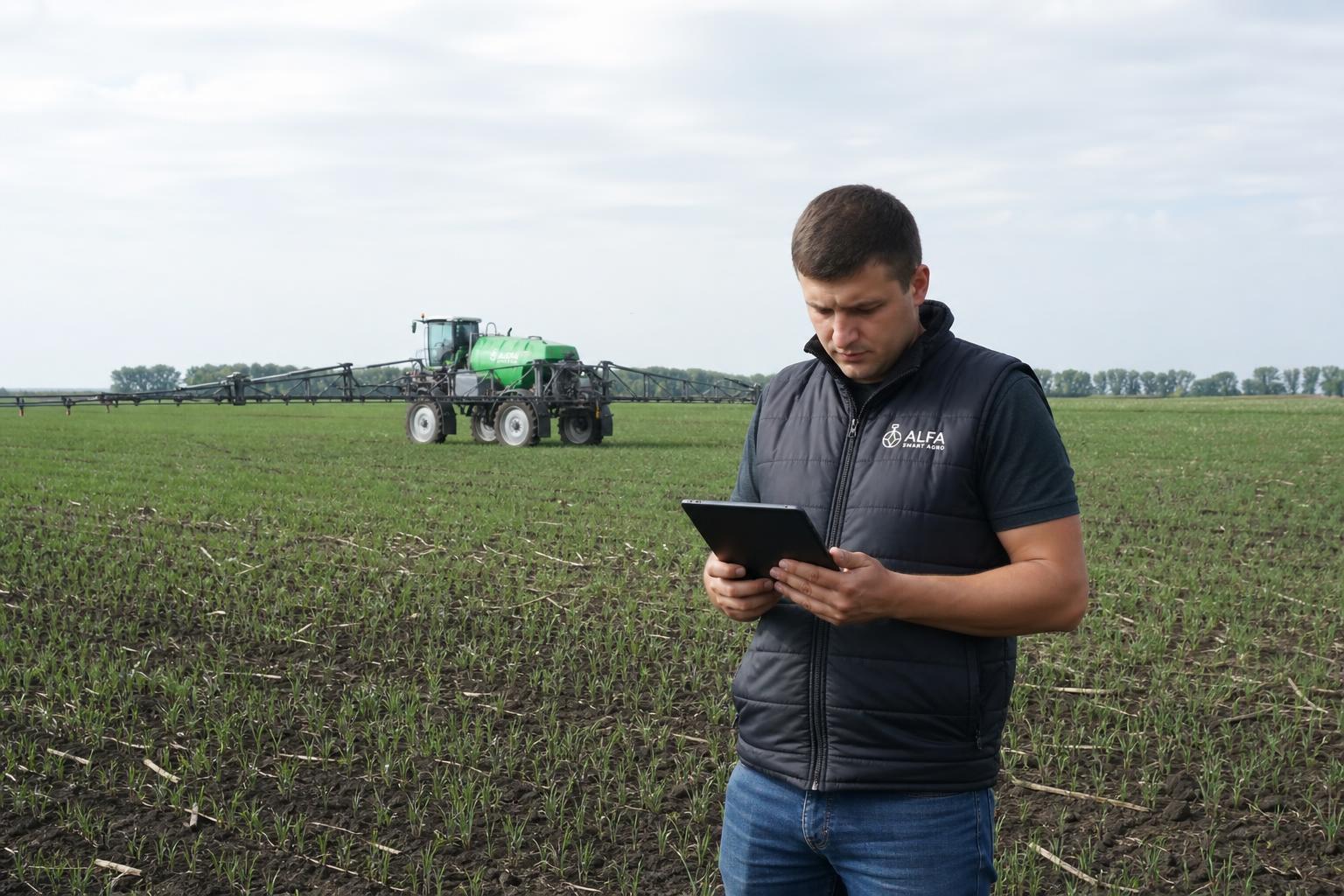
For the crop protection market, key factors remain not only price and availability but also safe access to fields, stable logistics, and early procurement planning.
The attack on a civilian vessel with mineral fertilizers in the Odesa port is not a price indicator by itself but reminds buyers and sellers of the vulnerability of maritime logistics. For agribusiness, the key now is to carefully plan delivery schedules, verify contract terms, and avoid postponing critical purchases before peak application periods.
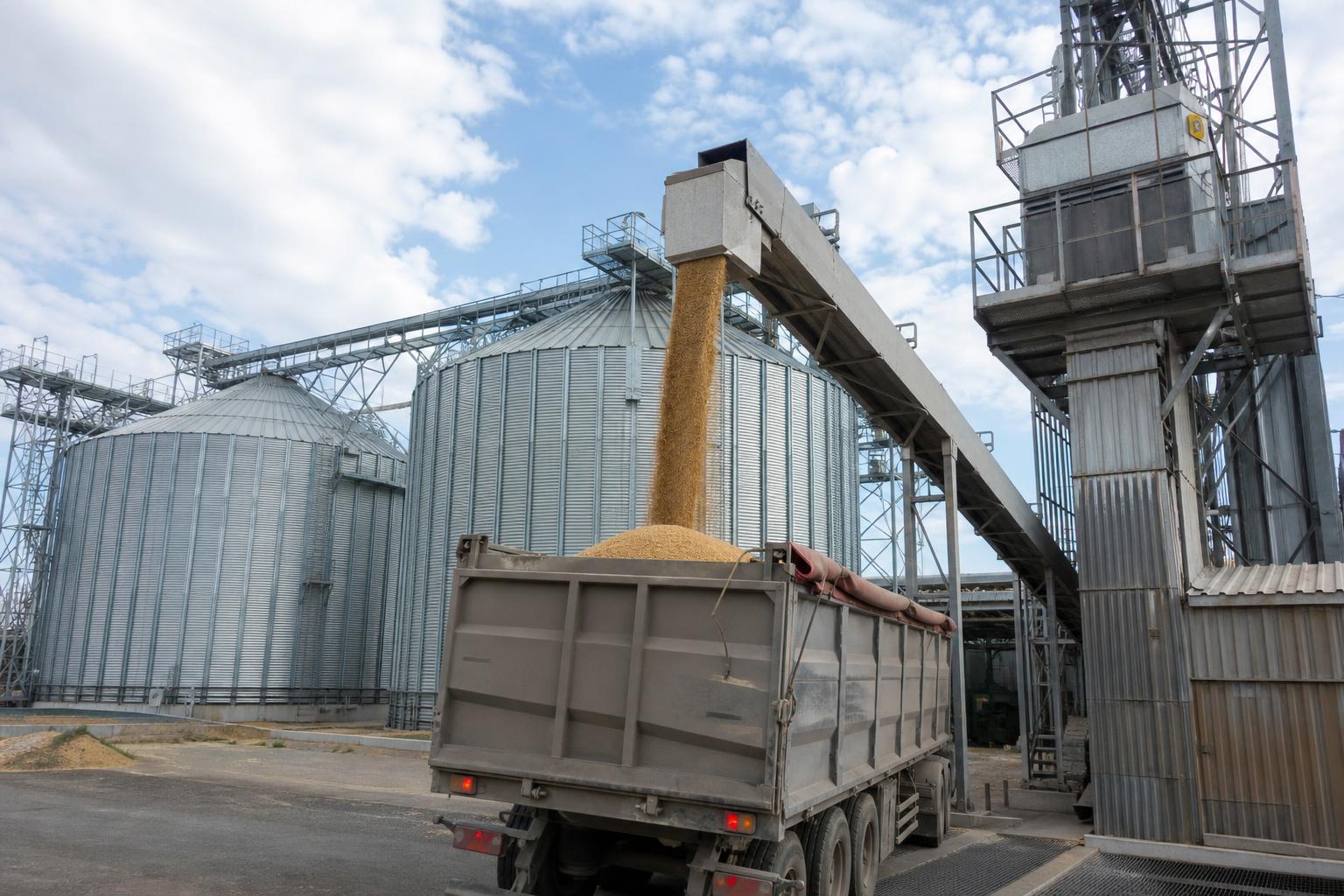
Following another attack on Odesa region port infrastructure, logistical risks are back in focus for grain sellers. The elevator sector seeks efficiency reserves through automation, digital record-keeping, and reducing manual labor dependency.
In the start of the 2026/27 marketing year, Ukrainian wheat logistics faces increased uncertainty: key importers may reduce purchases, and carry-over stocks remain higher than last year. This requires sellers and carriers to plan routes, shipment timing, and delivery conditions more flexibly.
Ukrainian farmers should plan their herbicide, fungicide, and seed treatment purchases considering a more cautious wheat price environment at the start of the new season. For suppliers, this signals the need to focus on clear product offerings, availability, and flexible batch sizes tailored to farm needs.
Ukrainian farmers plan fertilizer purchases amid potential price pressure on wheat at the start of the new season. For sellers of nitrogen and complex fertilizers, this means increased competition; for farms — more careful budgeting, logistics, and payment conditions.
At the start of the new season, Ukraine's wheat market enters with higher carry-over stocks and a risk of weaker demand from Egypt, Algeria, and Indonesia. For sellers, this means more careful planning of sales, batch quality, and logistics through elevators.
Enter your email and we will send a password reset link.
Don't have an account?
Help improve AgroPost?
With your consent, Google Analytics measures navigation and listing steps. The service does not start without consent. The site works without it.
What we collect and how to change your choice
We send category, language, step number and whether an error or save occurred, not entered values, phone numbers, email addresses or listing text. Your choice is stored in this browser for up to 180 days. Advertising tracking stays disabled.
Use Analytics settings to change your choice. Withdrawing consent reloads the page to stop already loaded services: save any unfinished form first.