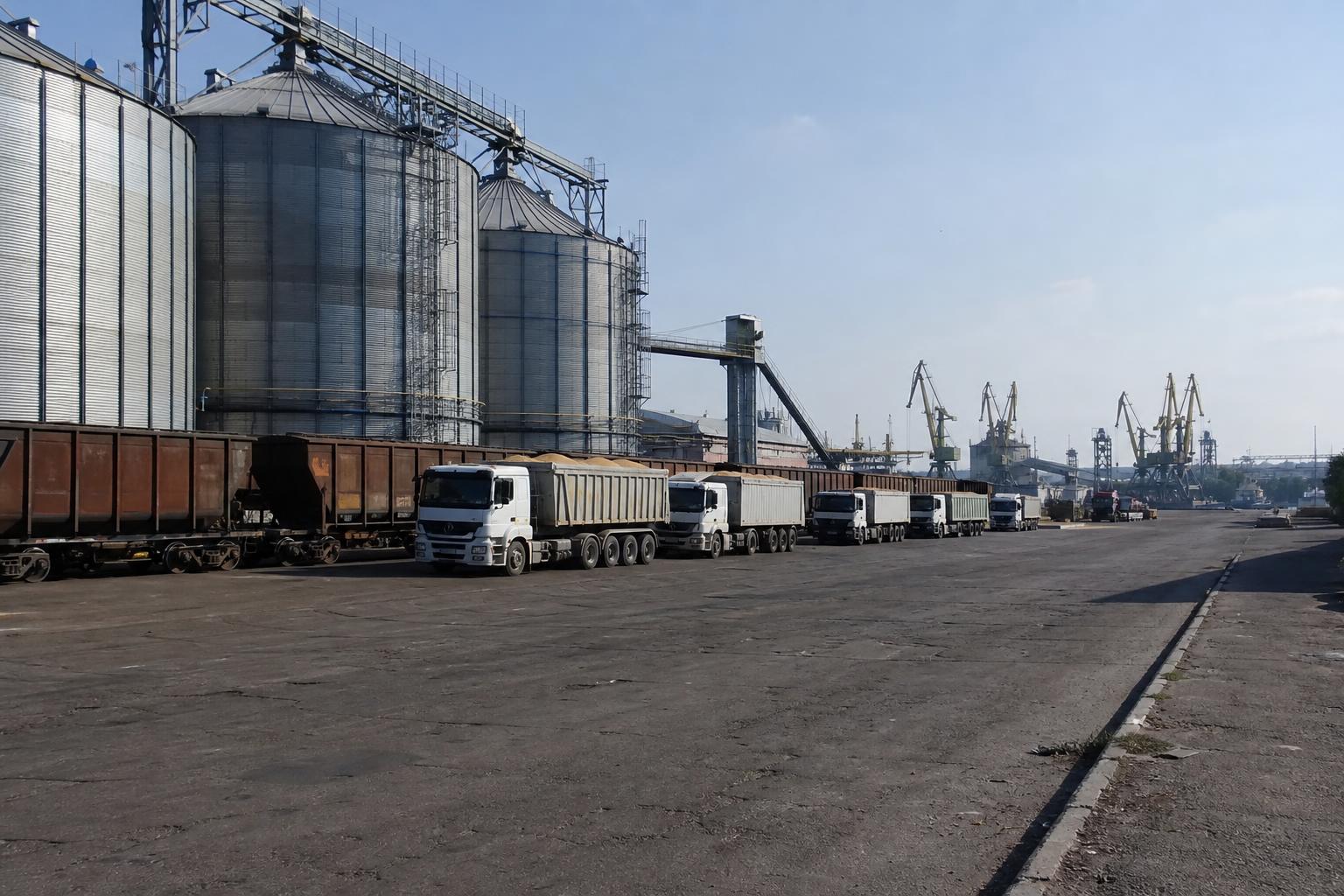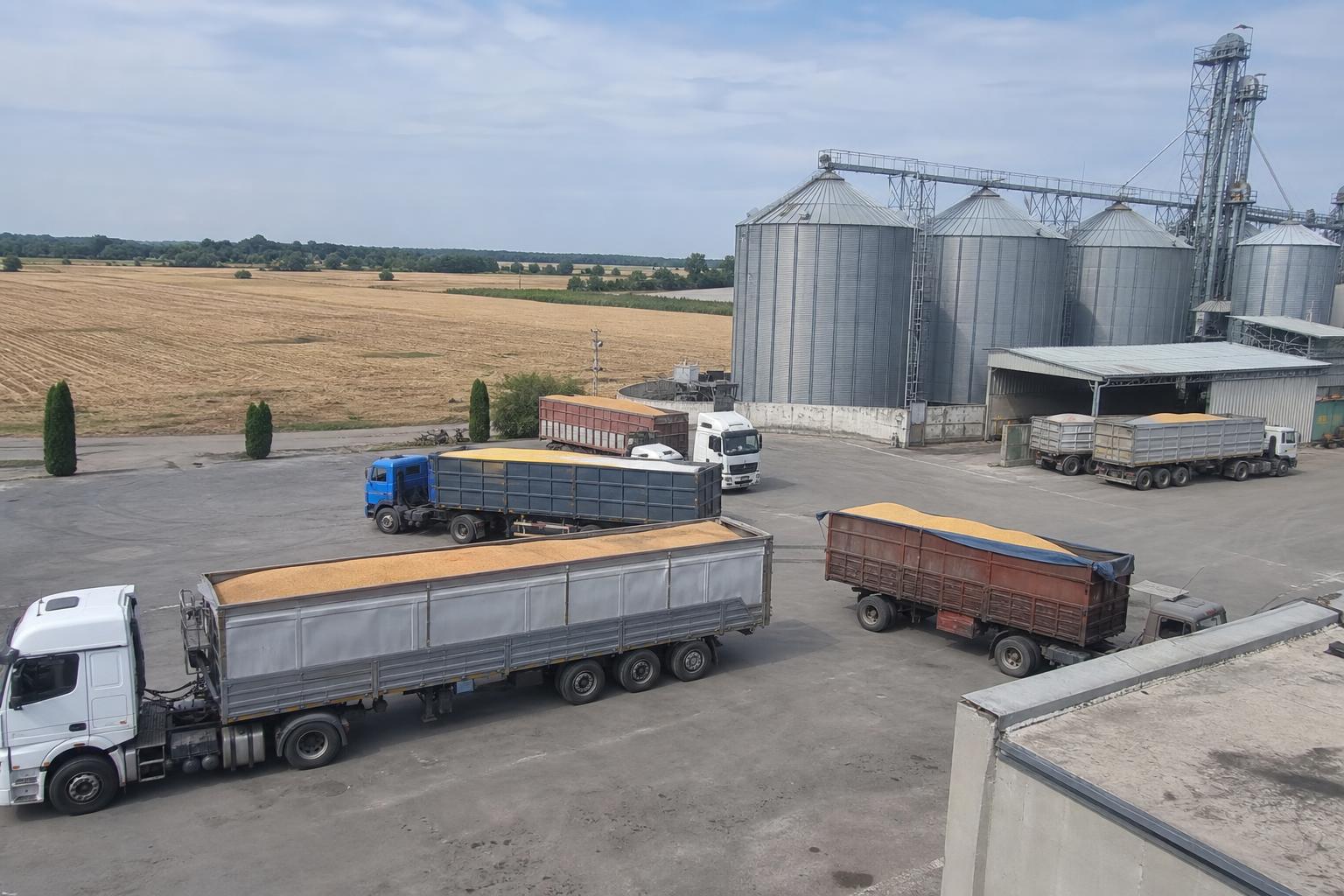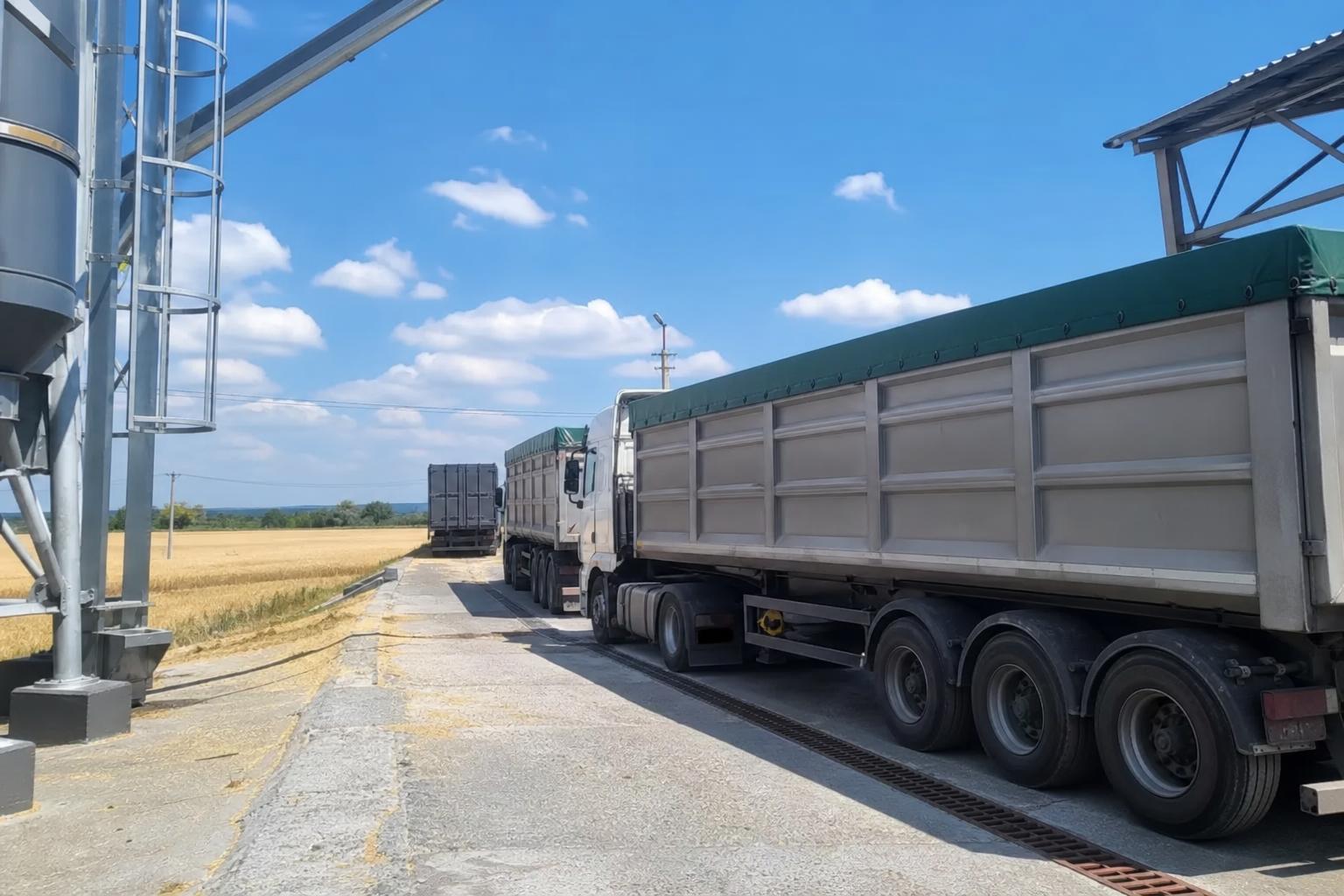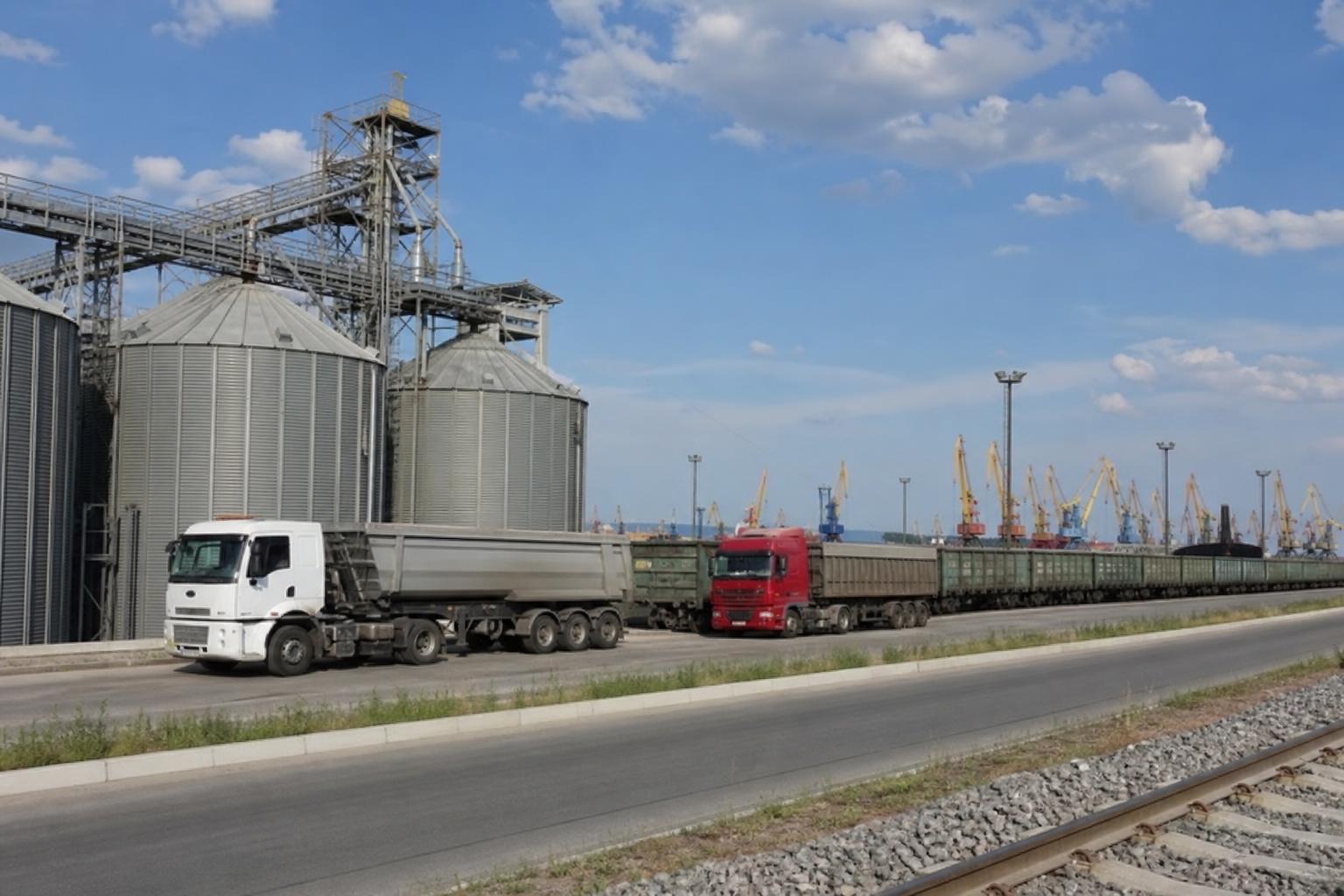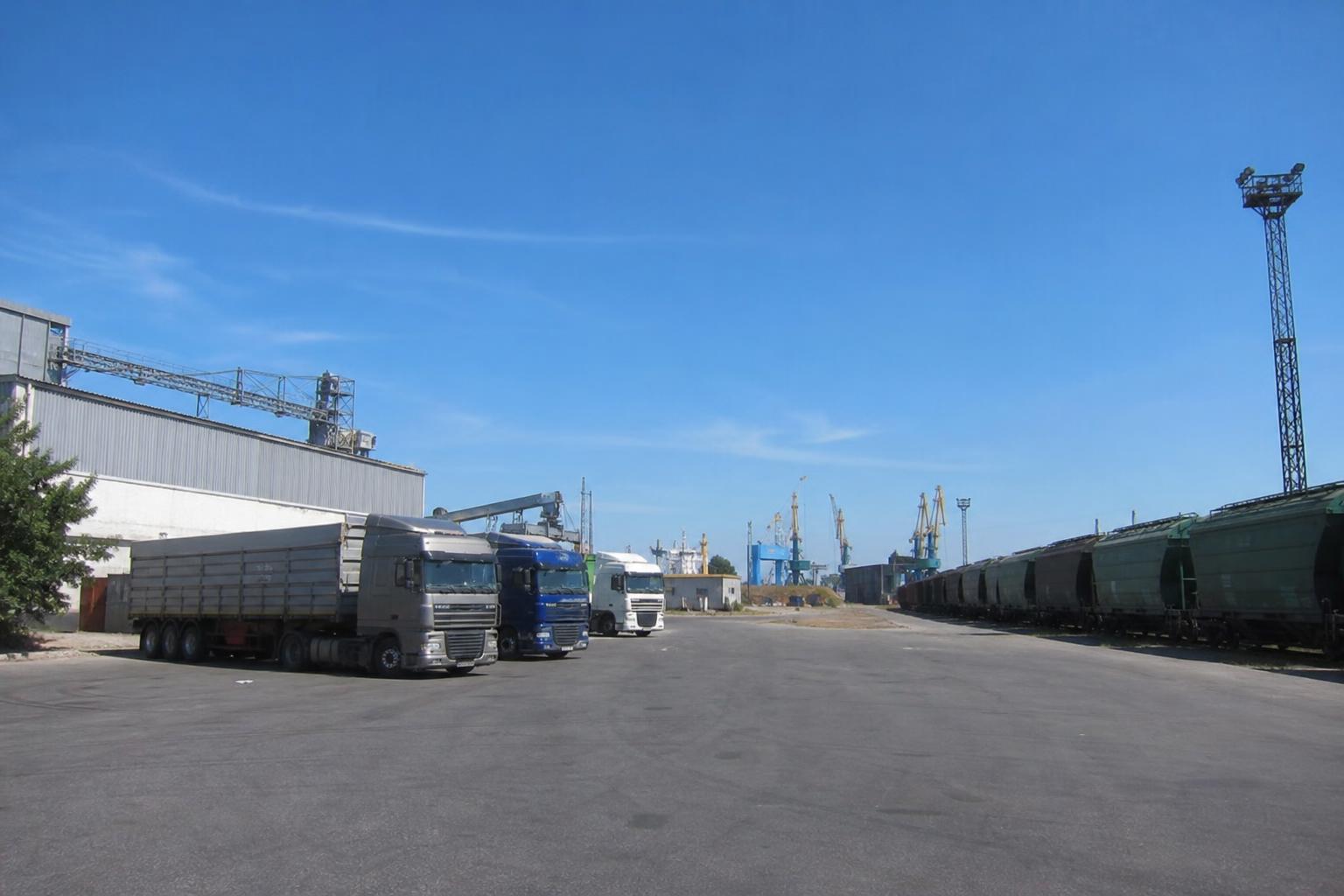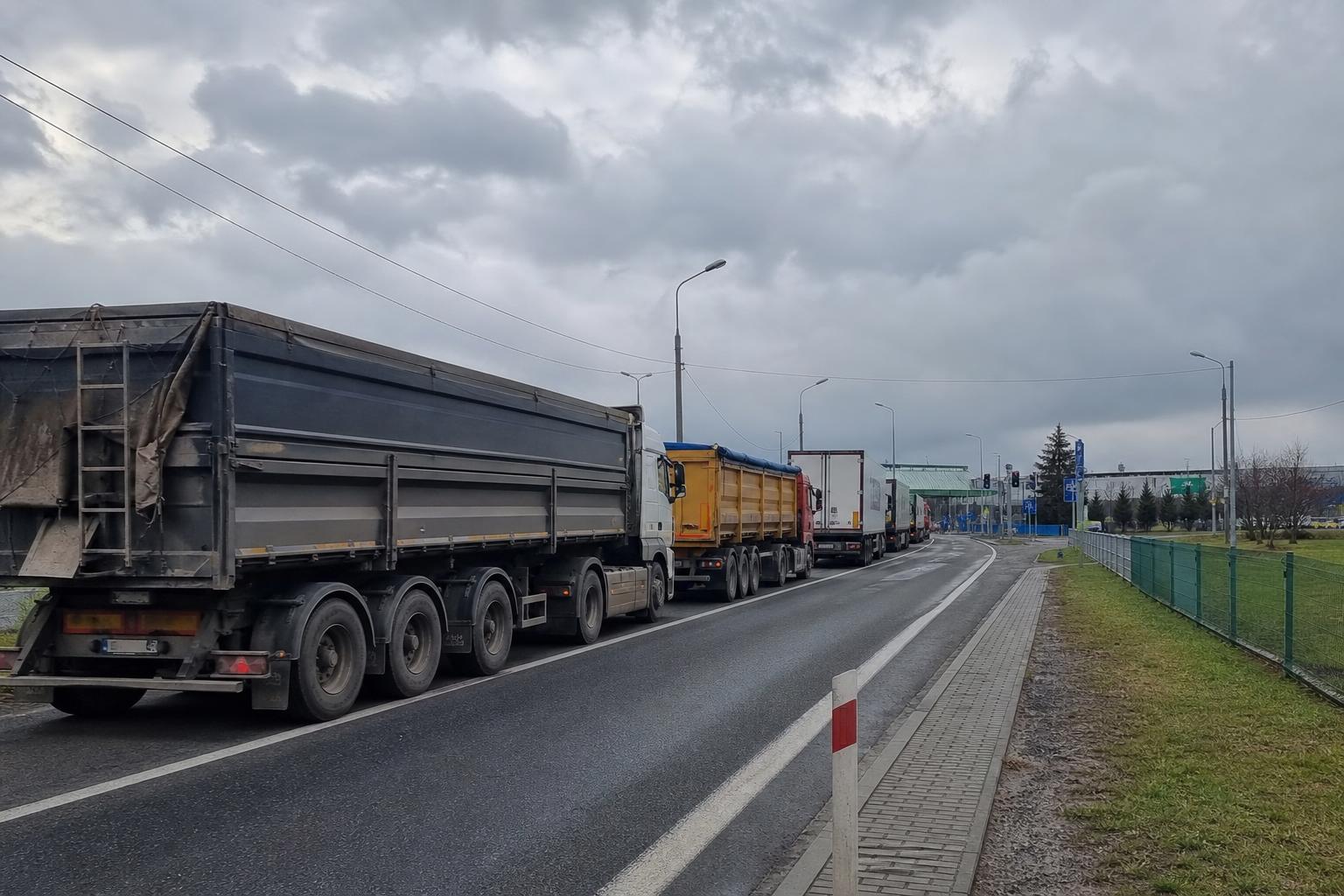
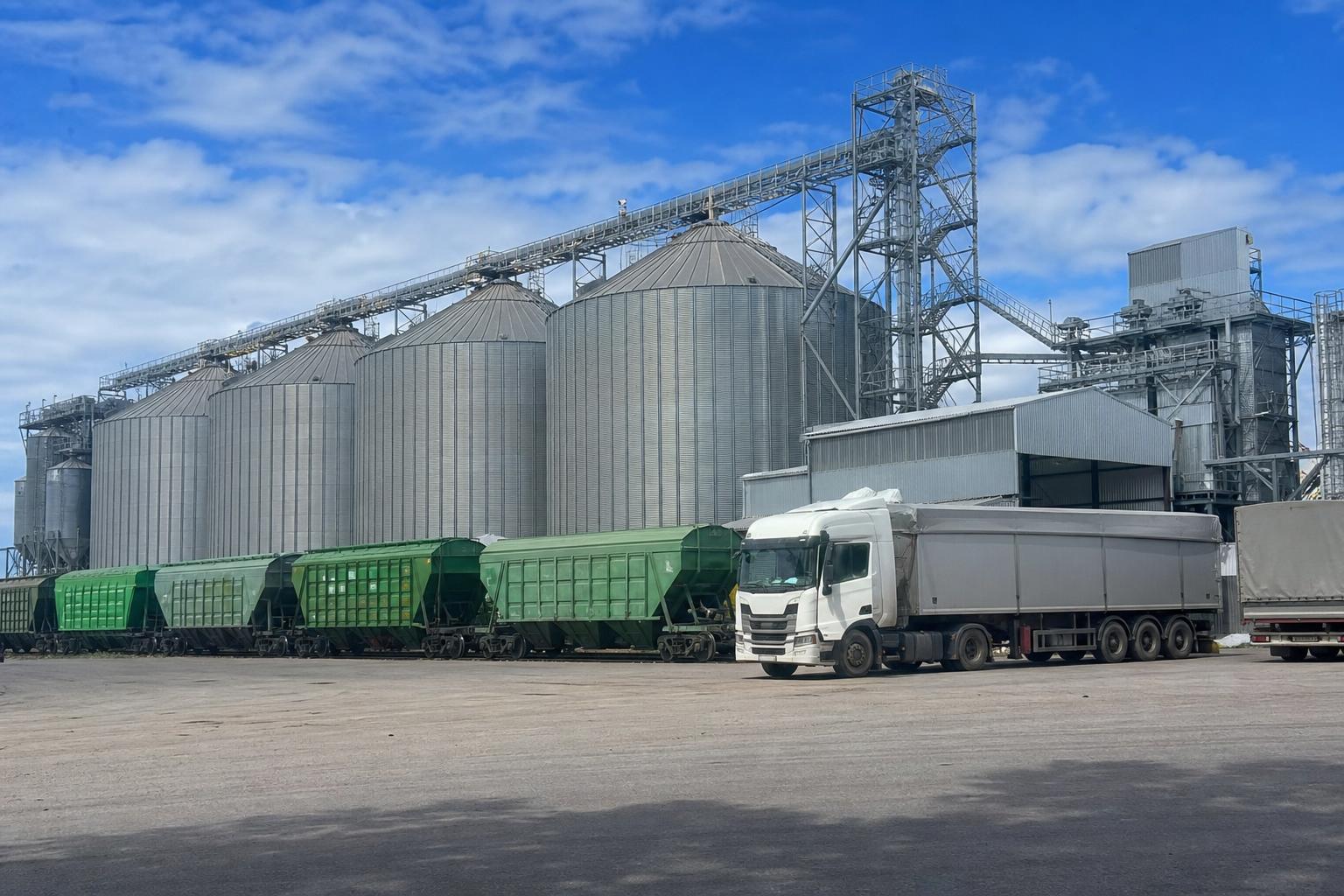
As of July 22, 2026, Ukraine has exported nearly 2.1 million tons of grains and legumes. The main load on logistics comes from corn and wheat, while flour exports lag behind.
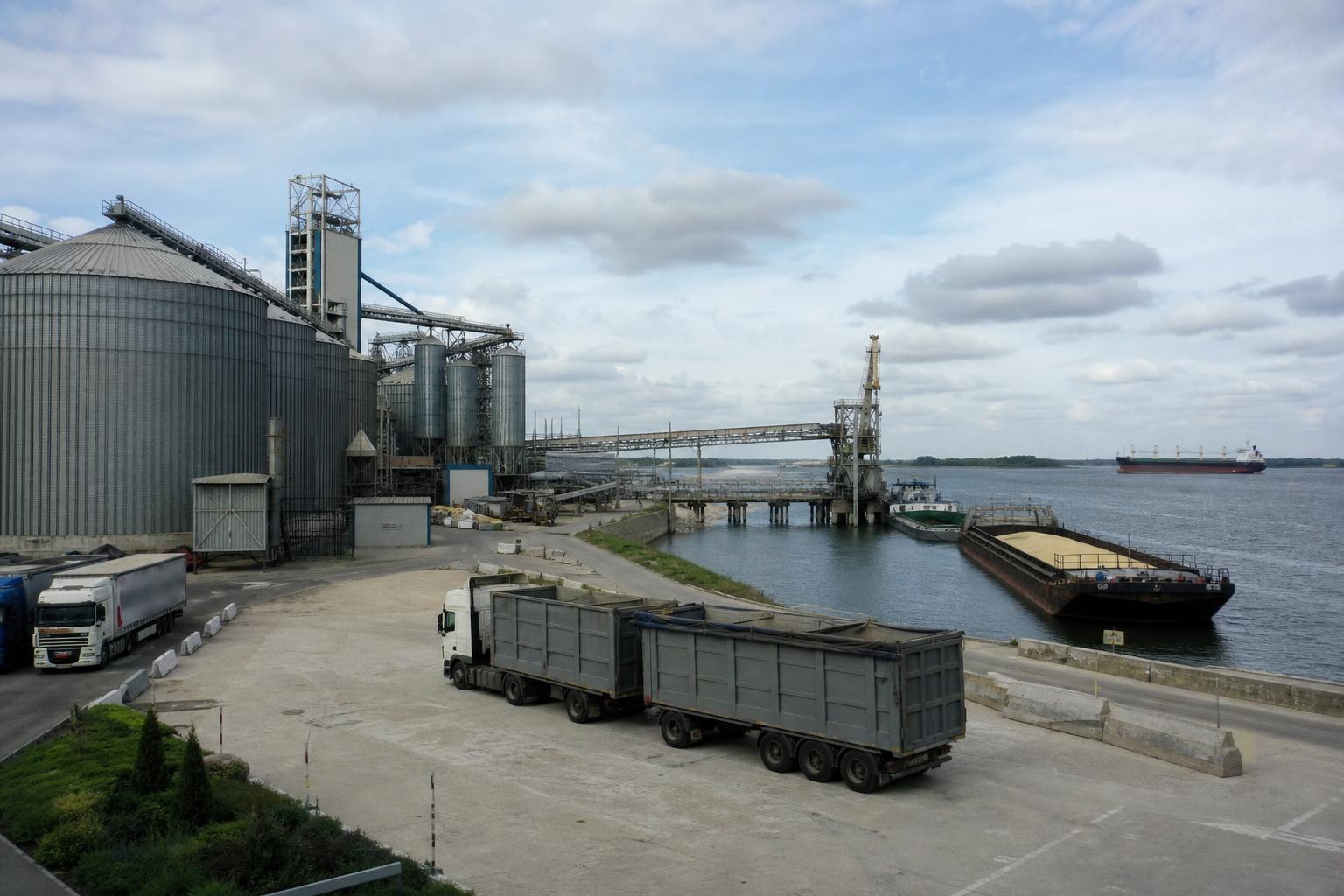
In the first half of 2026, Ukrainian seaports processed 23.6 million tons of agricultural products, a 20% increase year-over-year. Security risks in the Black Sea are prompting a shift towards alternative routes, notably Danube river transport.
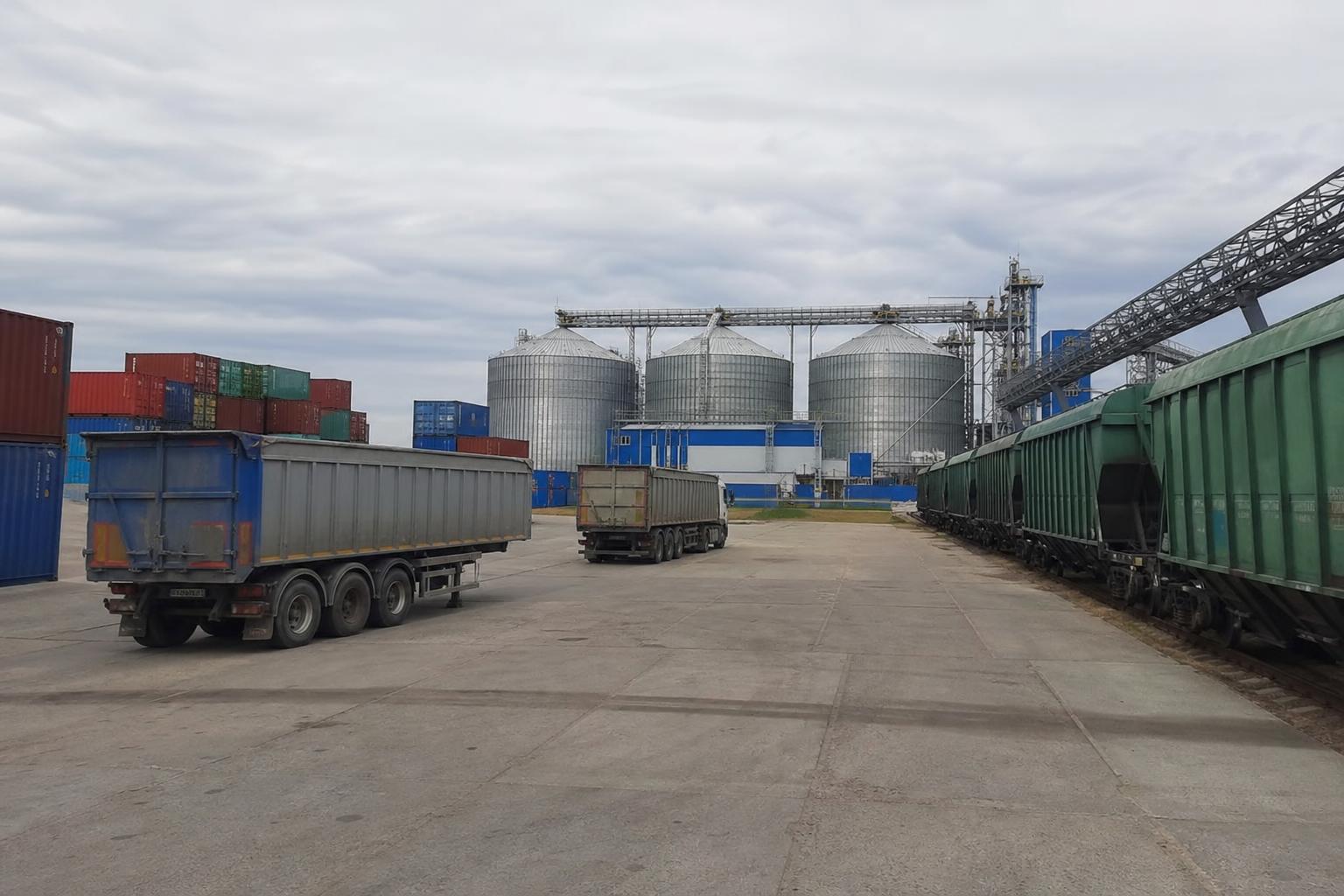
Due to deteriorating security in the Black Sea, shipowners are more cautious about voyages to Ukrainian ports, while traders review CPT-based procurement. The role of dry ports, container solutions, and Western rail crossings is increasing.
In the start of the 2026/27 marketing year, Ukrainian wheat logistics faces increased uncertainty: key importers may reduce purchases, and carry-over stocks remain higher than last year. This requires sellers and carriers to plan routes, shipment timing, and delivery conditions more flexibly.
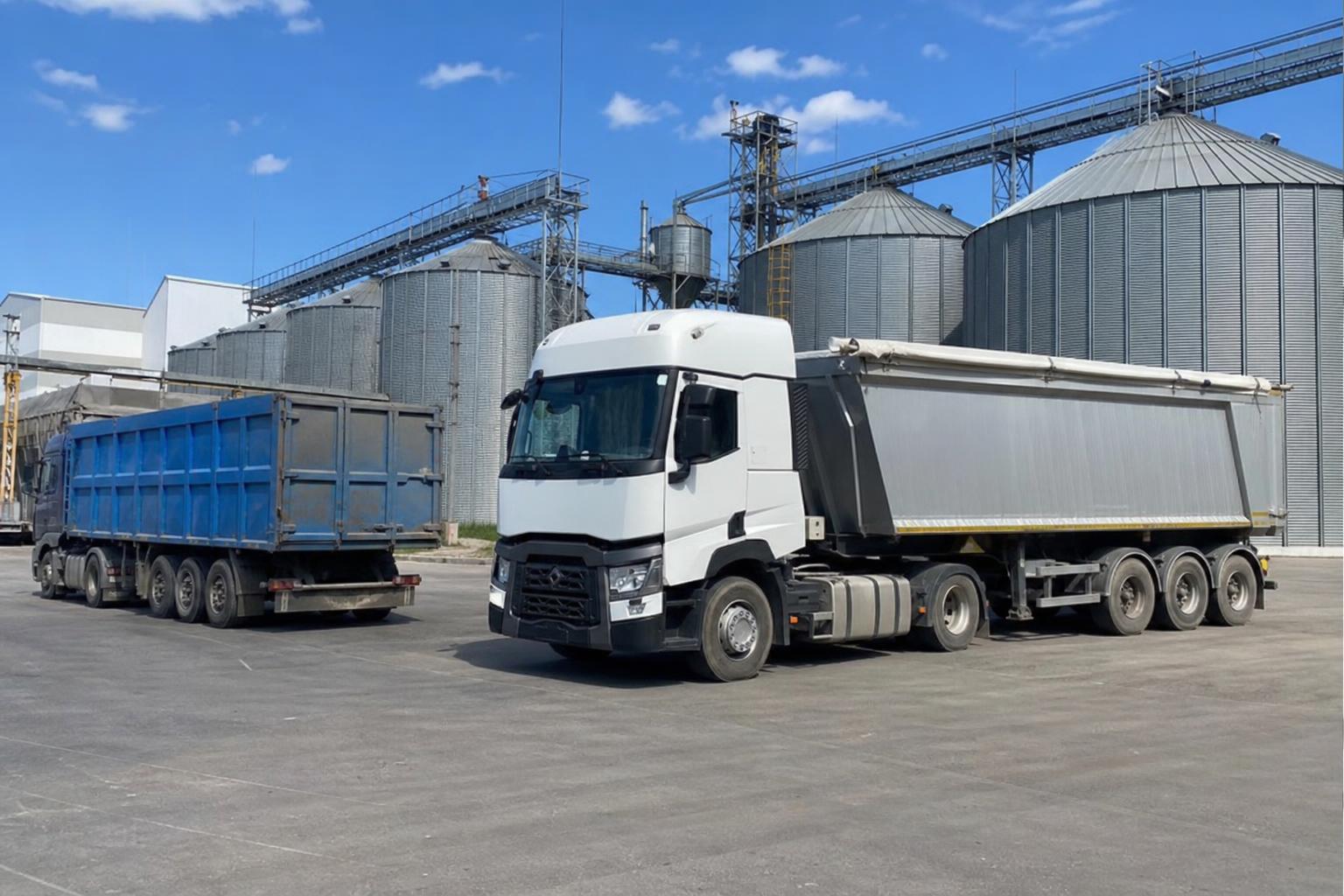
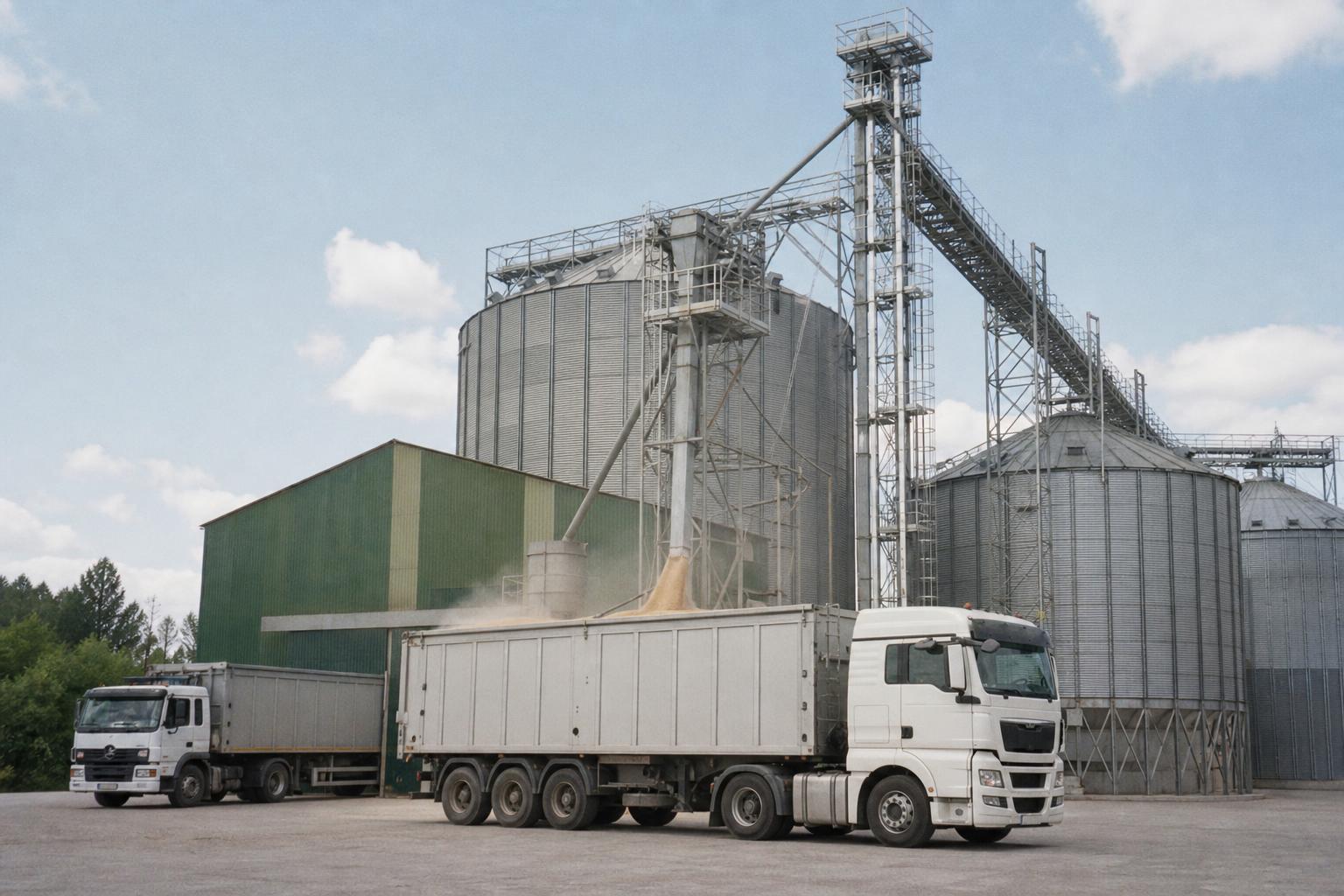
The grain storage and transportation market shows a practical trend: companies seek alternative elevators after losing or becoming inaccessible to part of the infrastructure. For grain sellers, this means the need to book acceptance in advance, check tariffs, and calculate delivery times.
The Ukrainian agrarian market is entering an active transportation period with various logistical signals: some exporters are increasing shipments, frontline areas require separate loss accounting, and new bio-methane projects in the west may generate additional demand for local raw materials and fertilizer transportation.
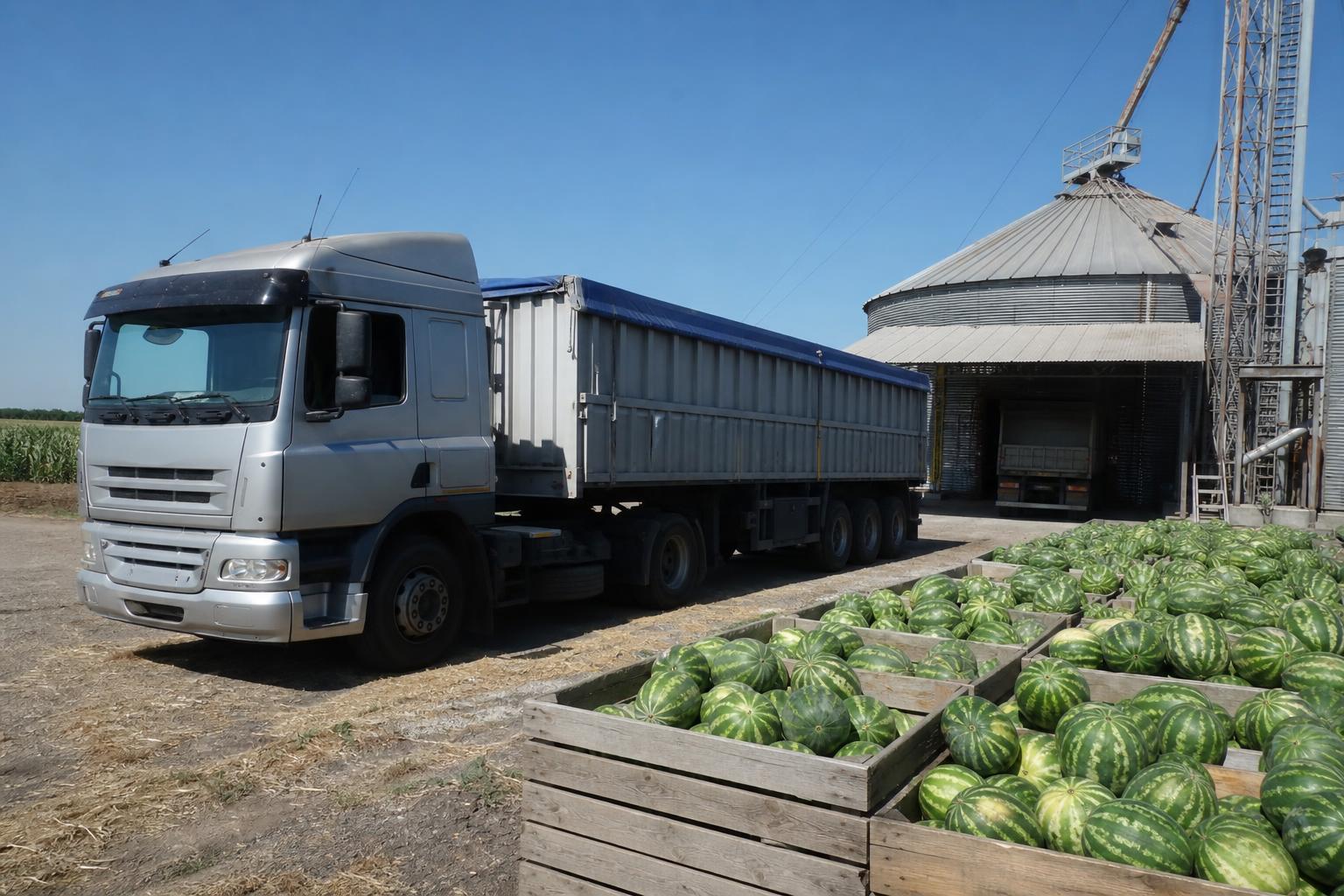
In early July, the transportation market receives several seasonal signals: local watermelons and melons appear in Odessa region, early crops harvesting begins in Ivano-Frankivsk, and grain export logistics remain sensitive to route and contractor checks.
In June 2026, Ukraine's agro-export decreased to 4.79 million tons. Oilseeds and vegetable oils saw the largest drops, while grain shipments remained nearly unchanged. This indicates sustained demand for grain logistics amid the start of harvest and the need for rapid transport planning.
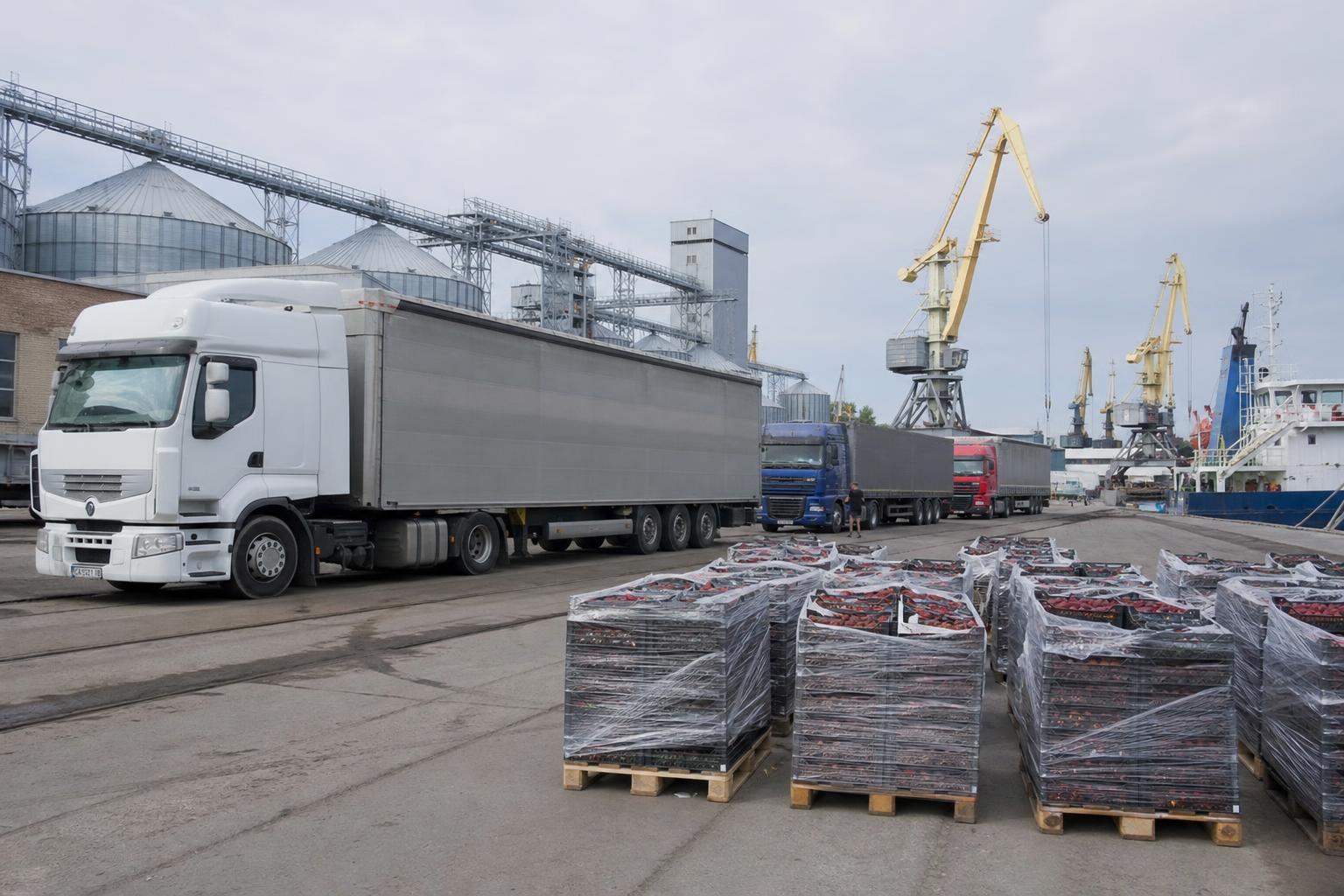
The approaching peak of the harvest season is changing demand for grain shipments to ports, while organic berries remain a notable export cargo to the EU. Sellers and carriers should plan shipments considering seasonal supply, batch quality, and buyer requirements.
As of June 19, 2026, Ukraine has exported nearly 36 million tons of grains and legumes in 2025/26 MY, 10% less than last year. Harvesting of barley and peas has started in Odessa, prompting logistics players to prepare for seasonal redistribution.
At the start of summer, agro-export logistics enters a period of increased cargo activity: wheat quota for the EU is already exhausted, and a significant portion of barley exports in July-August may go to China. This signals sellers, traders, carriers, and elevators to plan deliveries, documentation, and port windows more carefully.
Ukrainian agri-export gains new markets, but logistics increasingly depend on demand, price bases, and the ability to quickly reorient shipments between ports and the western border.
Enter your email and we will send a password reset link.
Don't have an account?
Help improve AgroPost?
With your consent, Google Analytics measures navigation and listing steps. The service does not start without consent. The site works without it.
What we collect and how to change your choice
We send category, language, step number and whether an error or save occurred, not entered values, phone numbers, email addresses or listing text. Your choice is stored in this browser for up to 180 days. Advertising tracking stays disabled.
Use Analytics settings to change your choice. Withdrawing consent reloads the page to stop already loaded services: save any unfinished form first.