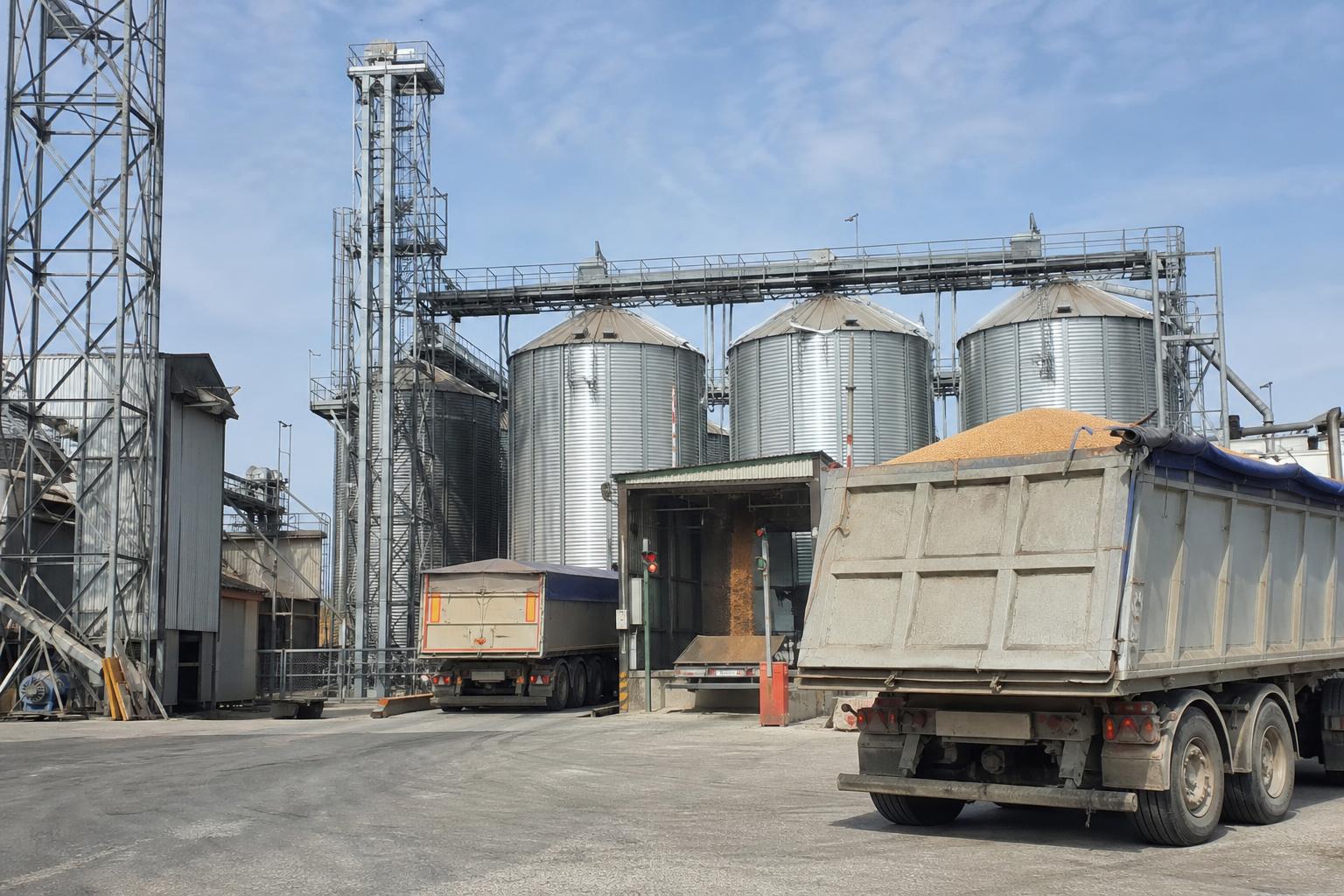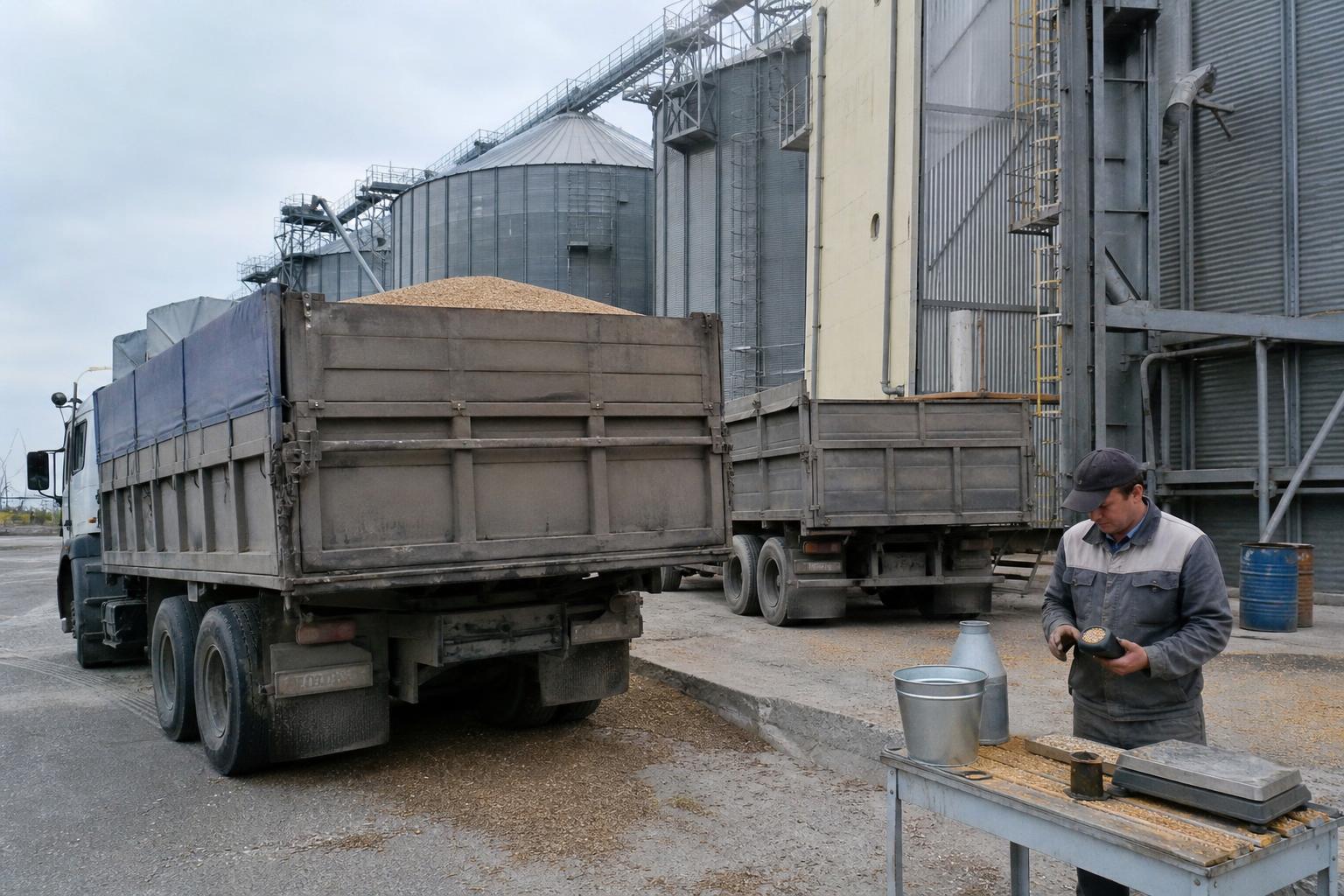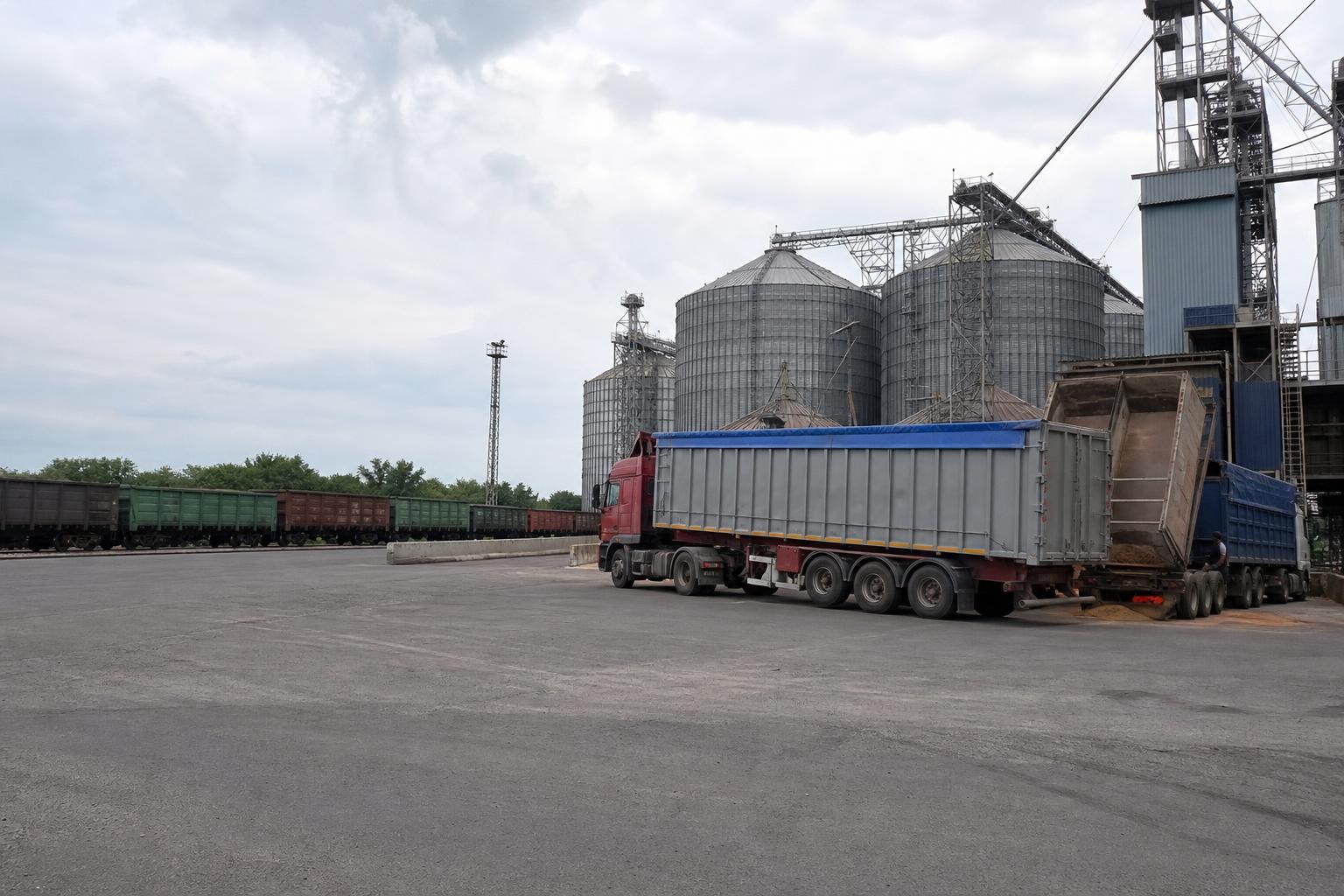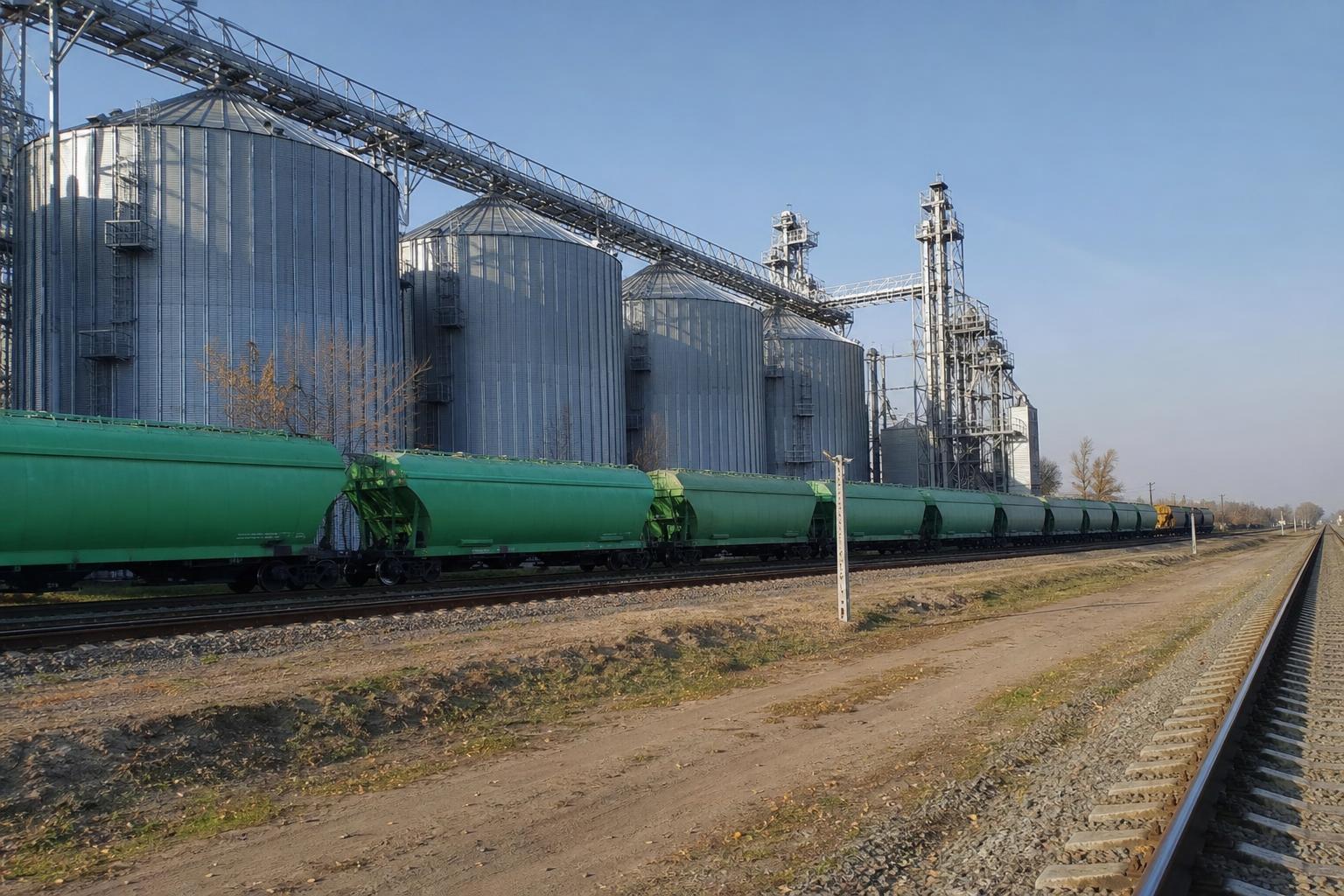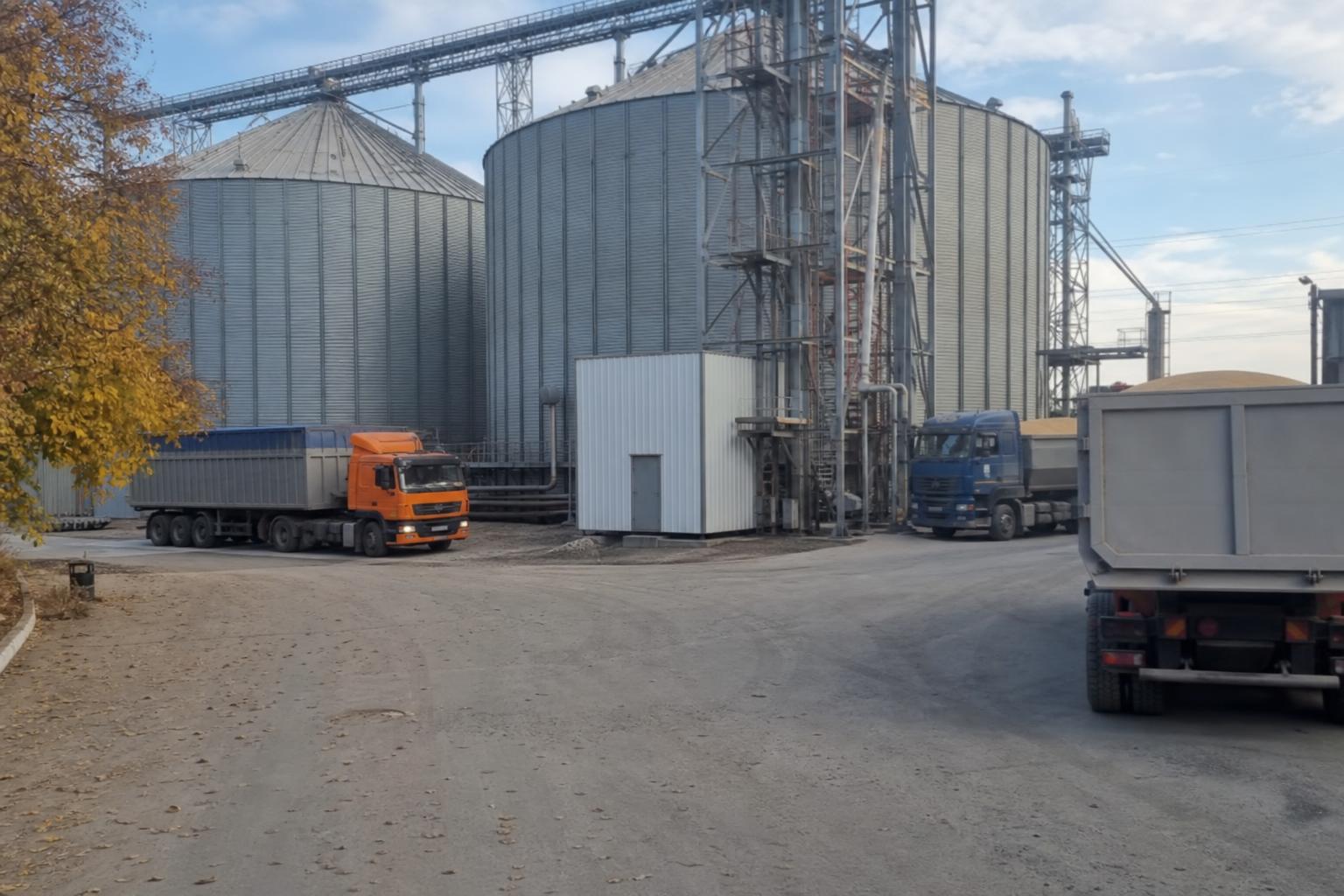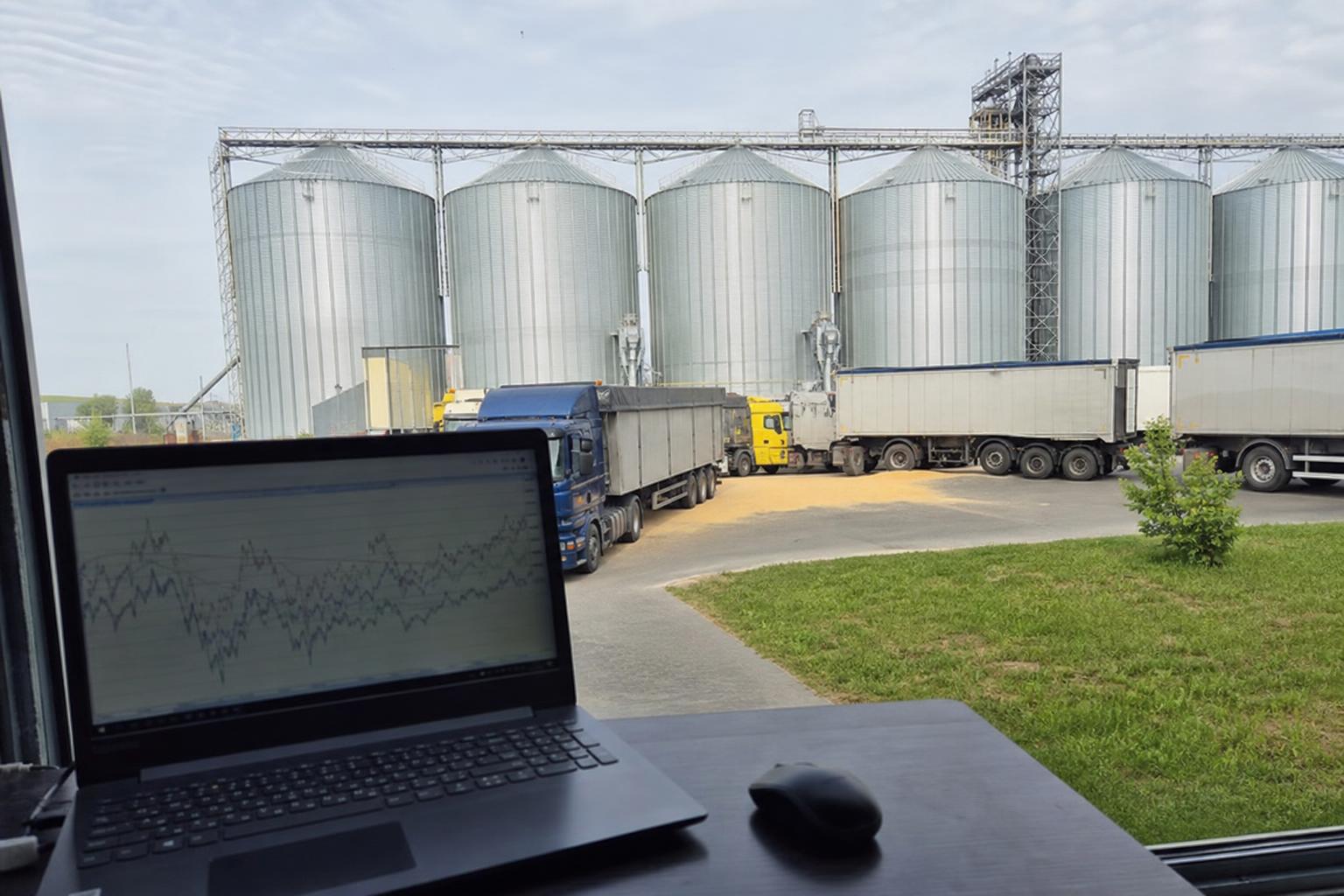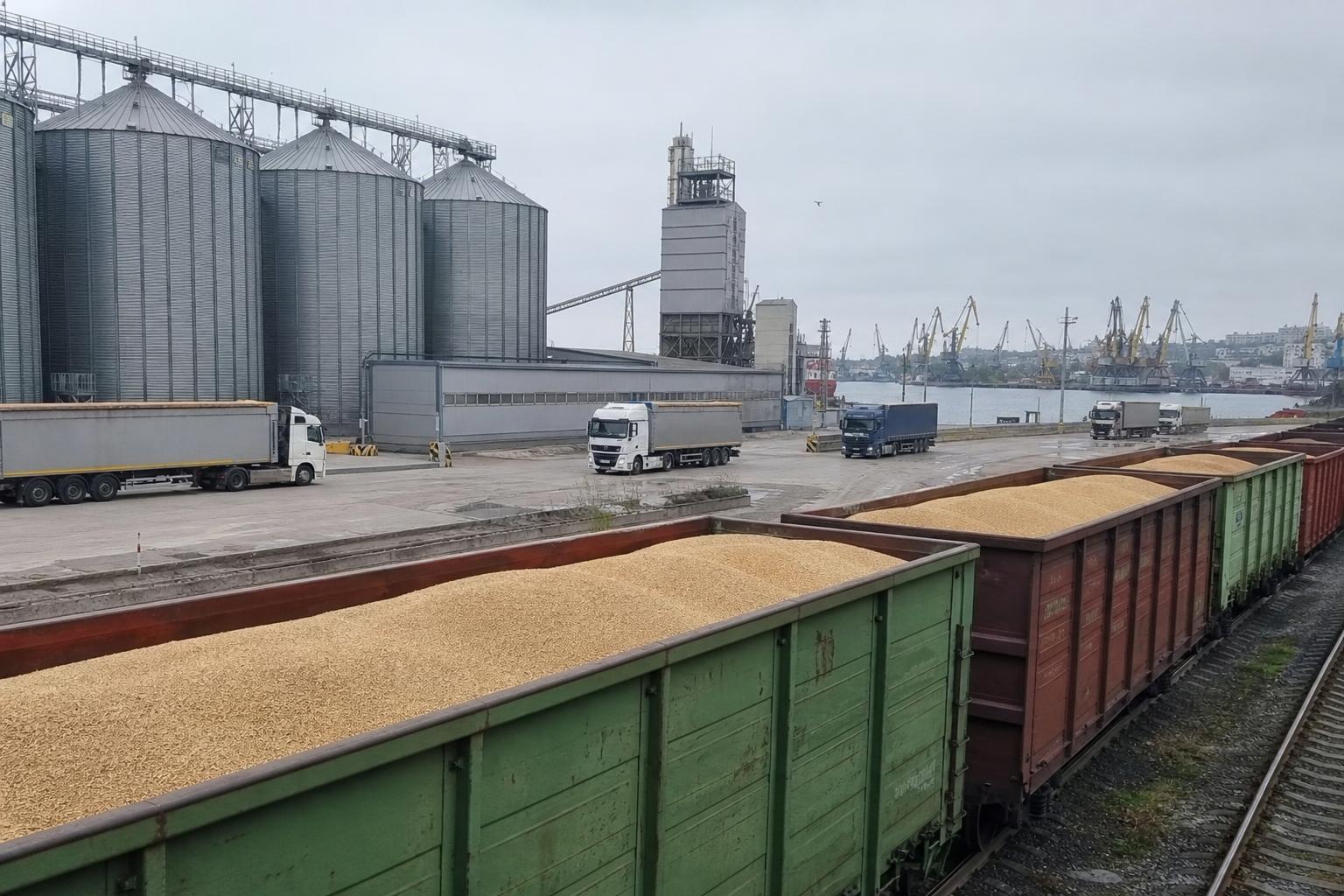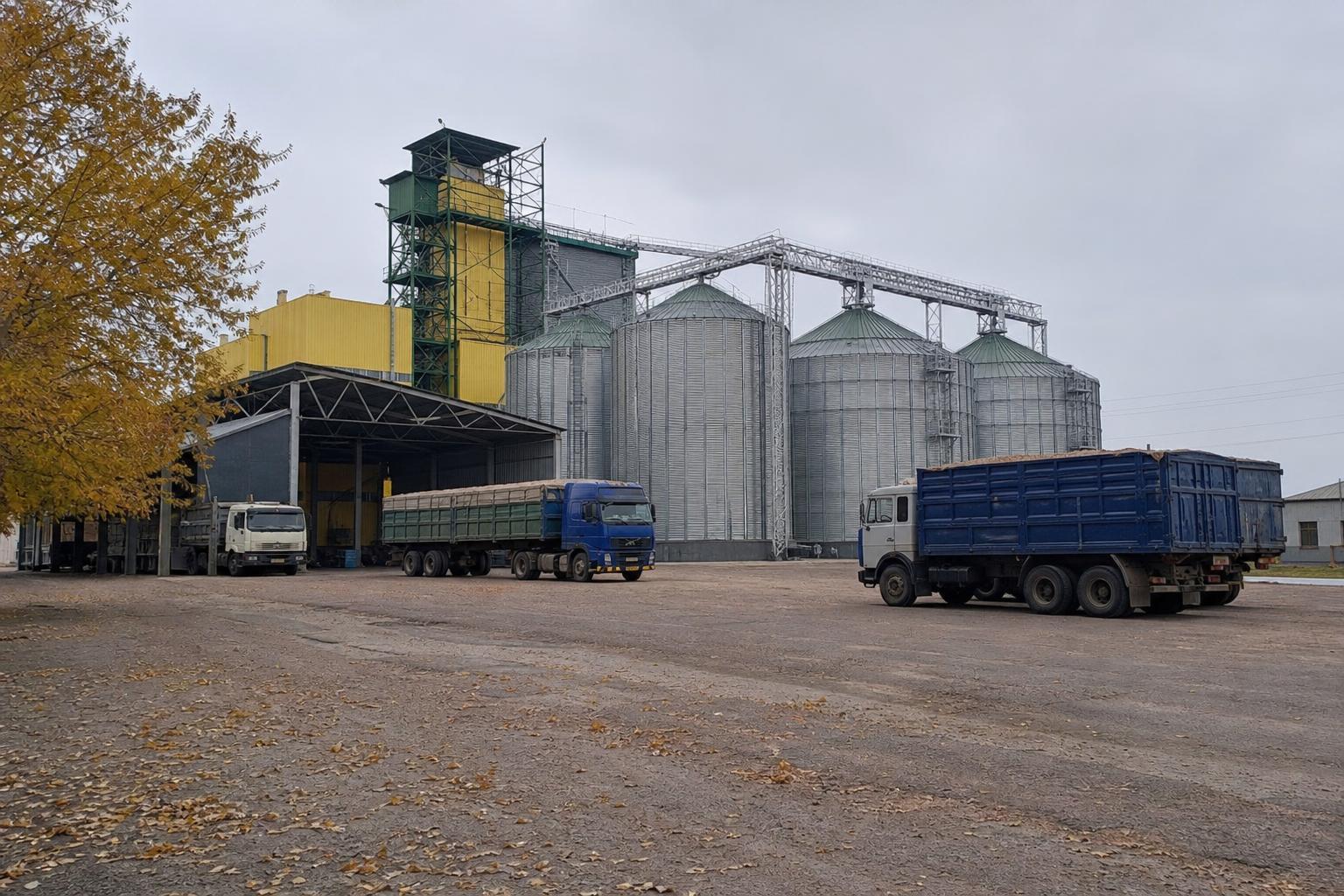
The Ukrainian grain market faces increased pressure on new crop corn prices. In Danube ports, purchase prices have fallen to $165–170/ton CPT, and bridge damage in Odesa region may delay grain delivery to Danube ports up to 26 days.
This week, Ukrainian grain market signals indicate a shift: domestically, focus moves from new processing projects to upgrading existing capacities, while Turkey may delay active corn imports.
For grain sellers and buyers, key factors are not only tonnage and price but also batch origin confirmation, elevator readiness to split flows, and logistics planning quality. New GMO rules from September 16, 2026, may alter storage and export costs.
Moscow is discussing with China the possibility of a new route for grain exports to Southeast Asia. For Ukraine, this is not an immediate shift in market balance but an important indicator: competitors are restructuring logistics amid Black Sea issues.
Romanian carrier GFR has increased the number of trains transporting Ukrainian grain to the Port of Constanța. For farmers, elevators, and traders, this signals the need to carefully plan logistics, record shipment conditions, and compare alternative routes.
In Ukraine's grain market, sellers should pay closer attention not only to the price in the listing but also to logistics routes, handling costs, elevator availability, and shipment conditions. Certain market signals indicate that logistics remains a key factor in profitability.
The Ukrainian grain market increasingly shifts towards digital transaction processing, while export logistics remain influenced by regional security and political decisions. For farmers, traders, and elevators, this means greater focus on price transparency, rapid document approval, and route verification.
For Ukraine's grain market, key factors remain the security of the Black Sea, alternative corridors, and availability of war risk insurance. Sellers, buyers, and elevators should more precisely account for logistics costs in each deal.
Damage to Prometey elevator in Mykolaiv and new reports of disruptions at a grain terminal in Novorossiysk intensify market focus on storage, transshipment, and Black Sea logistics risks. Flexibility in routes, elevator capacity checks, and transaction speed become key for sellers and buyers.
For grain sellers, key factors are not only purchase prices but also delivery conditions, storage availability, and infrastructure risks. Recent signals from the agro-market show that the difference between farm, elevator, port, or border prices can determine the actual margin of a deal.
In early September, the grain market enters a cautious sales period: new crop feed corn prices are declining, while moisture shortages hinder winter crop sowing, especially for rye. Elevator operators and sellers focus on quality, shipment schedules, and regional demand differences.
The Cabinet of Ministers has expanded the possibility to extend settlement deadlines under foreign economic contracts for agricultural exports. This applies to wheat, rye, barley, oats, and corn. The Ministry of Economy can, upon exporter’s request, extend the settlement period up to 180 days.
Enter your email and we will send a password reset link.
Don't have an account?
Help improve AgroPost?
With your consent, Google Analytics measures navigation and listing steps. The service does not start without consent. The site works without it.
What we collect and how to change your choice
We send category, language, step number and whether an error or save occurred, not entered values, phone numbers, email addresses or listing text. Your choice is stored in this browser for up to 180 days. Advertising tracking stays disabled.
Use Analytics settings to change your choice. Withdrawing consent reloads the page to stop already loaded services: save any unfinished form first.