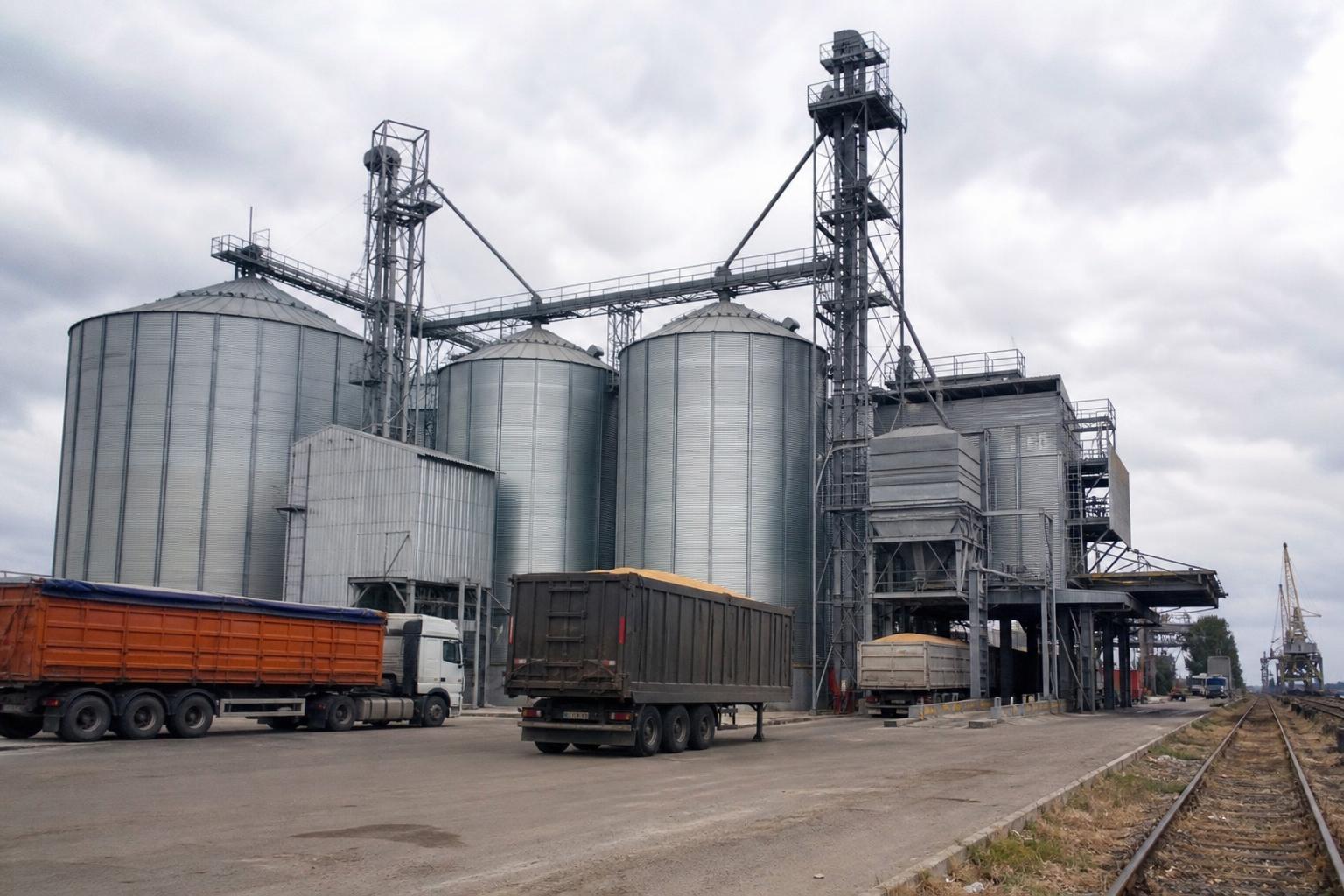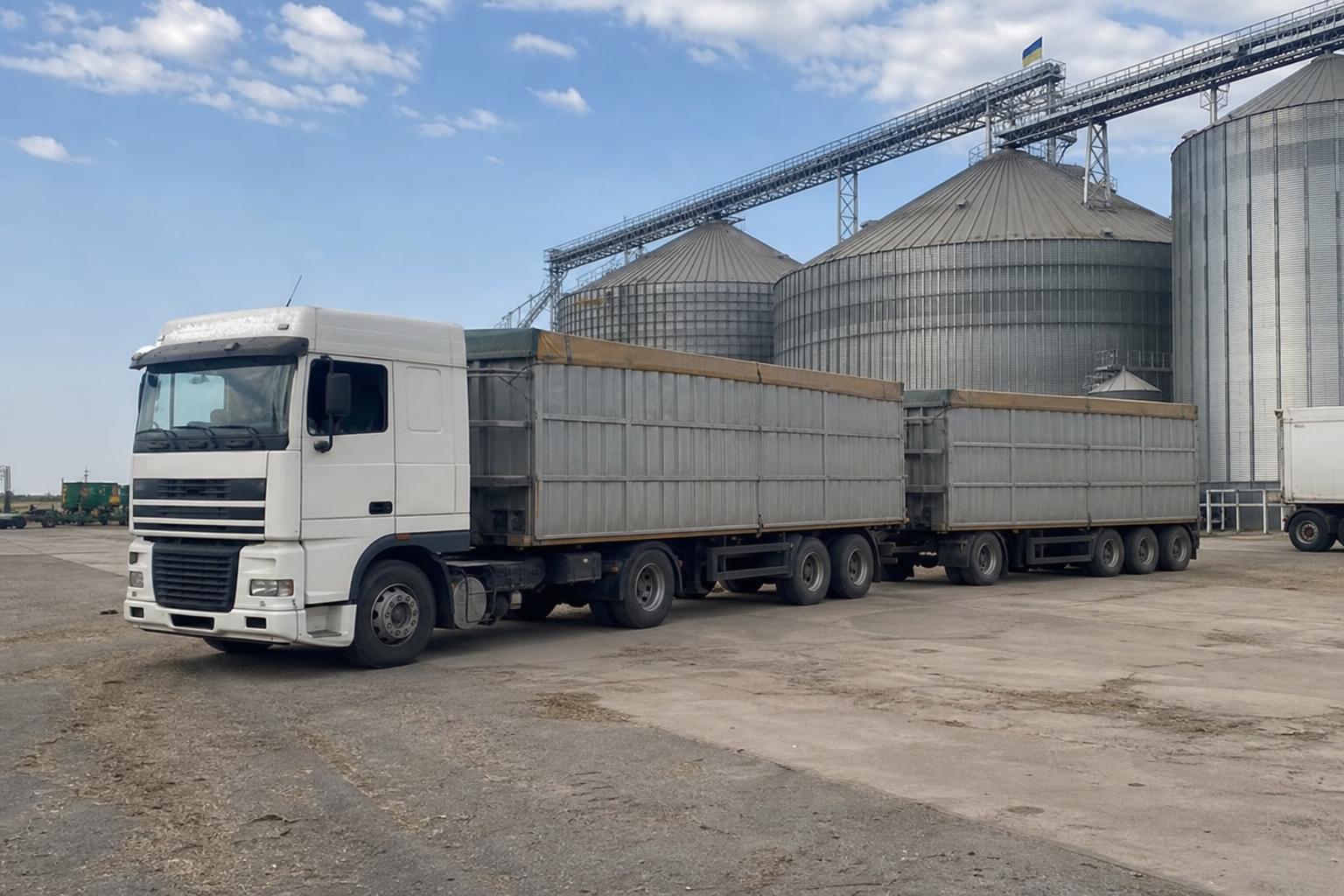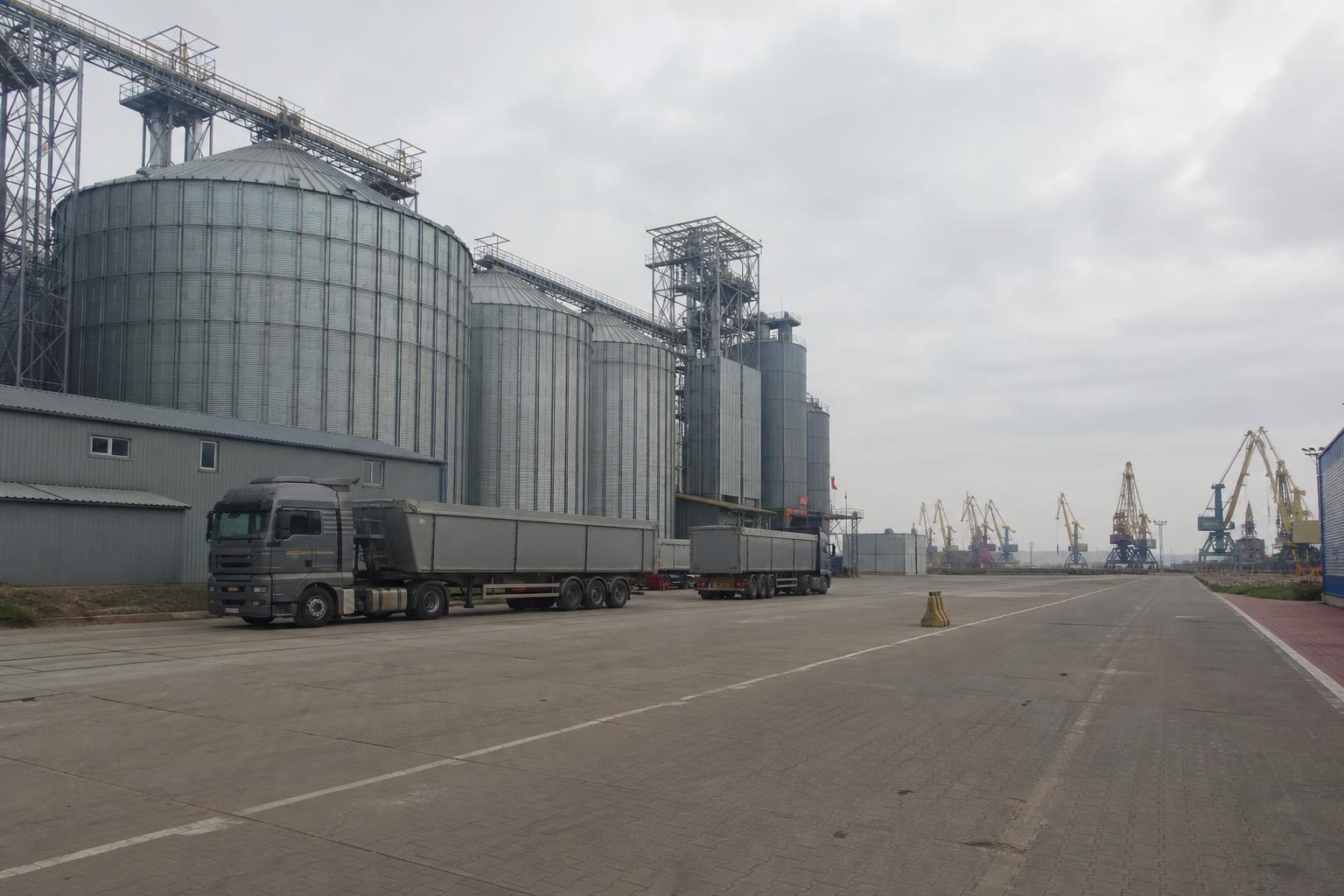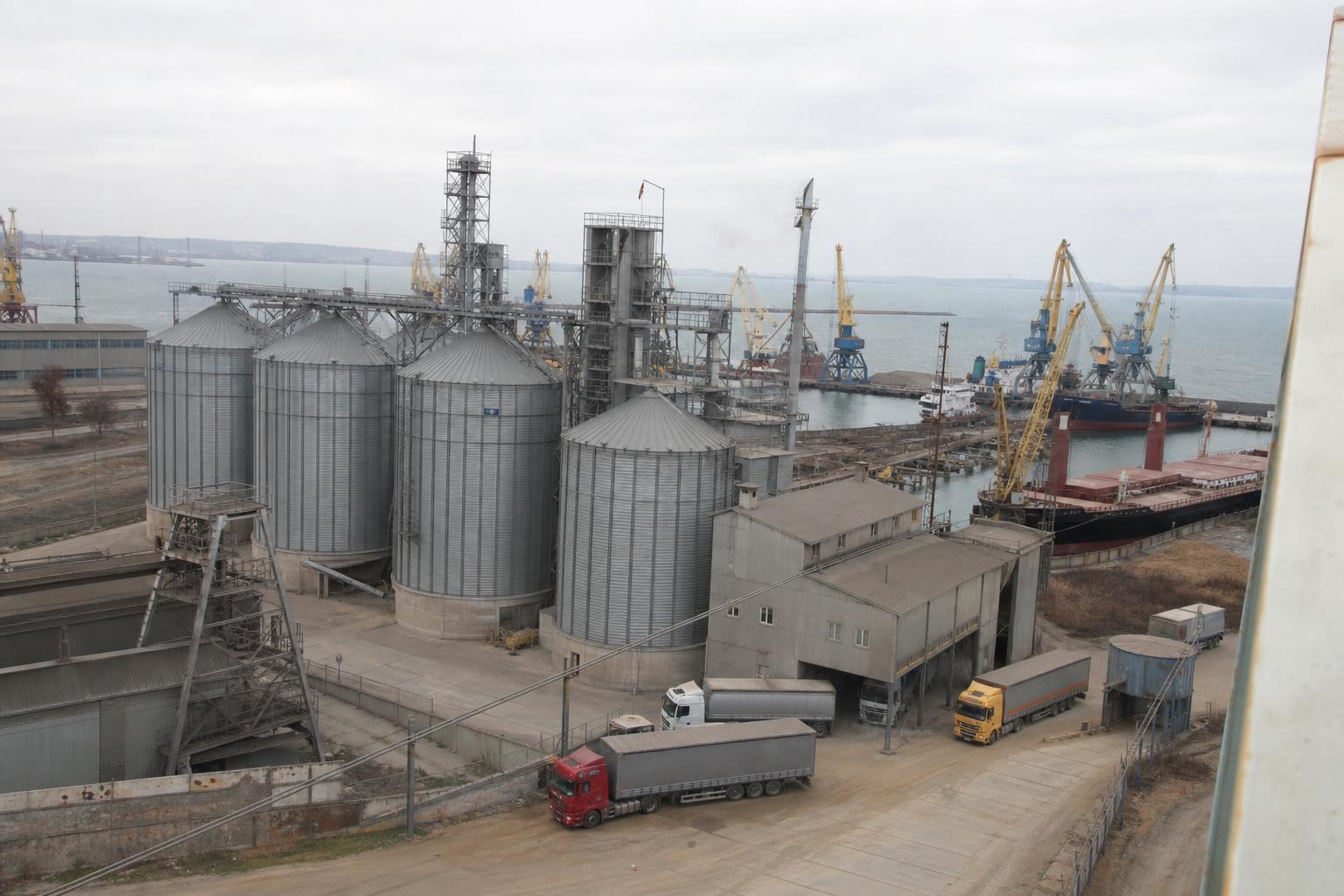
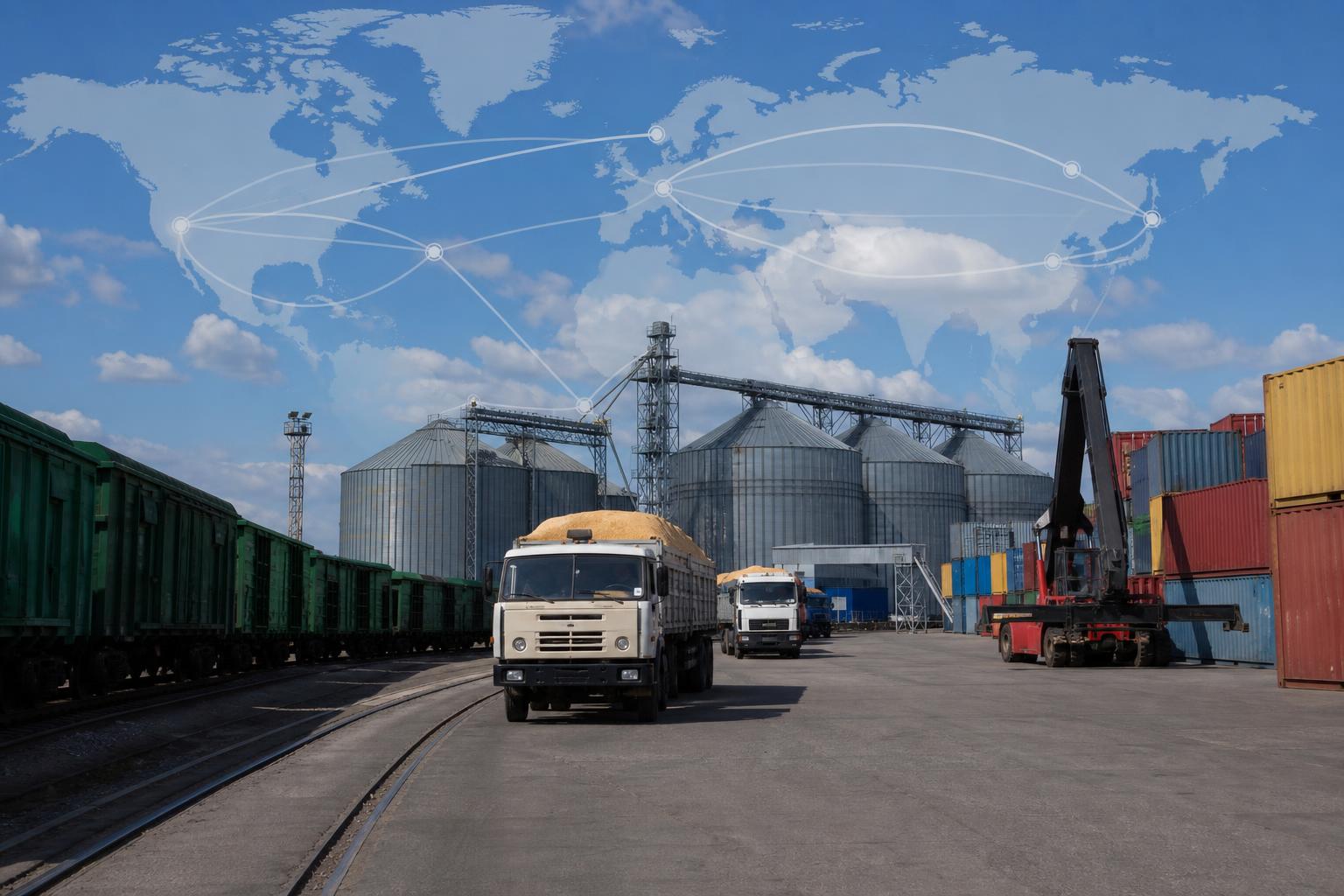
In mid-July, Ukraine's grain market received a new logistical signal: some shipowners avoid Ukrainian ports, traders become more cautious with CPT port agreements, and dry ports strengthen container operations instead of expanding grain silos.
The Ukrainian grain market is entering a period where price depends not only on demand and harvest but also on port infrastructure availability. Amid damages in Chornomorsk, businesses should carefully plan routes, storage, and quality of batches.
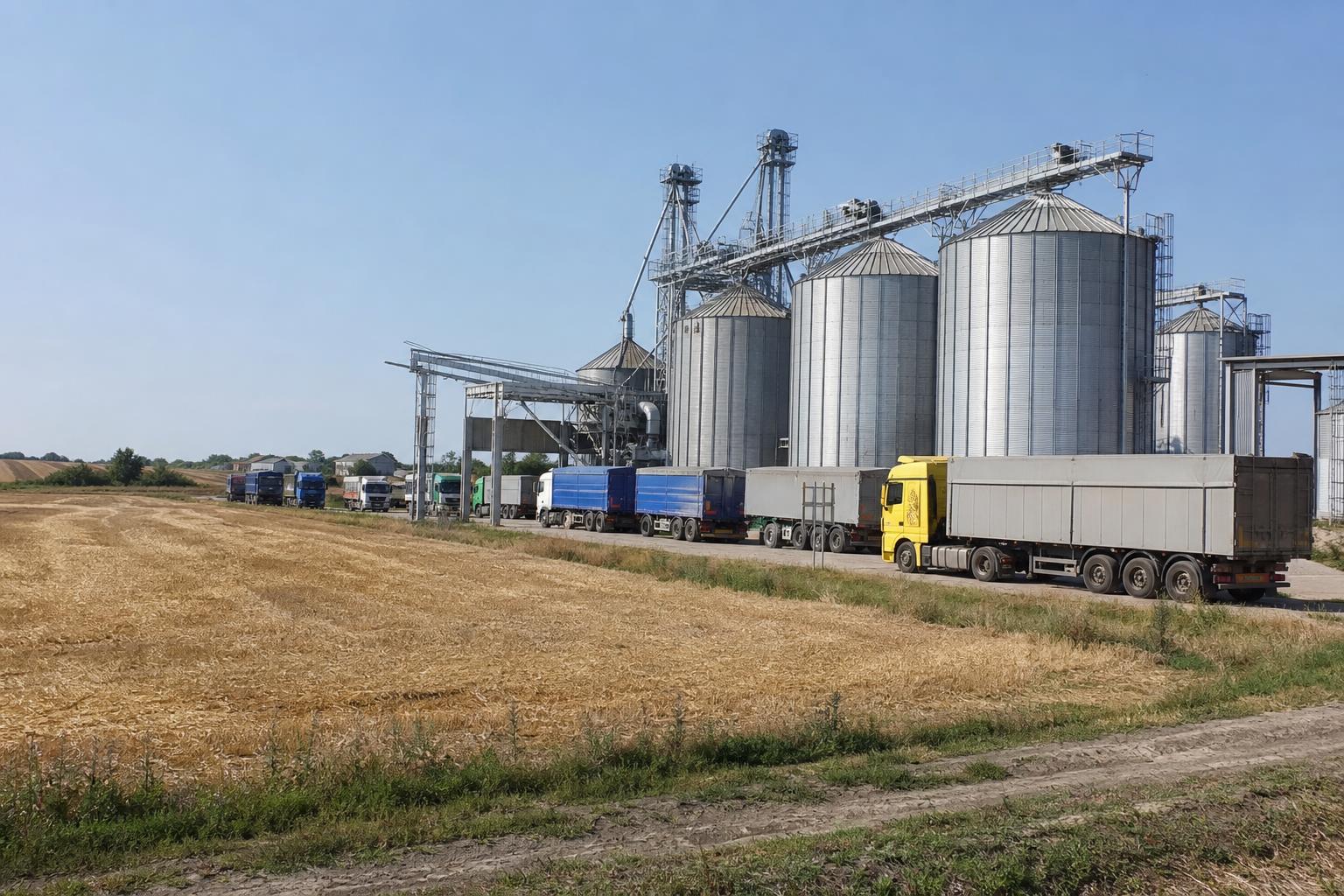
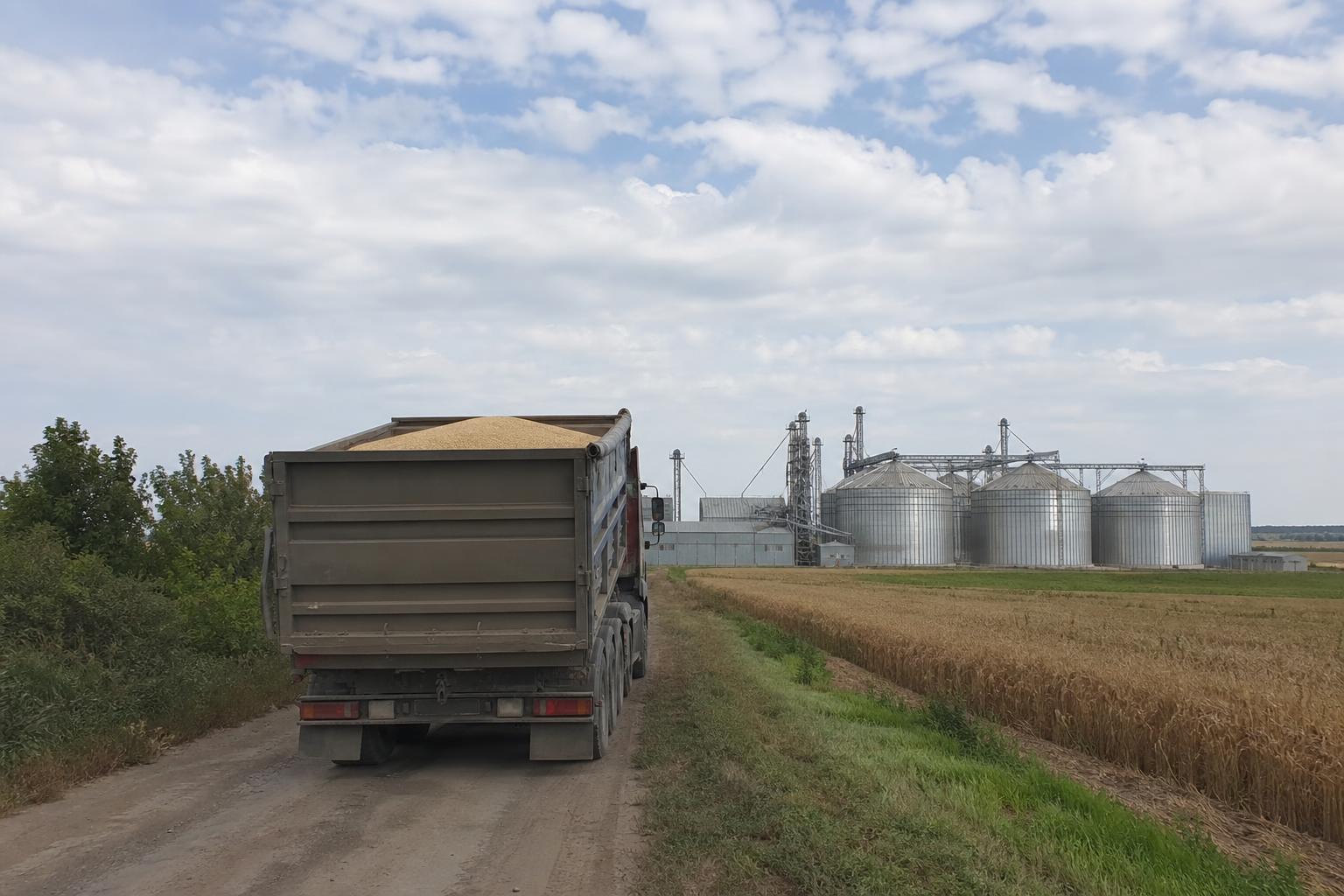
At the start of the harvest campaign, demand for road transportation of grain shifted toward short and medium routes to elevators. Rates on certain routes increased, while long-distance shipments remain less active.
Ukrainian agricultural logistics enters mid-season facing three key challenges: port security, waterway demining readiness, and elevator automation needs. For sellers and buyers on AgroPost, this means careful planning of shipment schedules, route verification, and operational risk buffers.
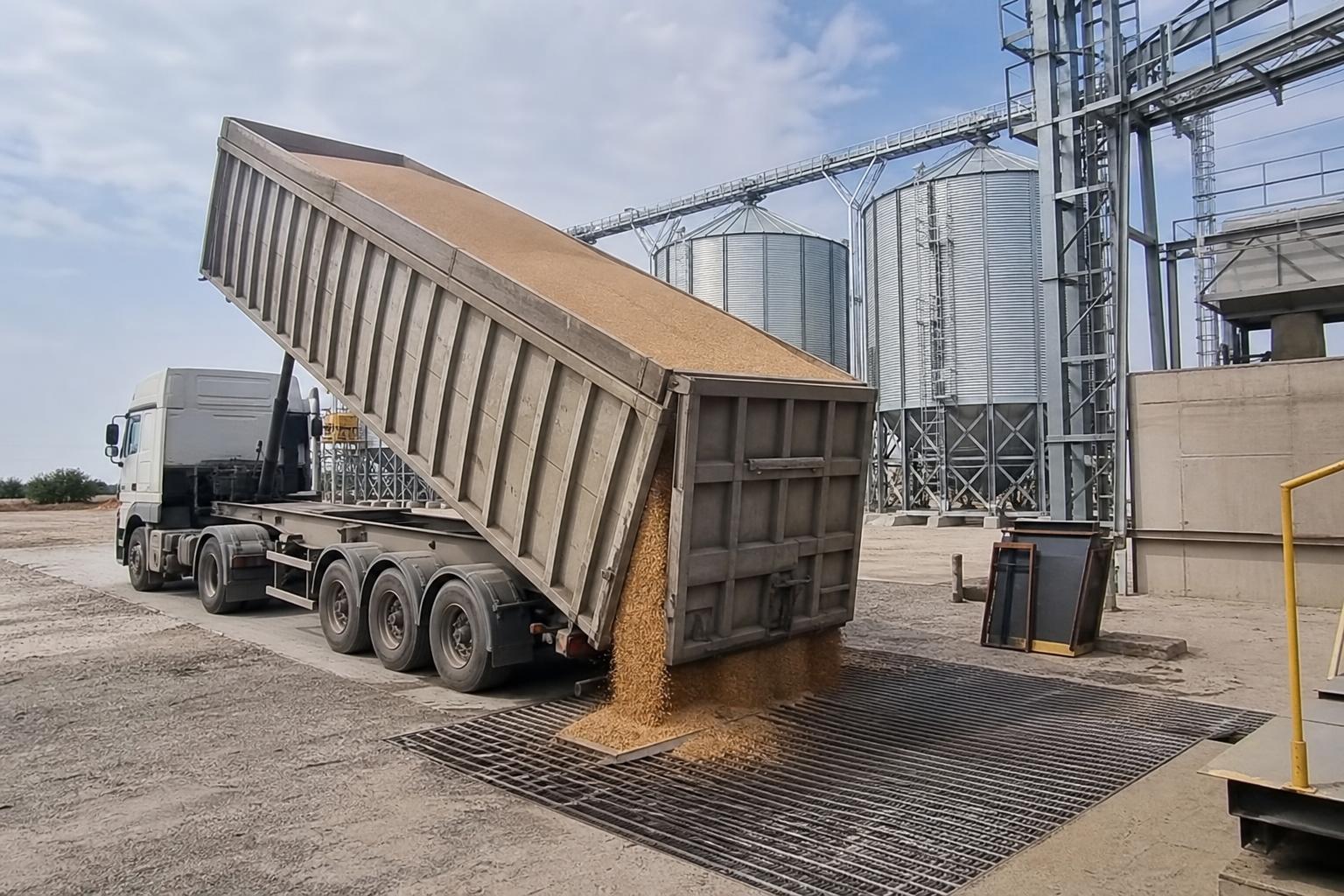
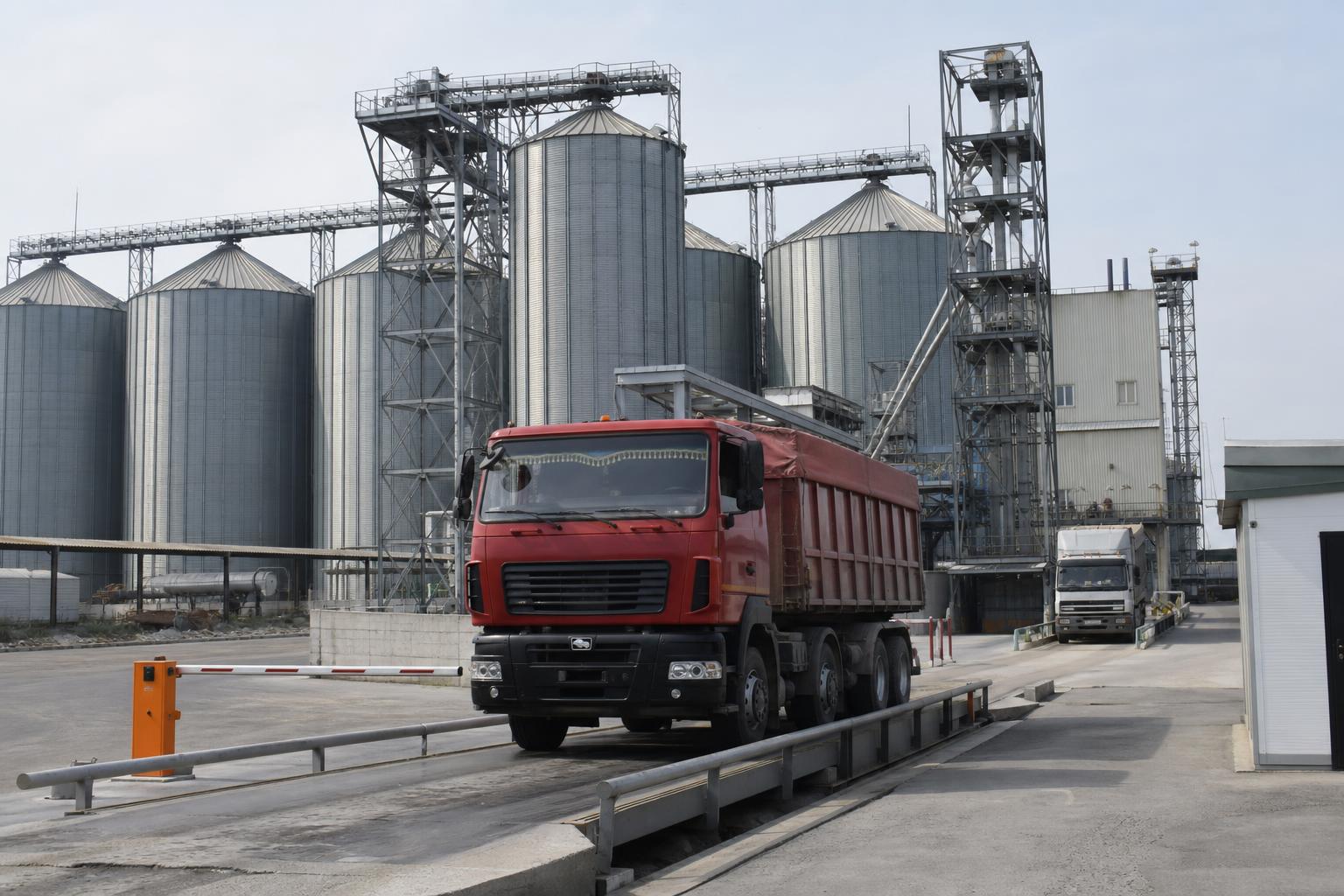
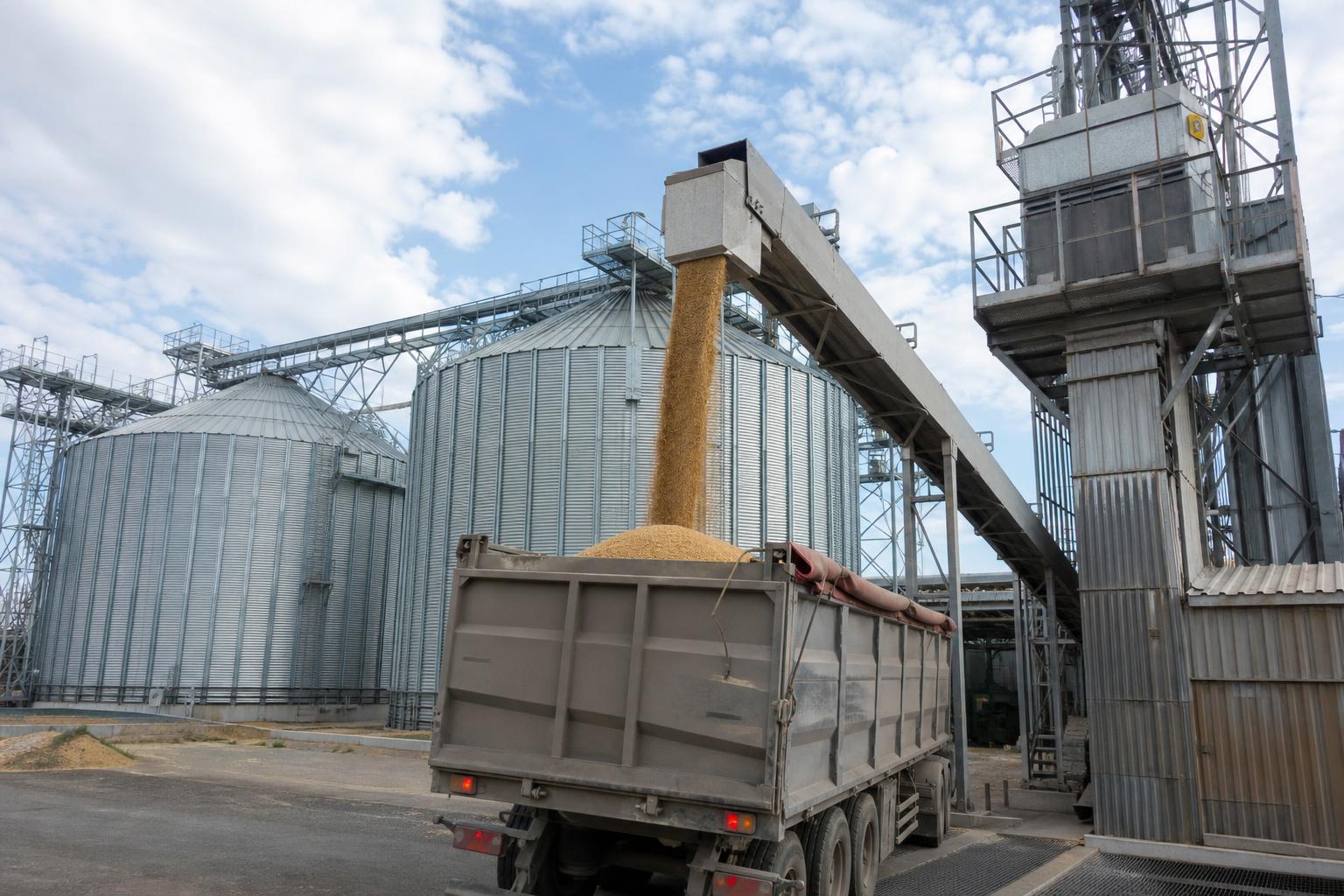
Following another attack on Odesa region port infrastructure, logistical risks are back in focus for grain sellers. The elevator sector seeks efficiency reserves through automation, digital record-keeping, and reducing manual labor dependency.
At the start of the new season, Ukraine's wheat market enters with higher carry-over stocks and a risk of weaker demand from Egypt, Algeria, and Indonesia. For sellers, this means more careful planning of sales, batch quality, and logistics through elevators.
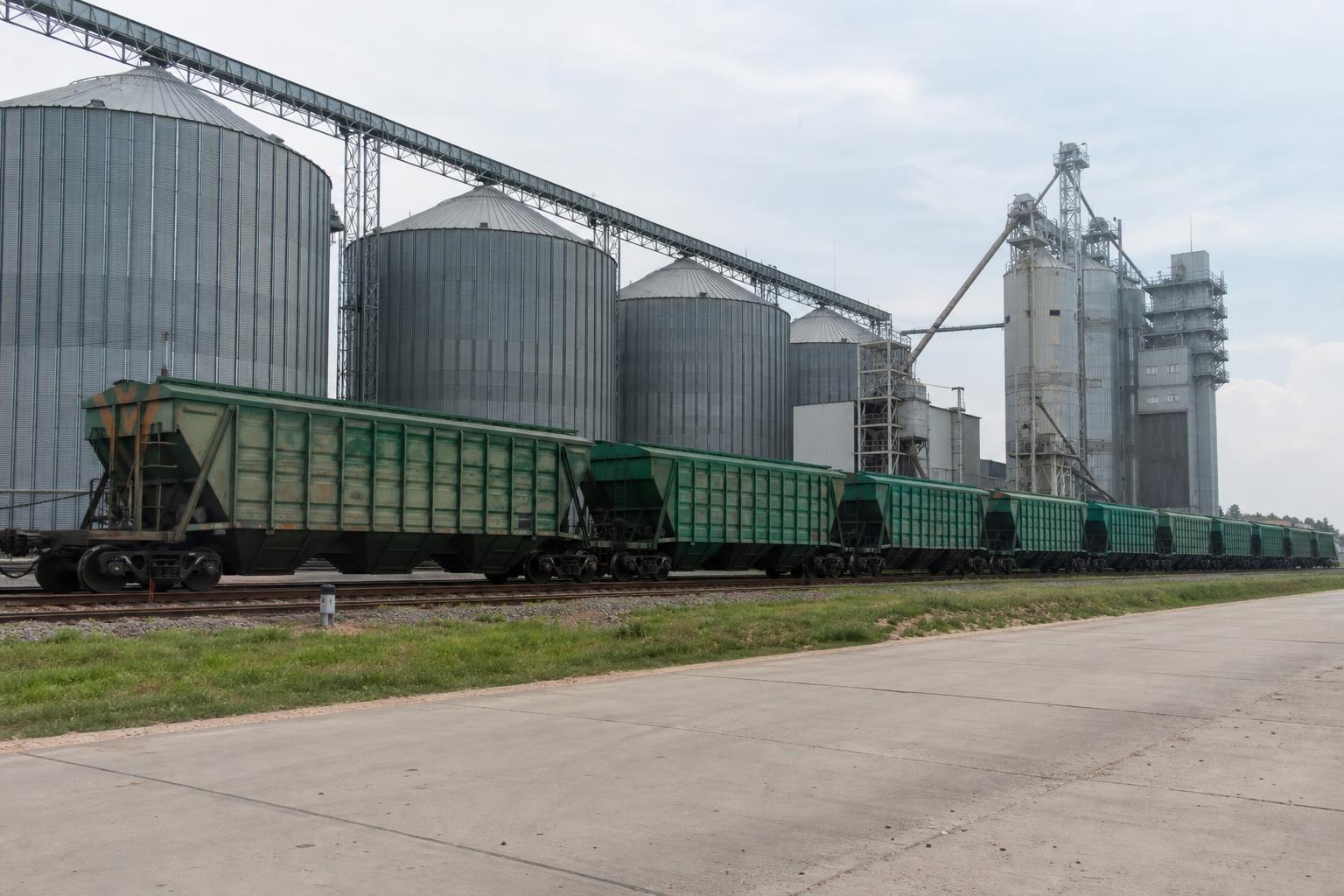
Potential rise in Ukrzaliznytsia freight tariffs could add about $5–6 per ton to grain transportation costs to ports. Sellers need to consider this in pricing, routes, and margins.
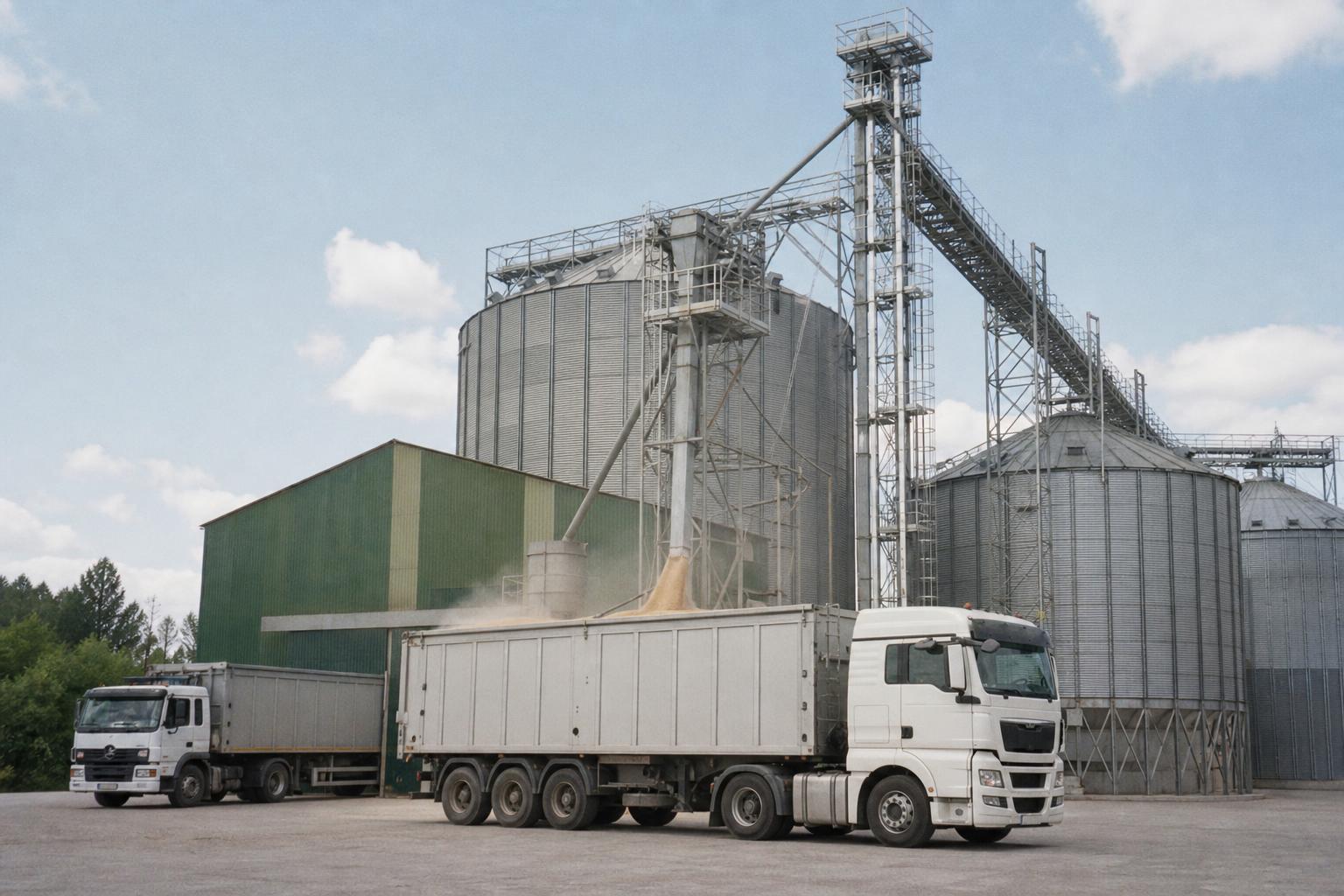
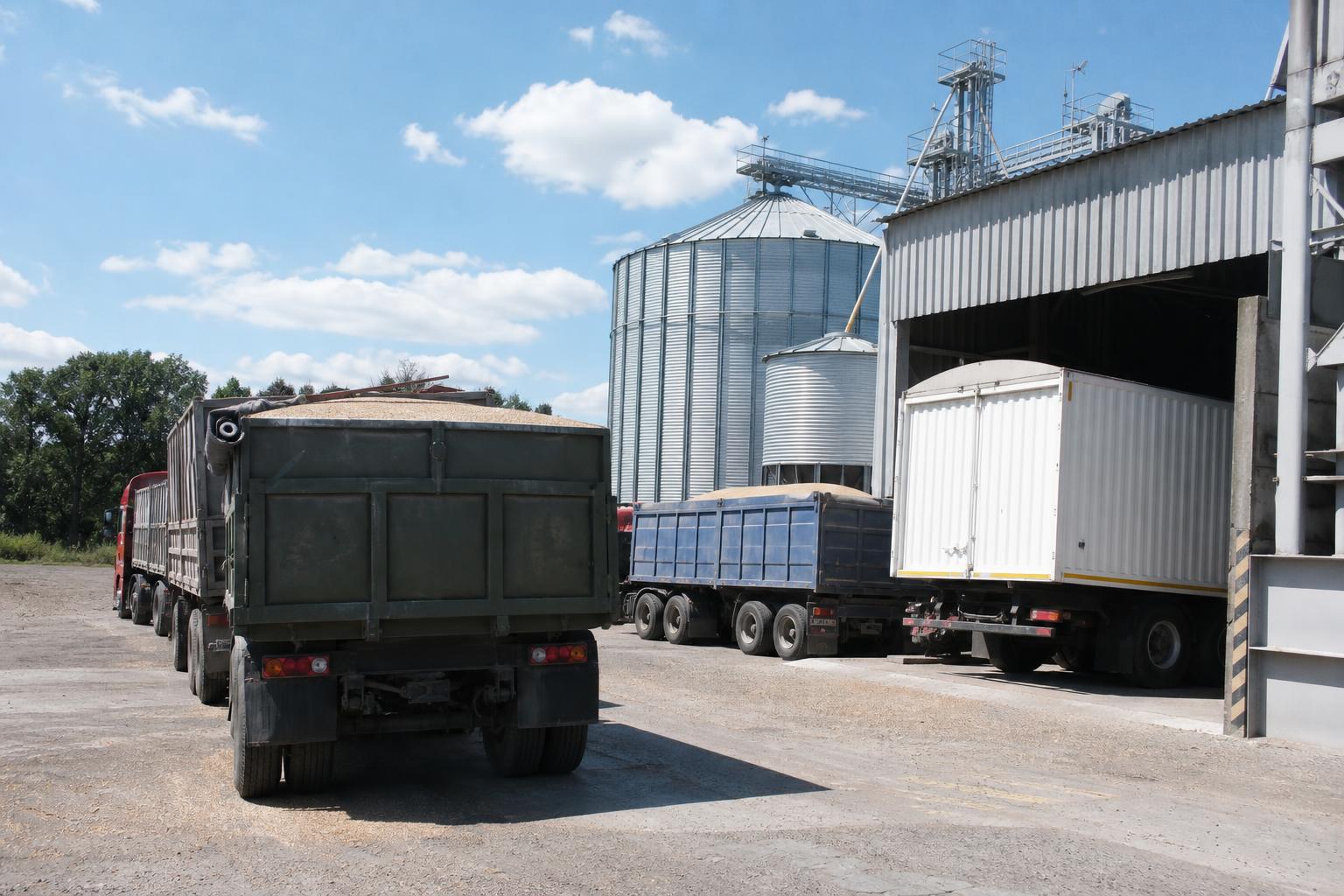
The grain storage and transportation market shows a practical trend: companies seek alternative elevators after losing or becoming inaccessible to part of the infrastructure. For grain sellers, this means the need to book acceptance in advance, check tariffs, and calculate delivery times.
For grain sellers, key factors remain access to operational elevators, safe logistics, and sales channels. The example of Buzivsky elevator lease by 'OptimusAgro Trade' shows how operators adapt after losing capacities, while bioethanol development may boost domestic corn demand.
The government is preparing a compensation mechanism for farmers who have lost or cannot harvest crops due to hostilities. For the grain market, this primarily concerns local supply, confirmation of losses, and planning sales through elevators and traders.
Price pressure persists in the Ukrainian wheat market: domestic quotes decreased by 100–500 UAH/ton, port prices by $6–11/ton. Key factors include grain quality, harvest pace, purchasing activity, and logistics access.
In the 2025/26 season, Ukraine's top grain buyers are segmented by crop: Turkey leads in corn imports, Egypt in wheat, China in barley. This emphasizes the importance of quality, logistics, and online auction channels for sellers.
Enter your email and we will send a password reset link.
Don't have an account?
Help improve AgroPost?
With your consent, Google Analytics measures navigation and listing steps. The service does not start without consent. The site works without it.
What we collect and how to change your choice
We send category, language, step number and whether an error or save occurred, not entered values, phone numbers, email addresses or listing text. Your choice is stored in this browser for up to 180 days. Advertising tracking stays disabled.
Use Analytics settings to change your choice. Withdrawing consent reloads the page to stop already loaded services: save any unfinished form first.