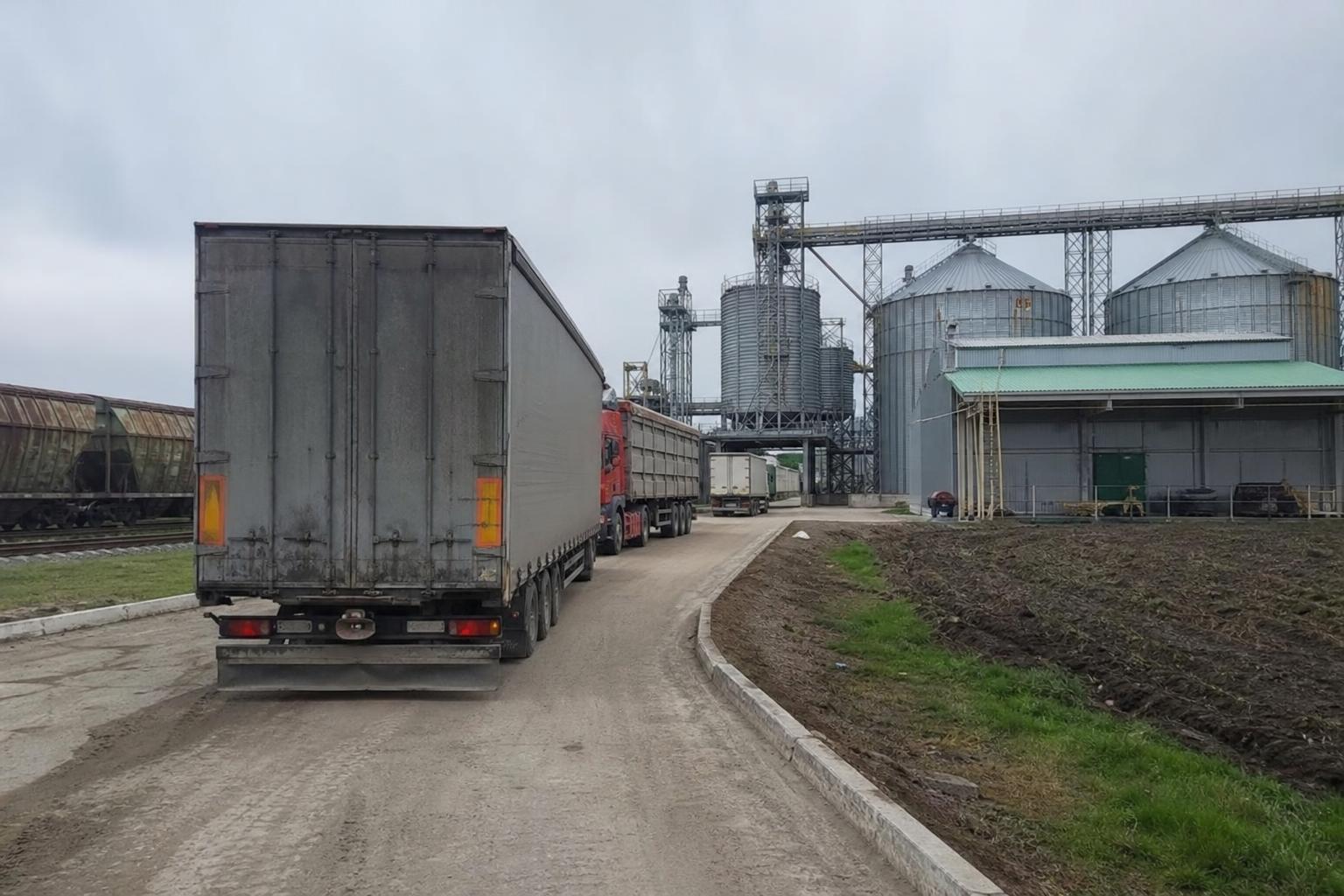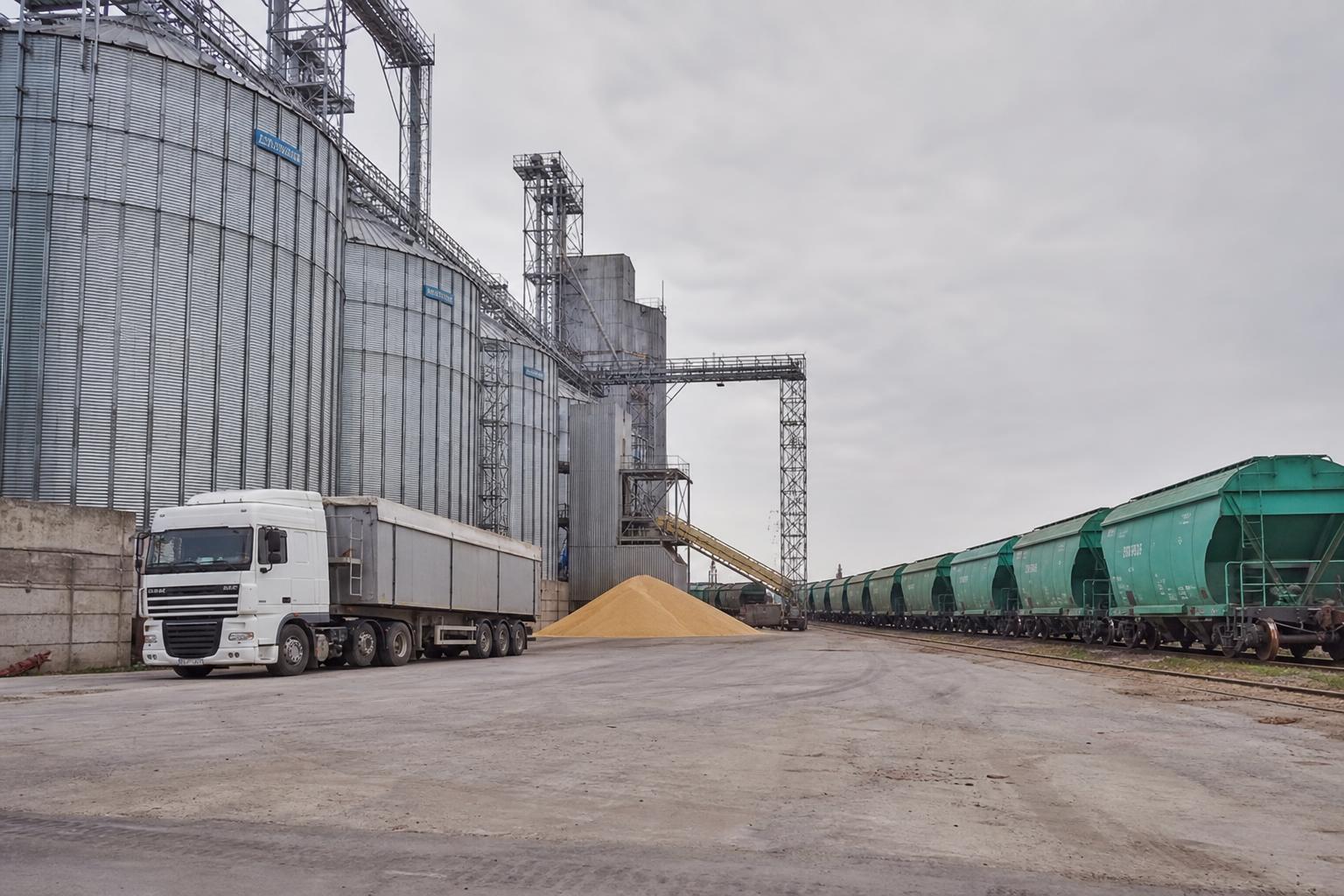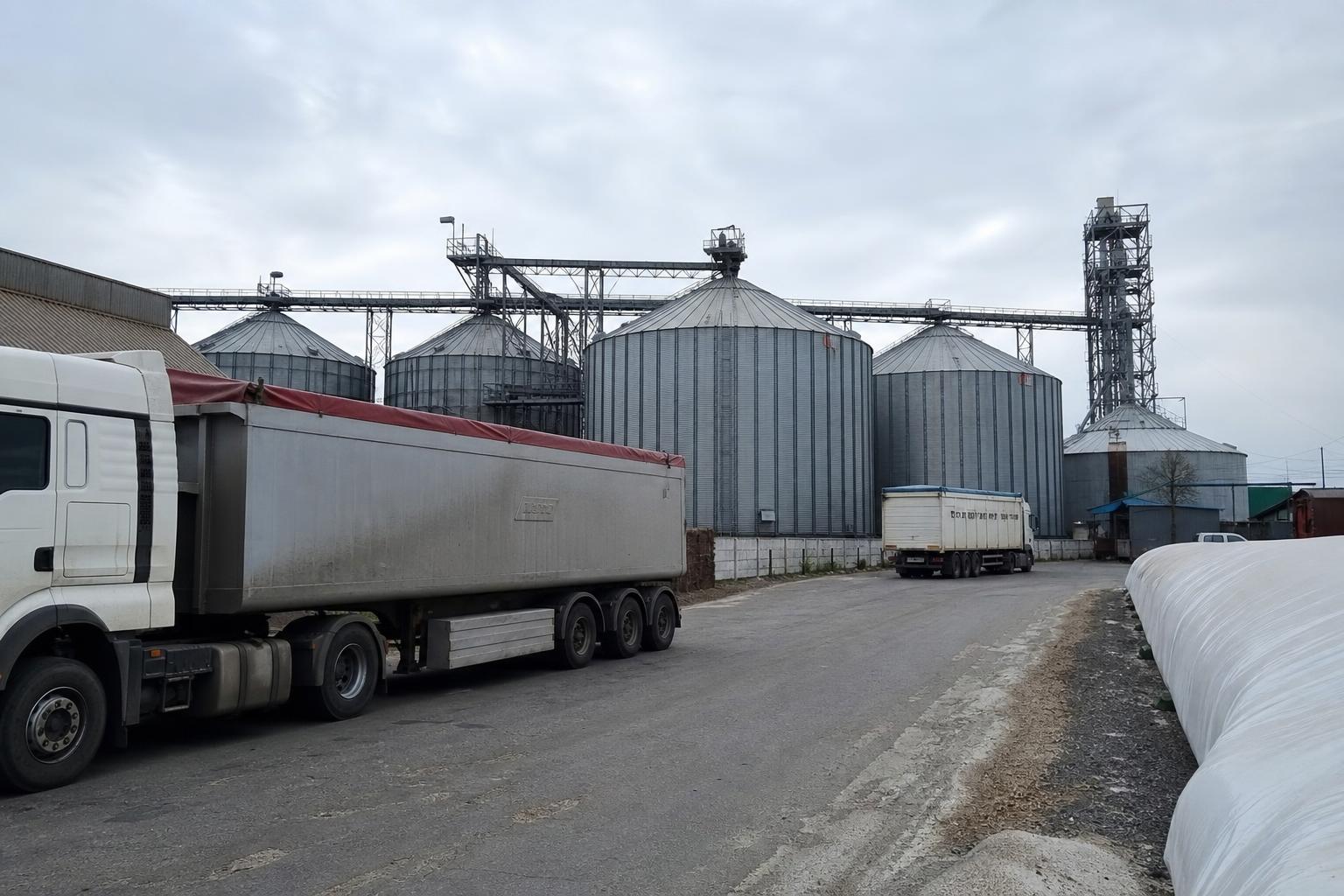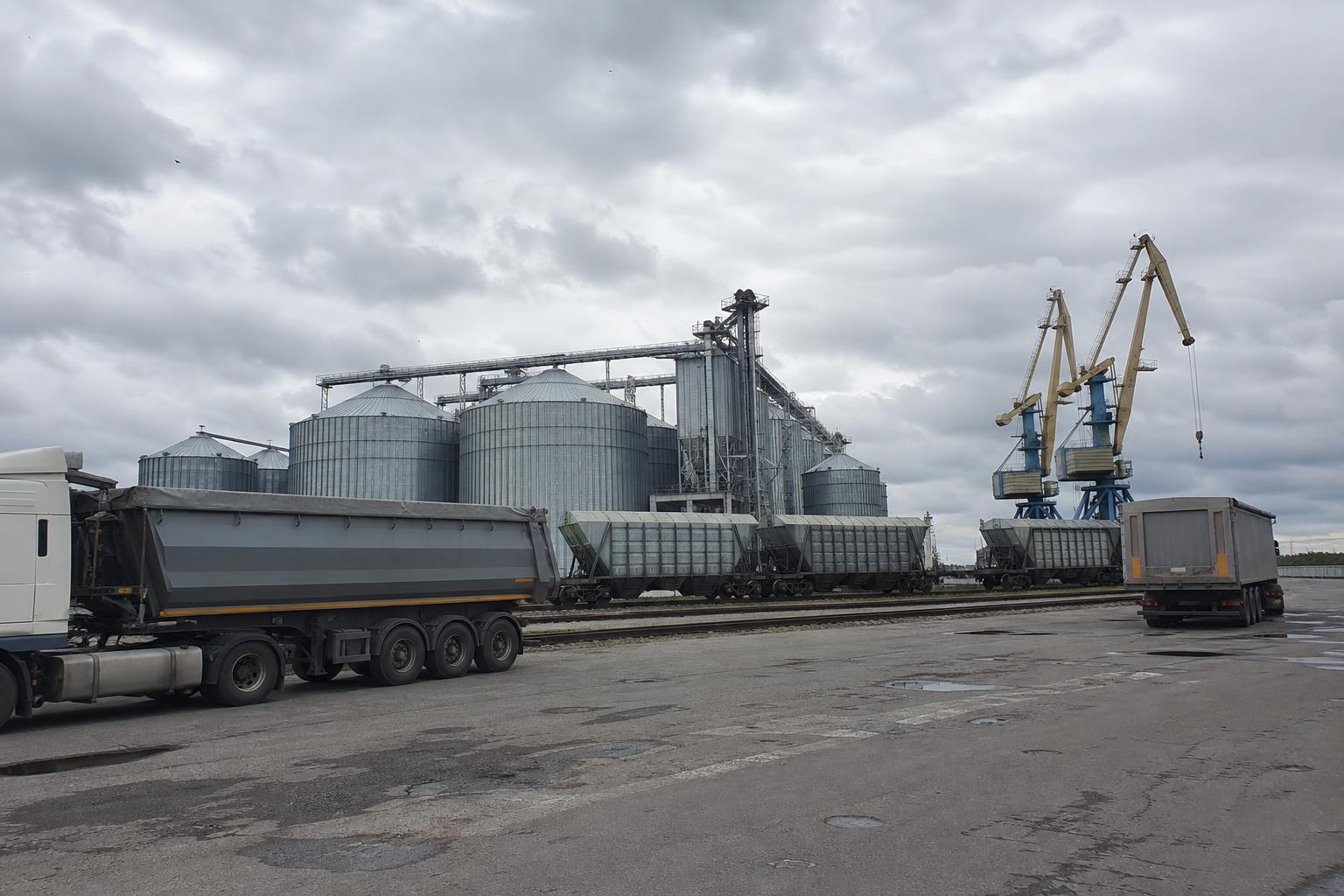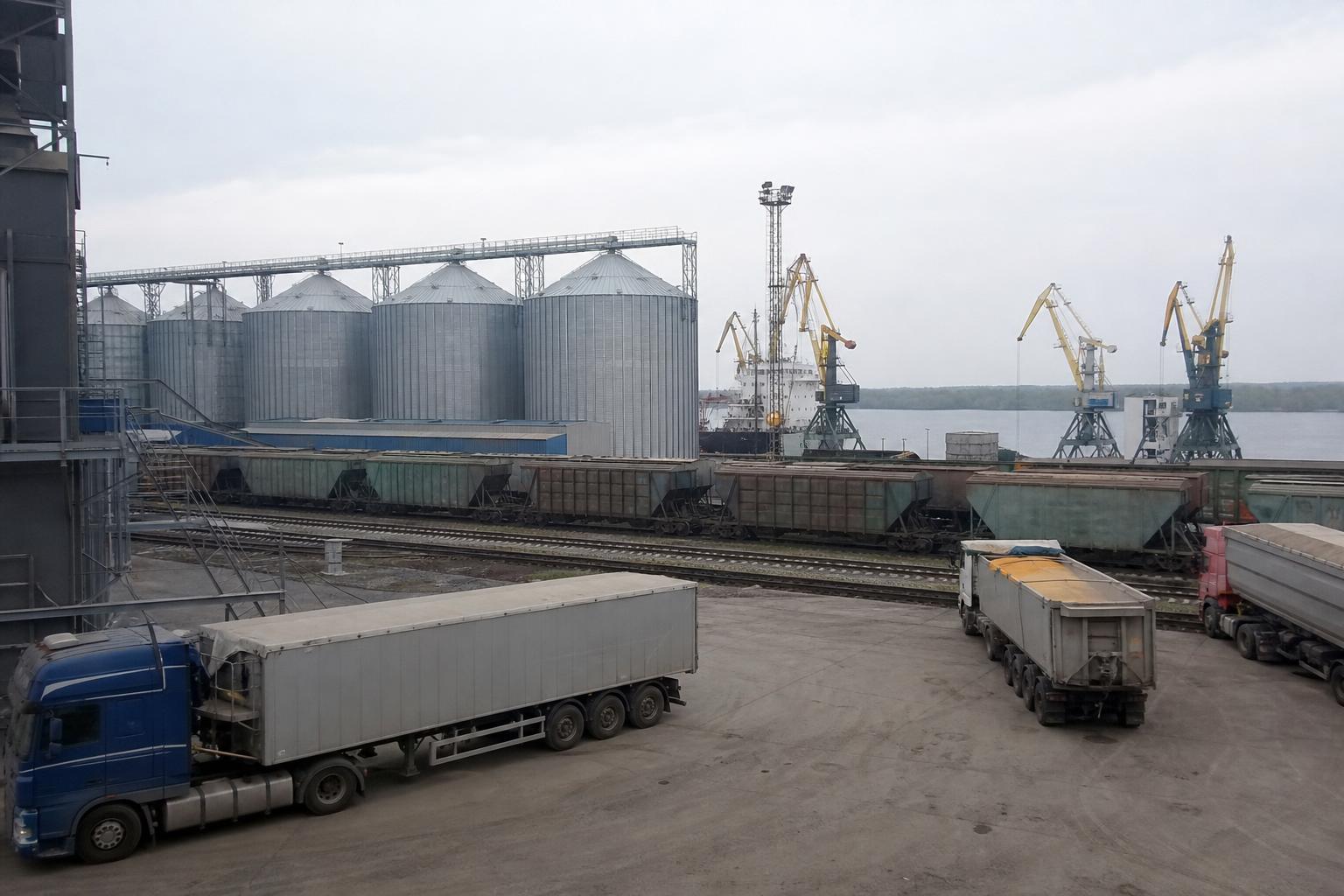
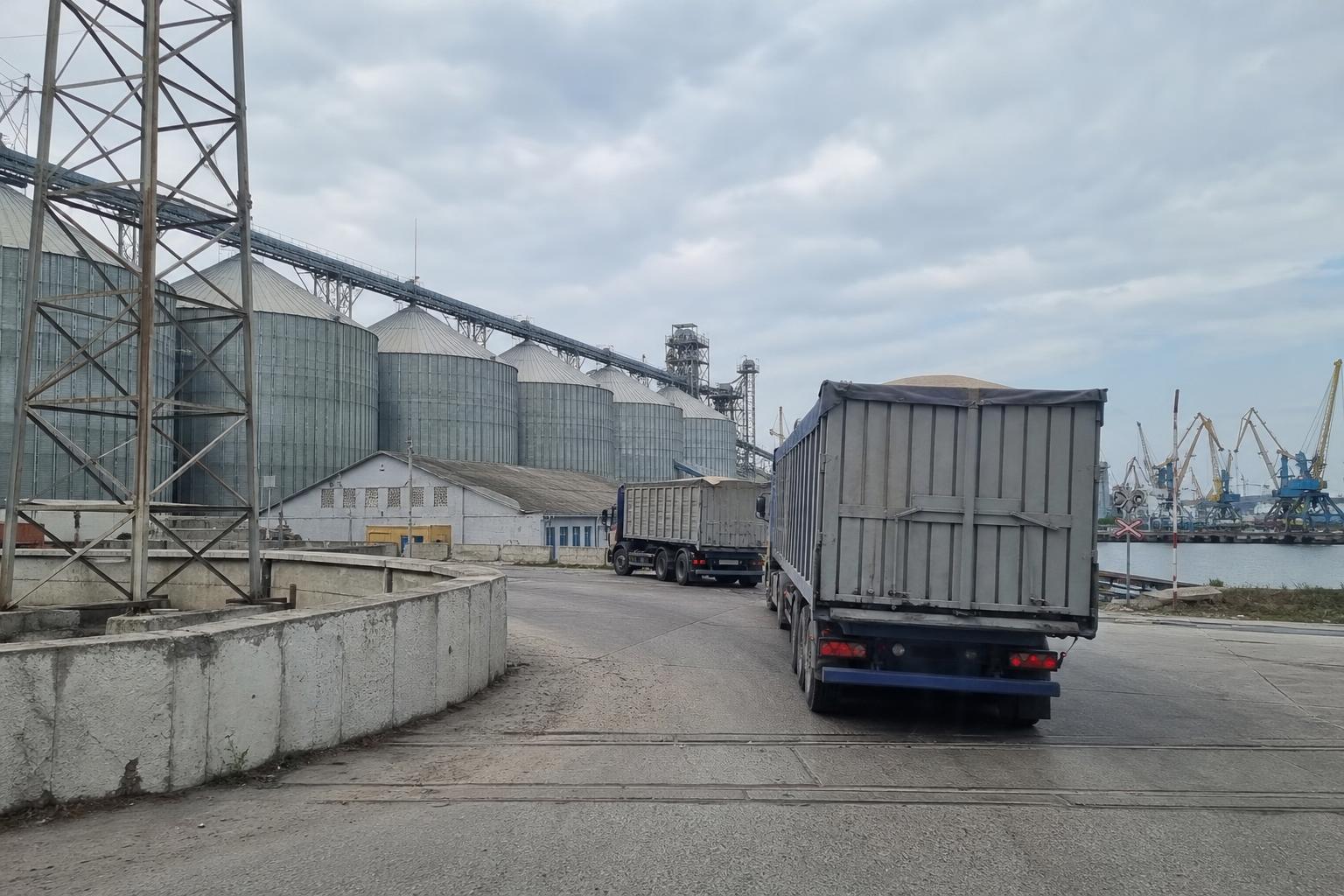
Ukrainian agro-export enters October facing several logistical challenges: debates over priority for meal and cake, security risks in the Black Sea, and ongoing truck restrictions on M-09 to Rava-Ruska.
For exporters and domestic buyers of agricultural products, key risks remain in transport availability, western route costs, and flexible shipment schemes. New processing projects and strategic shifts in agro-companies highlight how logistics increasingly influence not only delivery prices but also production and sales decisions.
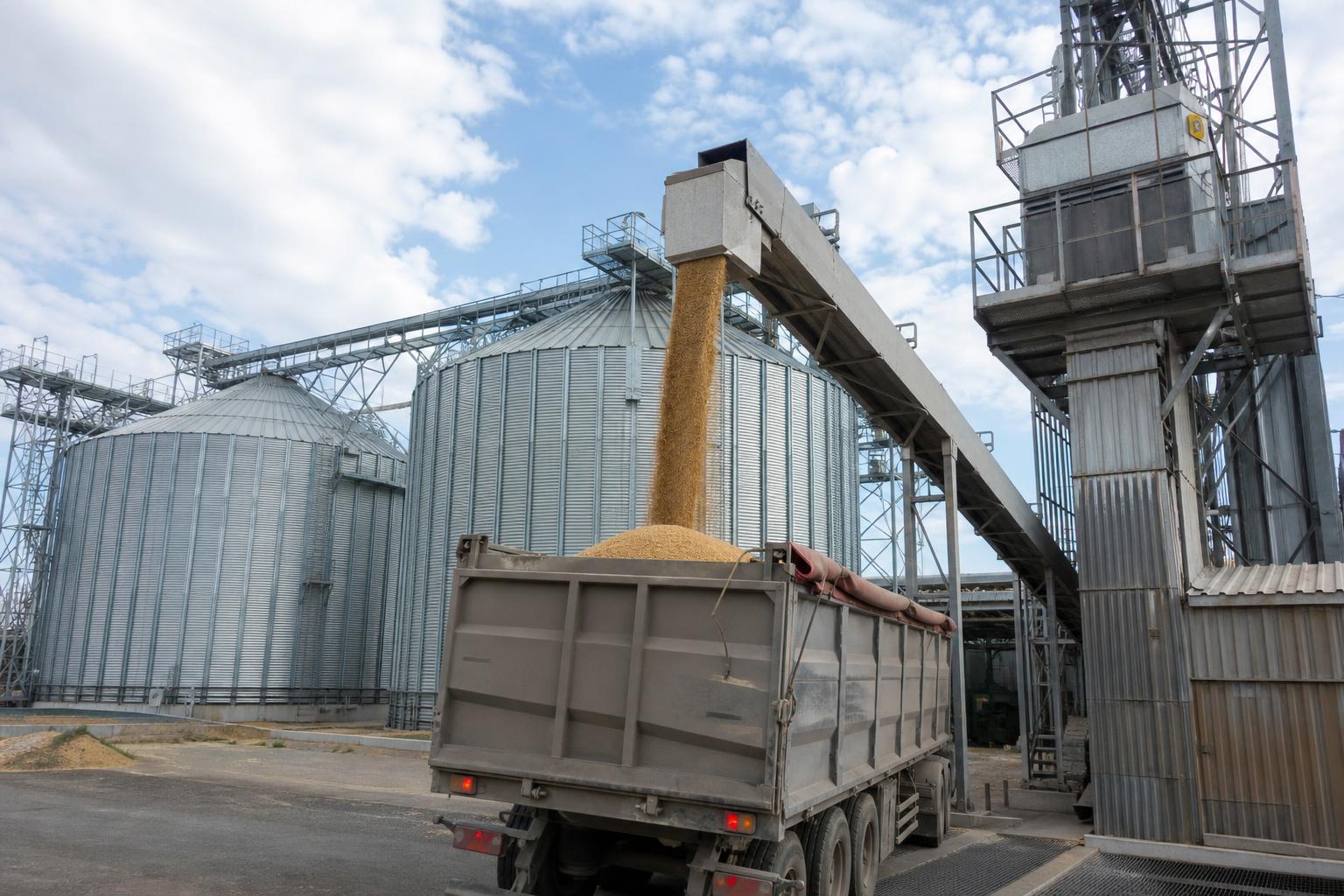
Ukraine's grain and oilseed markets enter the season with a larger sunflower harvest but limited export and processing capacities. Logistics, transport access, port infrastructure, and elevator reliability are key for sellers and buyers.
Ukrainian agri-export in September faces two practical challenges: discrepancy between minimum export prices and actual contracts, and the need for temporary storage in front-line regions. For sellers and carriers, this means greater attention to Incoterms, customs clearance, and contingency plans.
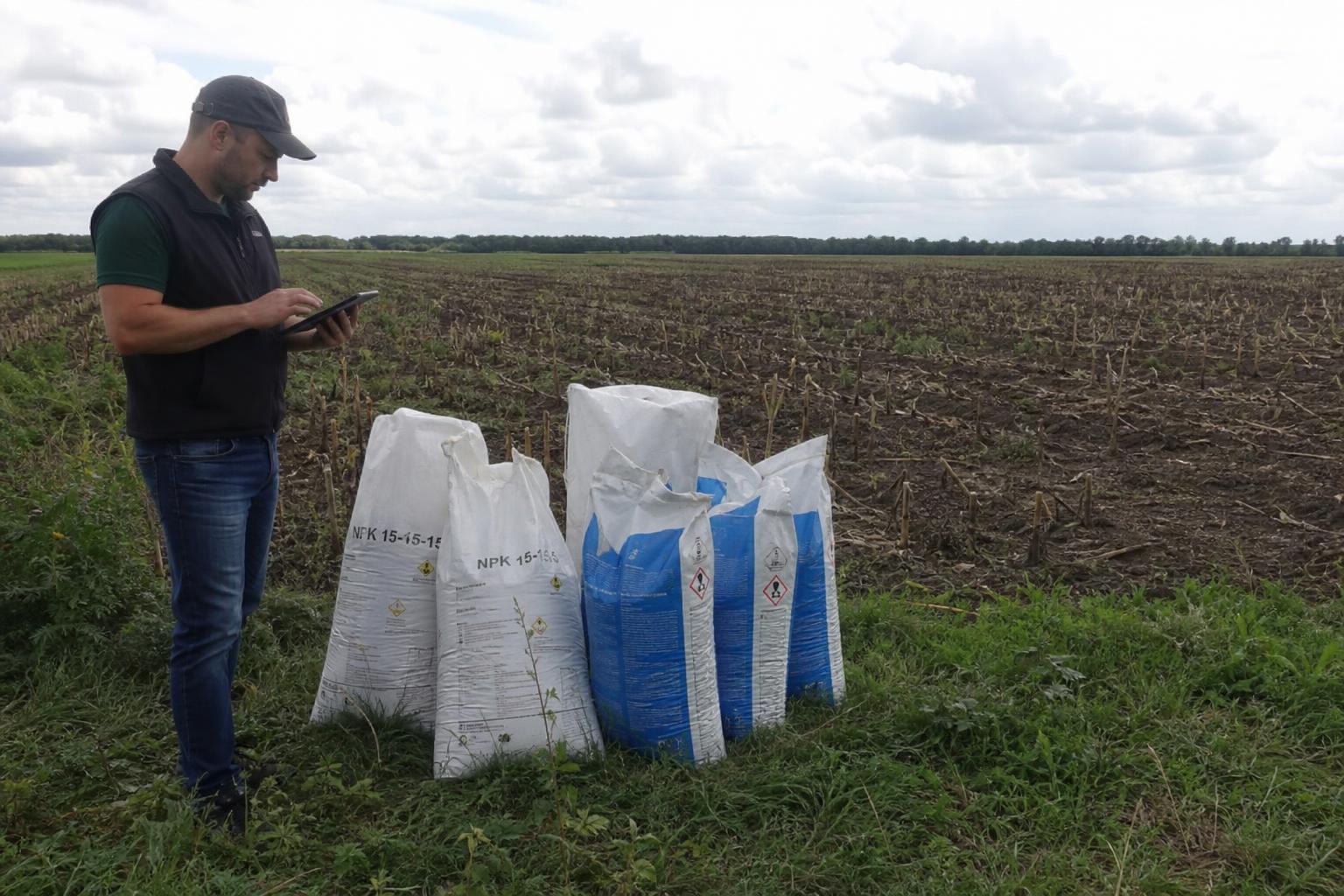
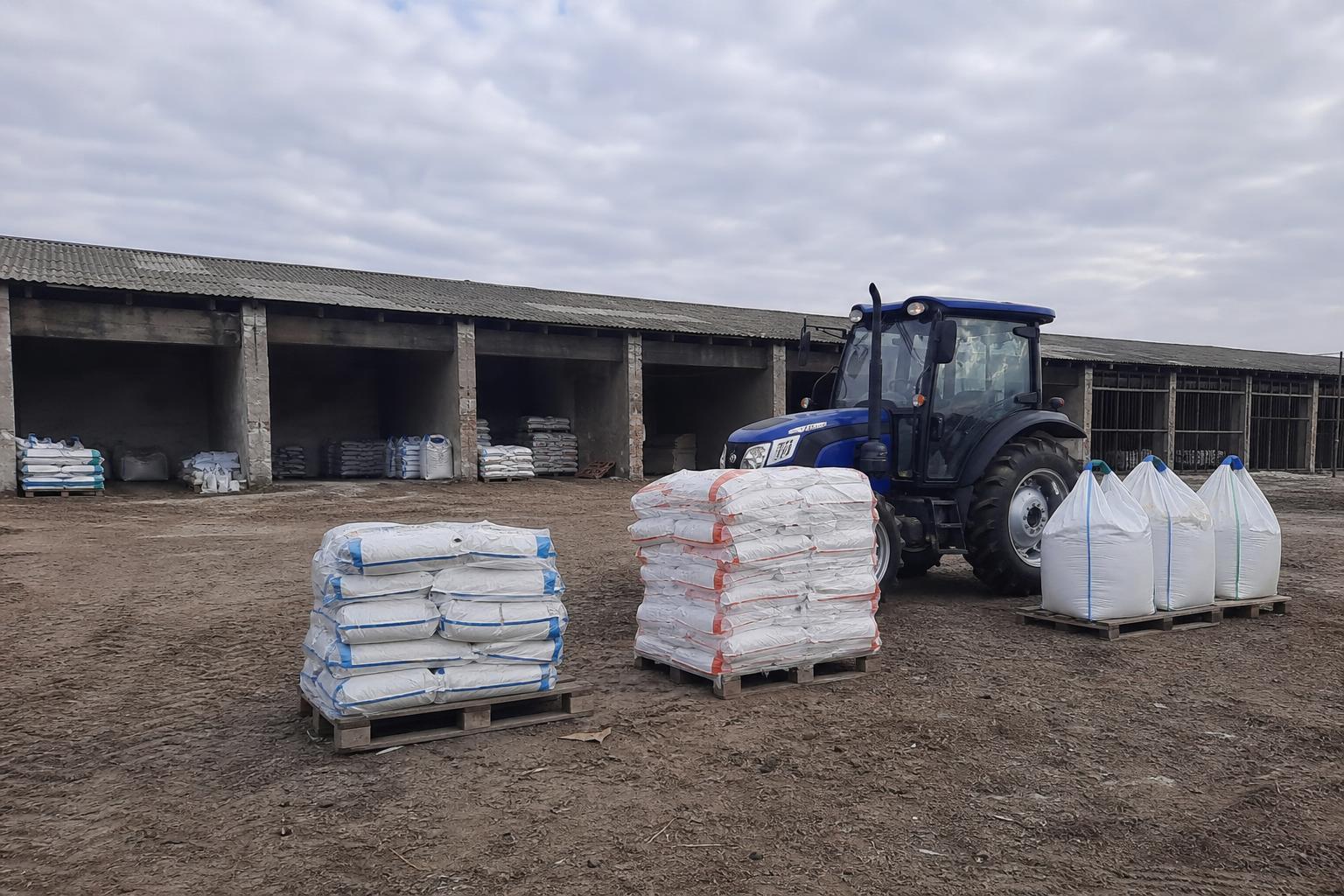
Current harvesting data from Cherkasy region show higher yields for sunflower and soybean compared to last year. This is an opportunity for fertilizer sellers and buyers to plan autumn-winter purchases of NPK, nitrogen products, and microfertilizers tailored to high-removal crops.
The discussion on export duties shifts focus to rapeseed and soy, while sunflower remains a raw material for processing rather than mass export. For carriers, elevators, and traders, this means maintaining the current logistics approach: processing sunflower domestically is more profitable than exporting seeds.
The oilseed market in Ukraine is again shaped by logistics, highlighting the gap between domestic prices and export routes. Ukrzaliznytsia reports increased oil exports by rail, while new harvest sunflower supply pressures procurement prices.
The Cabinet of Ministers allowed the Ministry of Economy to extend settlement deadlines up to 180 days upon exporter requests amid logistical challenges in the Black Sea region.
In Ukraine's grain logistics market, the gap between short and long-distance tariffs is widening. Long hauls are becoming more expensive due to demand to western borders and lower fleet turnover, while short hauls mostly decrease or remain stable.
Ukrainian agro-export faces a complex period: deepwater ports operate with risks, August grain shipments may be the weakest during full-scale war, and the oilseed market depends on route availability and transportation costs.
For the fertilizer segment, the key factor in the coming weeks will be not only agrochemical prices but also farm liquidity. The oilseed market is entering a period of high supply, while export logistics remain unstable — this could shift demand for nitrogen and NPK towards phased procurement.
In the first half of August, Ukraine exported 900,000 tons of agricultural products, with grain experiencing the deepest decline due to logistical challenges. Clear delivery terms, routes, and rapid transport booking are key for traders on AgroPost.
Enter your email and we will send a password reset link.
Don't have an account?
Help improve AgroPost?
With your consent, Google Analytics measures navigation and listing steps. The service does not start without consent. The site works without it.
What we collect and how to change your choice
We send category, language, step number and whether an error or save occurred, not entered values, phone numbers, email addresses or listing text. Your choice is stored in this browser for up to 180 days. Advertising tracking stays disabled.
Use Analytics settings to change your choice. Withdrawing consent reloads the page to stop already loaded services: save any unfinished form first.