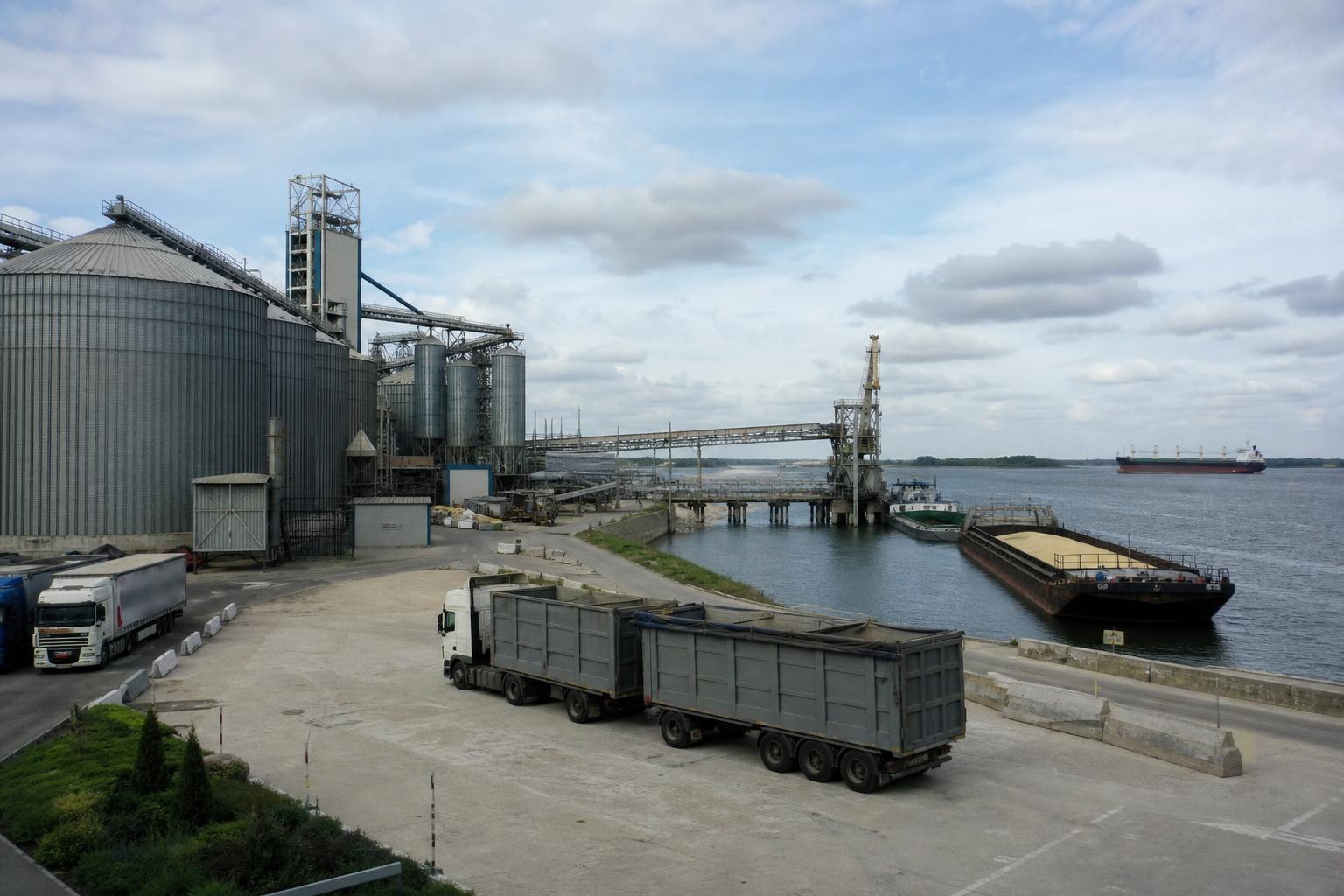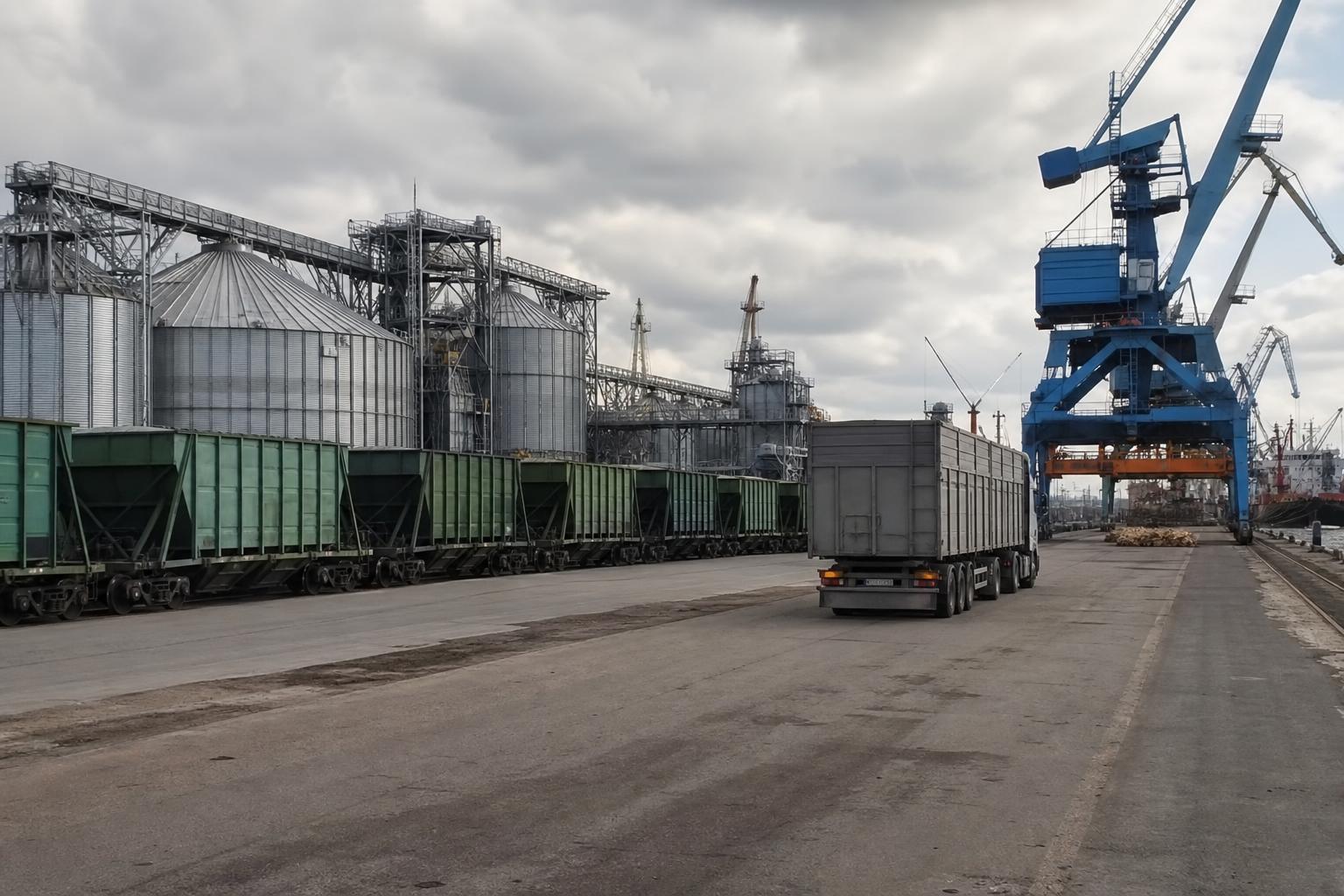
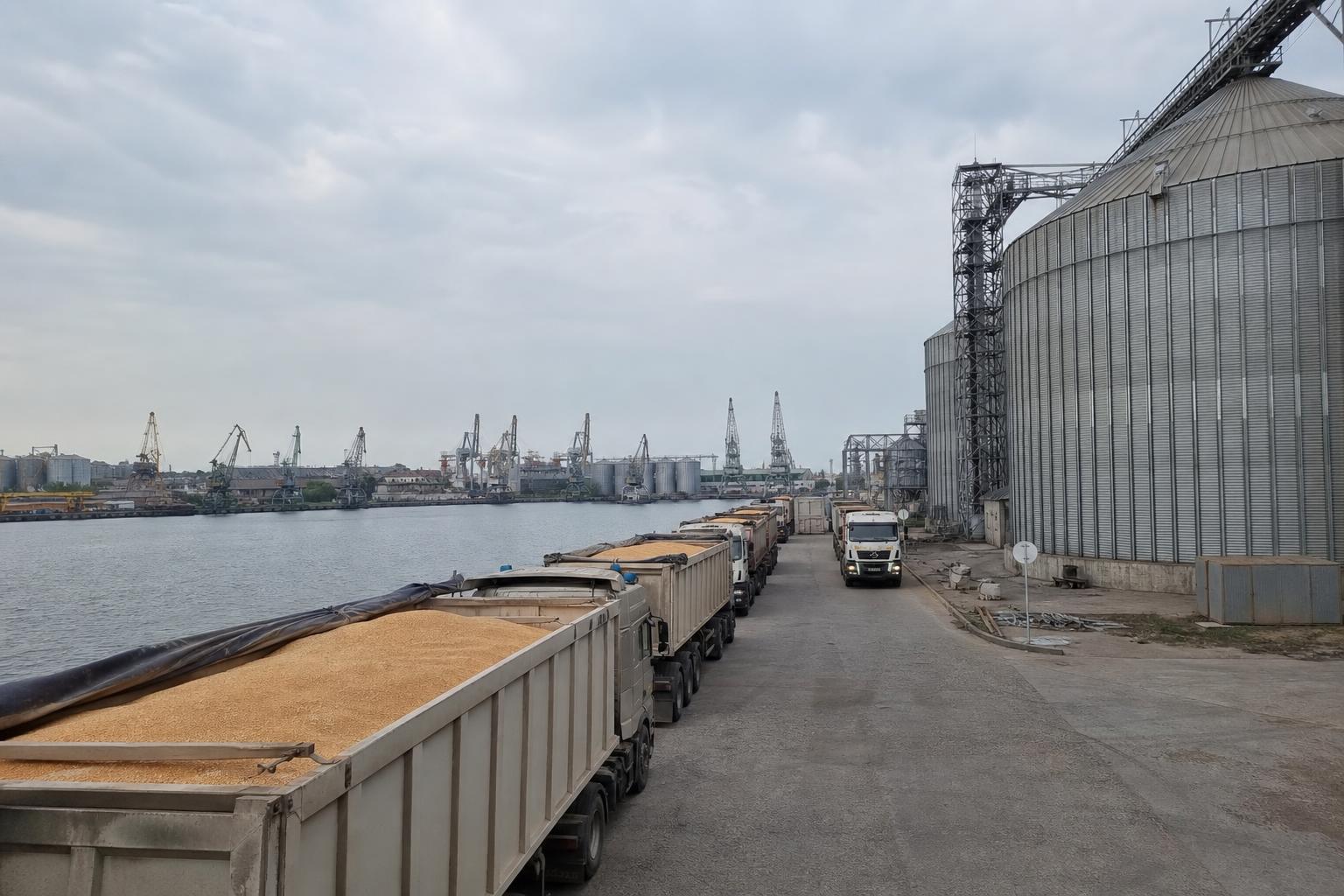
The suspension of a major oilseed processor and exporter in Odesa region highlights key seasonal risks: port logistics depend not only on tariffs and capacities but also on security conditions.
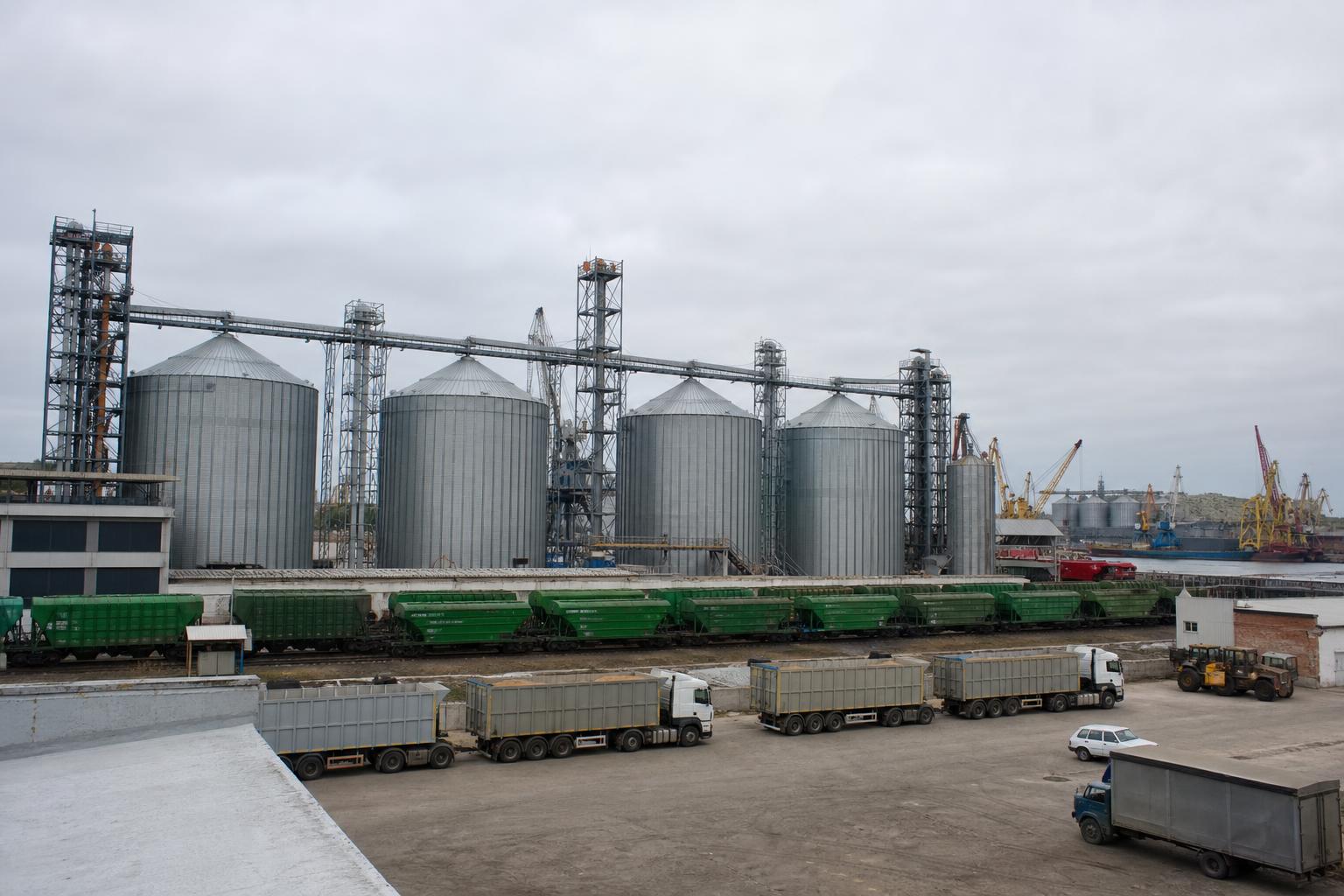
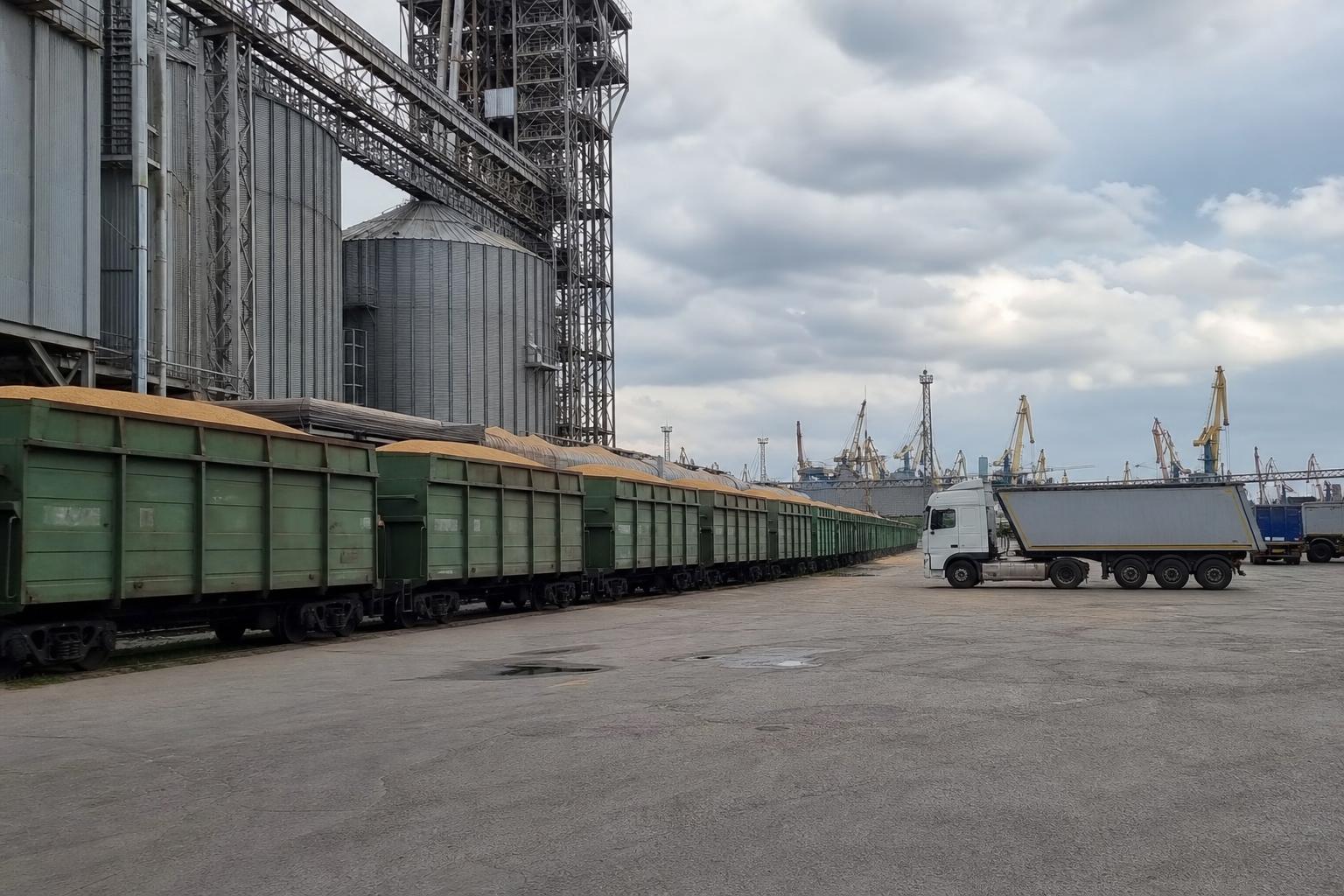
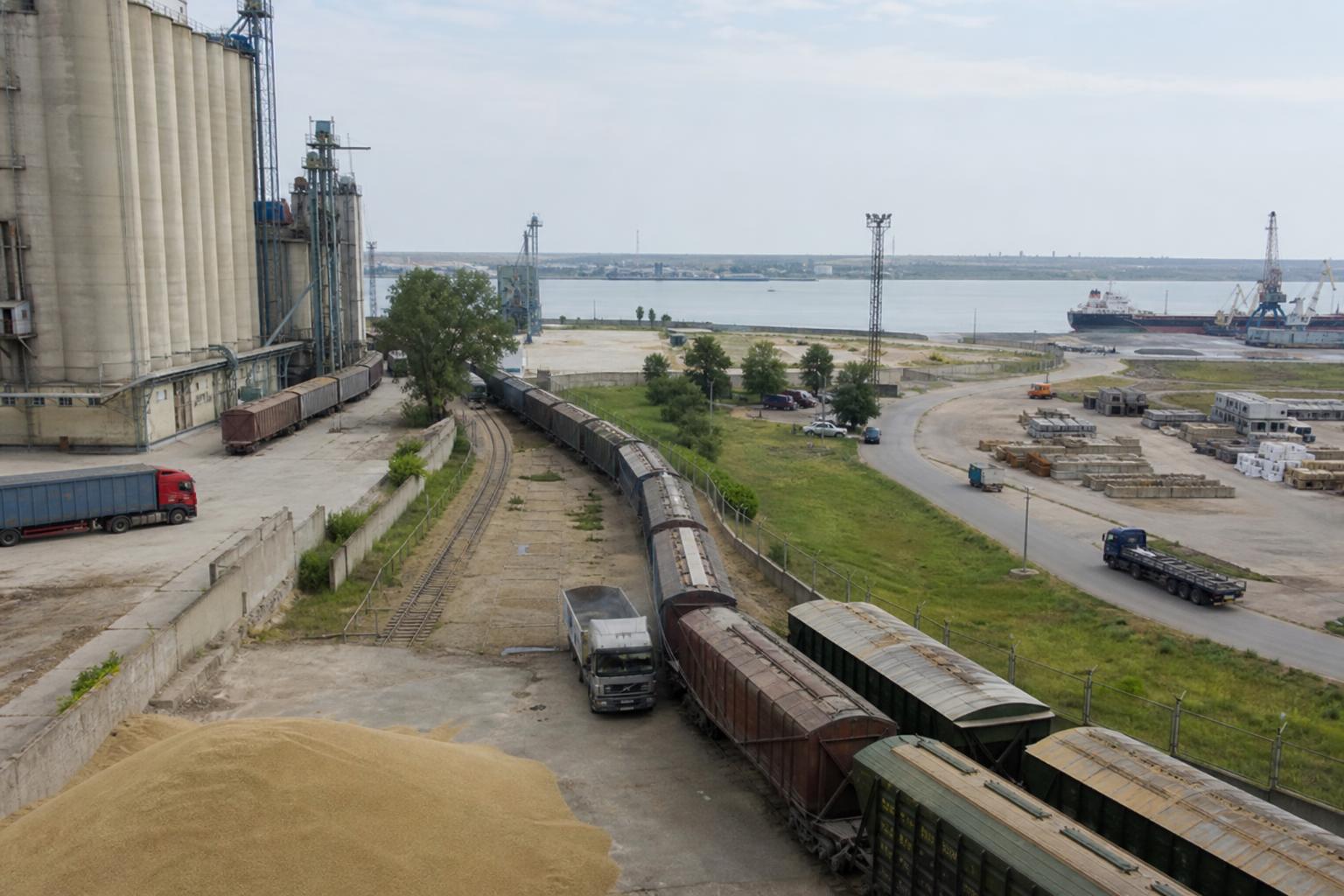
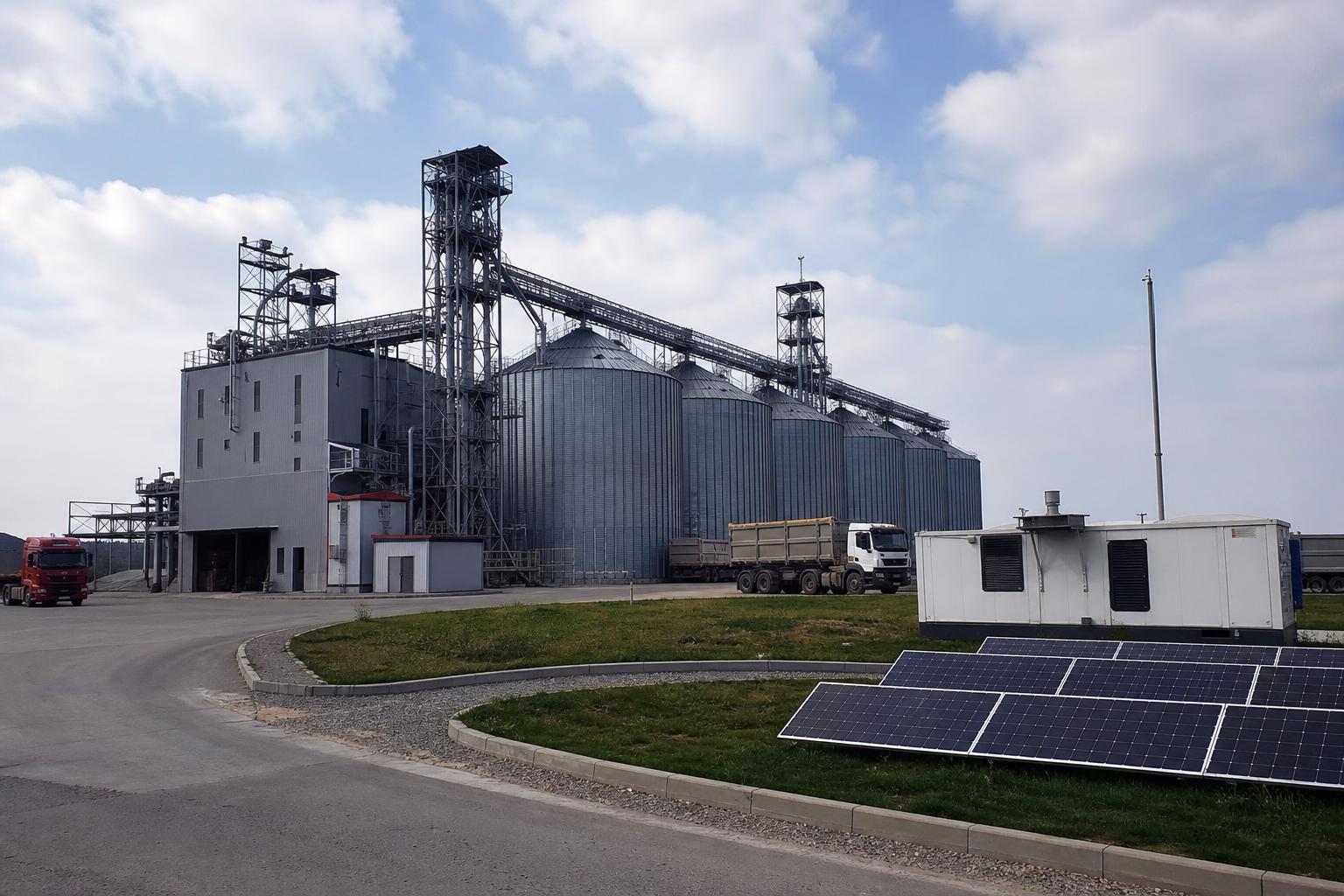
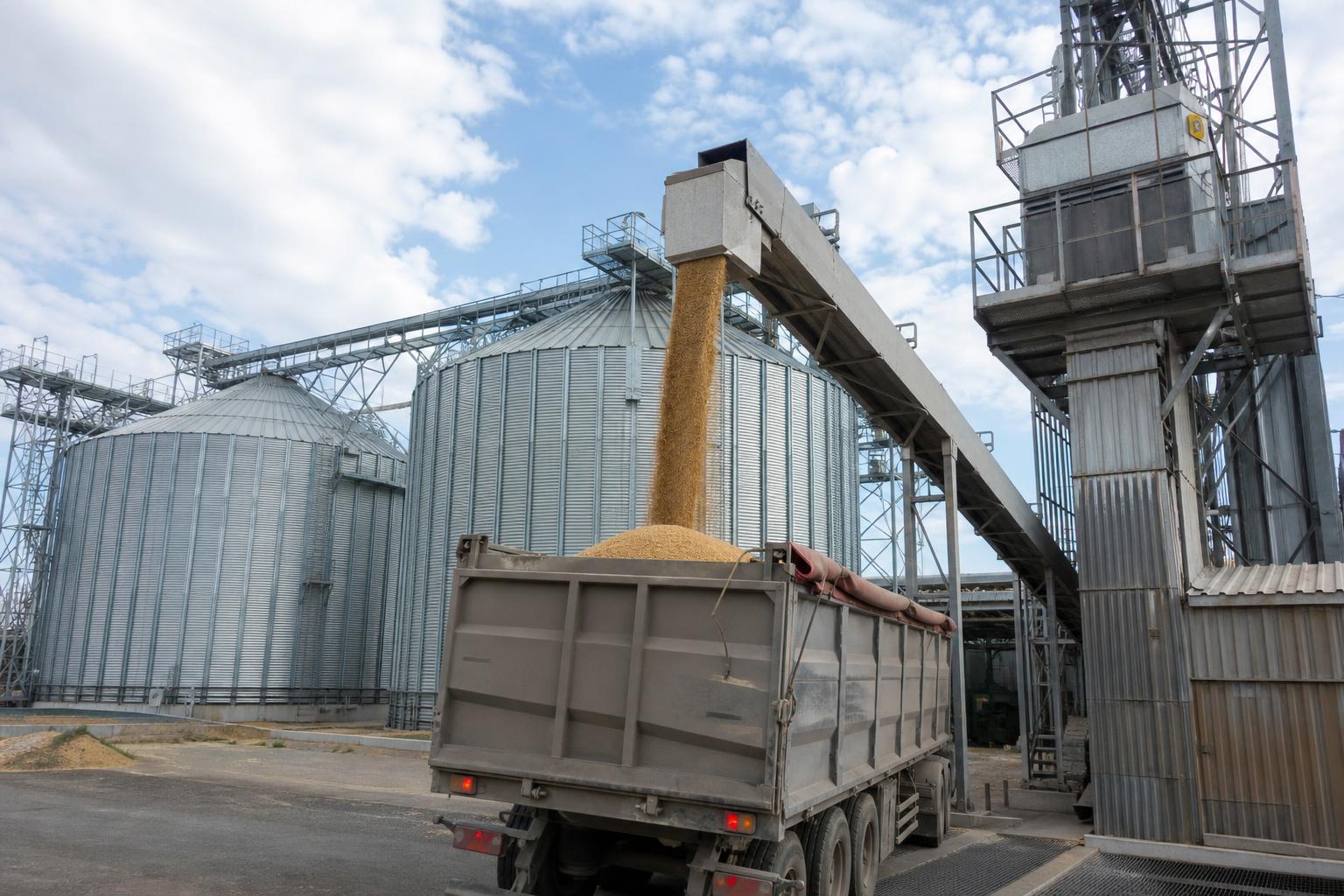
Security issues near Odesa port infrastructure again become a key factor for grain sellers. This leads to increased focus on storage conditions, elevator readiness, alternative routes, and actual margins after logistics.
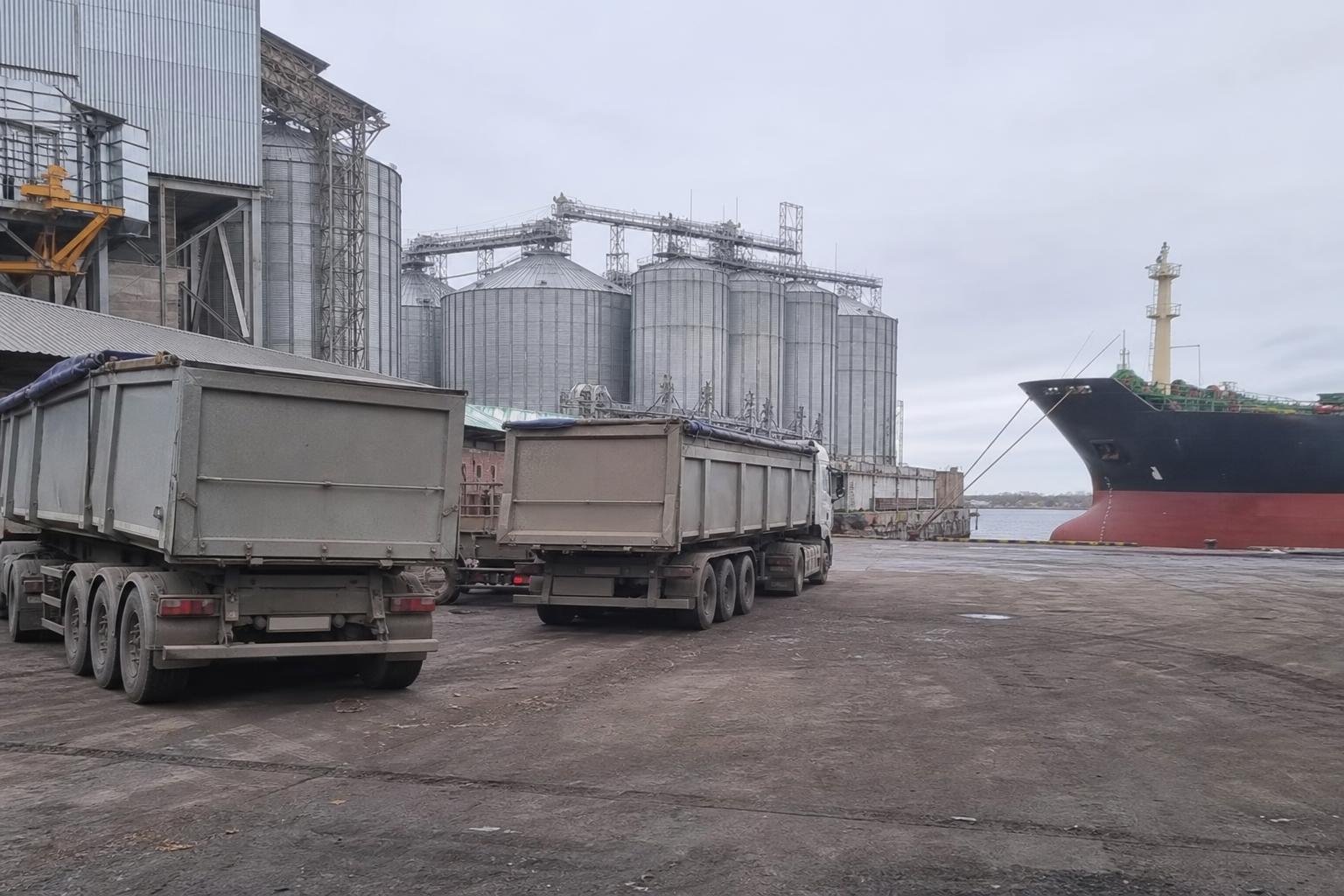
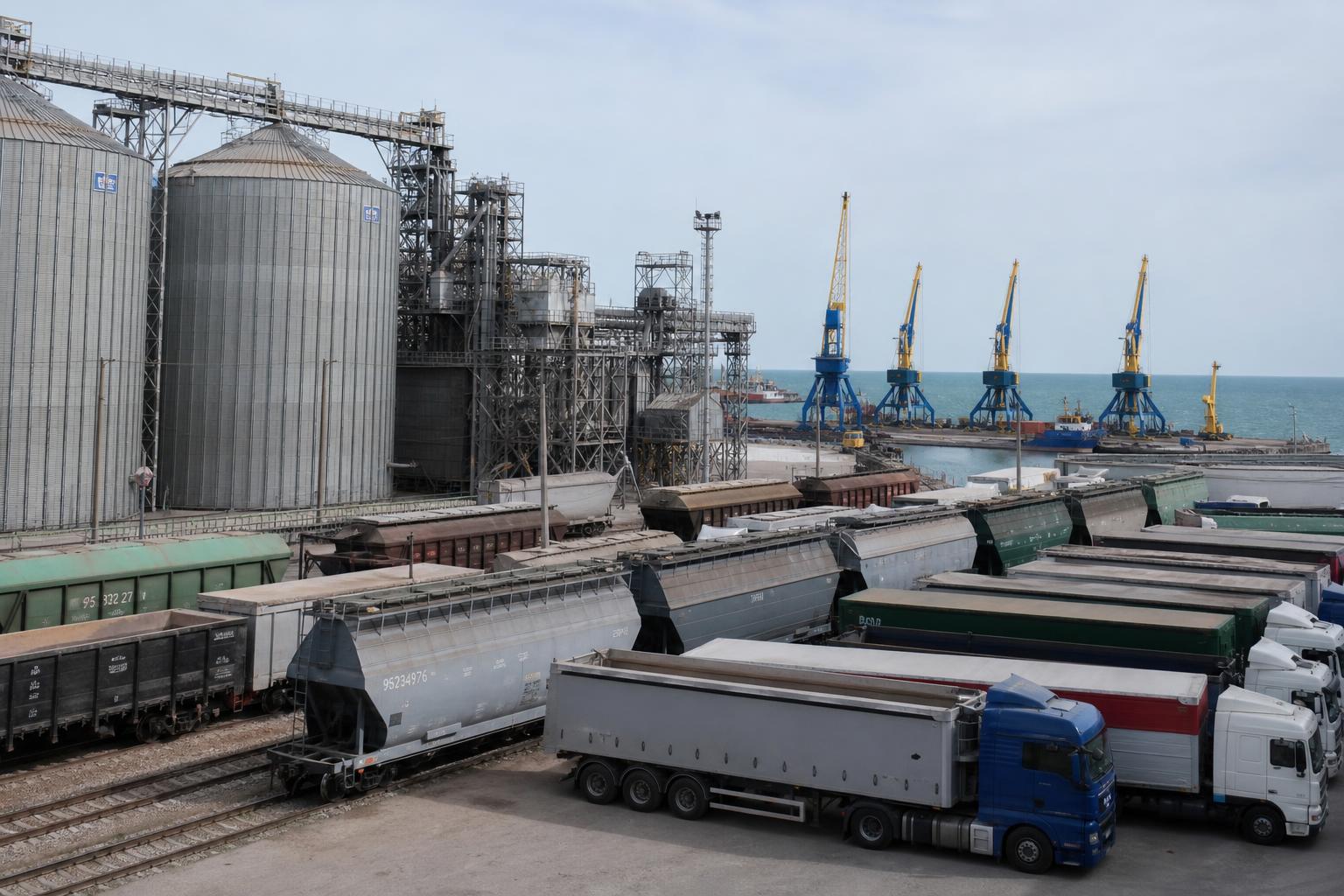
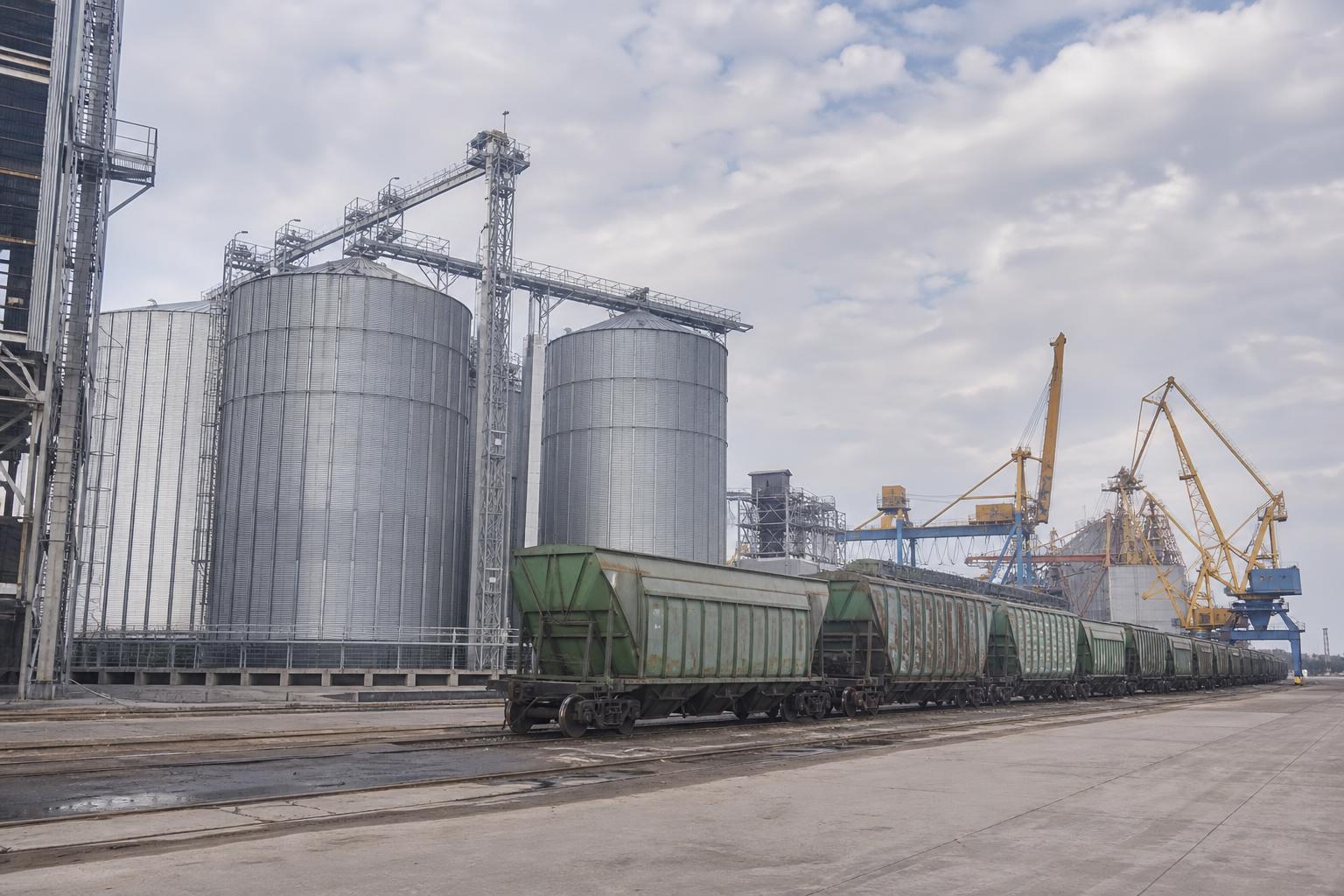
The Black Sea shipping situation remains tense, but the market is not experiencing a full blockade scenario like in 2022. Key factors for agribusiness are alternative routes, transportation costs, and readiness for potential grain export delays.
As of July 22, 2026, Ukraine has exported nearly 2.1 million tons of grains and legumes. The main load on logistics comes from corn and wheat, while flour exports lag behind.
As of July 20, about three ships were heading to Ukrainian seaports, while two with import cargo rerouted to Danube ports. This signals the need for agribusiness to carefully consider delivery terms, port of discharge, and timing in contracts.
As of July 20, some vessels were heading to Ukrainian seaports, but two ships with imported cargo rerouted to Danube ports. This emphasizes the importance of flexible logistics, careful delivery basis selection, and schedule coordination for the grain market.
Following the attack on a civilian dry cargo ship with Ukrainian corn, maritime logistics again face risks impacting agro-export. Sellers and buyers on AgroPost should pay closer attention to delivery terms, shipment schedules, insurance, and alternative routes.
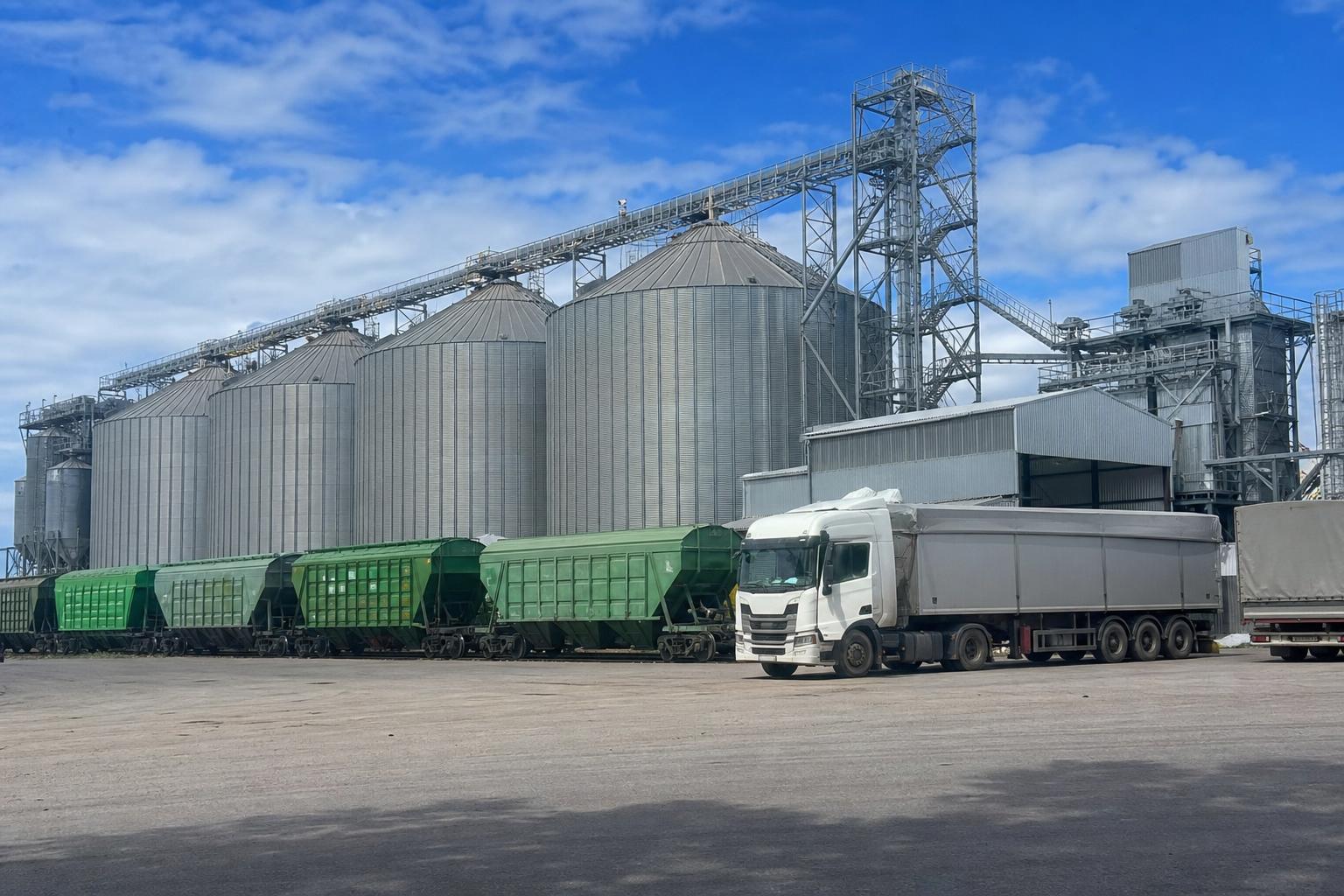
Ukrainian grain sector is entering a period where the price of a shipment increasingly depends not only on quality and delivery basis but also on the reliability of elevator operations and maritime logistics risks.
In the first half of July, attacks on port infrastructure increased export risks, while Ukrzaliznytsia recorded a decrease in daily grain loading. This requires producers and buyers to plan shipments, delivery terms, and contract deadlines more carefully.
In July, security factors once again became crucial for grain logistics. Attacks on ports, reduced acceptance at Chornomorsk, and cautious sales by farmers decreased daily grain railway loads.
In the first half of 2026, Ukrainian seaports processed 23.6 million tons of agricultural products, a 20% increase year-over-year. Security risks in the Black Sea are prompting a shift towards alternative routes, notably Danube river transport.
In the first half of 2026, Ukrainian seaports processed 23.6 million tons of agricultural products, a 20% increase year-over-year. At the same time, attacks on port infrastructure and vessels heighten uncertainty for exporters, elevators, and grain sellers. Alternative routes, including Danube logistics, remain vital for supply insurance.
Enter your email and we will send a password reset link.
Don't have an account?
Help improve AgroPost?
With your consent, Google Analytics measures navigation and listing steps. The service does not start without consent. The site works without it.
What we collect and how to change your choice
We send category, language, step number and whether an error or save occurred, not entered values, phone numbers, email addresses or listing text. Your choice is stored in this browser for up to 180 days. Advertising tracking stays disabled.
Use Analytics settings to change your choice. Withdrawing consent reloads the page to stop already loaded services: save any unfinished form first.