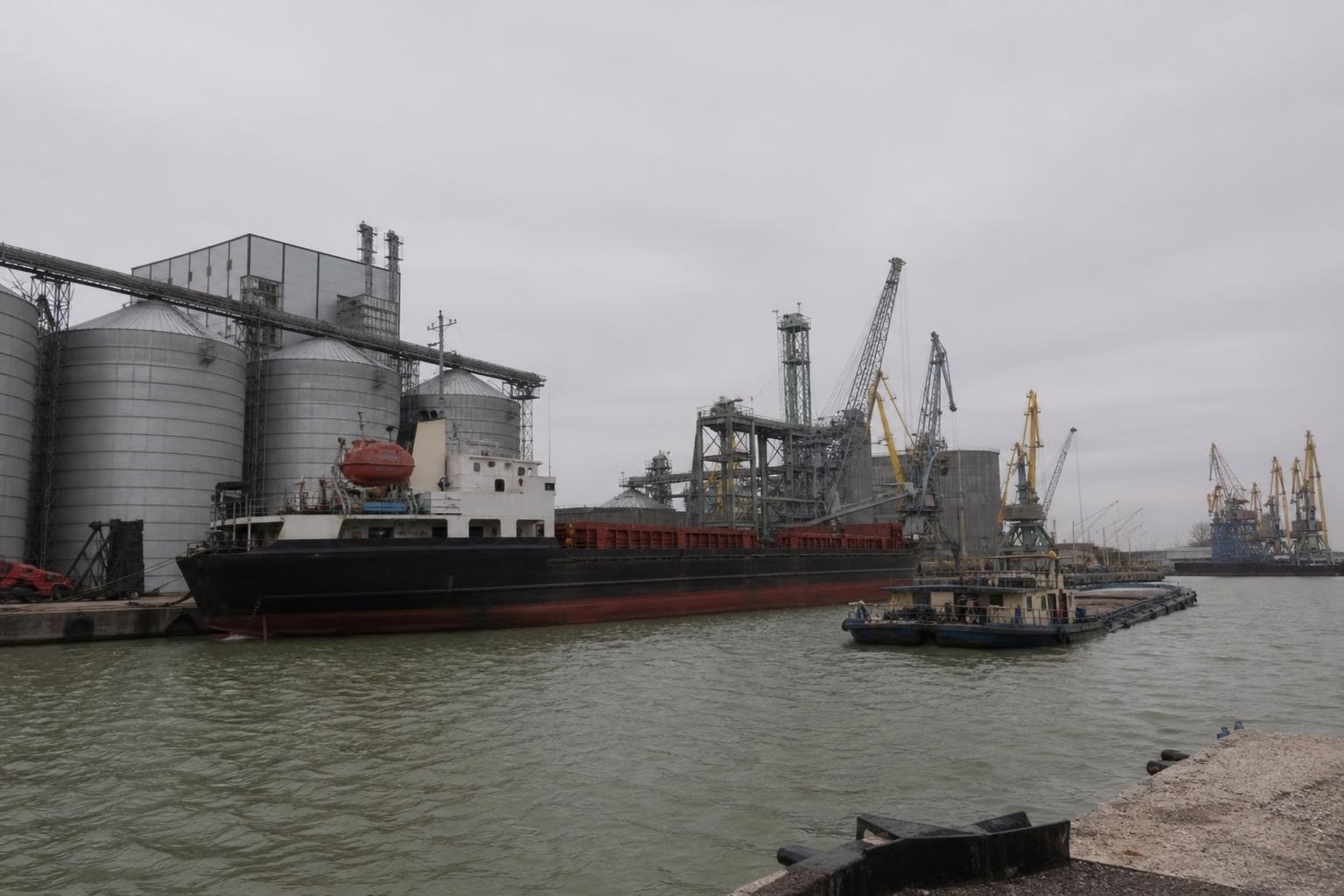
Danube Freight to Egypt Rises to $90–95/ton: Impact on Grain Logistics
Rates from Ukrainian Danube ports to Egypt increased to $90–95/ton as of August 31. The market reacts to fleet shortages, high demand, and Suez Canal congestion.
Agropost
We collect original digests and analytical notes based on facts, market signals and verified sources.
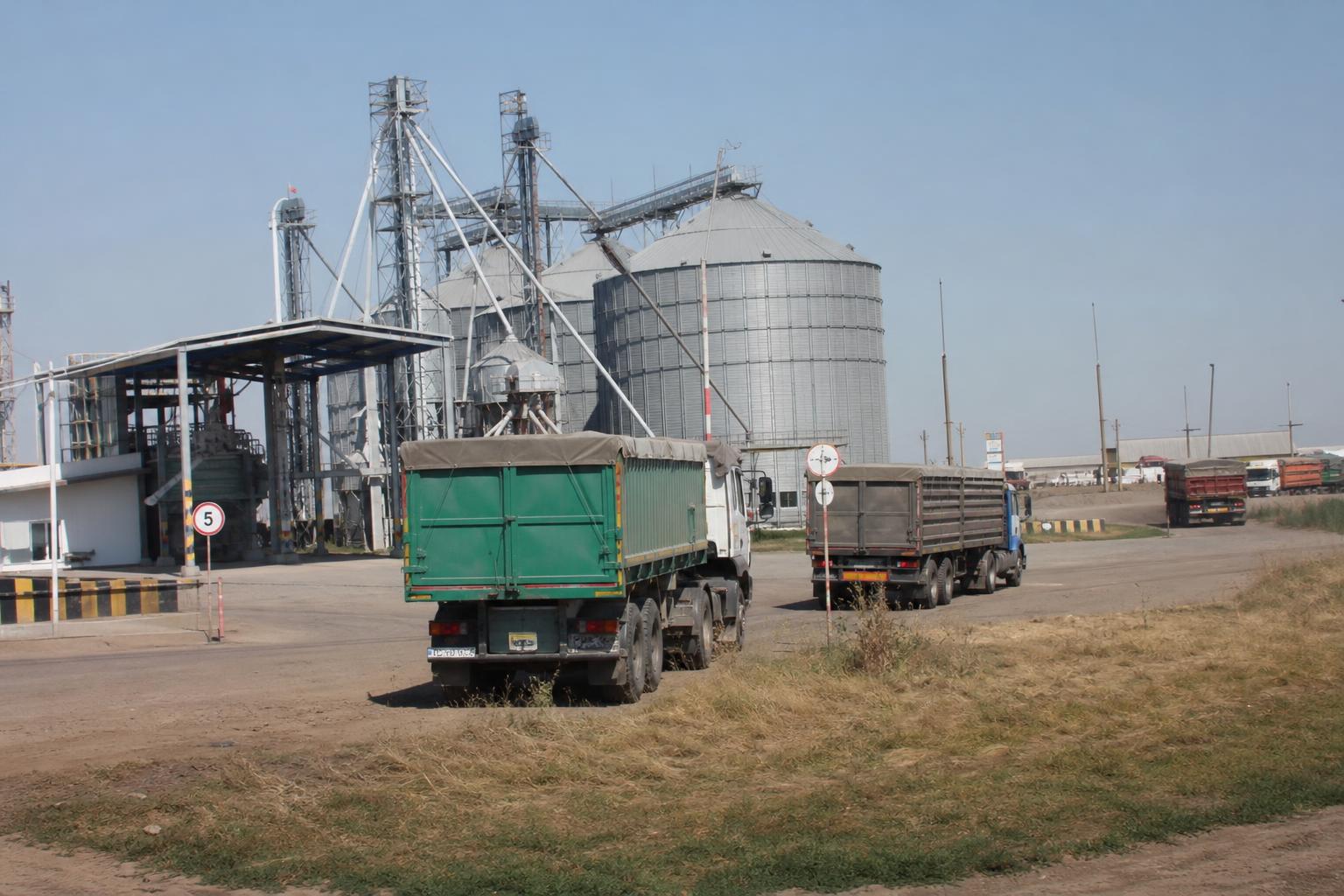
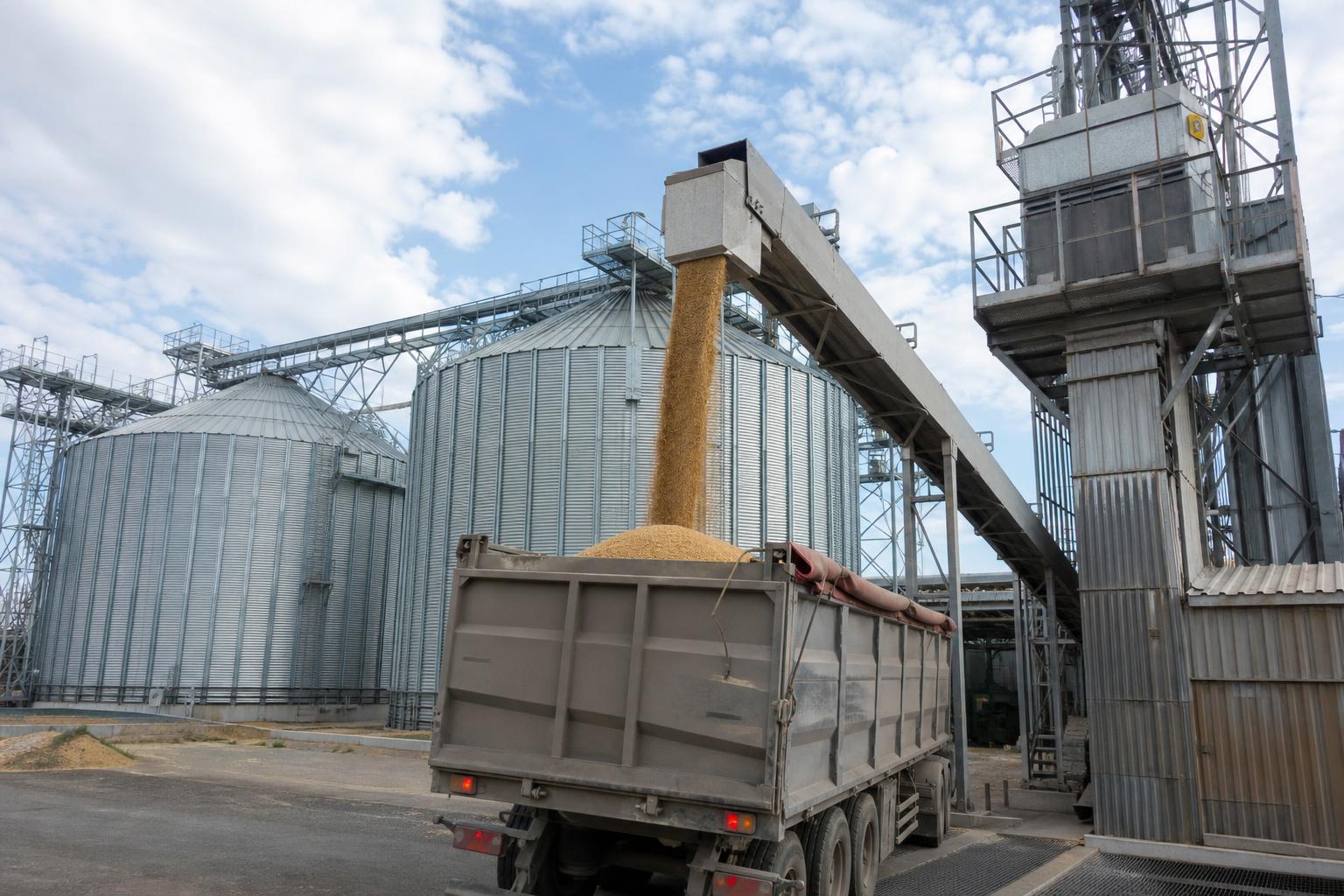
According to the company, its elevators have accepted over 1 million tons of 2026 harvest grain. This highlights the importance of elevator infrastructure and alternative routes in grain delivery amid wartime restrictions.
Rates from Ukrainian Danube ports to Egypt increased to $90–95/ton as of August 31. The market reacts to fleet shortages, high demand, and Suez Canal congestion.
Ukrainian orchards remain focused on scab and alternaria. Amid active harvest of autumn apple varieties, producers need to maintain fruit quality and plan preventive treatments proactively, without waiting for visible symptoms.
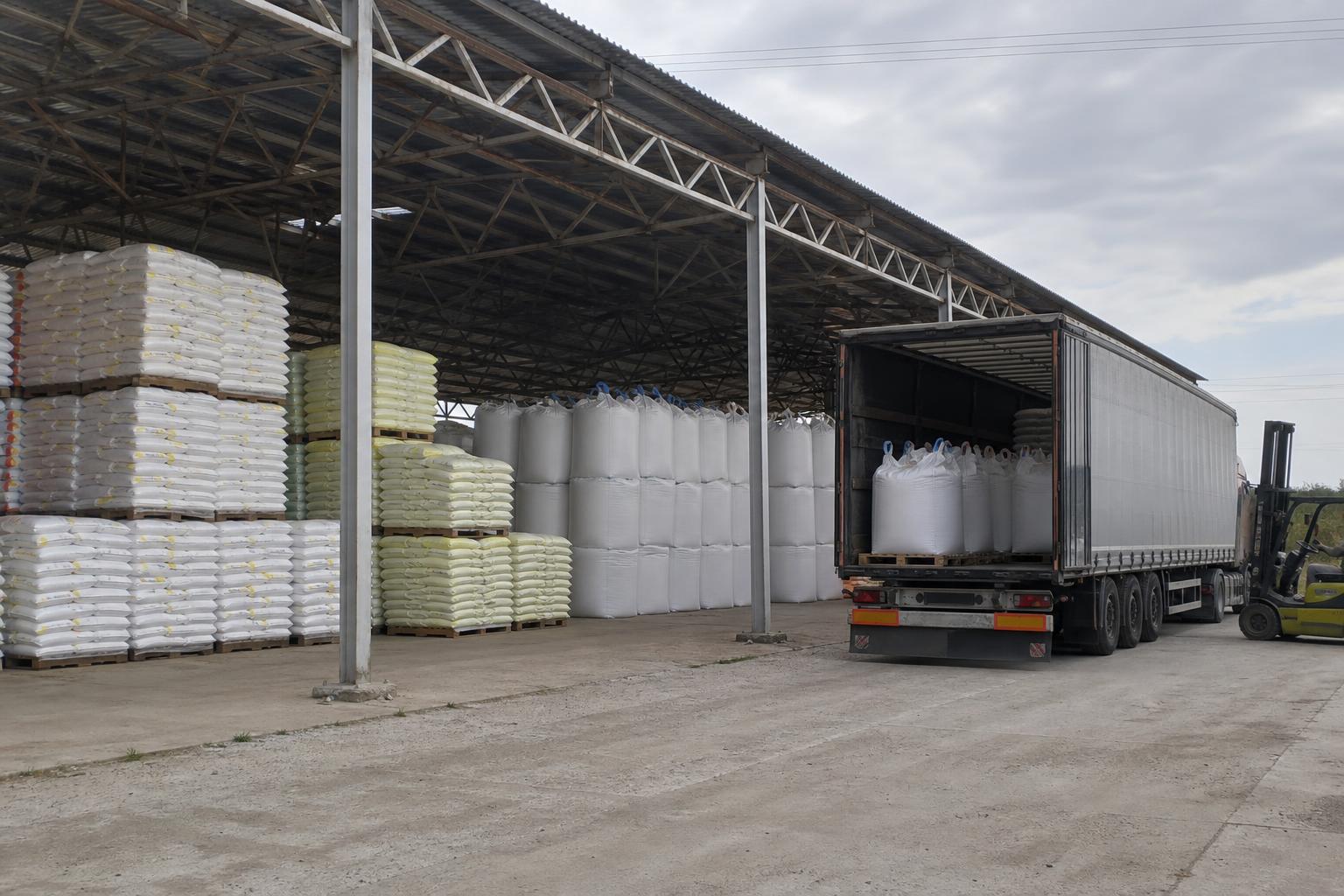
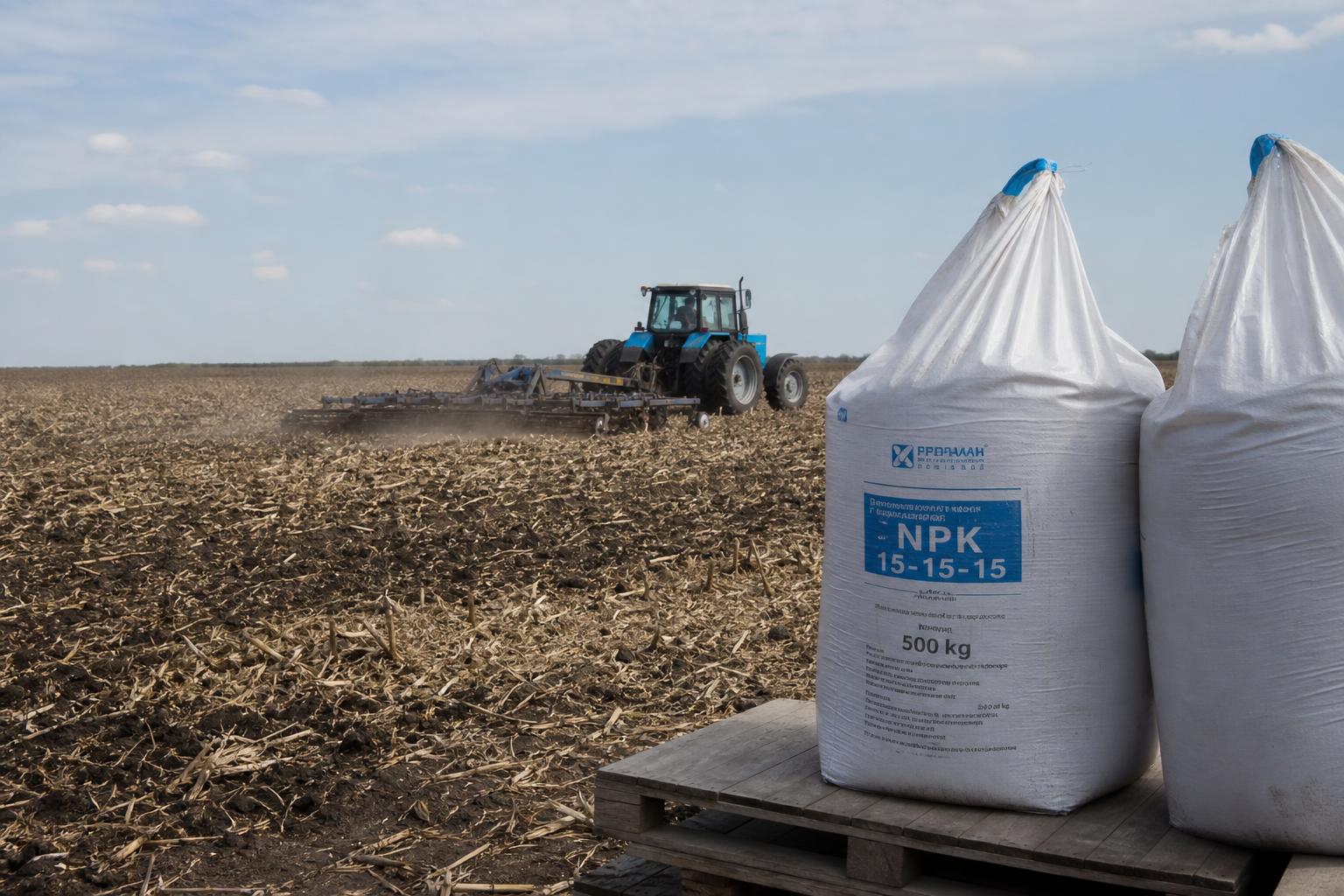
There are no direct price indicators for nitrogen fertilizers or NPK in the provided sources; however, an important logistical signal exists: freight rates from Ukrainian Danube ports have sharply increased due to fleet shortages and Sulin Channel congestion. For buyers and sellers of fertilizers, this is a reason to pay closer attention to delivery terms, timing, and costs in commercial proposals.
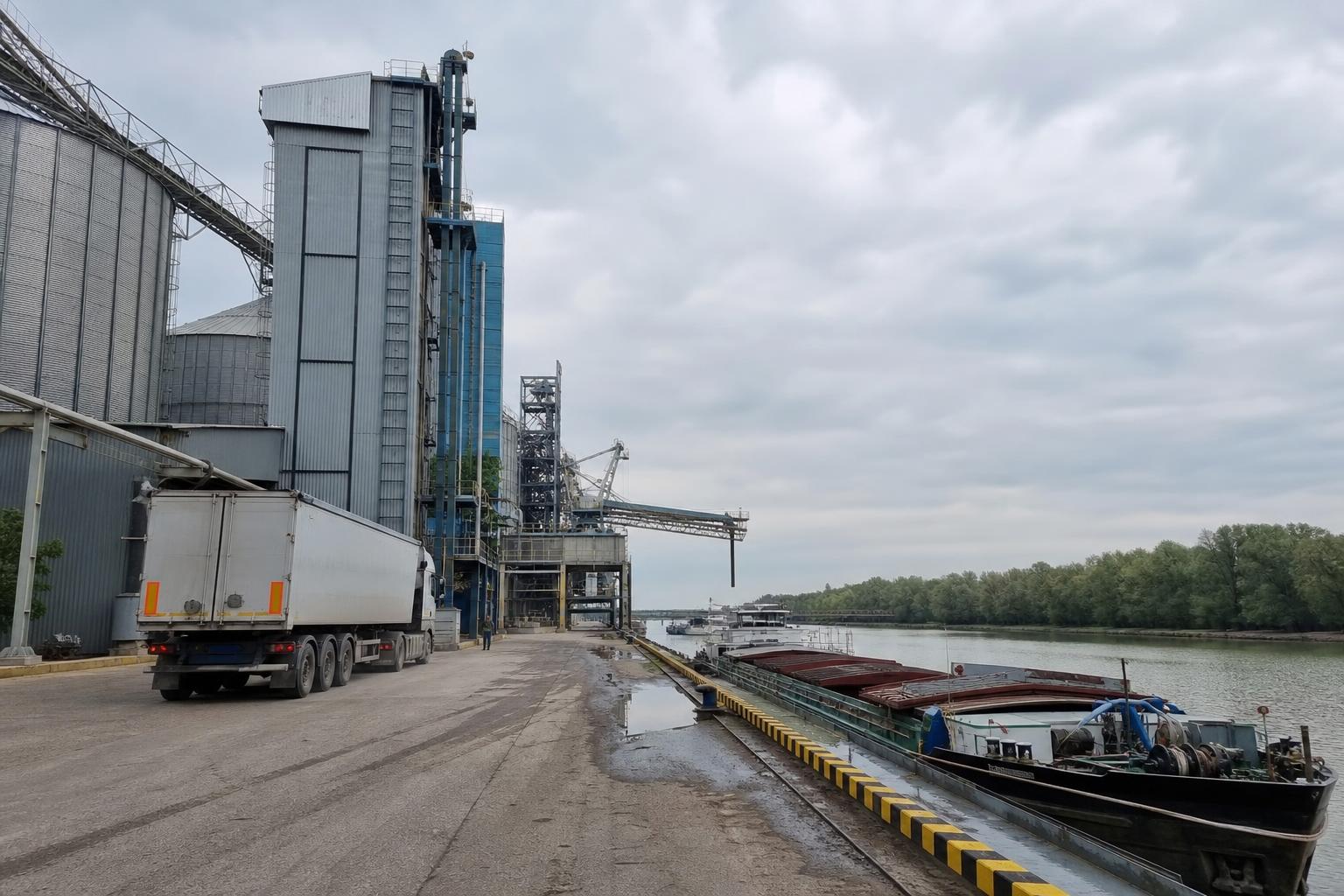
Freight rates from Ukrainian Danube ports to Egypt, according to ASAP Agri, reached $90–95/ton as of August 31. Over 10 days, this increase is estimated at about $27/ton, intensifying pressure on export margins and prompting more careful logistics planning when selling grain.
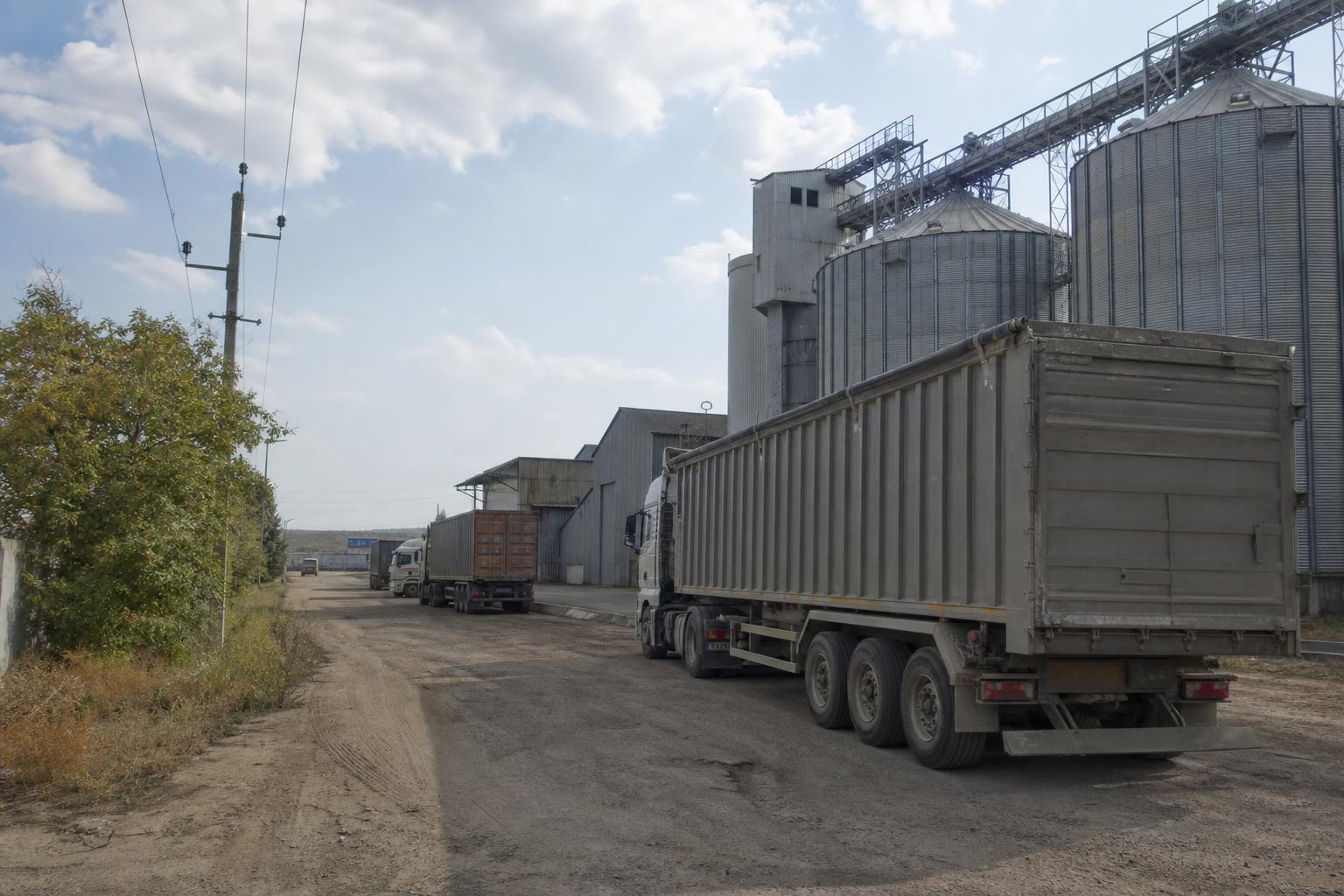
In early September, Ukrainian agrilogistics remains under pressure: rising freight rates from Danube ports, limited tonnage complicate exports, and small producers have weaker positions in accessing railcars, trucks, and storage.
Ukrainian companies planning to export corn and soybeans to China must prepare phytosanitary certificates for cultivation and storage sites. This signals that plant protection measures should be well-documented and effective.
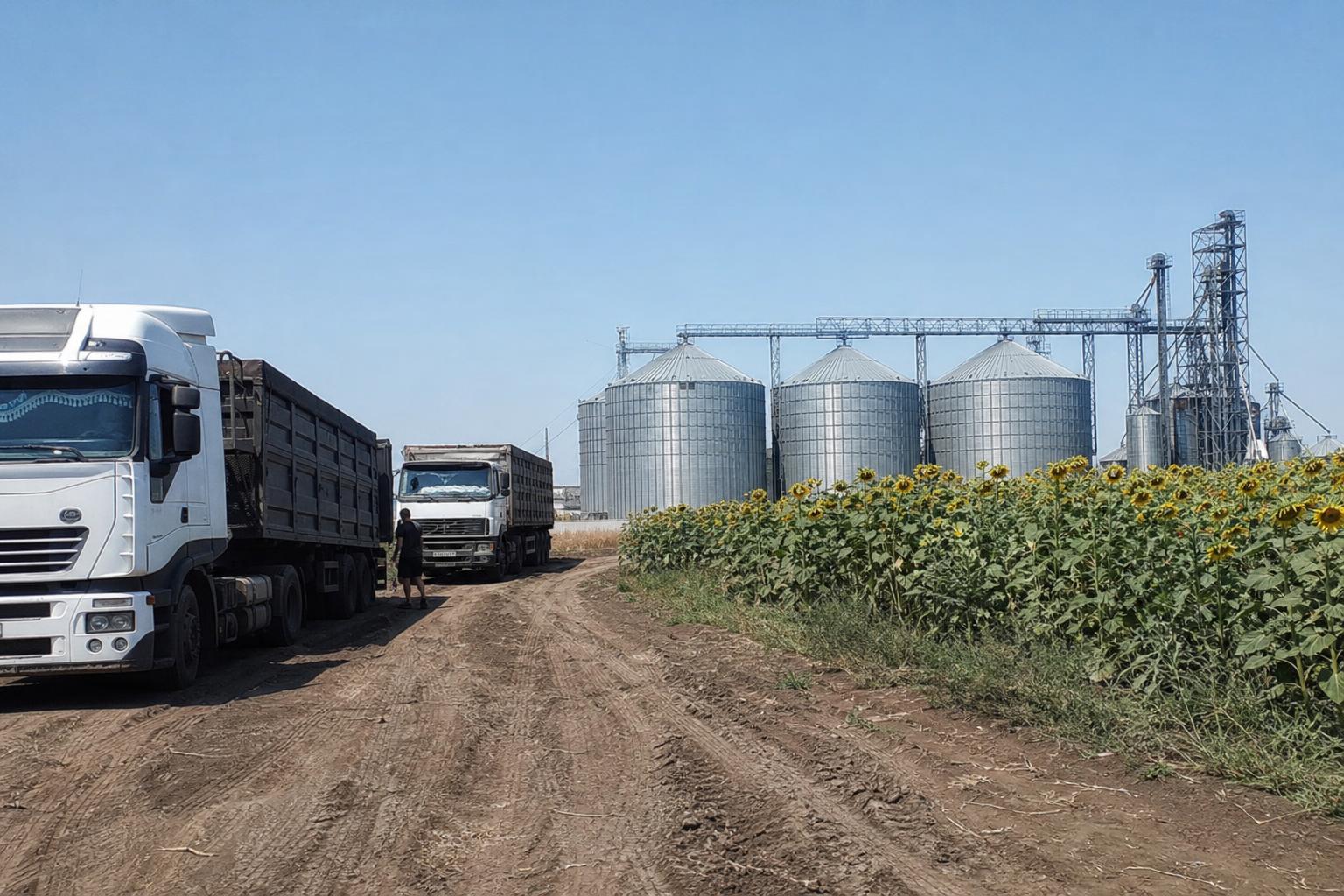
The beginning of sunflower harvesting in Mykolaiv region signals to carriers, elevators, and traders: demand for transport will grow in waves, making planning more crucial than ever.
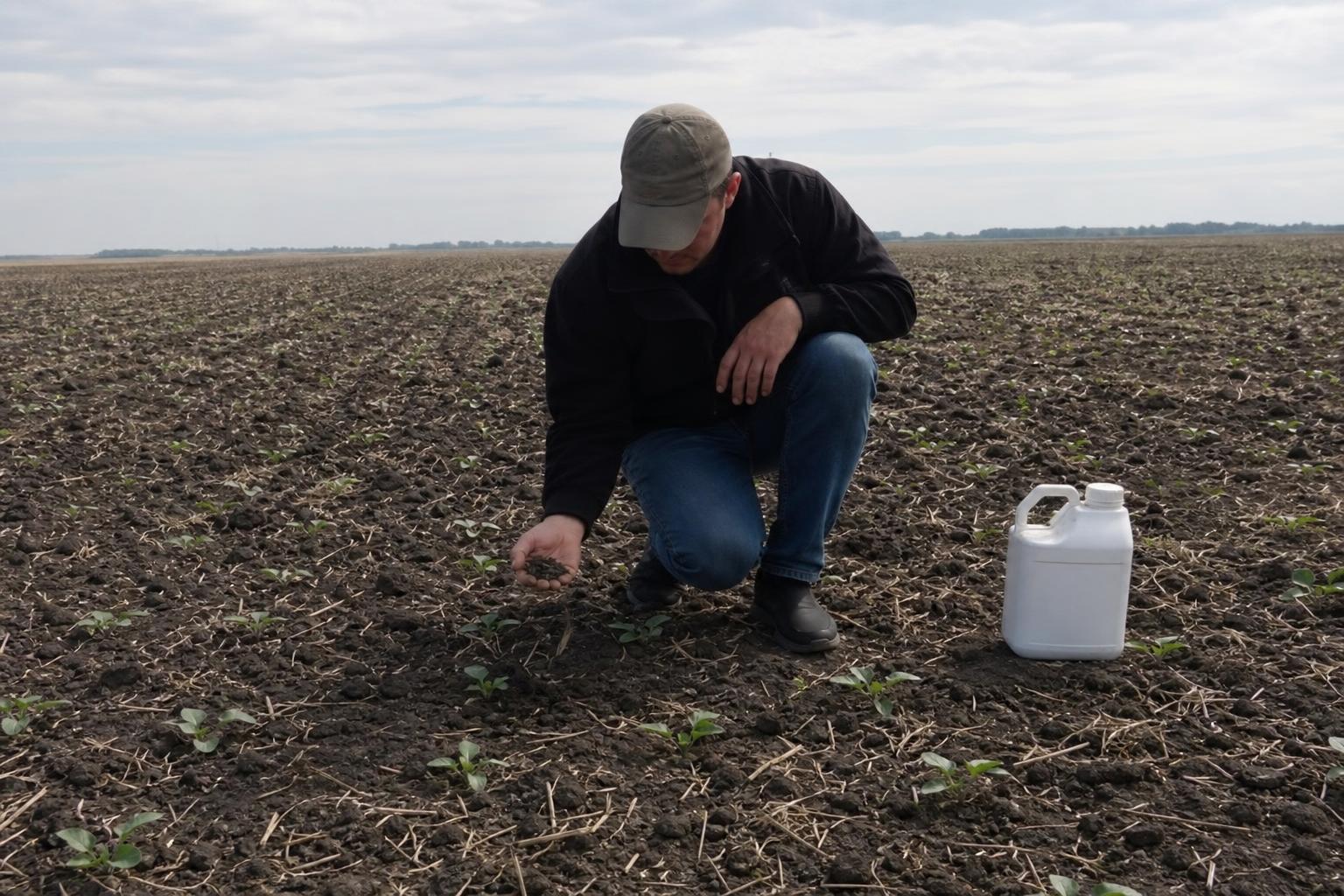
Autumn crop protection in Ukraine faces high uncertainty amid moisture deficits, prompting cautious herbicide, fungicide, and seed treatment procurement and increased demand for flexible protection schemes.
In southern regions, moisture deficit already affects field work schedules. For the fertilizer market, this means cautious procurement for winter crops, increased attention to logistics with small batches, and aligning NPK and nitrogen supplies with actual soil conditions.
Against the backdrop of late harvests in the south and moisture shortages, the elevator segment must prepare for irregular supplies, increased importance of temporary storage, and more careful logistics planning.
In Ukraine's grain logistics market, the gap between short and long-distance tariffs is widening. Long hauls are becoming more expensive due to demand to western borders and lower fleet turnover, while short hauls mostly decrease or remain stable.
Expected reduction in winter wheat sown areas may lead to more cautious demand for grain crop protection products, while the winter rapeseed segment is forecasted to remain more stable. For suppliers and buyers, precise planning of herbicides, seed treatments, fungicides, and insecticides based on actual sowing structures becomes crucial.
Sign in to manage requests, save contacts and respond to market offers quickly.
Continue with GoogleSign in to manage requests, save contacts and respond to market offers quickly.
Continue with GoogleEnter your email and we will send a password reset link.
Don't have an account?
With your consent, Google Analytics measures navigation and listing steps. The service does not start without consent. The site works without it.
We send category, language, step number and whether an error or save occurred, not entered values, phone numbers, email addresses or listing text. Your choice is stored in this browser for up to 180 days. Advertising tracking stays disabled.
Use Analytics settings to change your choice. Withdrawing consent reloads the page to stop already loaded services: save any unfinished form first.