Wheat at Ukrainian Ports Gains $3–5/t: Grain Market Trends
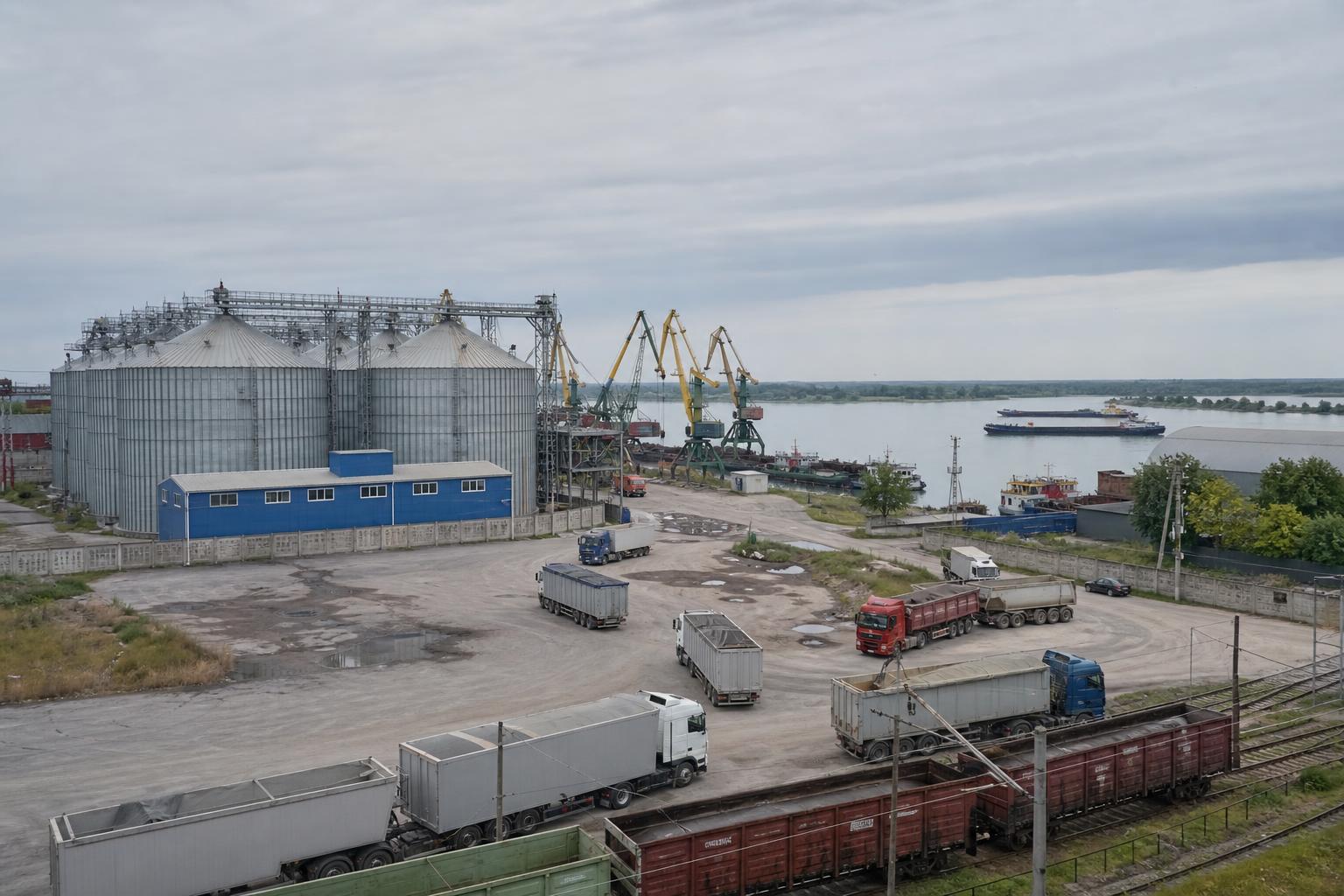
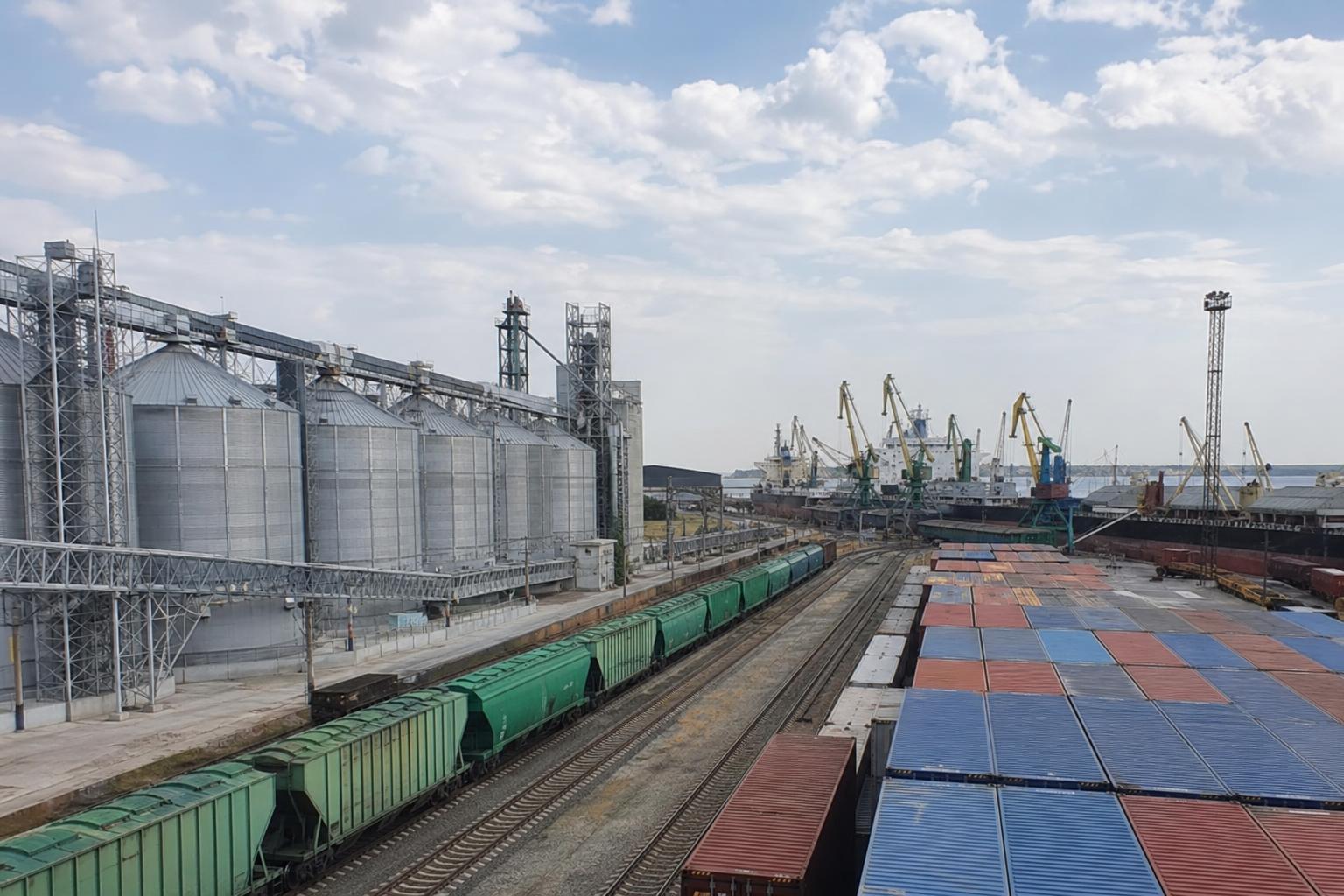
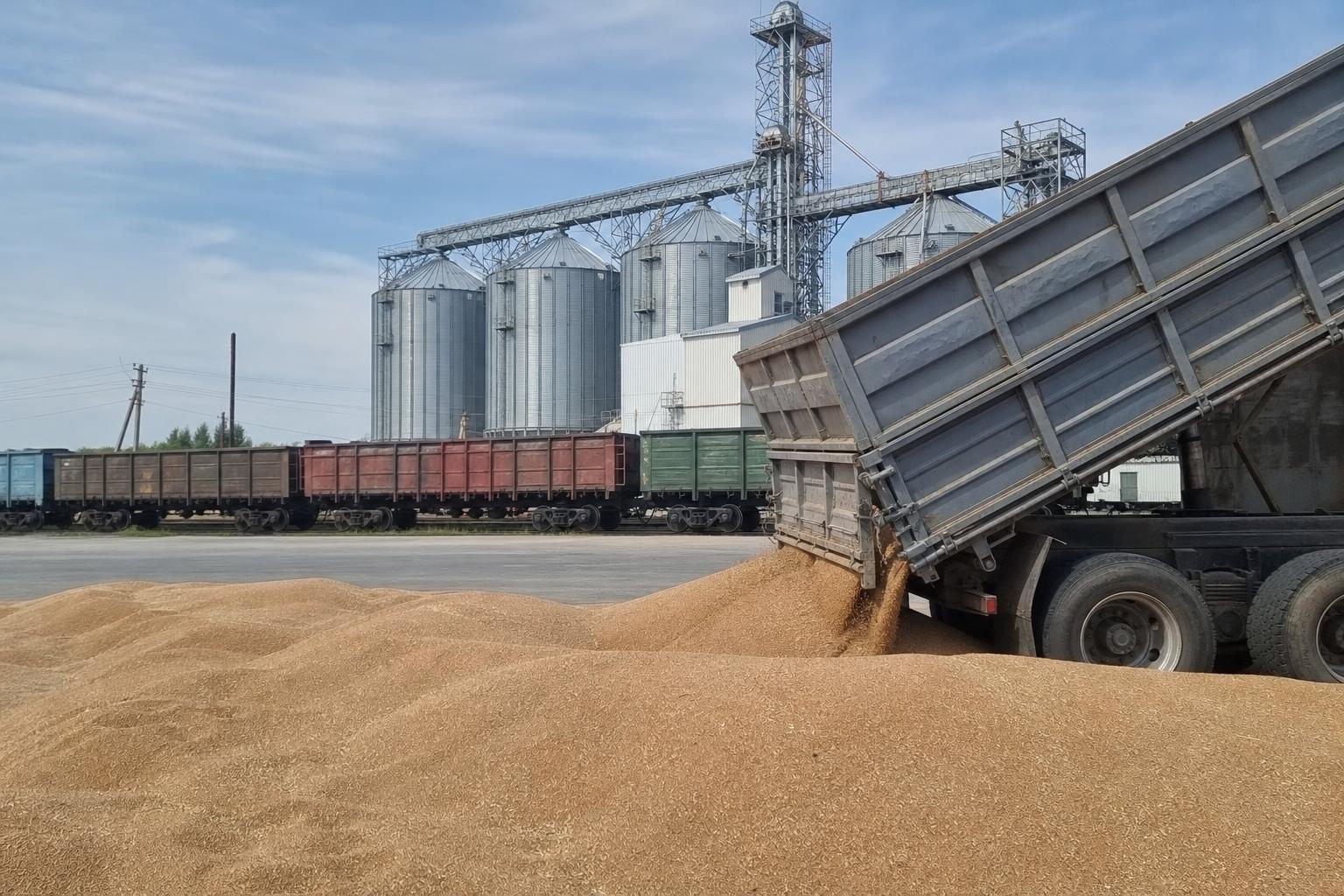
Ukrainian port wheat prices increased by $3–5/t, while the domestic market remained relatively stable. Barley maintains steady prices, with buyers operating mainly in small volumes.
Agropost
We collect original digests and analytical notes based on facts, market signals and verified sources.
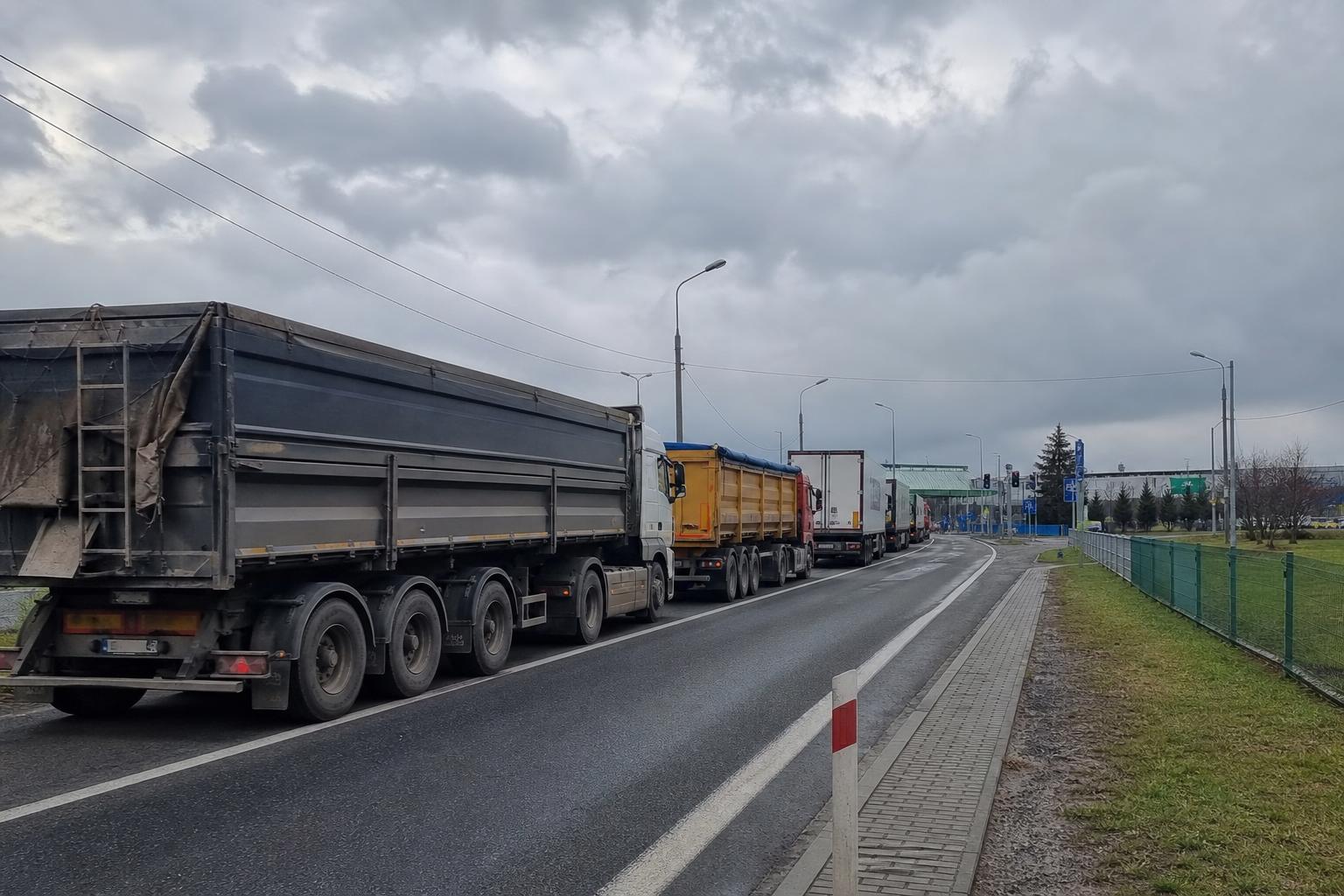
Farmers in Ternopil region report truck queues at the Poland-Ukraine border lasting up to a week and a half. Delays increase logistics costs and complicate grain shipments from warehouses.
Ukrainian port wheat prices increased by $3–5/t, while the domestic market remained relatively stable. Barley maintains steady prices, with buyers operating mainly in small volumes.
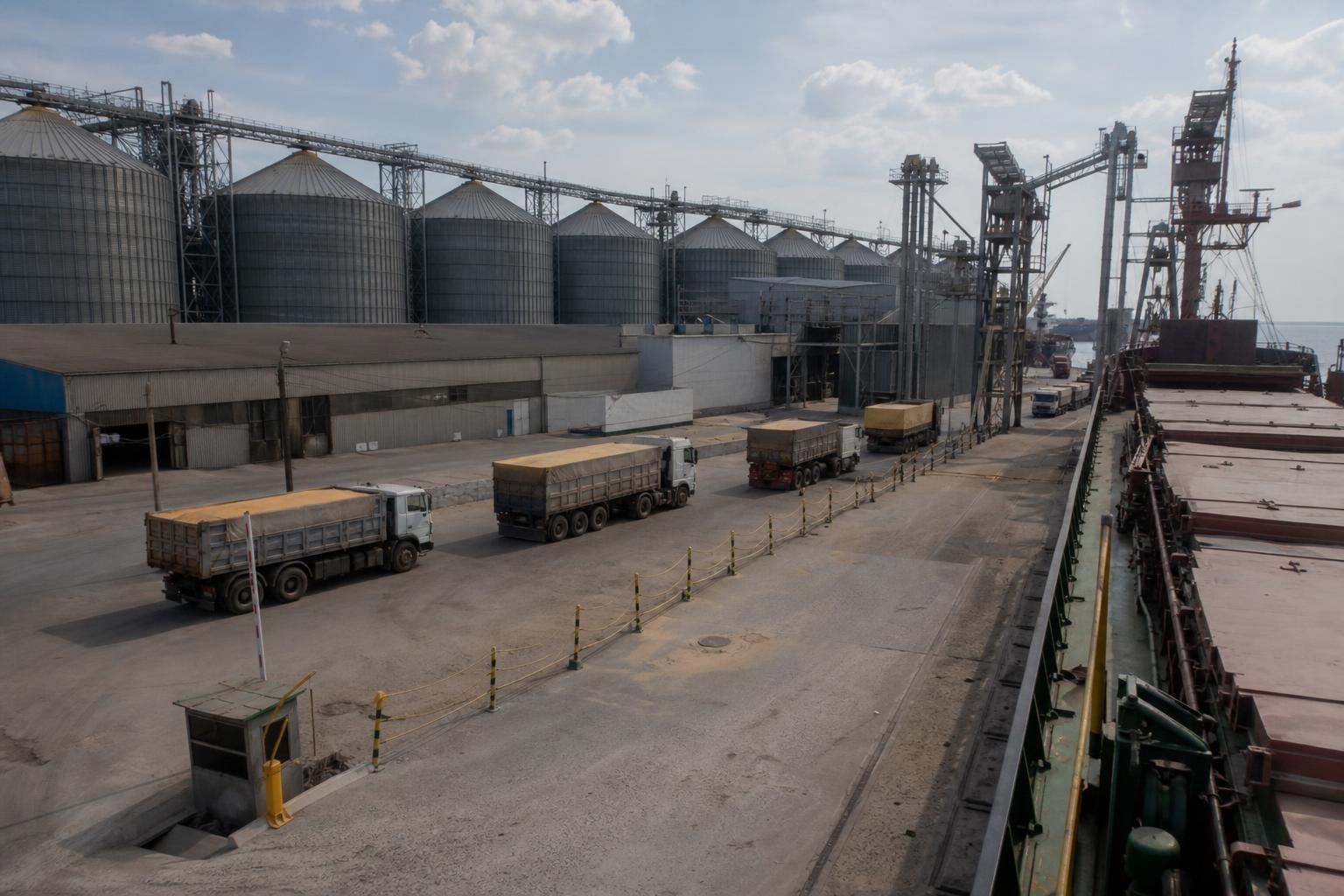
The Ukrainian grain market faces a complex season: Danube exports increase, while railway deliveries to ports decline in September. Market players should plan routes, schedules, and prices carefully amid Black Sea uncertainties.
After the nighttime attack on Kiliya in Odesa region, port infrastructure and a grain warehouse were damaged. Market participants should review logistics routes, storage, insurance, and documentation.
The global corn balance shifts in favor of South America, while Ukrainian grain sellers remain dependent on logistics and storage infrastructure quality. For AgroPost participants, this means faster route planning, counterparty checks, and fixed delivery terms.
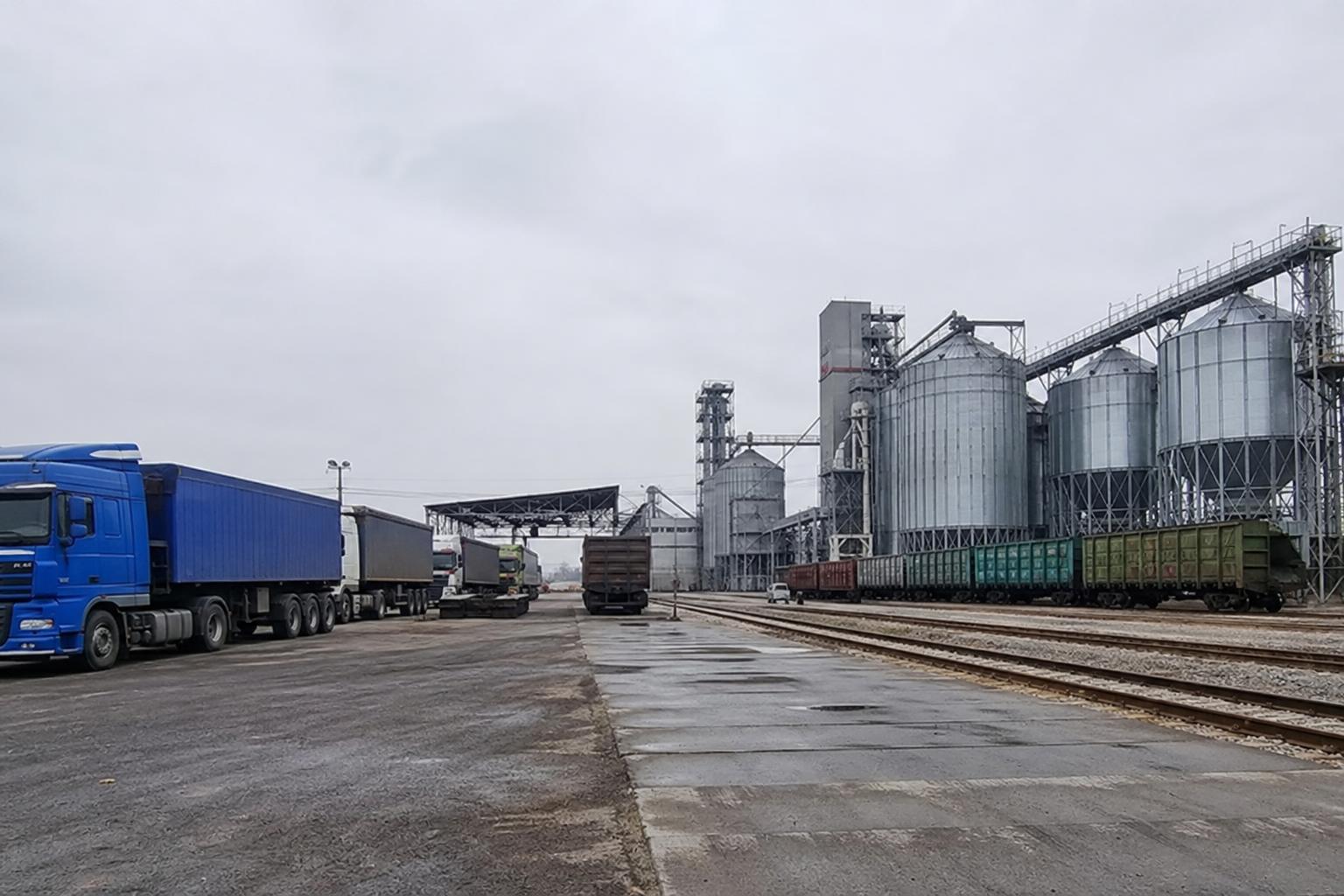
In September, western railway crossings increased their daily grain throughput. Slovakia became the leading destination, while Poland and Romania remain sensitive to customs and infrastructure constraints.
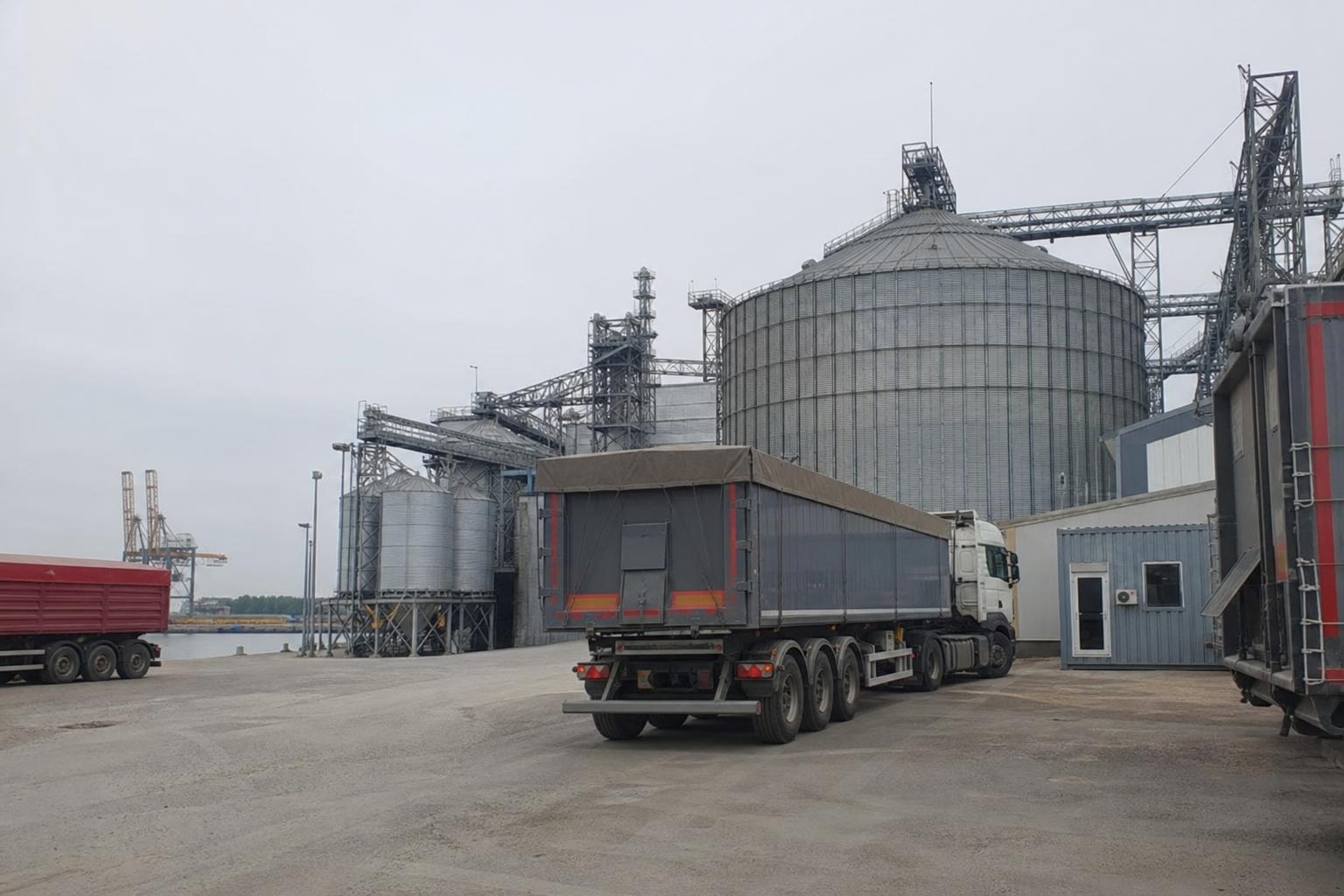
Ukrainian transit grain at Constanța port since July 1 amounted to about 550K tons amid a total transshipment of 8 million tons. This signals grain sellers to consider alternative routes, competition from Romanian grain, and real margins including delivery costs.
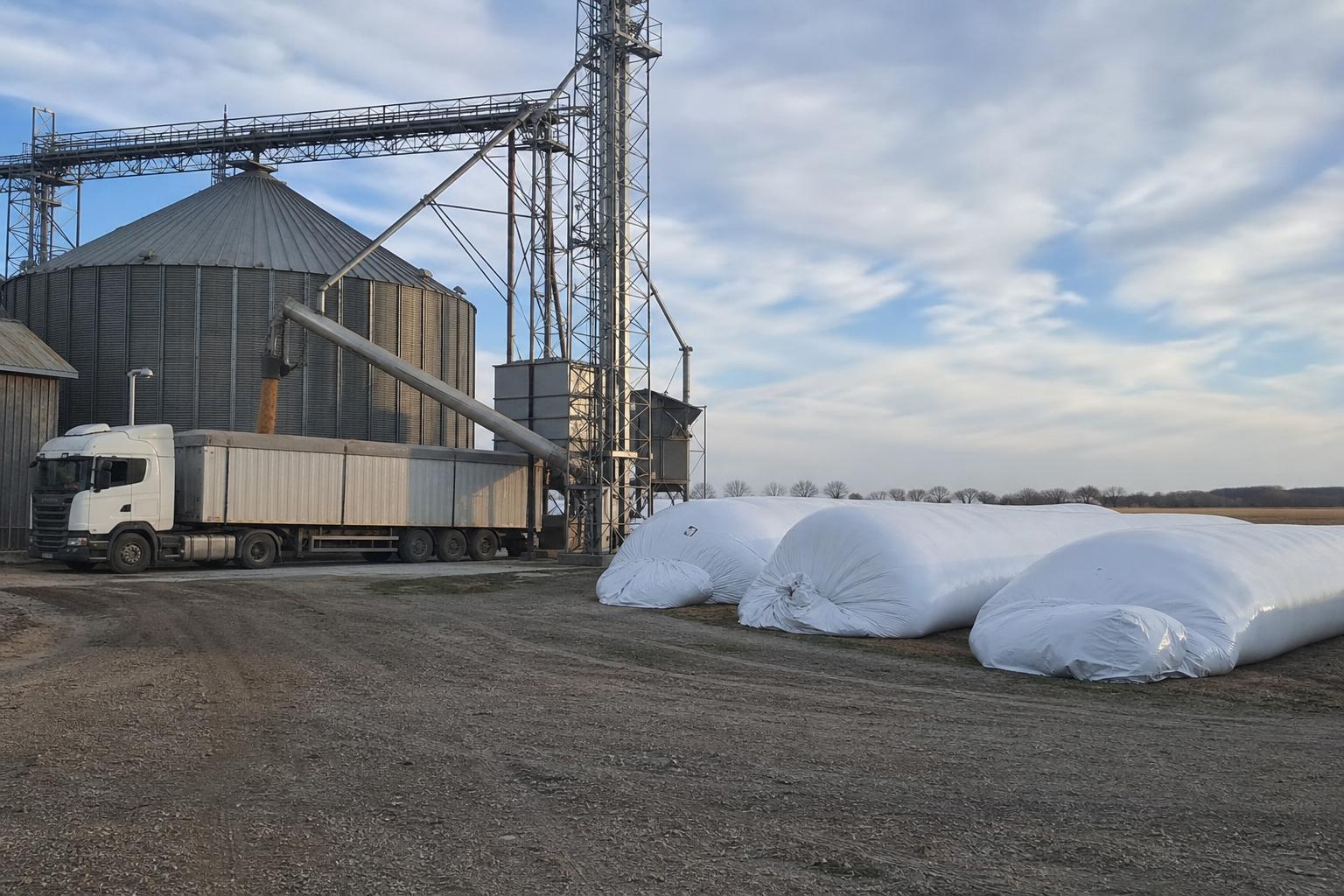
Switzerland will allocate 3 million Swiss francs for temporary storage of Ukrainian grain within the FAO project. This signals farmers to better consider storage, logistics, and harvest sale timelines.
For grain sellers and elevators, two key logistics factors remain: safety of shipping in the Black Sea and the cost of alternative container routes through the EU. Maersk announced increased export rates to Gdańsk DCT from October 1, 2026, while a new attack on a civilian vessel highlights maritime logistics risks.
Russia is rerouting part of its grain flows to the Baltic and Arctic ports, while Ukraine has exported over 4.6 million tons of grain since the season began — more than 20% less than last year. For Ukrainian sellers and buyers, key factors remain the basis price, elevator access, and logistics predictability.
For grain sellers and buyers, not only prices matter but also technological discipline: early crop protection influences sowing density, while drying safety affects storage and shipment schedules.
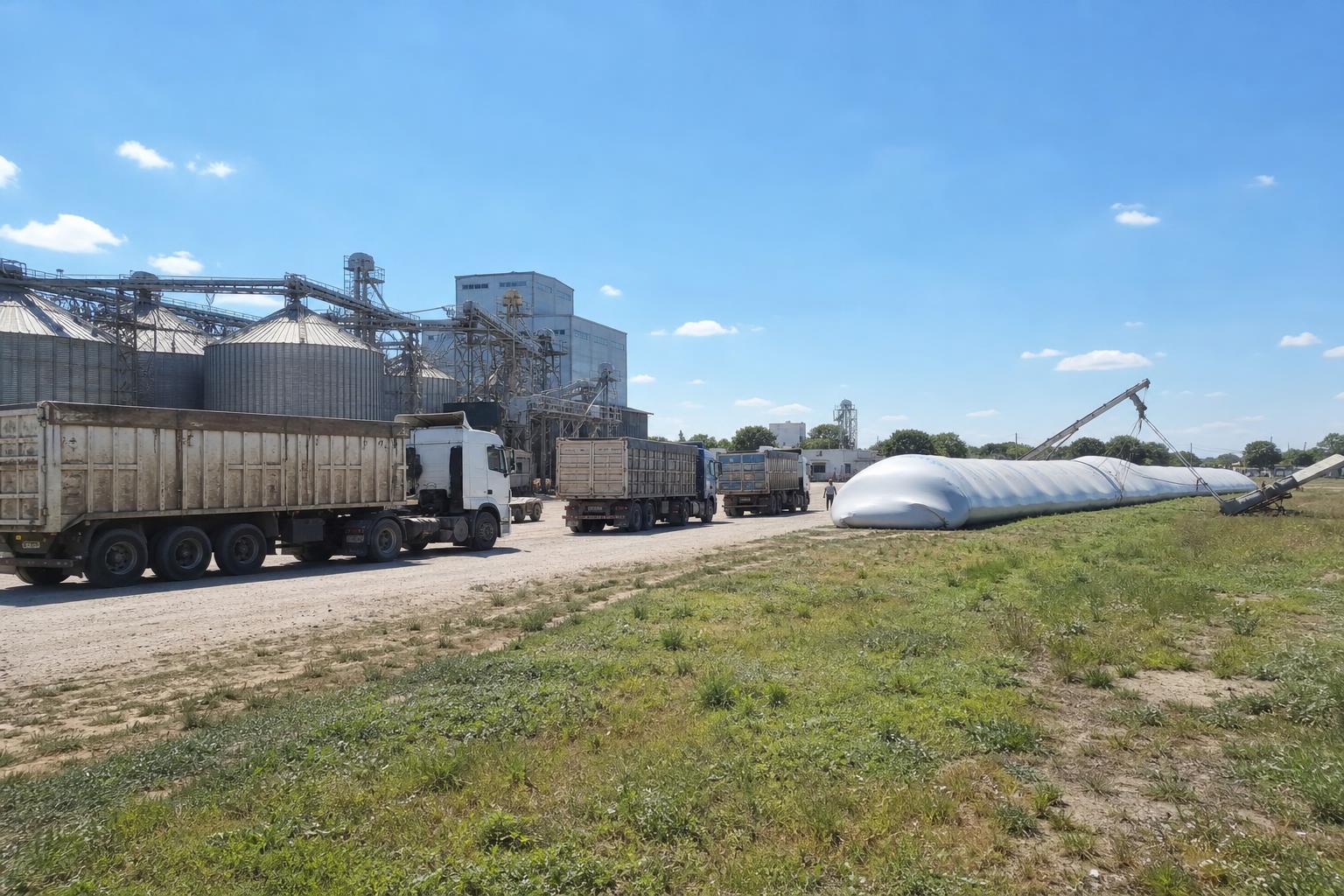
In September, Ukrainian grain sellers should carefully verify delivery basis in export contracts and plan storage in advance. Minimum export prices do not always align with market prices, and frontline regions have announced a need for approximately 2.8 million tons of harvest storage.
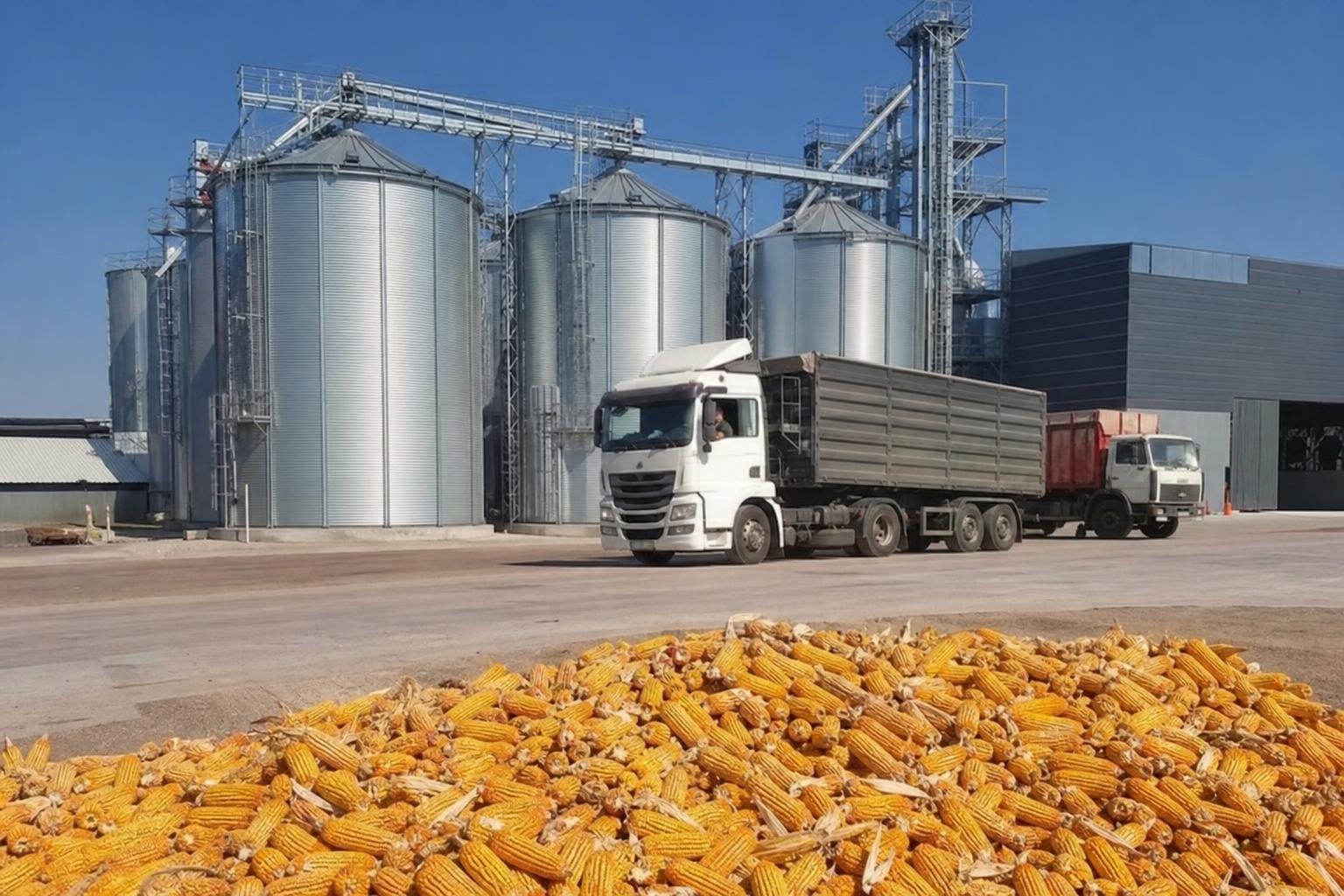
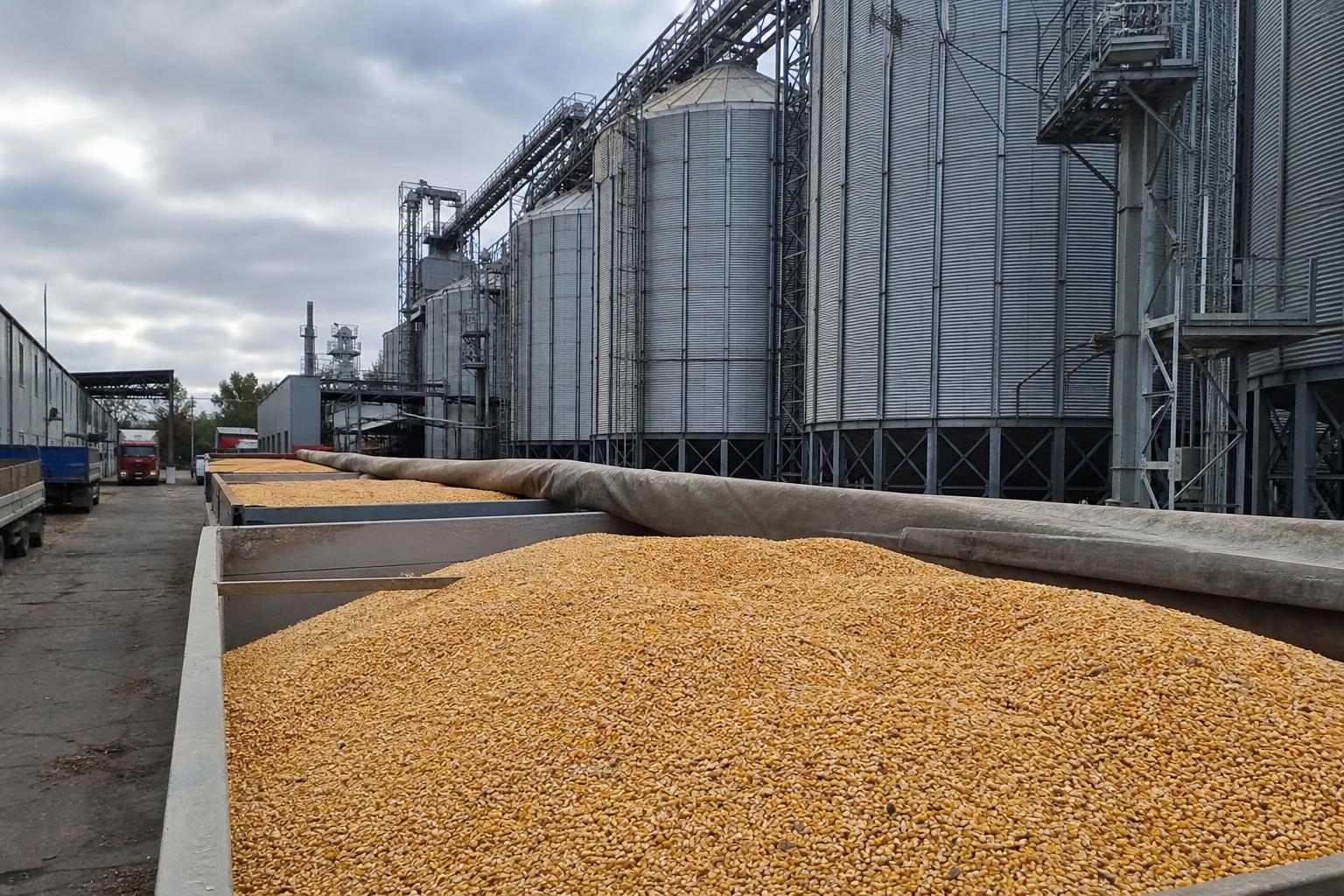
Ukraine's corn export market prices are decreasing under pressure from new harvests, high transitional stocks, and logistical challenges. Key factors for sellers include delivery basis, storage options, and customs documentation readiness.
Sign in to manage requests, save contacts and respond to market offers quickly.
Continue with GoogleSign in to manage requests, save contacts and respond to market offers quickly.
Continue with GoogleEnter your email and we will send a password reset link.
Don't have an account?
With your consent, Google Analytics measures navigation and listing steps. The service does not start without consent. The site works without it.
We send category, language, step number and whether an error or save occurred, not entered values, phone numbers, email addresses or listing text. Your choice is stored in this browser for up to 180 days. Advertising tracking stays disabled.
Use Analytics settings to change your choice. Withdrawing consent reloads the page to stop already loaded services: save any unfinished form first.