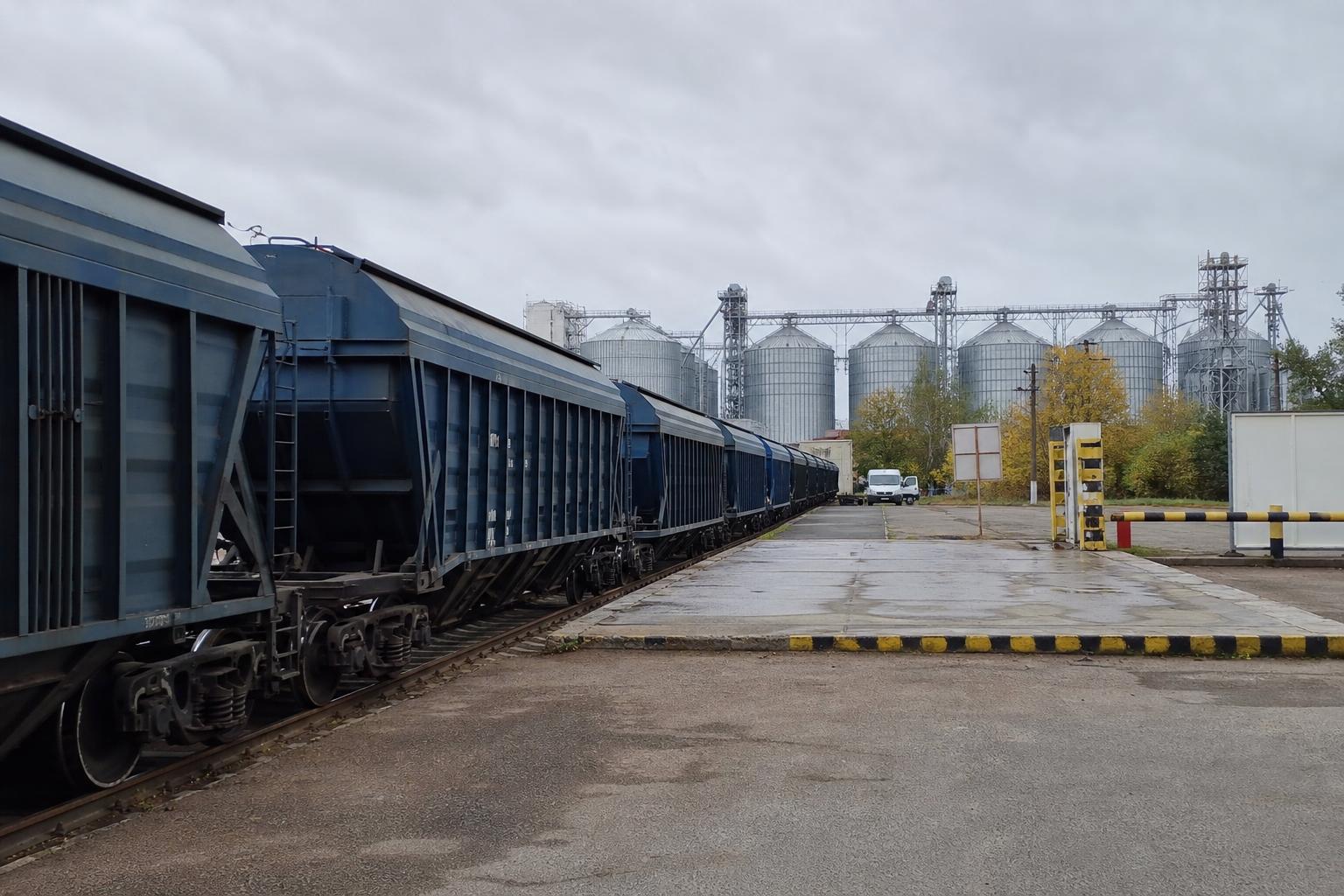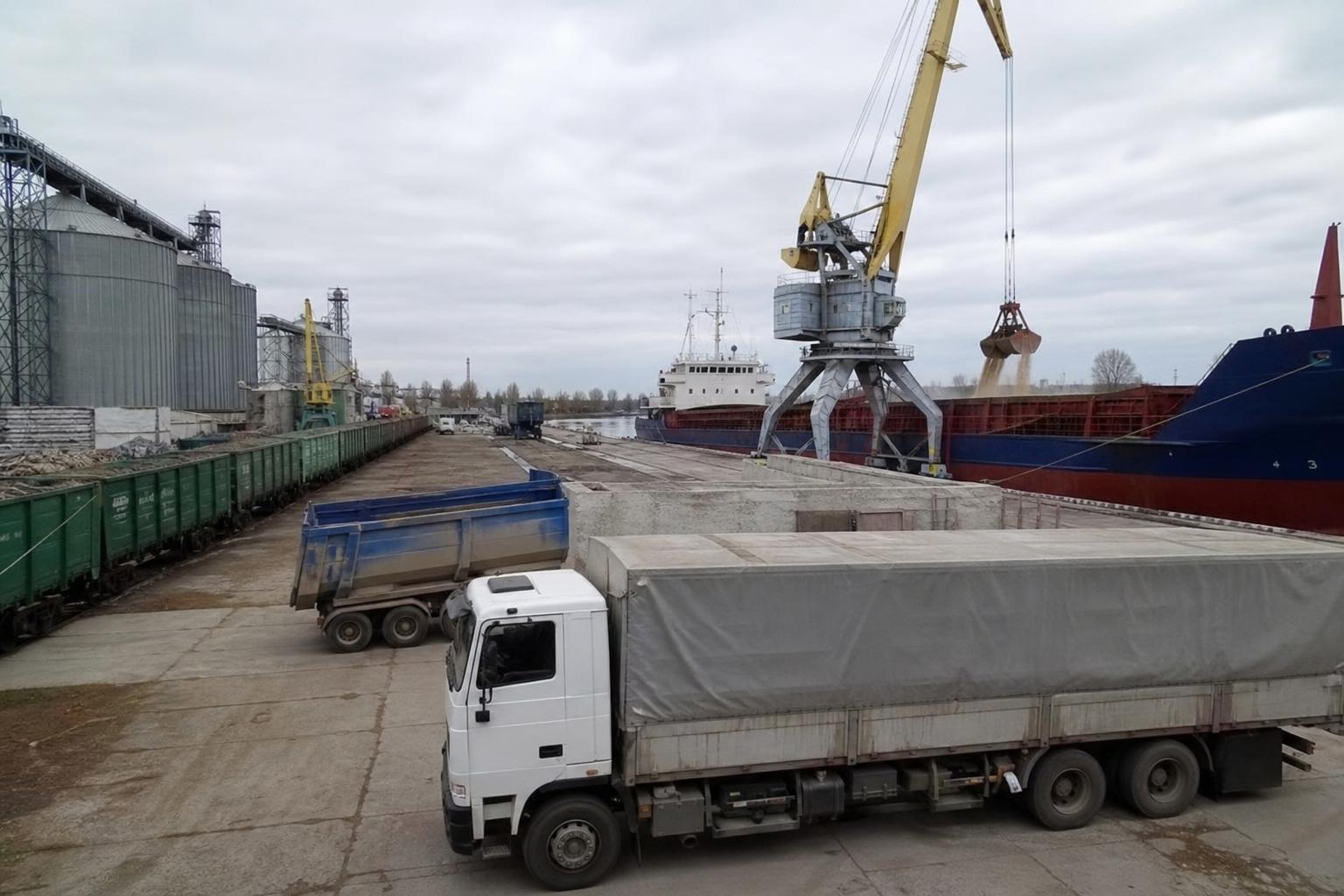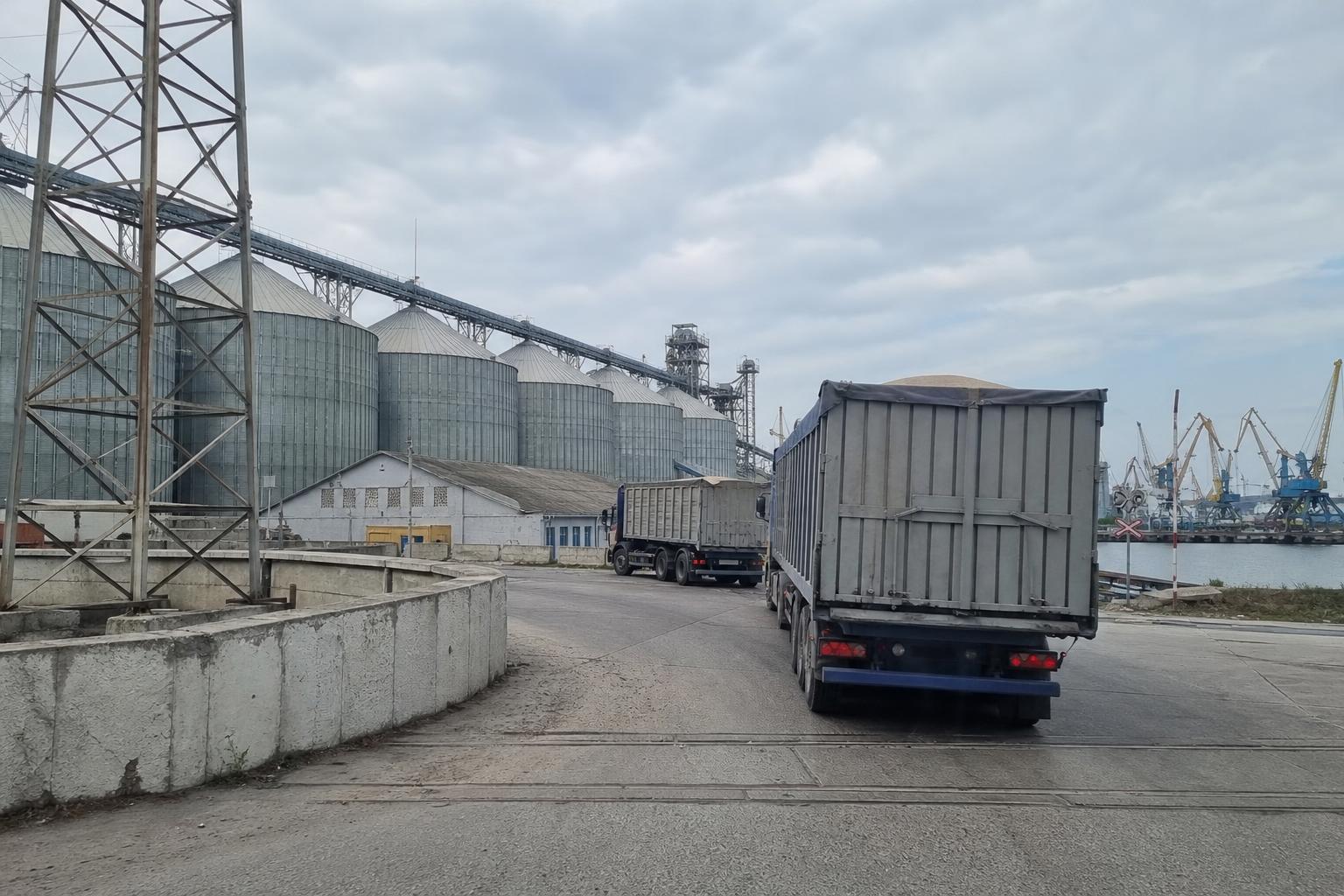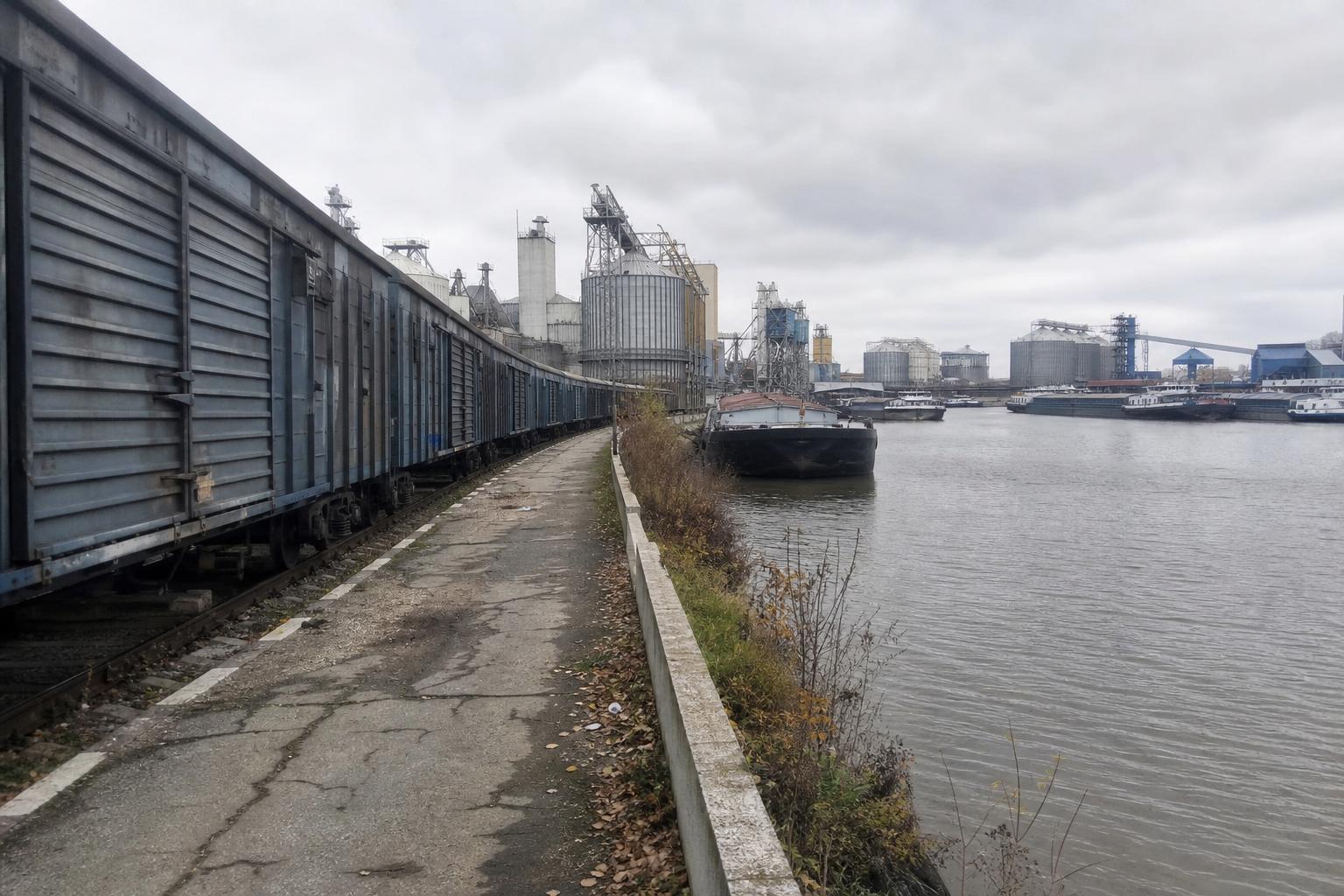
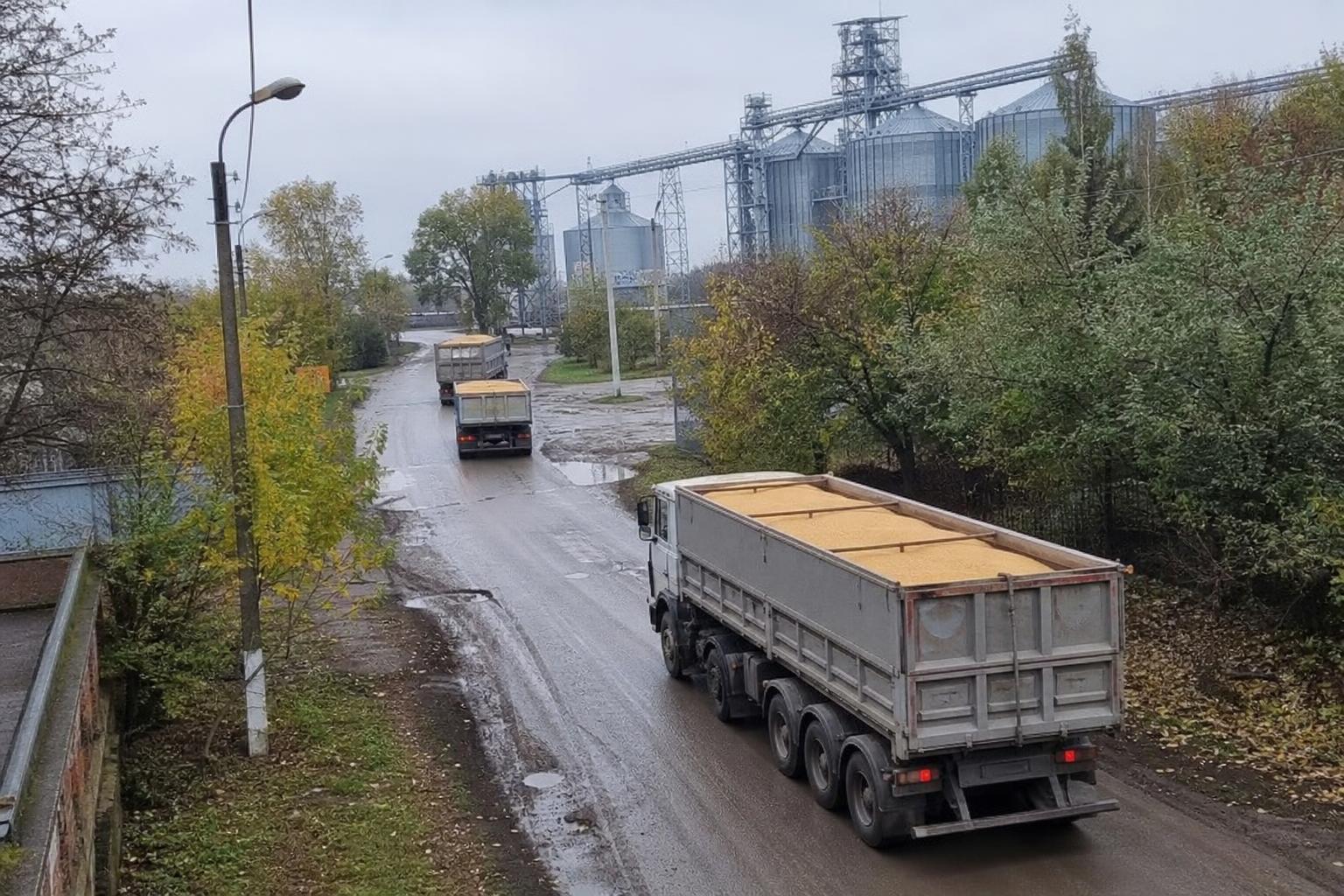
Grain Carrier Shortage Amplifies Transportation Cost Disparities
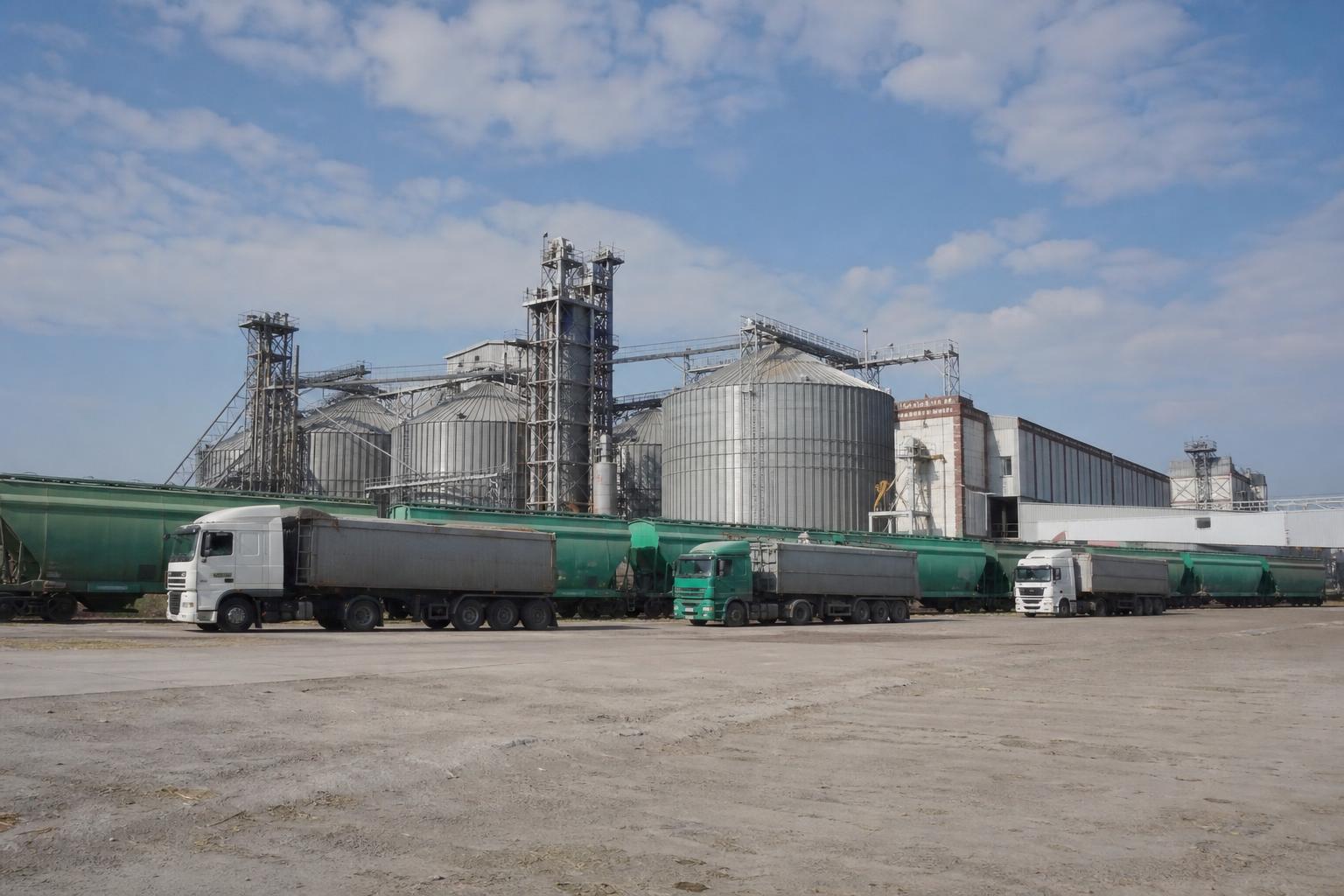
In October, the most acute shortage of available grain trucks was recorded in five regions. Rates depended not only on distance but also on region and transport availability.
Agropost
We collect original digests and analytical notes based on facts, market signals and verified sources.
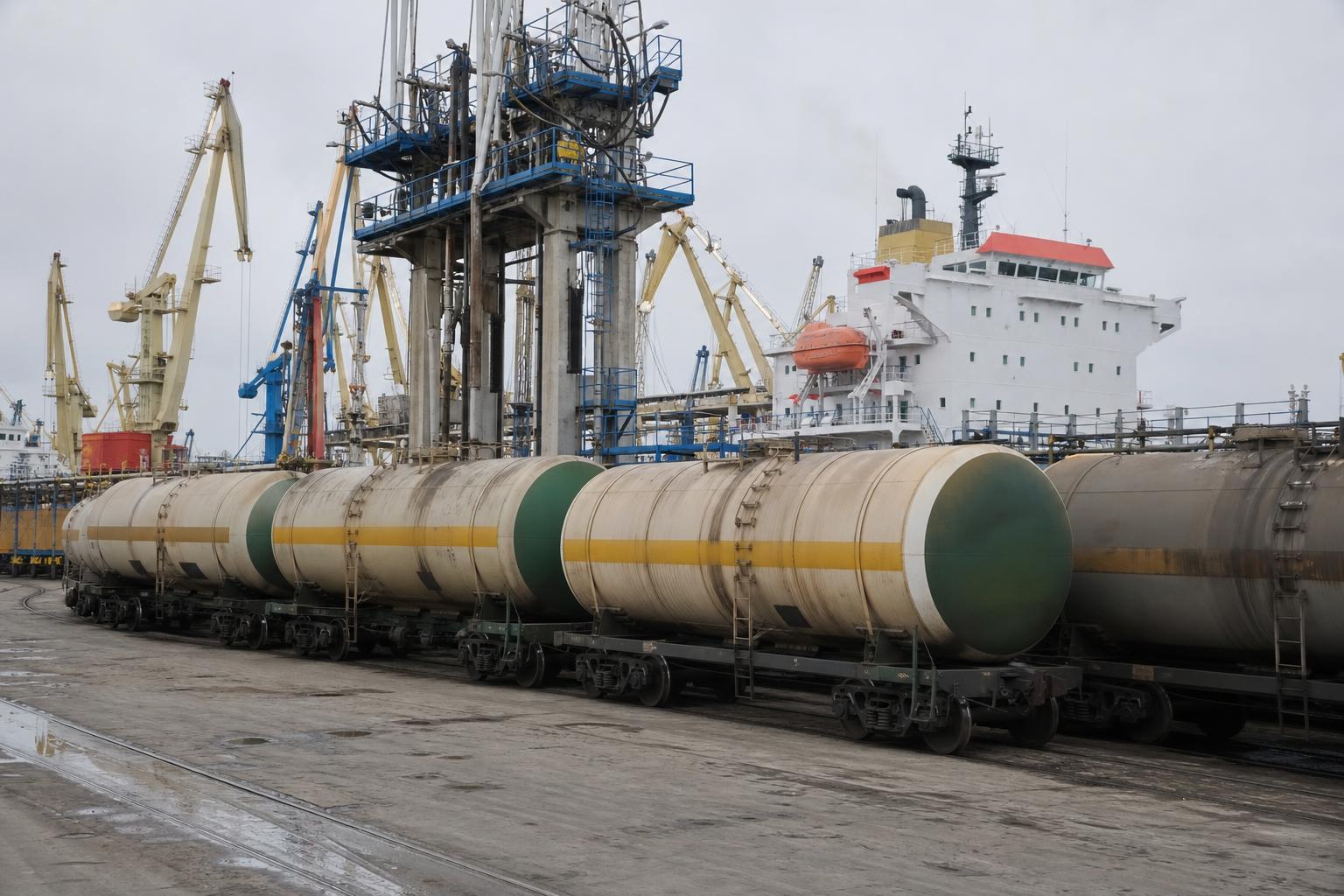
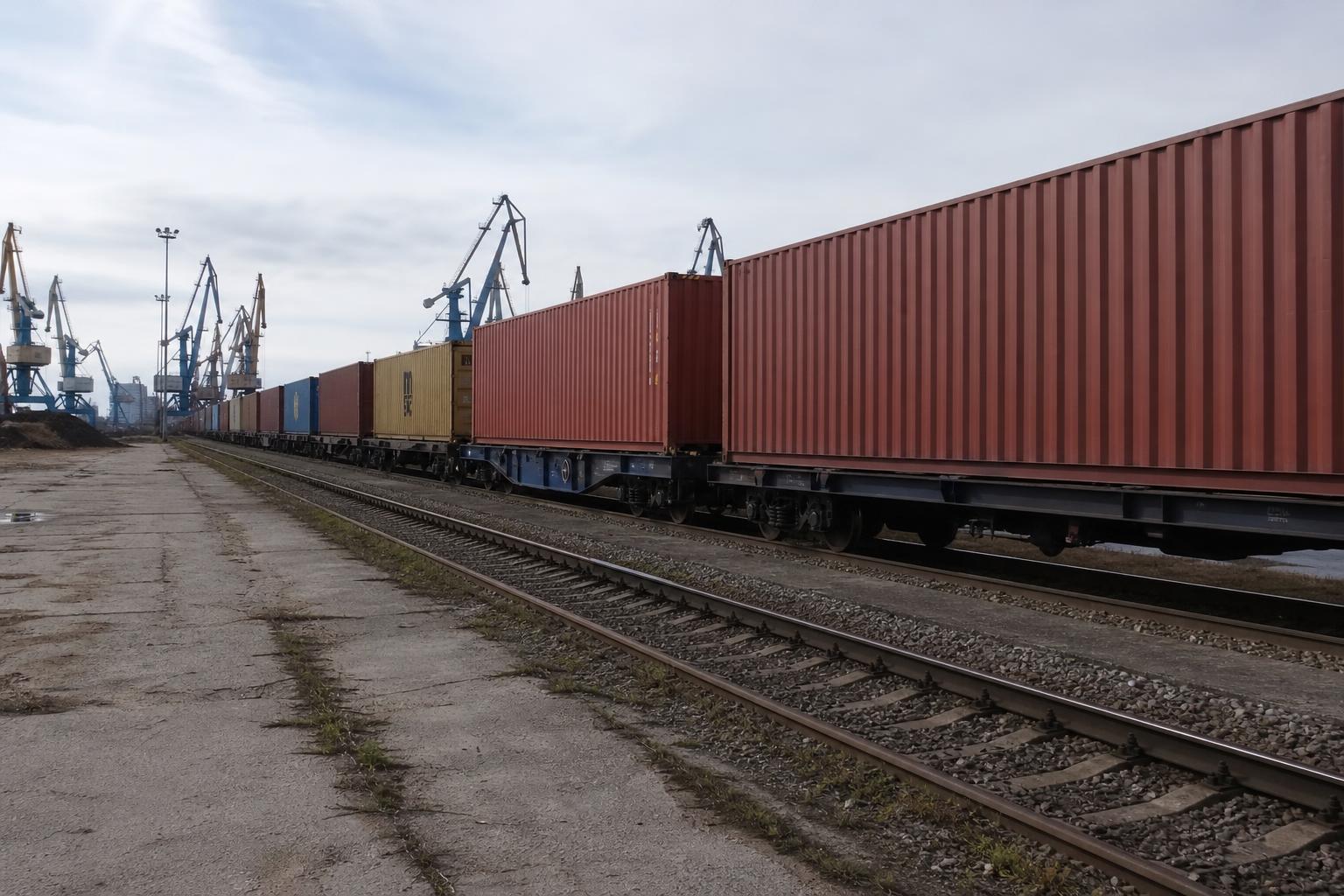
Rates on selected rail routes to Gdańsk and Constanța will increase from December 1, 2026. Shipments from Zaporizhzhia and Dnipro will see the steepest rises.
In October, the most acute shortage of available grain trucks was recorded in five regions. Rates depended not only on distance but also on region and transport availability.
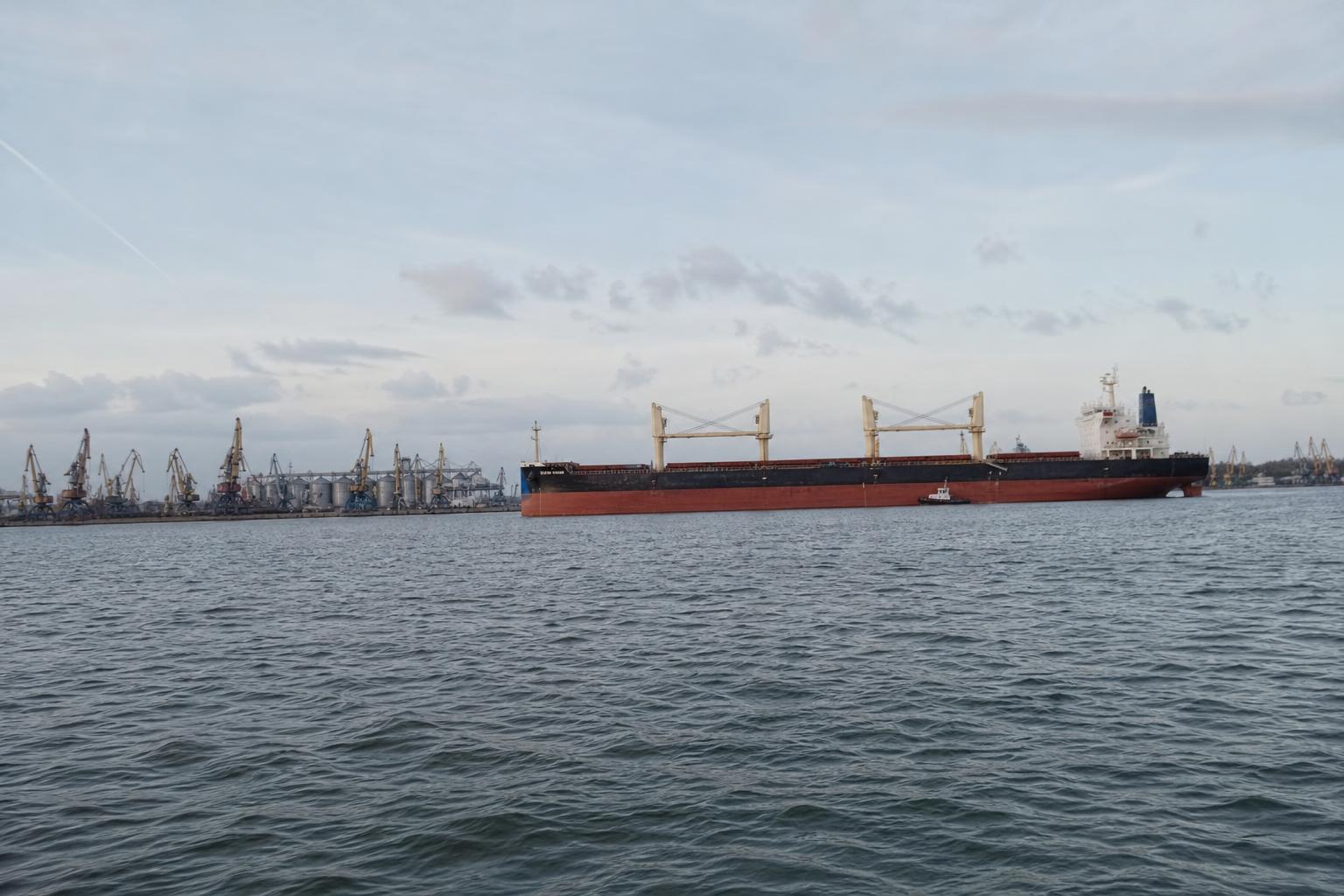
Incidents involving merchant ships near Romania and Bulgaria have heightened risks for Black Sea logistics. According to AP, vessel insurance is becoming more expensive, although trade through Constanta port remains unaffected at publication time.
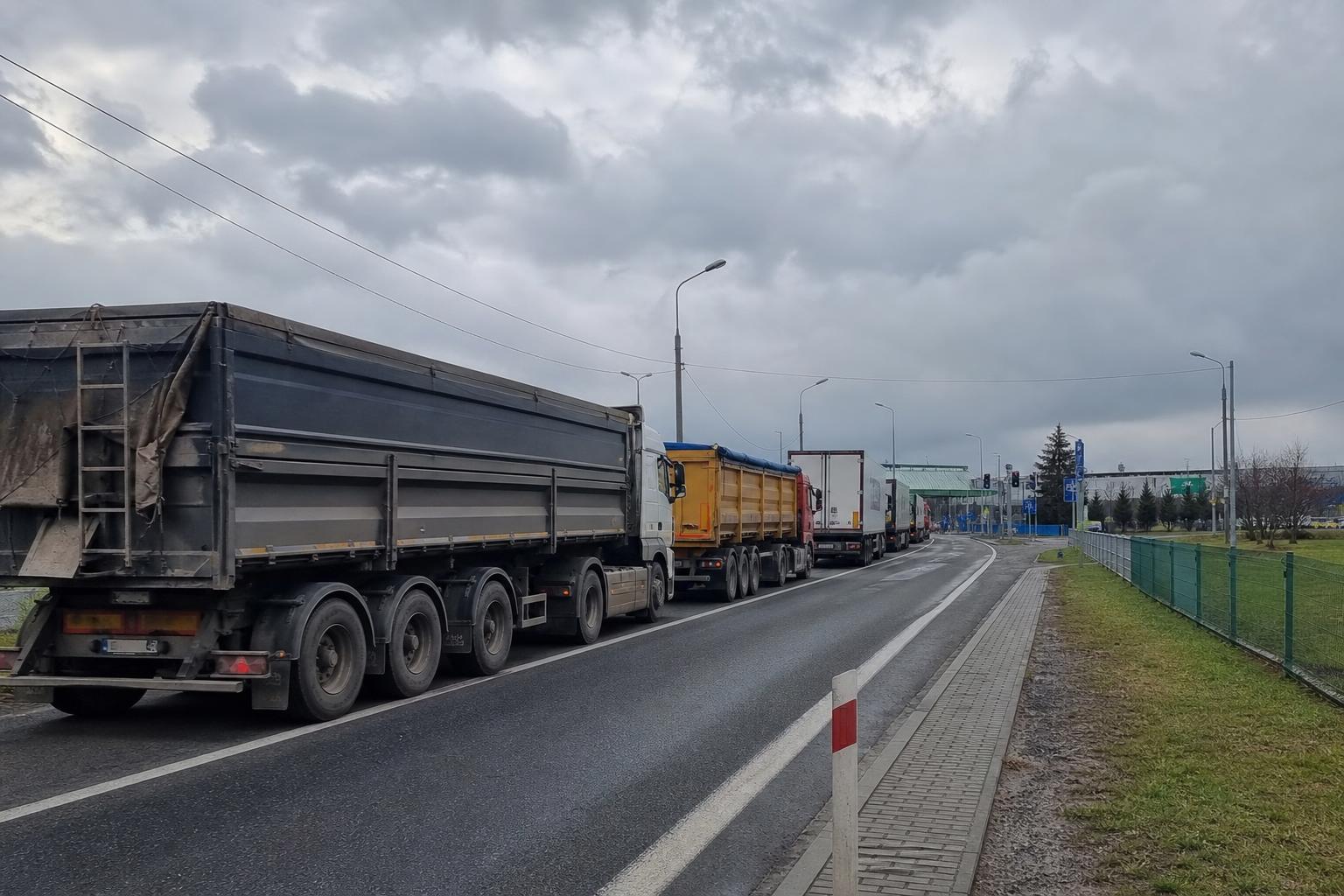
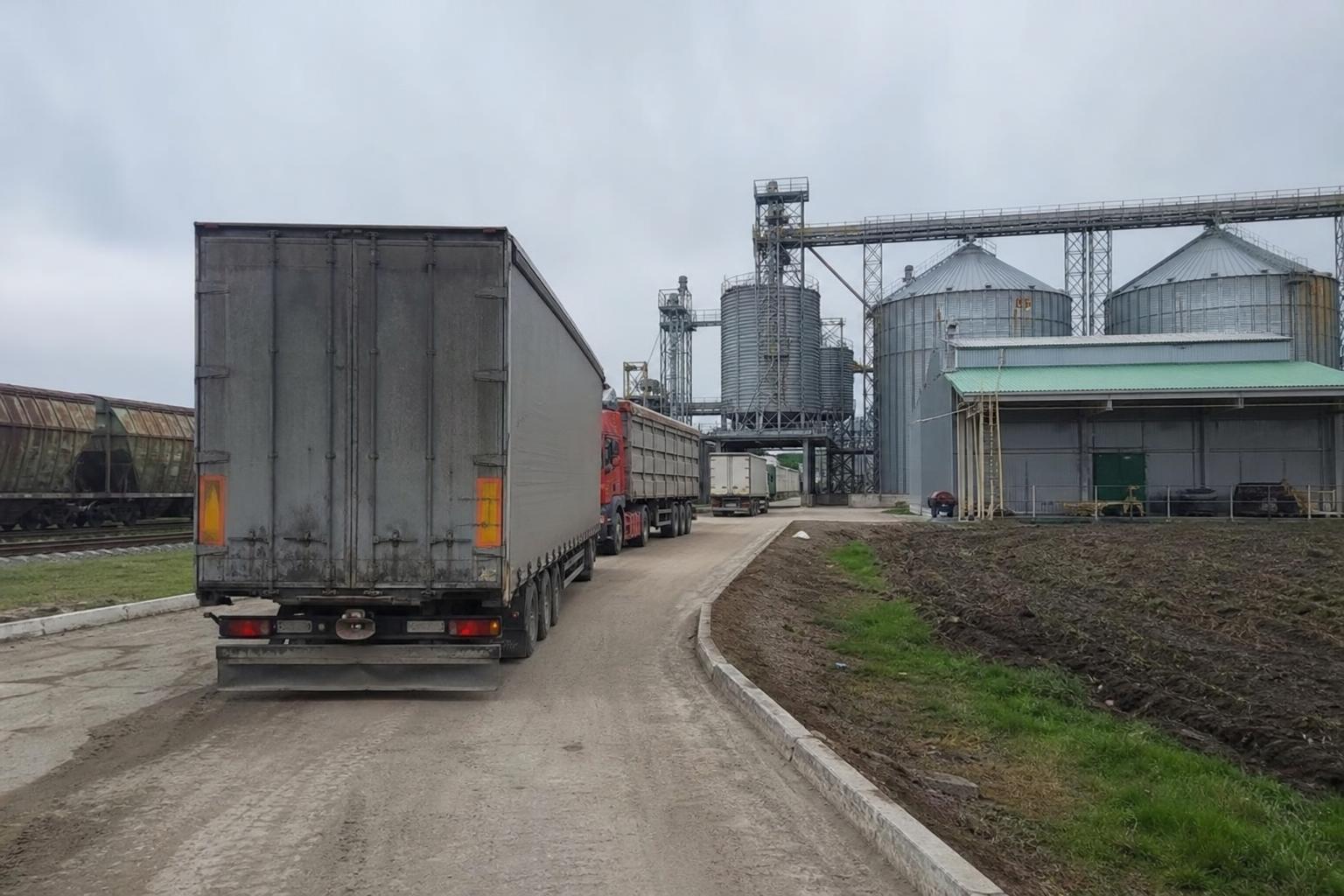
Farmers in Ternopil region report truck queues at the Poland-Ukraine border lasting up to a week and a half. Delays increase logistics costs and complicate grain shipments from warehouses.
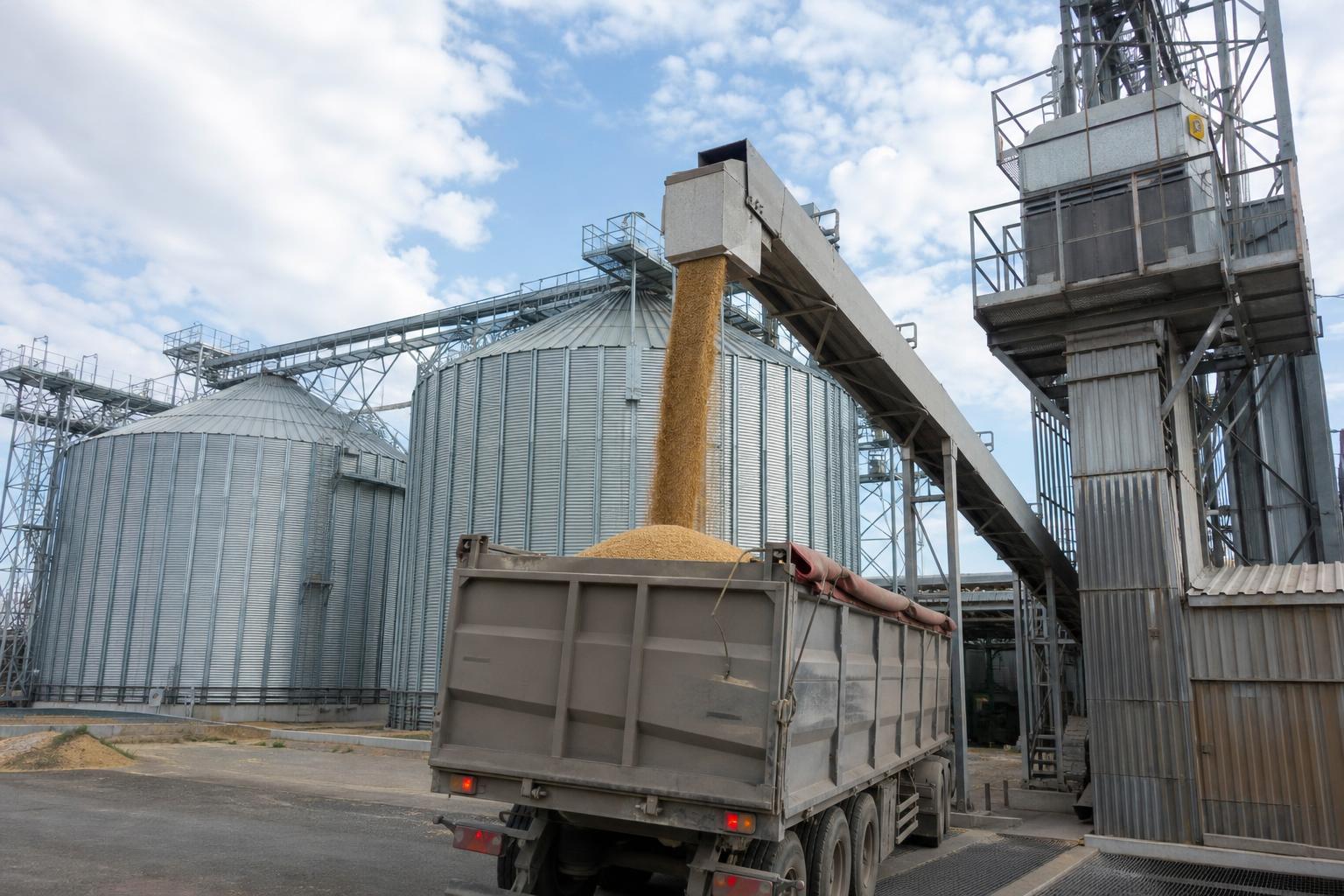
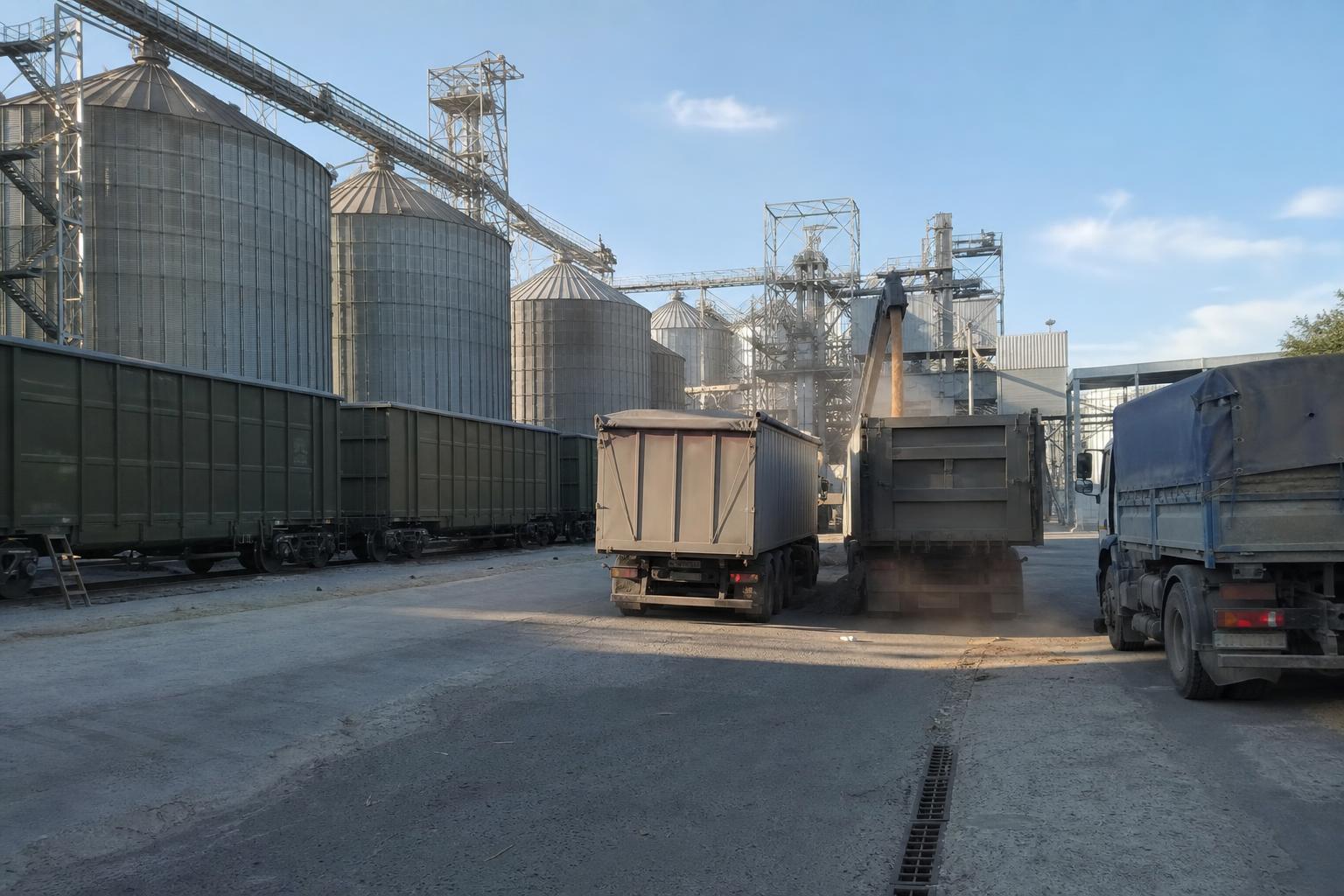
According to the company, its elevators have accepted over 1 million tons of 2026 harvest grain. This highlights the importance of elevator infrastructure and alternative routes in grain delivery amid wartime restrictions.
UkrOilProm urges synchronization of railway shipments and port activities: storage capacities for finished oil suffice for 5–7 days of operation. This enhances market participants' ability to plan shipments and transport schedules accurately.
In early October, the daily transfer of grain wagons through Ukraine's western border crossings increased across all key routes except Slovakia. The largest growth was recorded on the Polish route, an important factor for grain sellers, traders, and carriers when planning shipments.
Ukraine and Romania are working to expand rail and Danube routes to Constanța. This is crucial amid high freight costs, security risks, and weak demand for certain grains.
Ukrainian agro-export enters October facing several logistical challenges: debates over priority for meal and cake, security risks in the Black Sea, and ongoing truck restrictions on M-09 to Rava-Ruska.
Ukraine and Romania agreed on steps to increase capacity on the Constanța route and through the Sulina Canal. For agribusiness, this signals the need for careful planning of shipments, alternative routes, and contractual terms.
The Ukrainian agrarian market is entering a period where logistics become not just operational costs but a part of product pricing. For sellers and buyers on AgroPost, this means the need for clearer calculation of delivery basis, routes, and contract risks.
For exporters and domestic buyers of agricultural products, key risks remain in transport availability, western route costs, and flexible shipment schemes. New processing projects and strategic shifts in agro-companies highlight how logistics increasingly influence not only delivery prices but also production and sales decisions.
In September 2026, Ukraine increased its agroexport to 3.04 million tons, with wheat, rapeseed, vegetable oils, and meal forming the main load on logistics. This requires carriers, elevators, and traders to plan transportation more efficiently.
Sign in to manage requests, save contacts and respond to market offers quickly.
Continue with GoogleSign in to manage requests, save contacts and respond to market offers quickly.
Continue with GoogleEnter your email and we will send a password reset link.
Don't have an account?
We use Google Analytics to count visits and improve the site. Entered values, phone numbers, email addresses and listing texts are not sent; advertising tracking is off. How Google uses data