Danube Freight to Egypt Rises to $90–95/ton: Impact on Grain Logistics
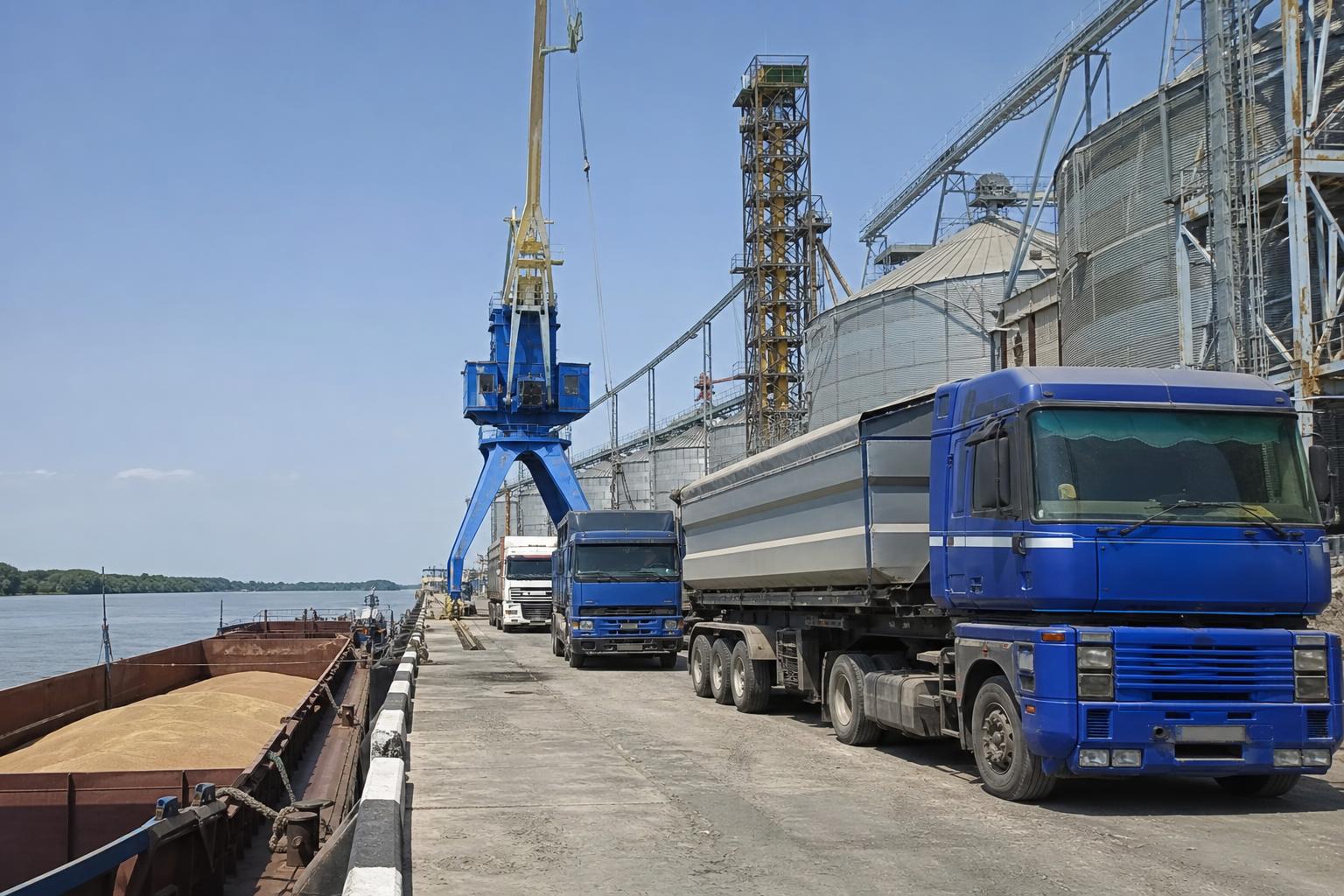
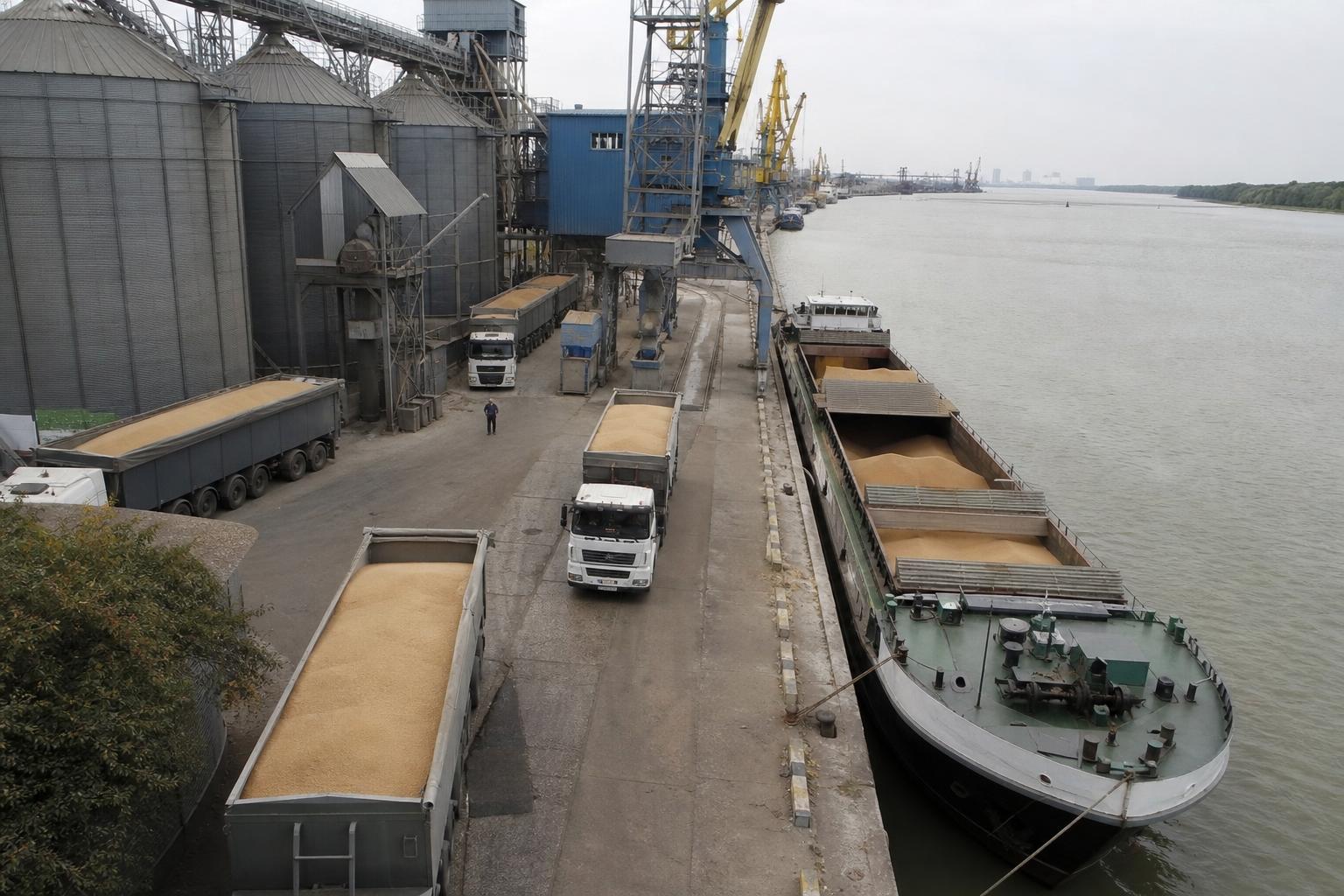
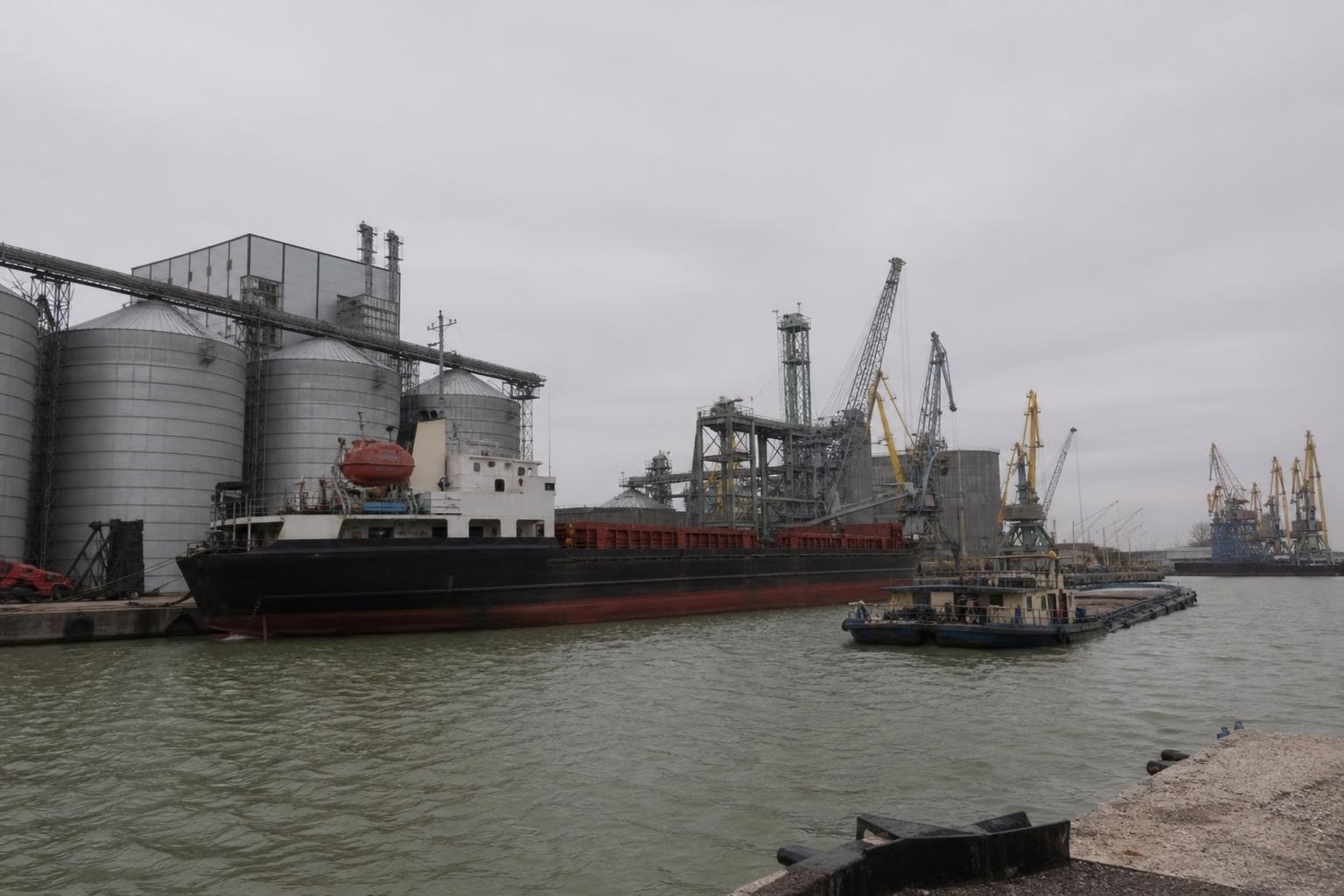
Rates from Ukrainian Danube ports to Egypt increased to $90–95/ton as of August 31. The market reacts to fleet shortages, high demand, and Suez Canal congestion.
Agropost
We collect original digests and analytical notes based on facts, market signals and verified sources.
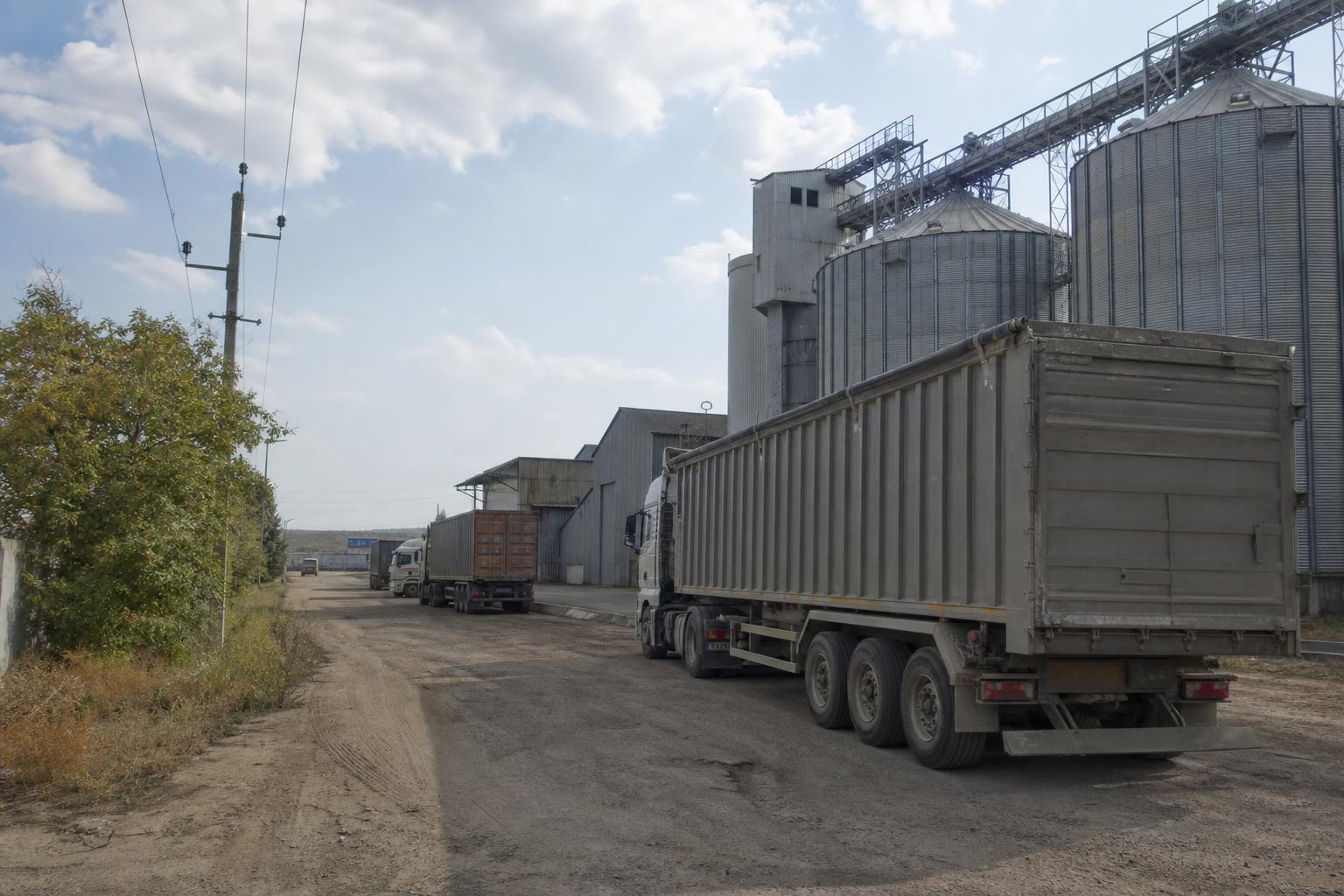
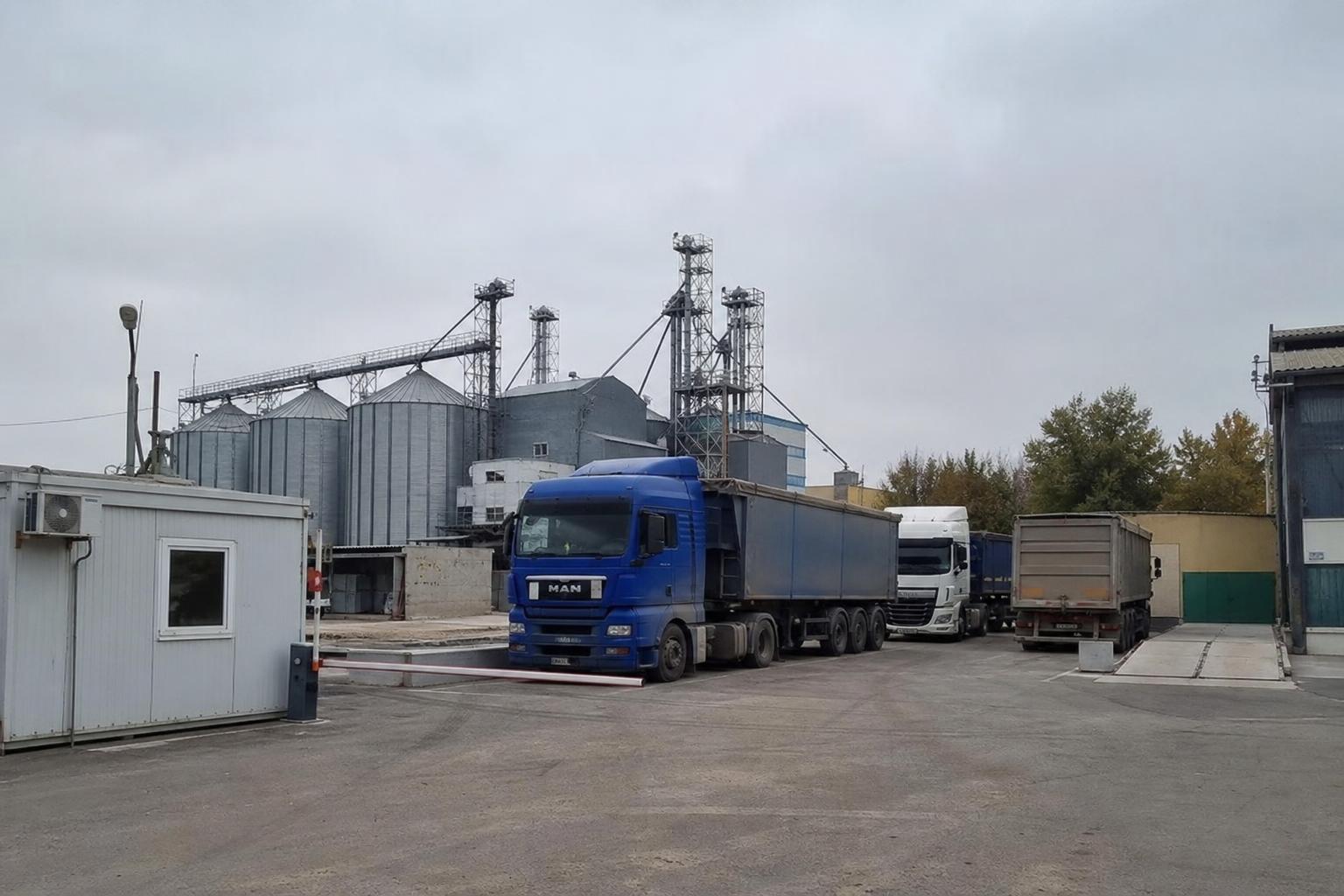
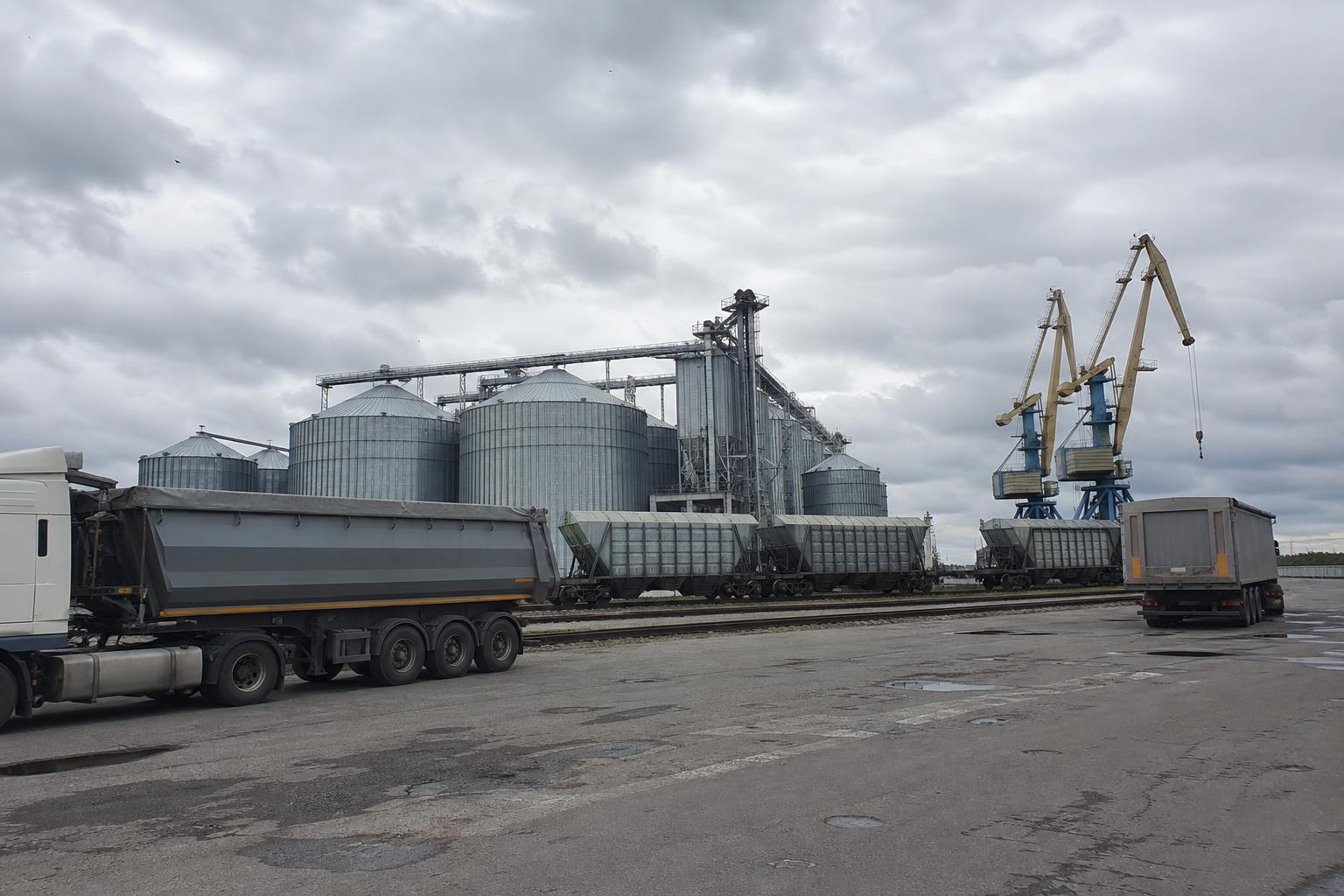
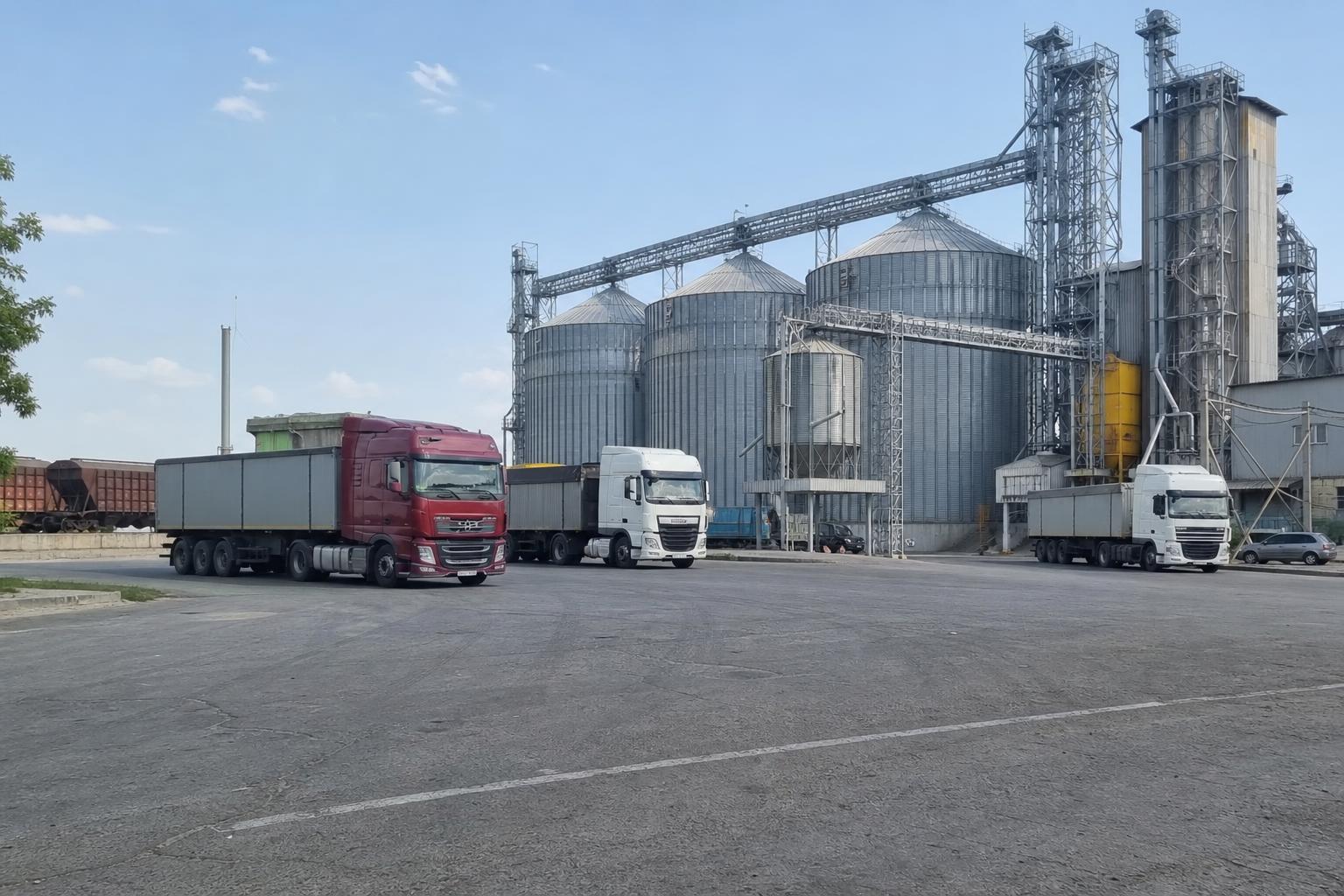
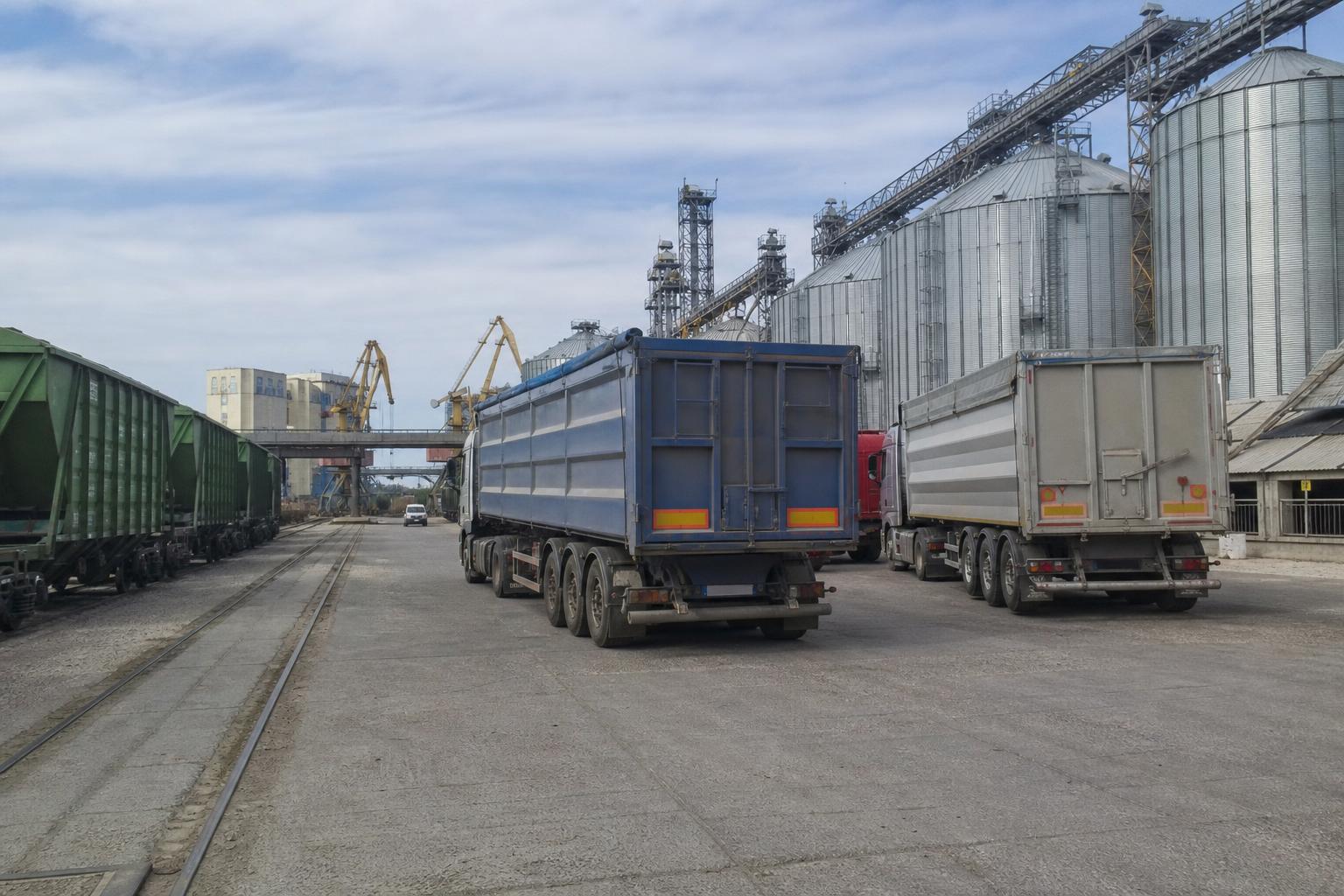
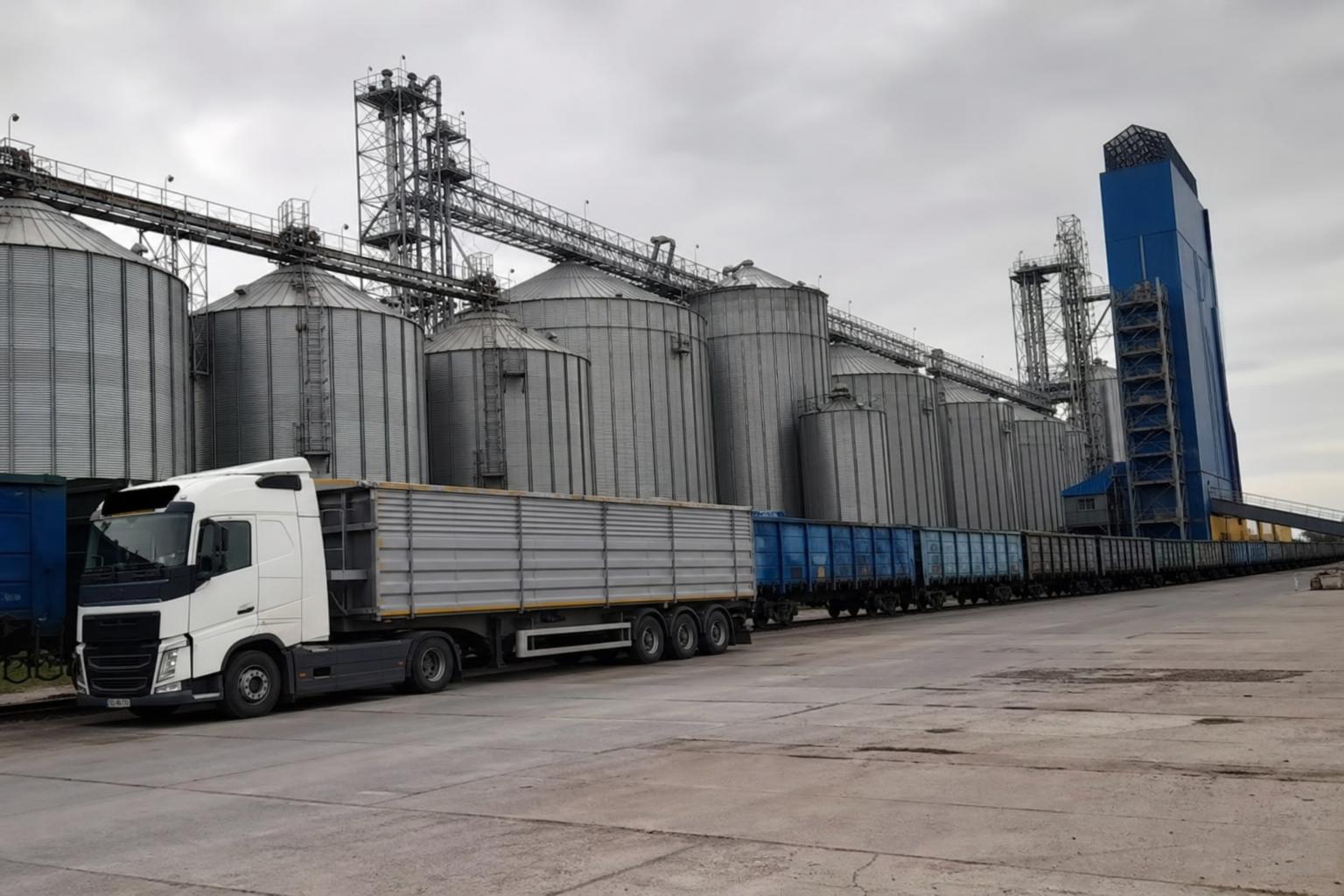
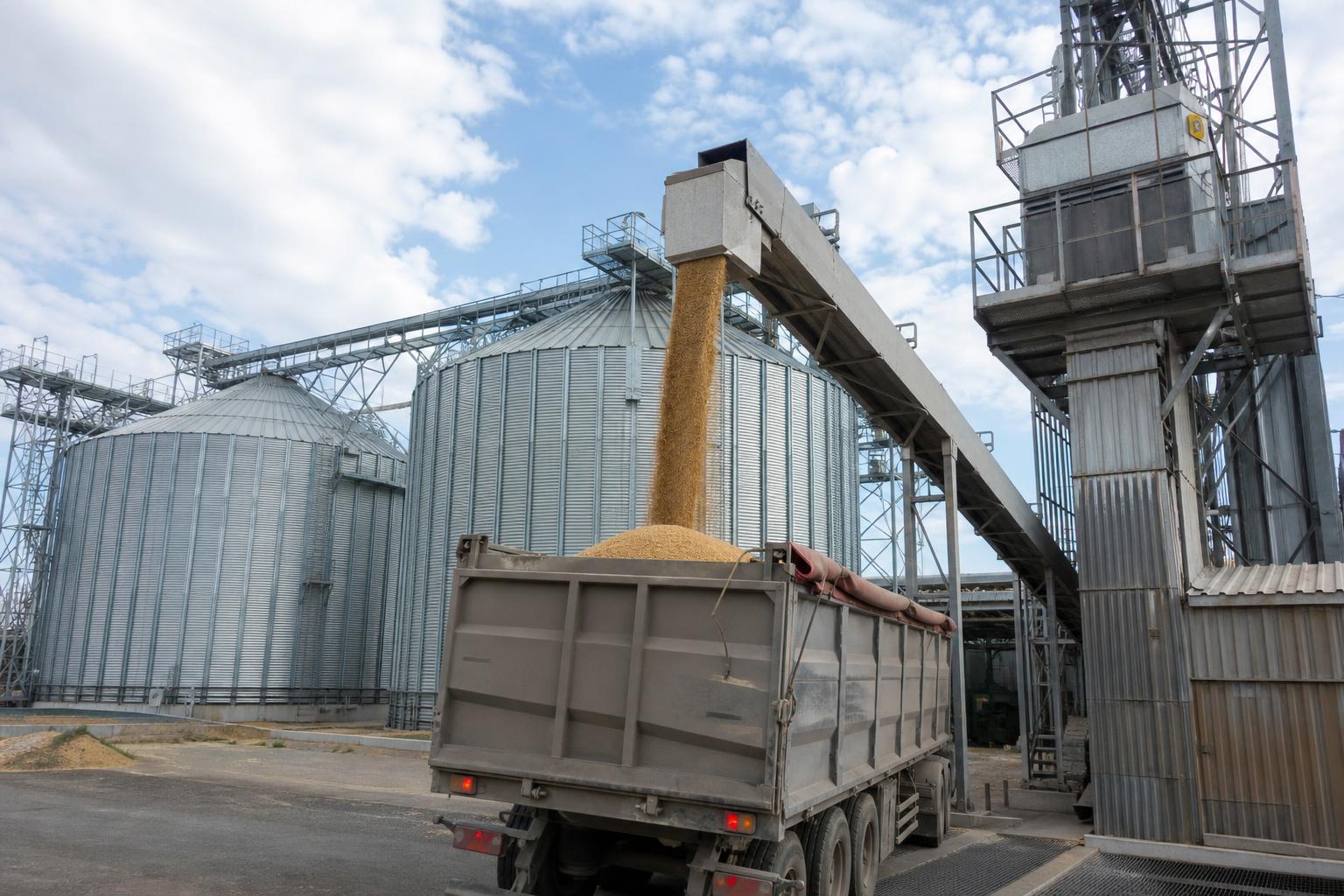
According to the company, its elevators have accepted over 1 million tons of 2026 harvest grain. This highlights the importance of elevator infrastructure and alternative routes in grain delivery amid wartime restrictions.
Rates from Ukrainian Danube ports to Egypt increased to $90–95/ton as of August 31. The market reacts to fleet shortages, high demand, and Suez Canal congestion.
In early September, Ukrainian agrilogistics remains under pressure: rising freight rates from Danube ports, limited tonnage complicate exports, and small producers have weaker positions in accessing railcars, trucks, and storage.
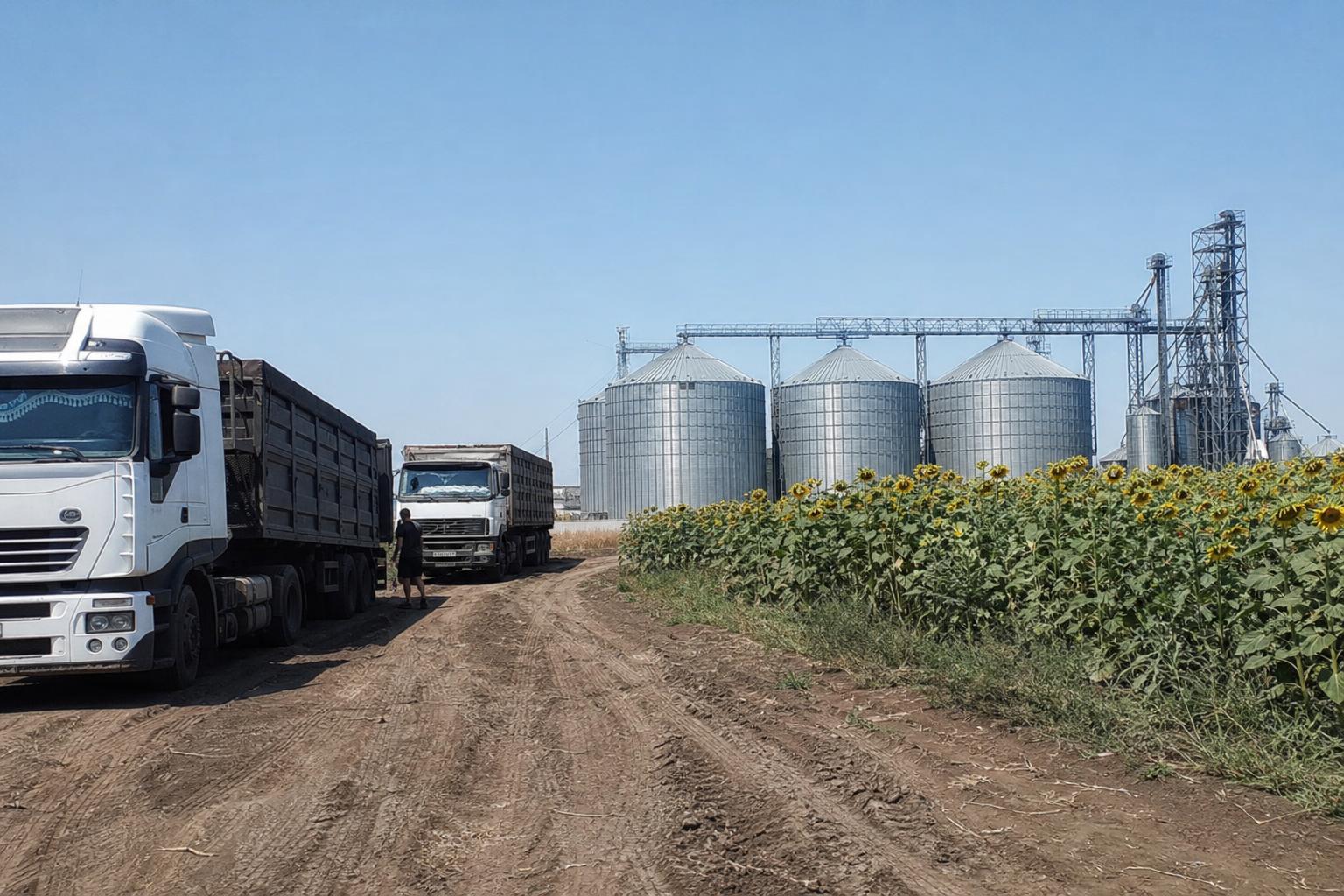
The beginning of sunflower harvesting in Mykolaiv region signals to carriers, elevators, and traders: demand for transport will grow in waves, making planning more crucial than ever.
In Ukraine's grain logistics market, the gap between short and long-distance tariffs is widening. Long hauls are becoming more expensive due to demand to western borders and lower fleet turnover, while short hauls mostly decrease or remain stable.
Ukrainian agricultural exports are experiencing a new logistical focus: after procurement difficulties at the western land border, some flows are increasingly moving through Danube ports and Constanța. For sellers and buyers, this means that product prices are becoming more dependent on route availability, delivery times, and idle costs.
Purchase prices for Ukrainian food wheat on DAP Constanța basis have increased amid congestion on the Danube route, queues near Sulina Canal, and restrictions on the western land corridor. For farmers and traders, precise calculation of delivery, delays, and contract deadlines becomes crucial.
Freight market offers for container shipments from Reni and Izmail have nearly disappeared, while the queue at Sulin Channel increases the risk of additional costs. For grain sellers, this means the need to quickly secure logistics and carefully calculate delivery prices.
Ukrainian grain and oilseed sellers should allocate more time for documentation, lab testing, and temporary storage. Increased sunflower control in Bulgaria and the need for additional grain storages may affect sales pace and route choices.
Ukrainian agro-export faces a complex period: deepwater ports operate with risks, August grain shipments may be the weakest during full-scale war, and the oilseed market depends on route availability and transportation costs.
Logistical constraints in the Black Sea region are once again in focus: Russian wheat export forecast for August is lowered due to shipment issues, while Ukraine continues investing in local elevator infrastructure. For AgroPost participants, this signals the importance of carefully documenting delivery, processing, and transshipment conditions at the deal stage.
At the start of the new season, demand for Ukrainian oilseeds and grains remains, but contract fulfillment increasingly depends on vessel access, transit routes, and tariff conditions in neighboring countries.
Neighboring countries have loaded their transshipment capacities with their own grain, so Ukrainian exporters should plan western routes in advance. The most viable alternative remains Romania along with Moldova, while Poland, Slovakia, and Hungary face economic and accessibility constraints.
Sign in to manage requests, save contacts and respond to market offers quickly.
Continue with GoogleSign in to manage requests, save contacts and respond to market offers quickly.
Continue with GoogleEnter your email and we will send a password reset link.
Don't have an account?
With your consent, Google Analytics measures navigation and listing steps. The service does not start without consent. The site works without it.
We send category, language, step number and whether an error or save occurred, not entered values, phone numbers, email addresses or listing text. Your choice is stored in this browser for up to 180 days. Advertising tracking stays disabled.
Use Analytics settings to change your choice. Withdrawing consent reloads the page to stop already loaded services: save any unfinished form first.