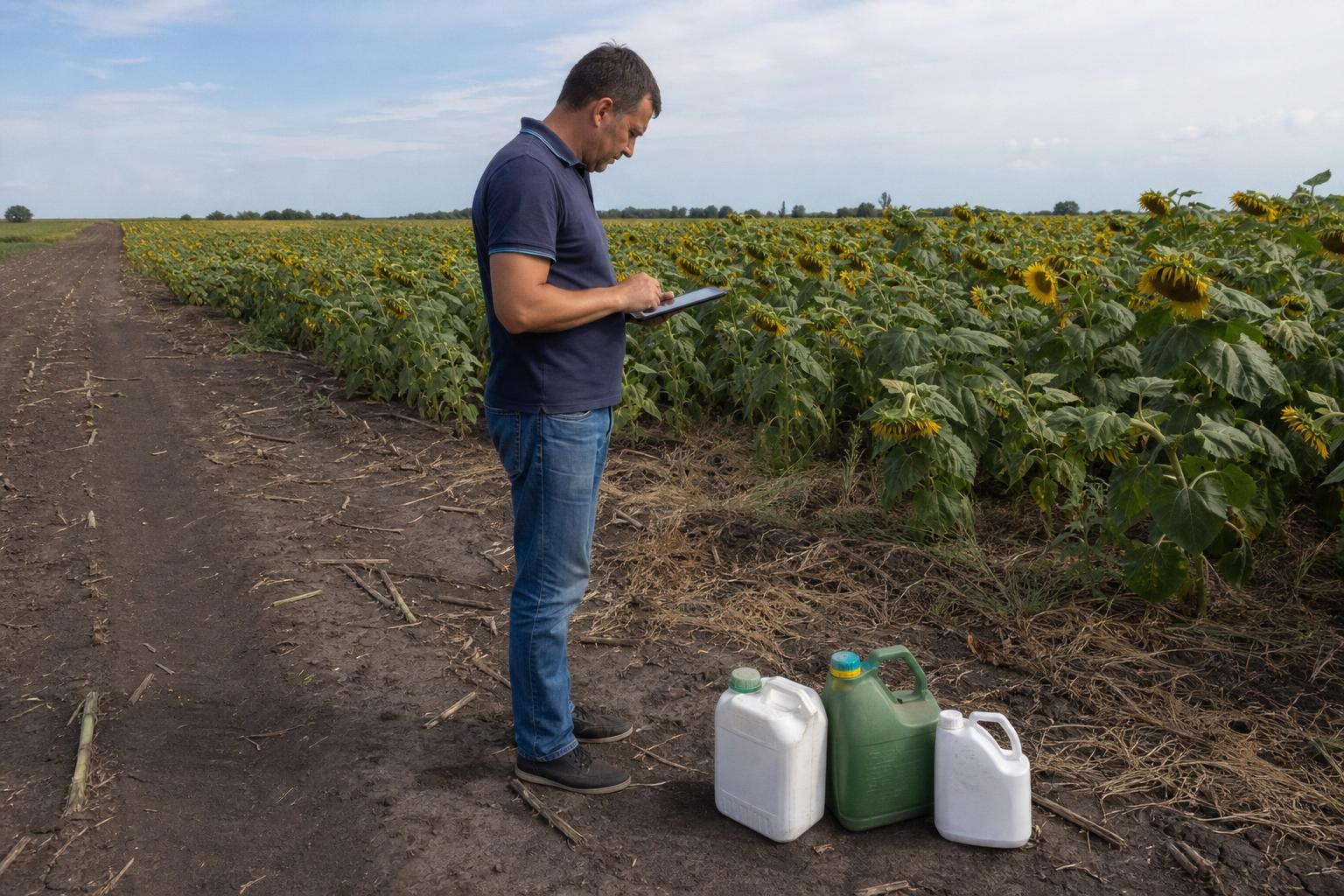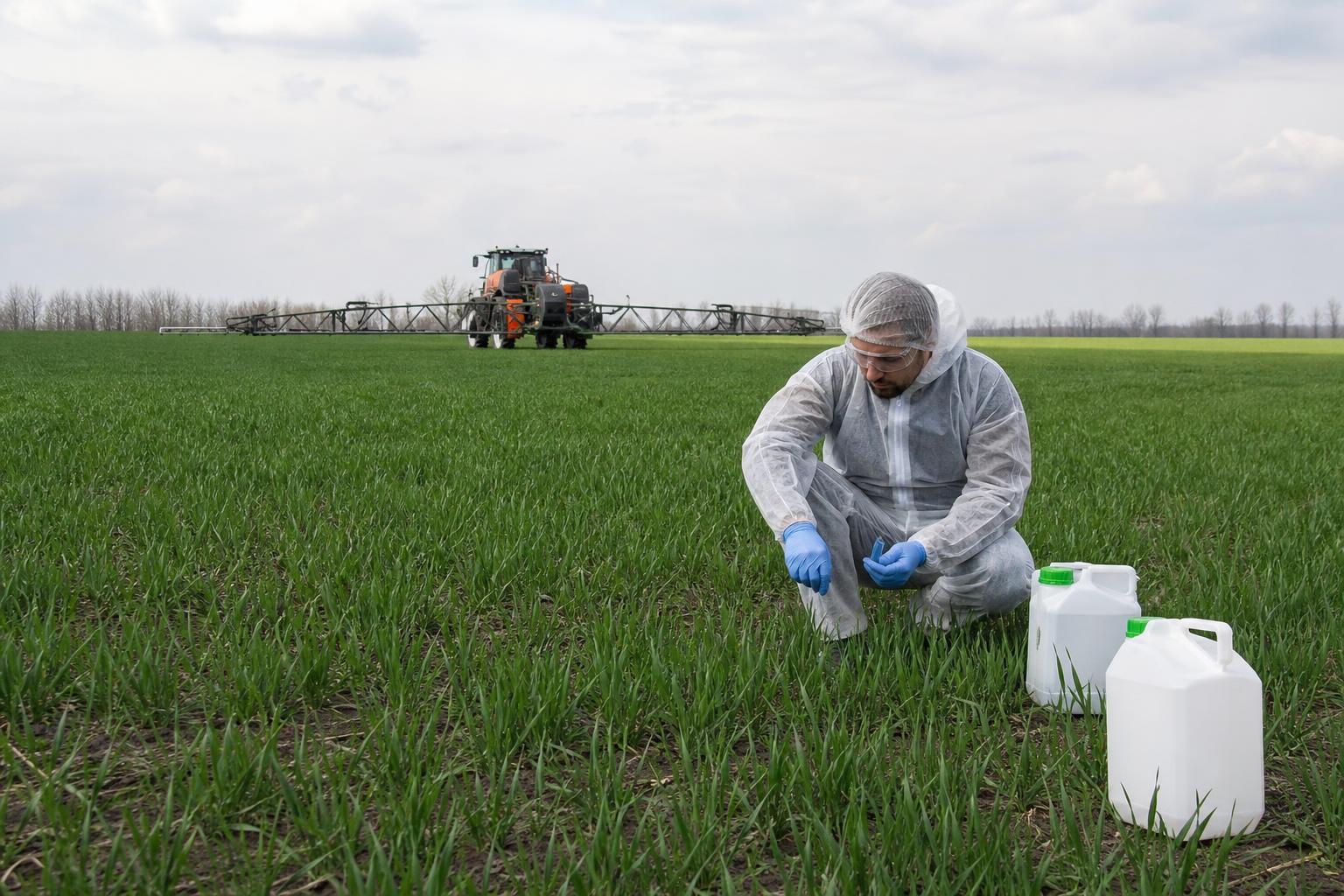
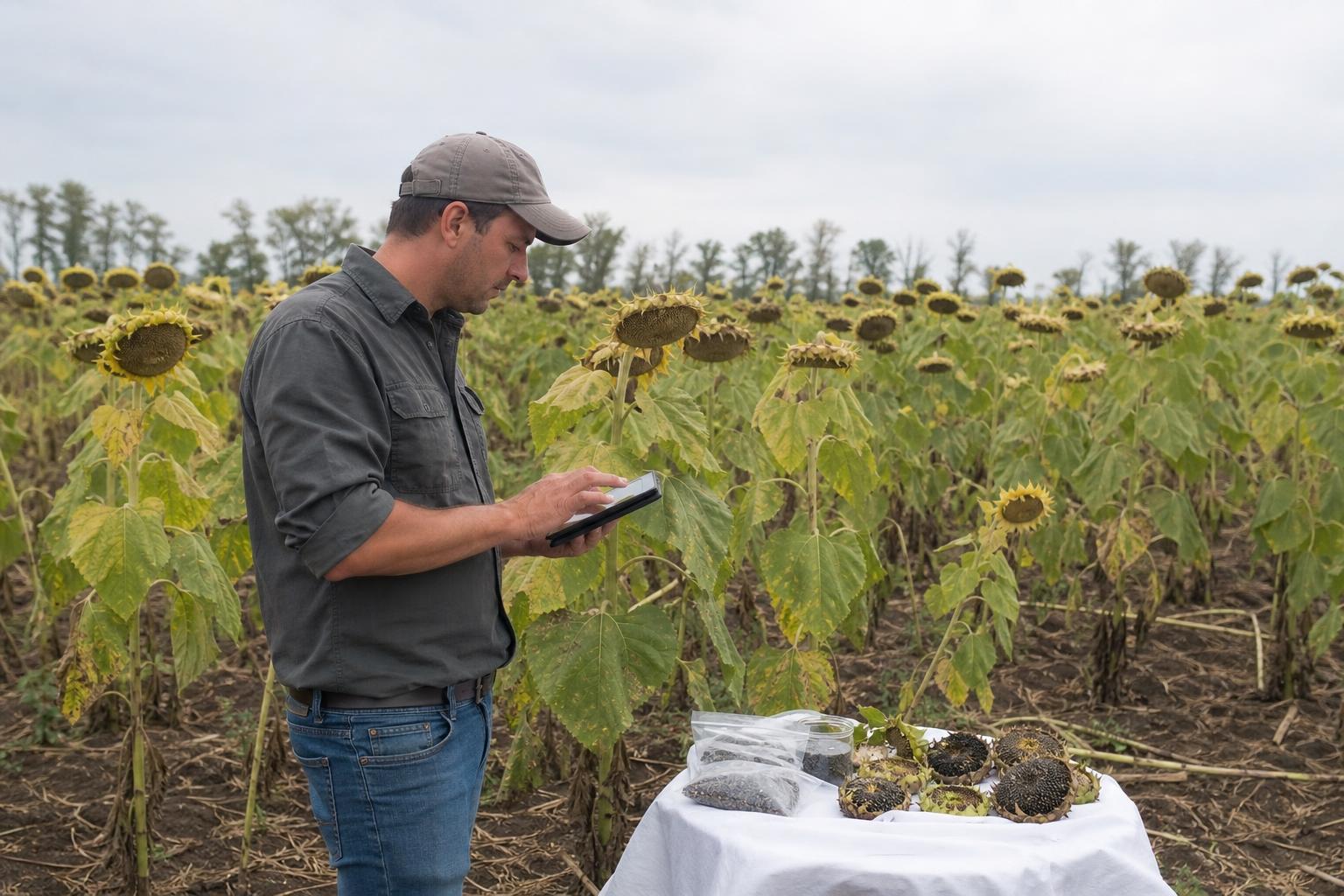
Bulgaria plans to test all batches of Ukrainian sunflower for pesticide residues. This means increased attention to pesticide application regulations, treatment logs, and laboratory safety confirmation for farmers and traders.
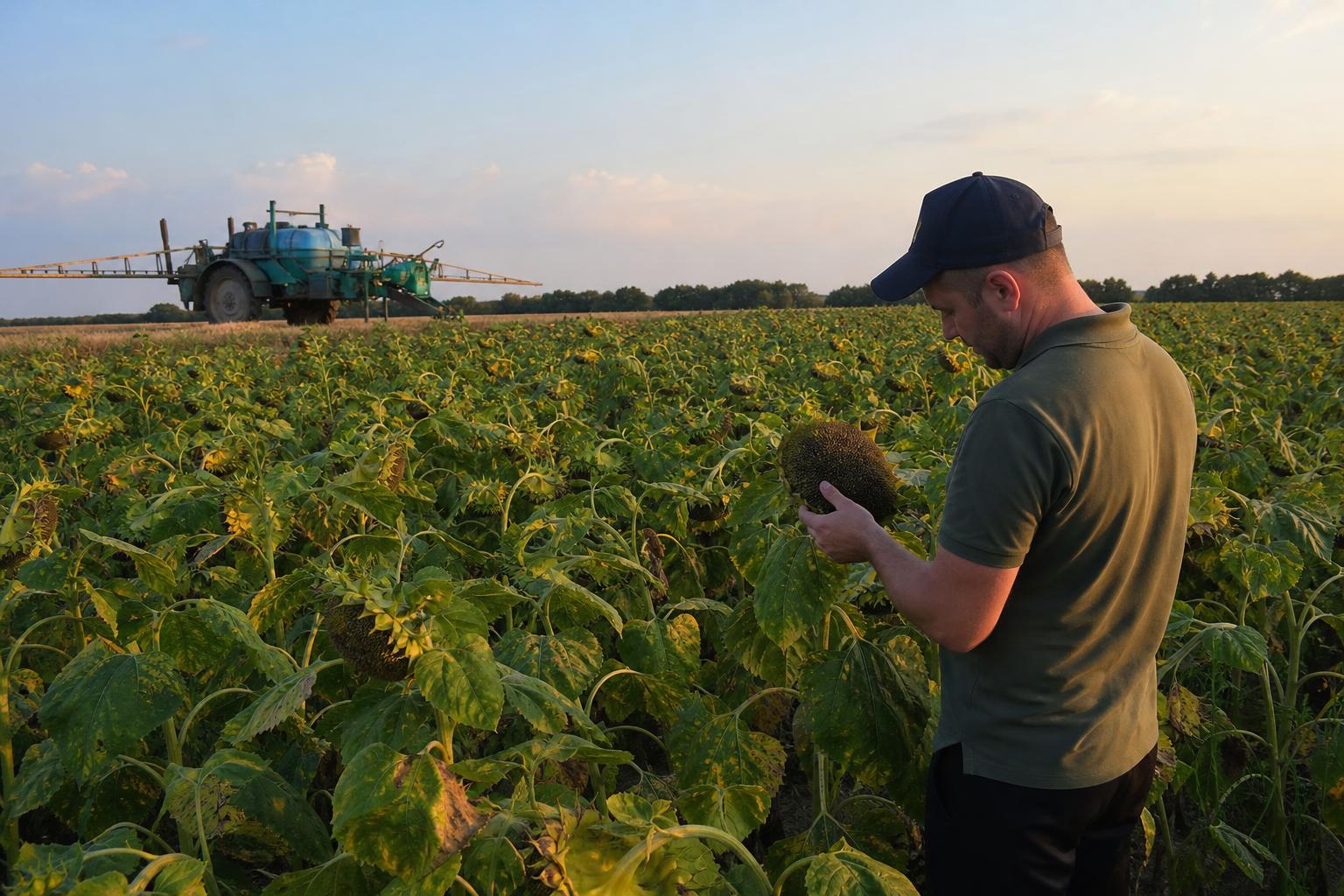
Ukrainian sunflower market is entering a period of high supply and price pressure. For producers, this emphasizes the importance of final crop protection, desiccation, and quality harvesting: losses in the field can be more costly than technological savings.
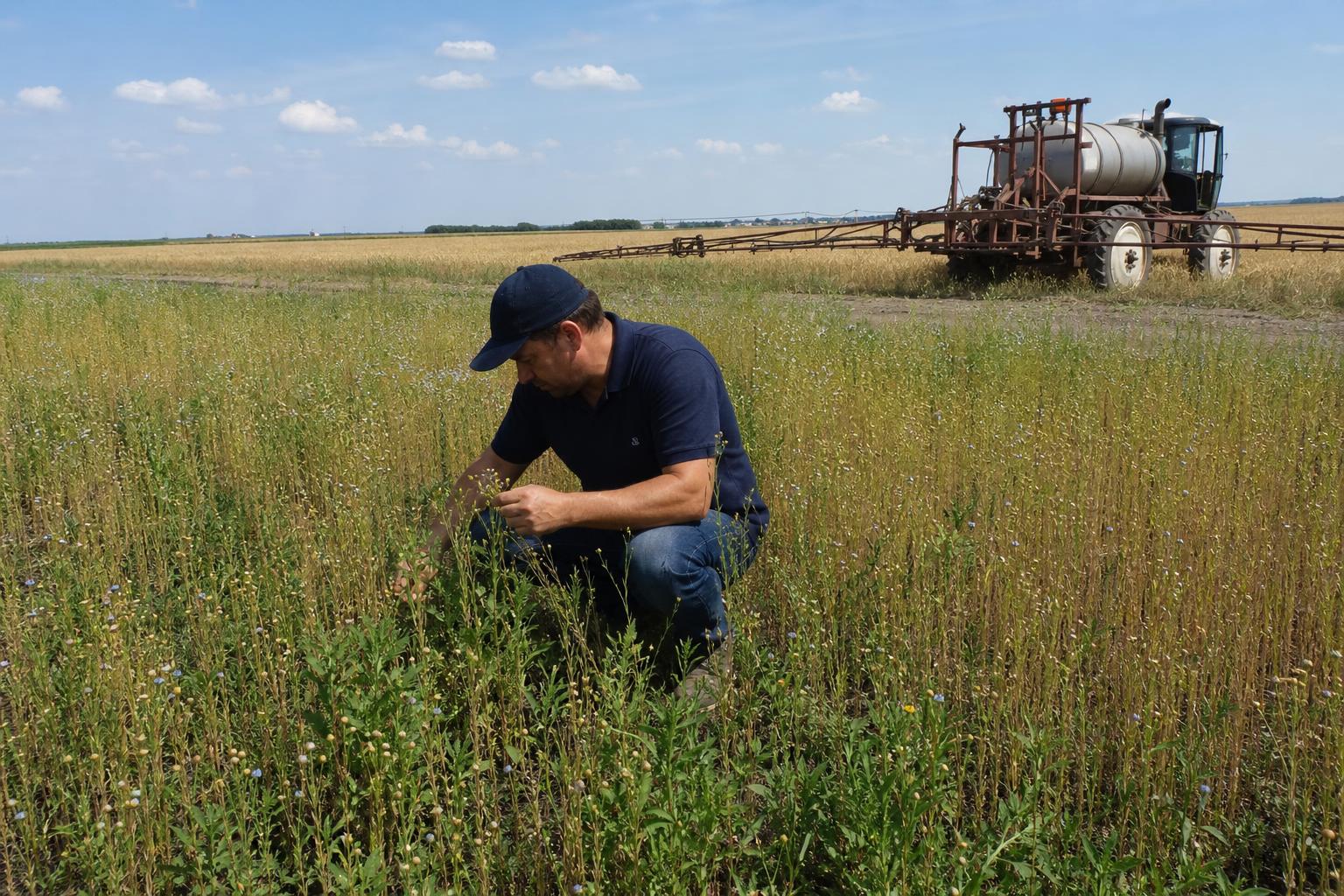
The first season of golden flax in Odessa region demonstrated its potential to diversify crop rotations in arid conditions, highlighting the need for tailored herbicide solutions. This signals increased demand for niche oilseed crop protection products.
The initial export contracts for the new sunflower harvest provide producers with an additional market benchmark, but decisions on herbicides, fungicides, and other plant protection products should be based on crop conditions, quality, and actual sales channels rather than forecasts.
EU's €220 million grant support will not be provided to Ukrainian farmers, leading to increased reliance on credit and partnership programs for purchasing herbicides, fungicides, and other crop protection products. For AgroPost sellers, this means higher demand for transparent payment terms, while farmers need to plan plant protection alongside sowing financing.
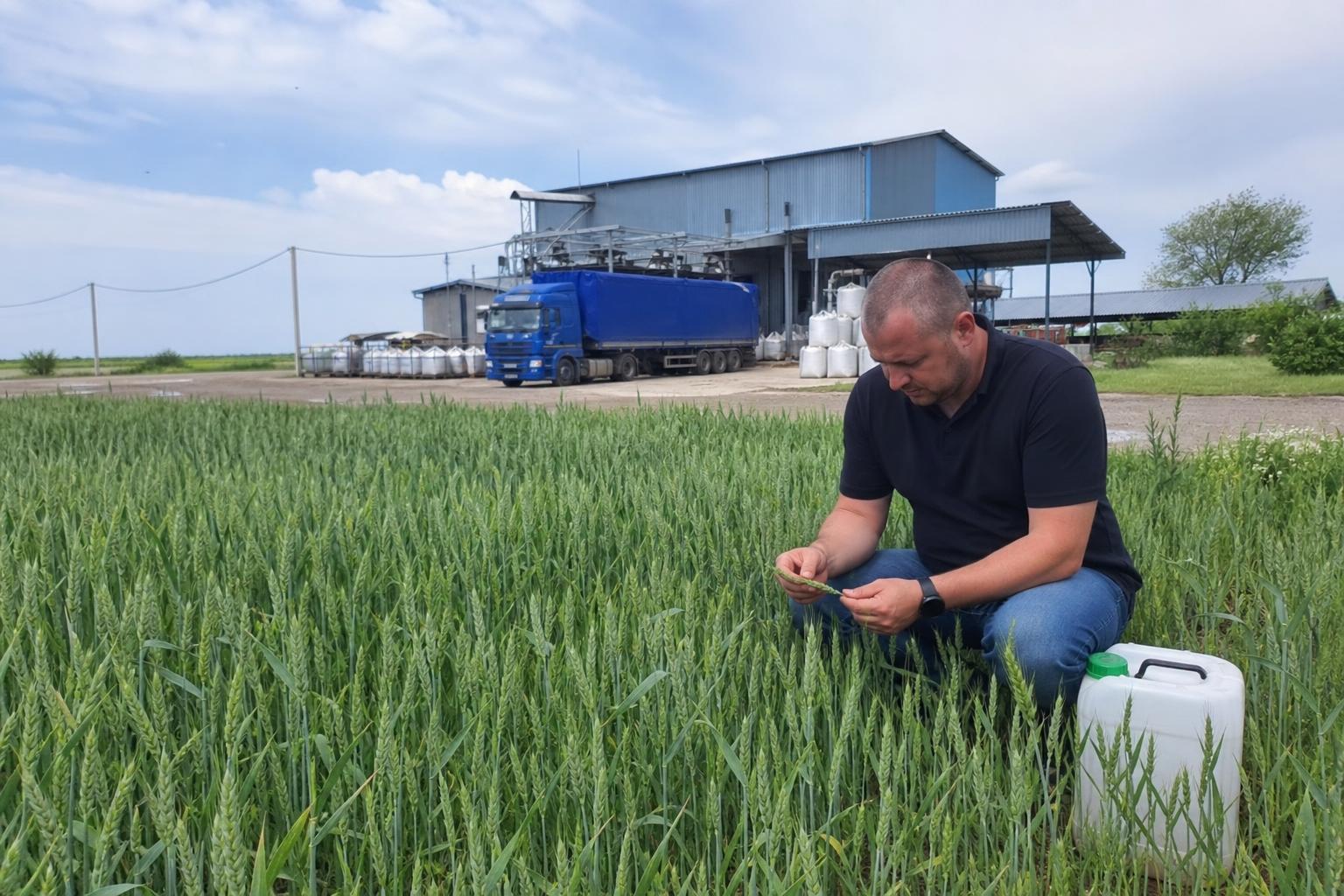
Harvest results of early crops showed that wheat and rapeseed yields depended not only on weather but also on technological discipline. This signals to the crop protection market: farmers should carefully plan seed treatments, herbicides, fungicides, and monitoring for the new season.
Early grain and rapeseed harvest results reveal significant differences between the Forest-Steppe and Polissya zones. This signals the need for tailored crop protection proposals based on region, crop, and risks.
Amid the active completion of early grain and rapeseed harvests, Ukraine's crop protection market transitions to autumn planning: herbicides, fungicides, and seed treatments become key for the upcoming season.
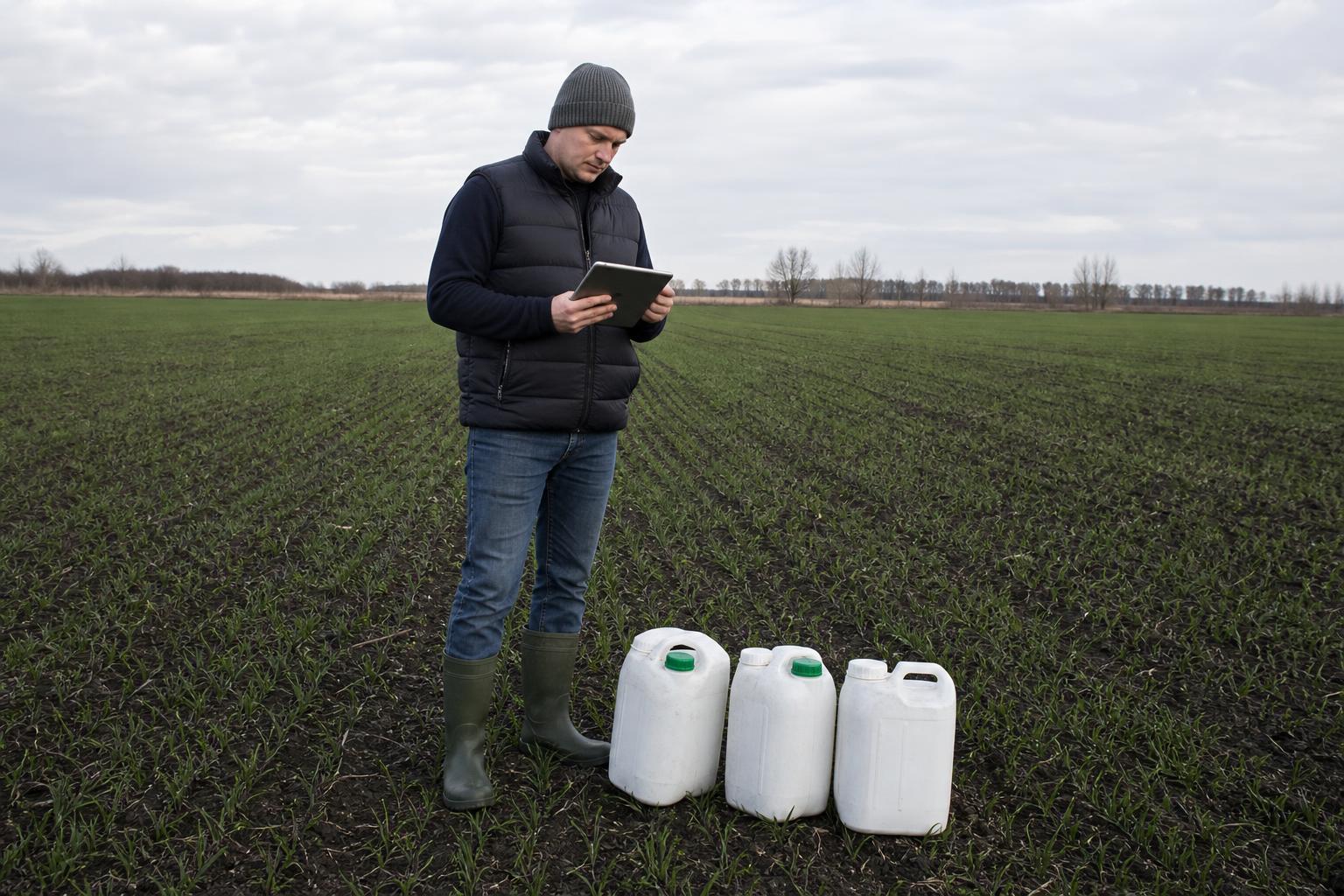
Practical digest for buyers and sellers of crop protection products: what to consider when selecting herbicides, fungicides, and insecticides during weather conditions that increase risks for crops and require precise budget planning.
Due to sales difficulties, some farmers start the autumn season with limited liquidity. This leads to cautious procurement, increased demand for precise planning, and flexible offers on herbicides, fungicides, and seed treatments.
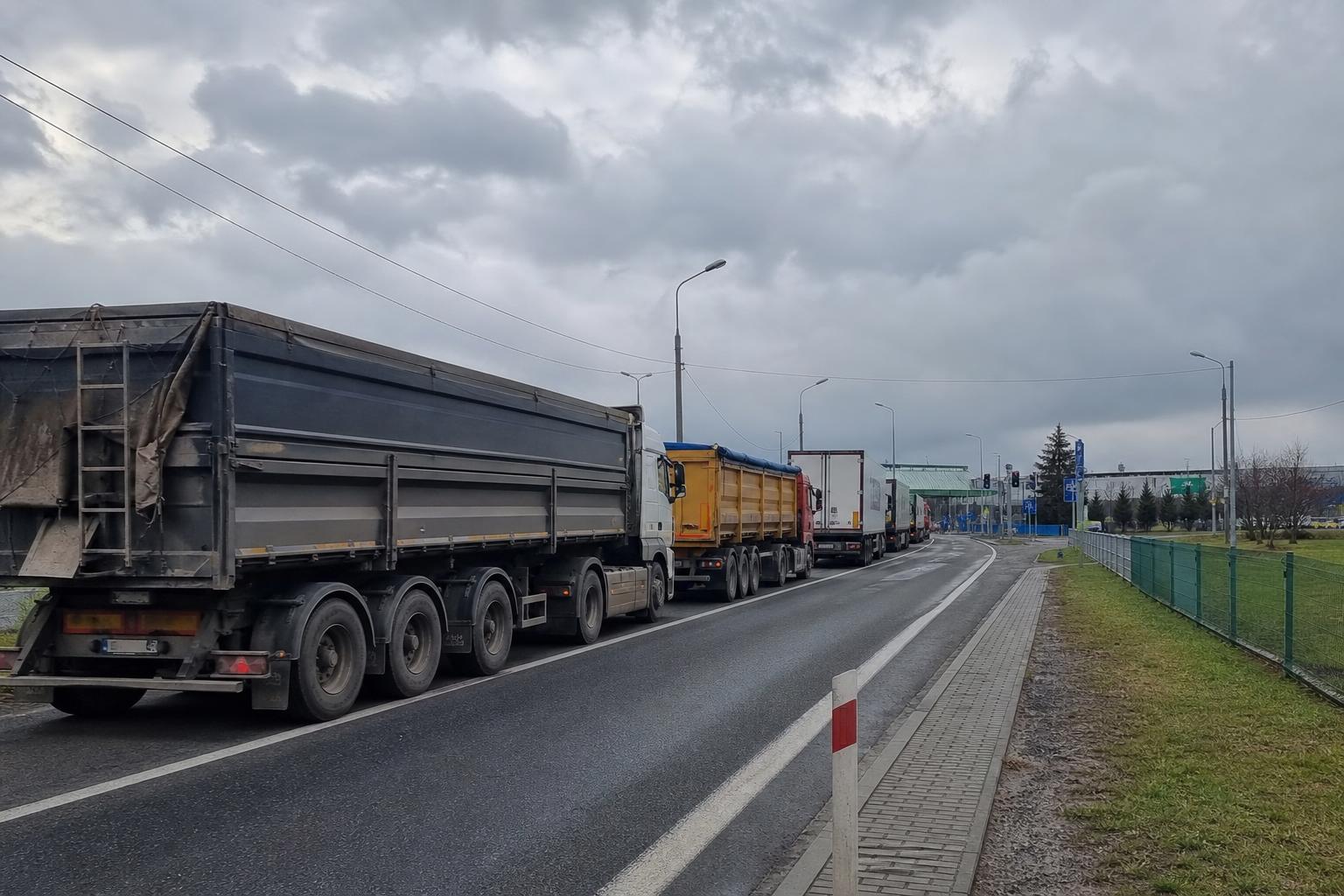
In August, the agricultural market operates amid weaker grain transportation and uncertainty around the Black Sea. For buyers and sellers of crop protection products, this signals the need for careful planning of supplies, booking, and payment terms.
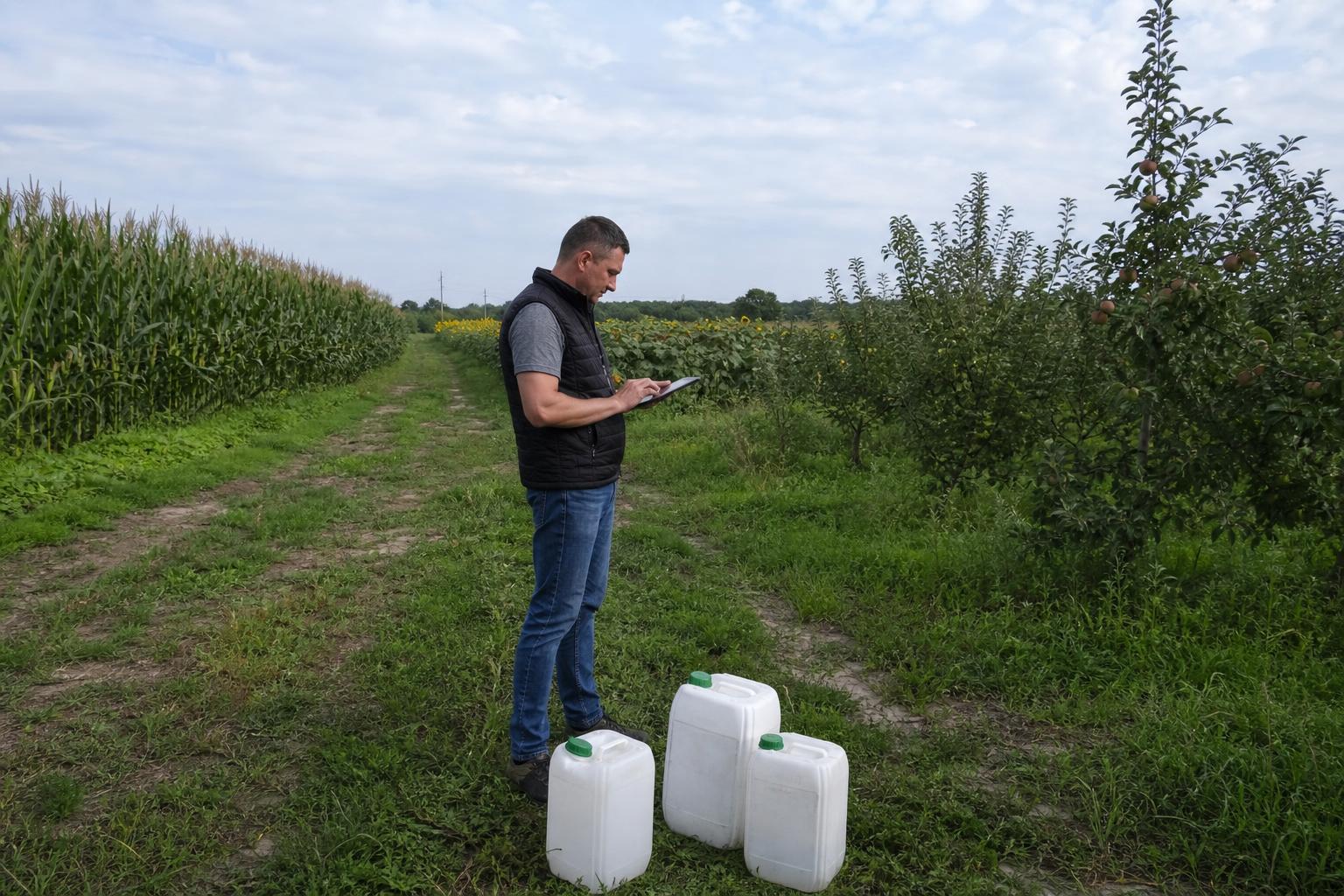
Market data on apples, oilseeds, and corn provide insights for planning herbicide, fungicide, and insecticide purchases. For AgroPost, this signals the need to focus on specific crop protection solutions.
Enter your email and we will send a password reset link.
Don't have an account?
Help improve AgroPost?
With your consent, Google Analytics measures navigation and listing steps. The service does not start without consent. The site works without it.
What we collect and how to change your choice
We send category, language, step number and whether an error or save occurred, not entered values, phone numbers, email addresses or listing text. Your choice is stored in this browser for up to 180 days. Advertising tracking stays disabled.
Use Analytics settings to change your choice. Withdrawing consent reloads the page to stop already loaded services: save any unfinished form first.