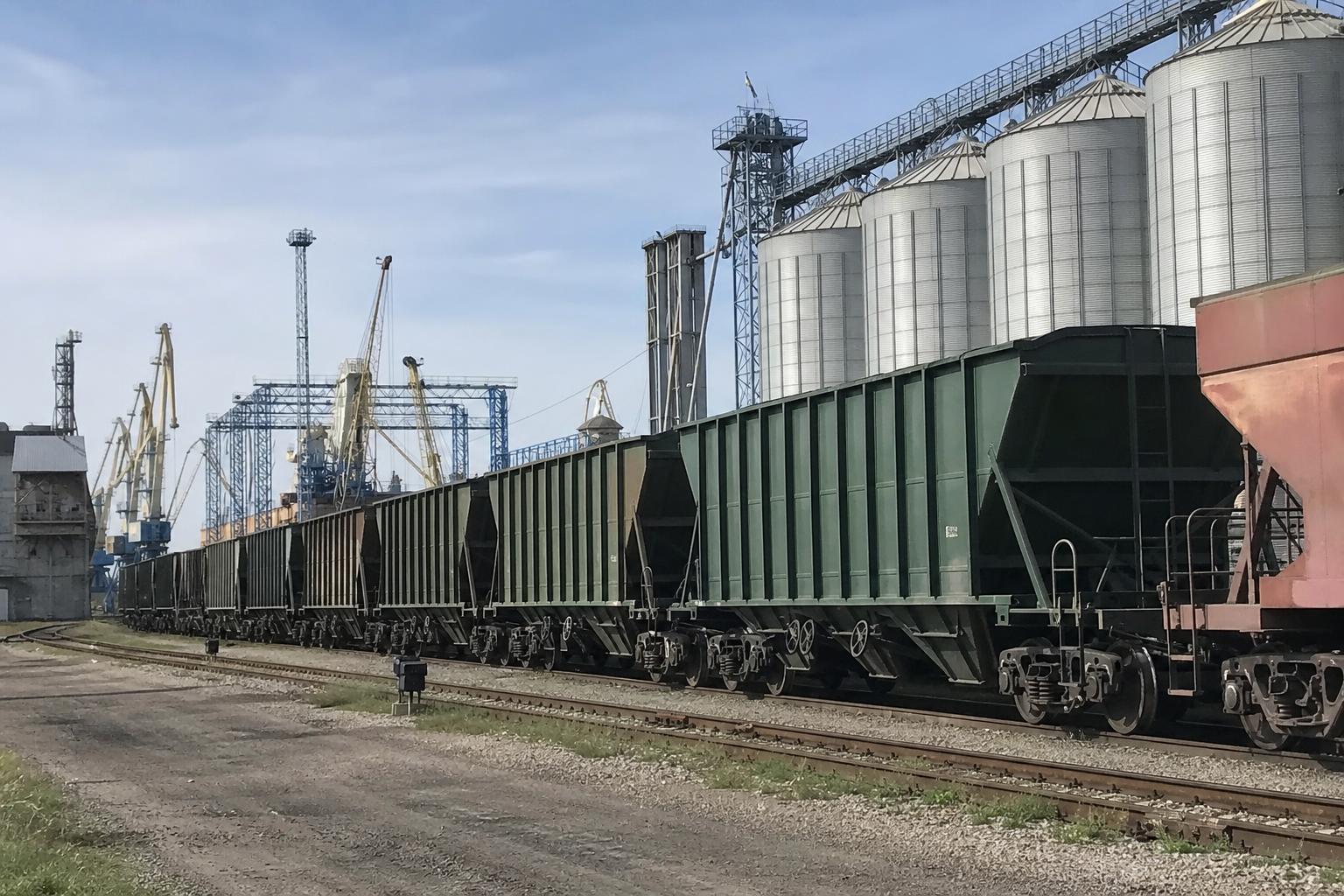
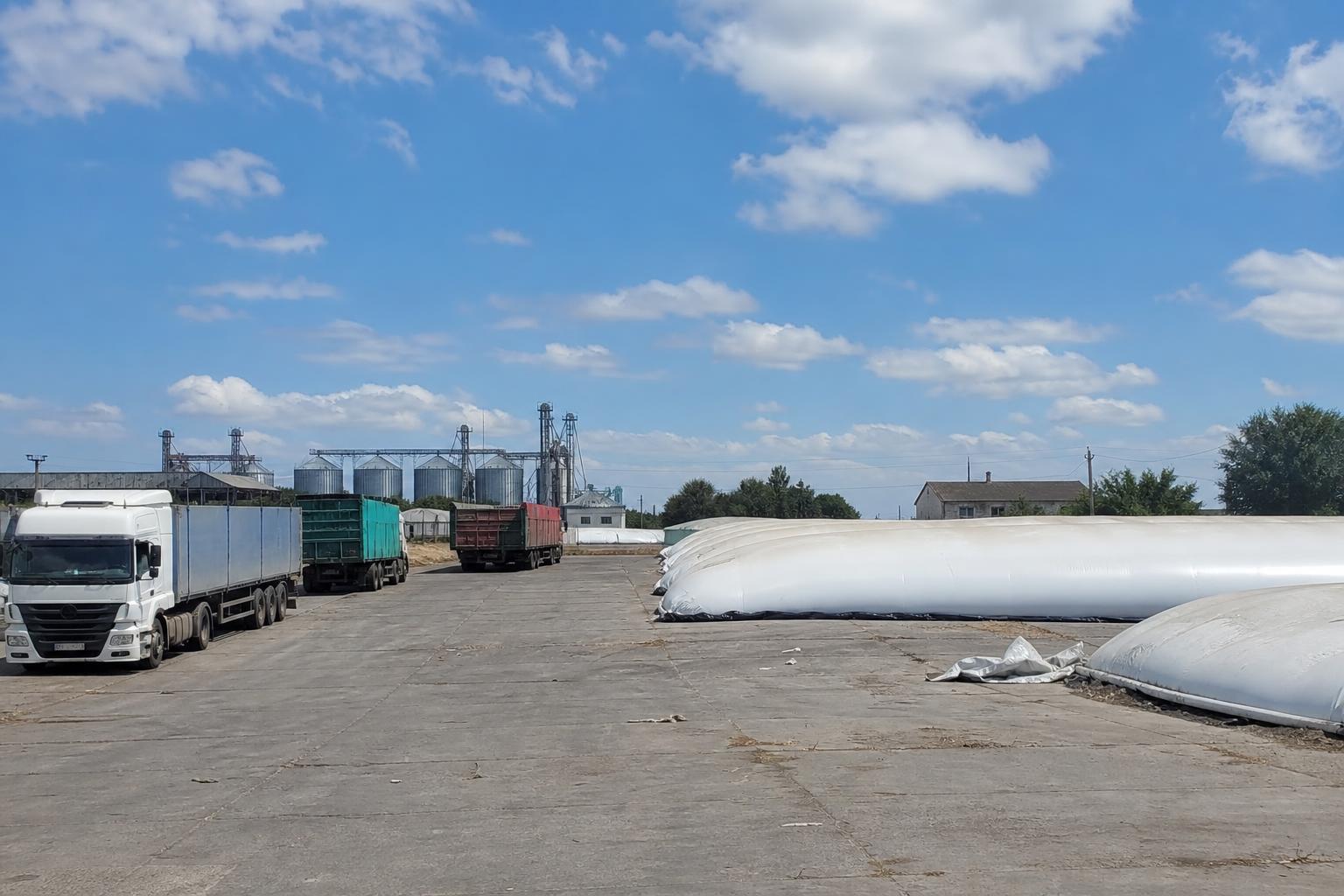
Amid potential prolonged logistical restrictions, Ukrainian grain market players prepare alternative storage scenarios. Polymer tubes serve as a practical backup, though they increase costs and require quality control.
Global grain buyers continue shaping demand for autumn shipments, but for Ukrainian sellers, the decisive factors are not only the product price but also timely delivery to ports or borders. Focus areas include route planning, vehicle queues, and logistics cost assessment before deals.
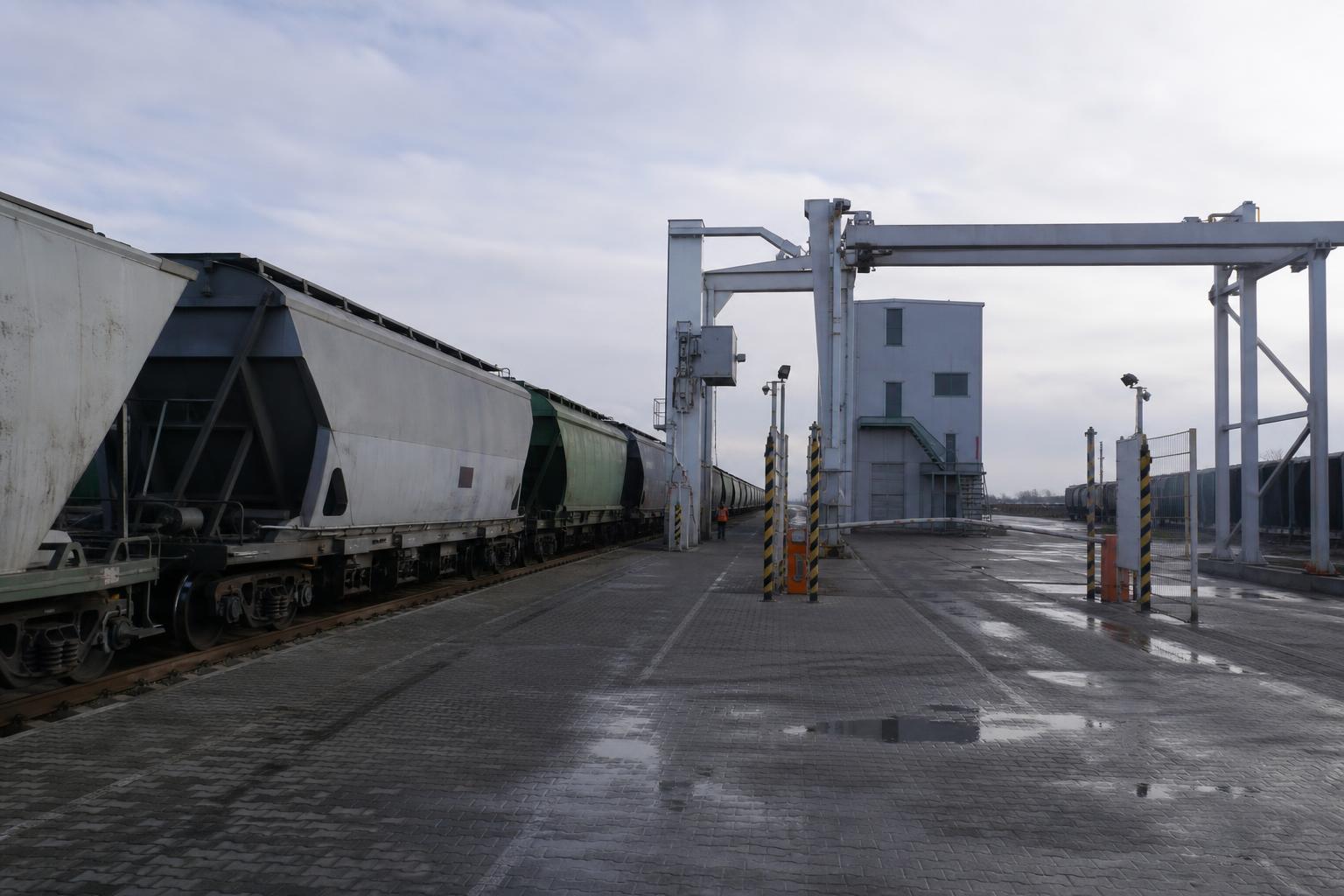
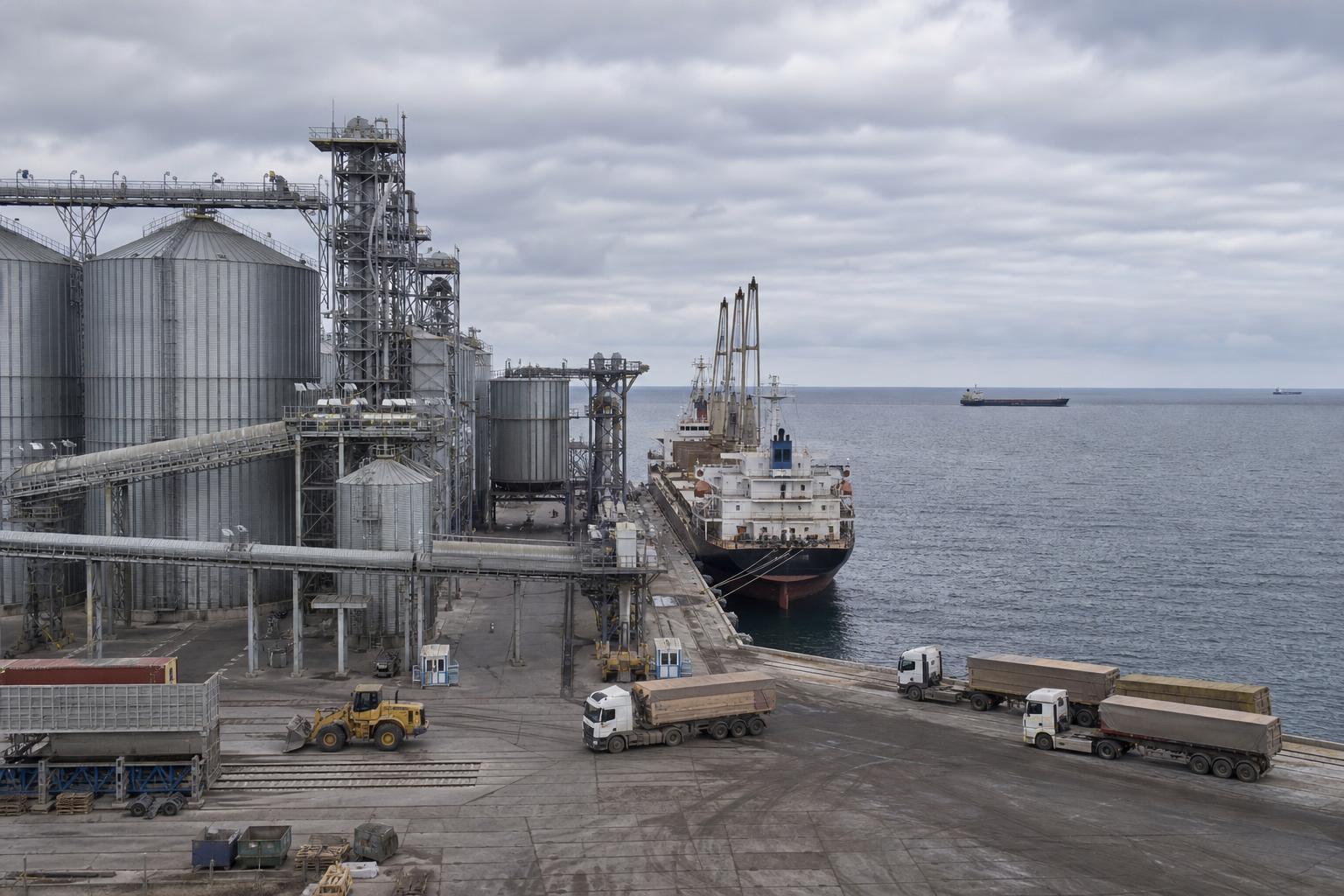
Ukrainian agrologistics receives two contrasting signals: stationary wagon scanning at the Poland border is being prepared, while wheat exports through Constanța remain economically challenging due to high transportation costs and Danube restrictions.
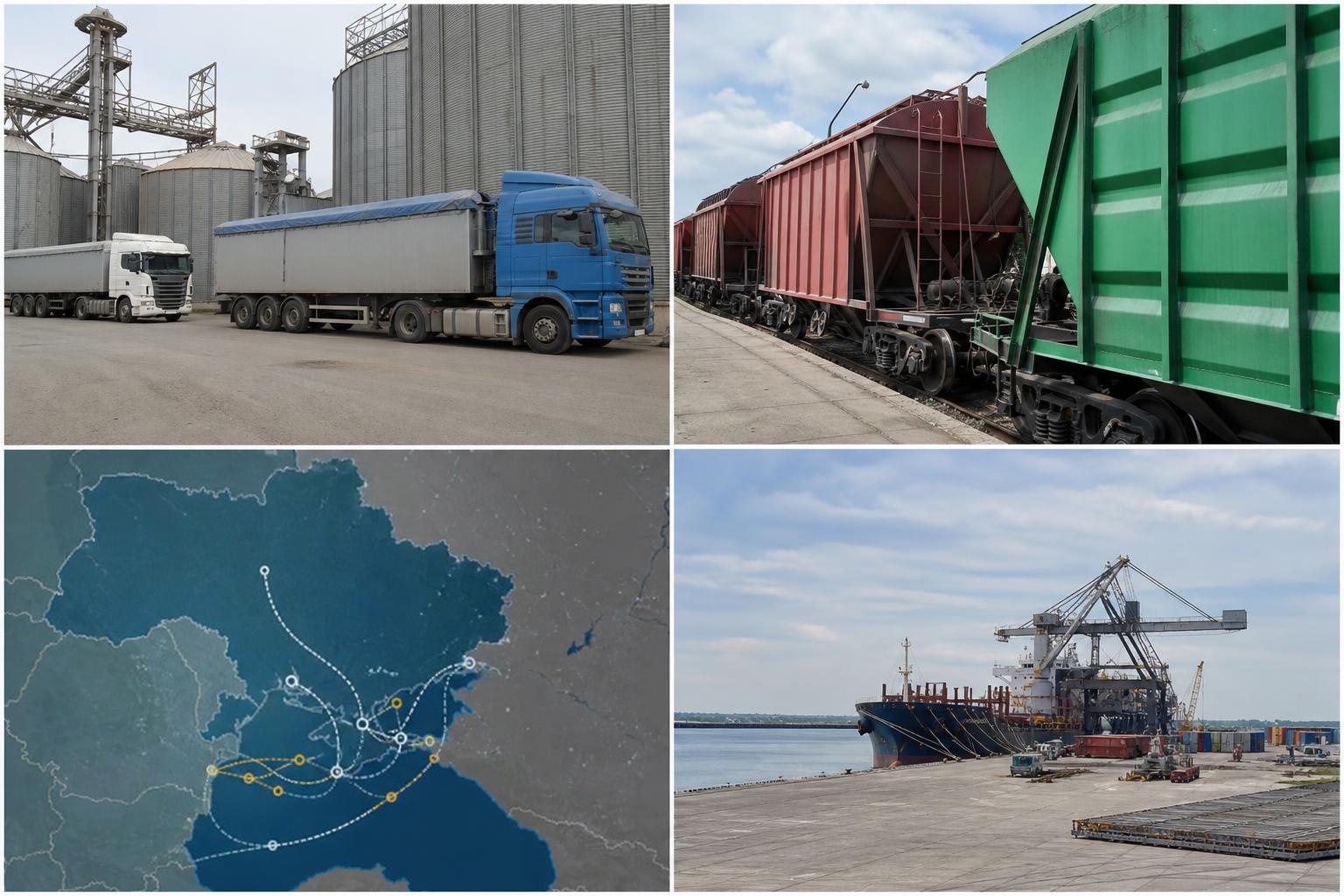
Ukraine's grain exports again depend on the capacity of alternative routes. Ukrzaliznytsia is negotiating to expand transit through neighboring countries, with flows passing through Danube, Constanța, Slovakia, and Hungary, but these do not fully replace the ports of Greater Odessa.
After security challenges in maritime logistics, agribusiness should review routes, contract conditions, and working capital needs. The government is preparing financial support tools, while the market is again looking at the Danube corridor, land crossings, and dry ports.
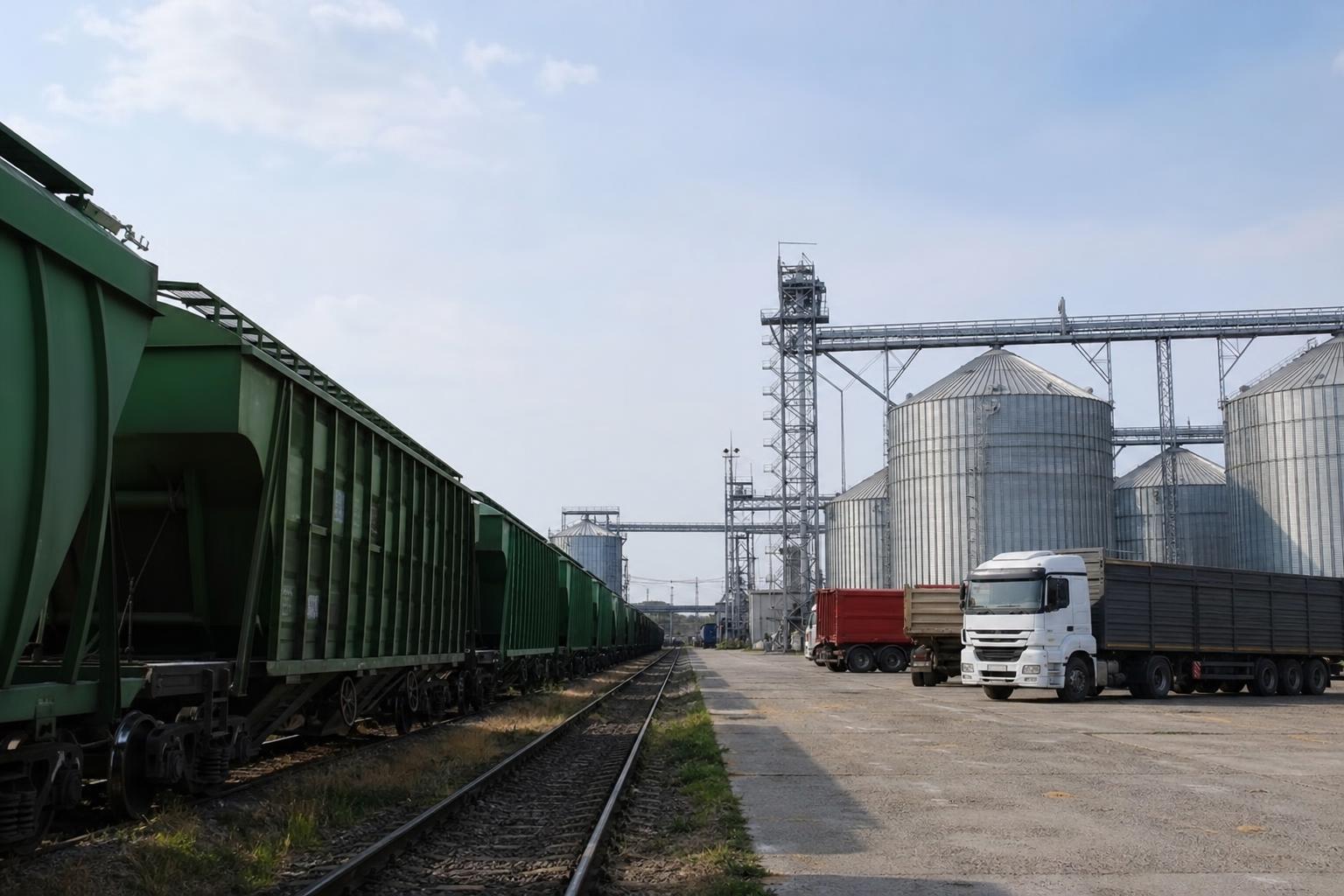
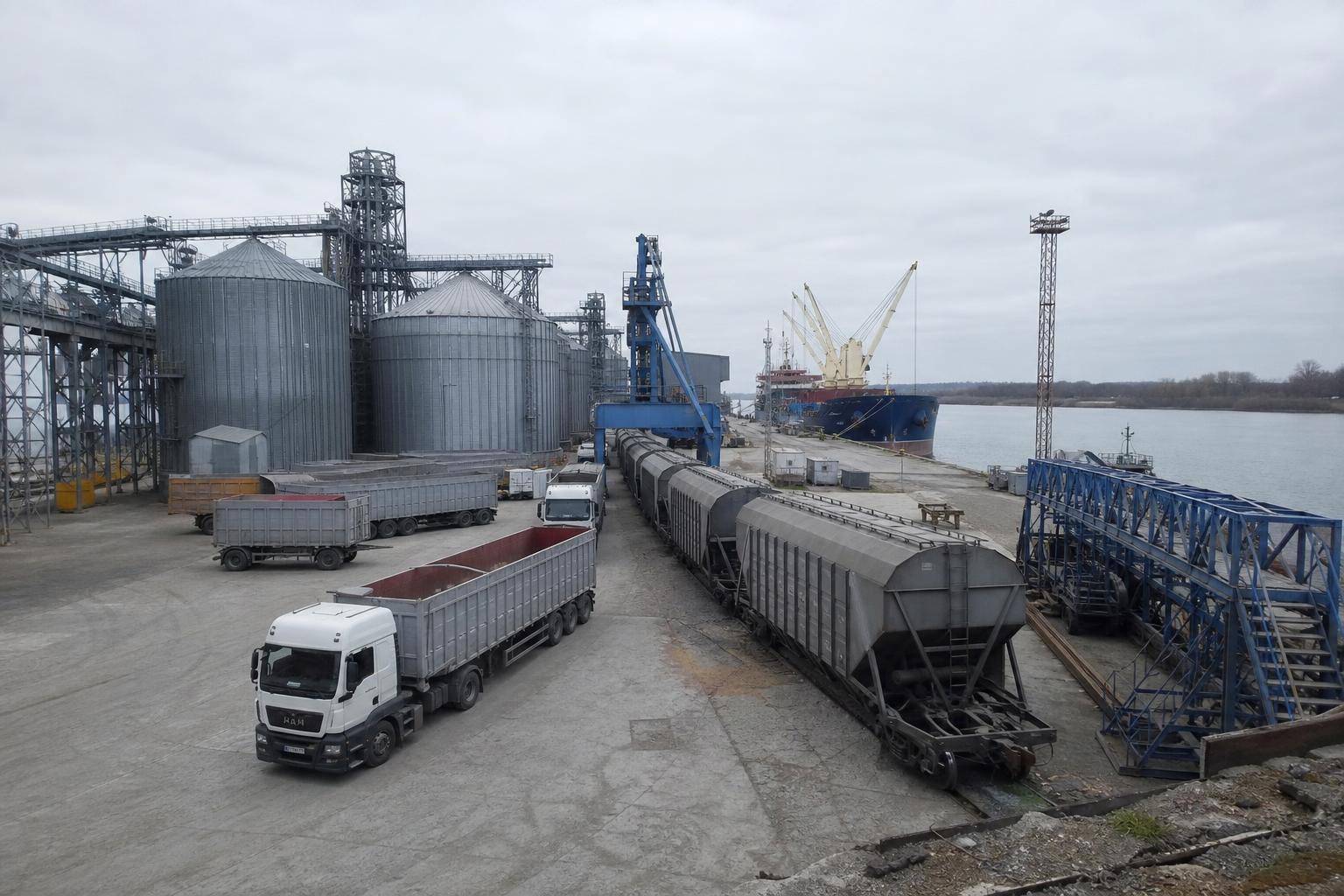
By the end of July, grain hopper wagon accumulation near western border crossings increased from 58 to 201 wagons. Sea ports provided the main share of railway grain exports, although the Great Odesa direction slowed down, and the Danube cluster showed increased wagon movement.
Following reports of port infrastructure damage in Taman, grain market attention shifts back to Black Sea security. For Ukrainian sellers and buyers, key factors remain transportation costs, railcar availability, and port risks on export routes.
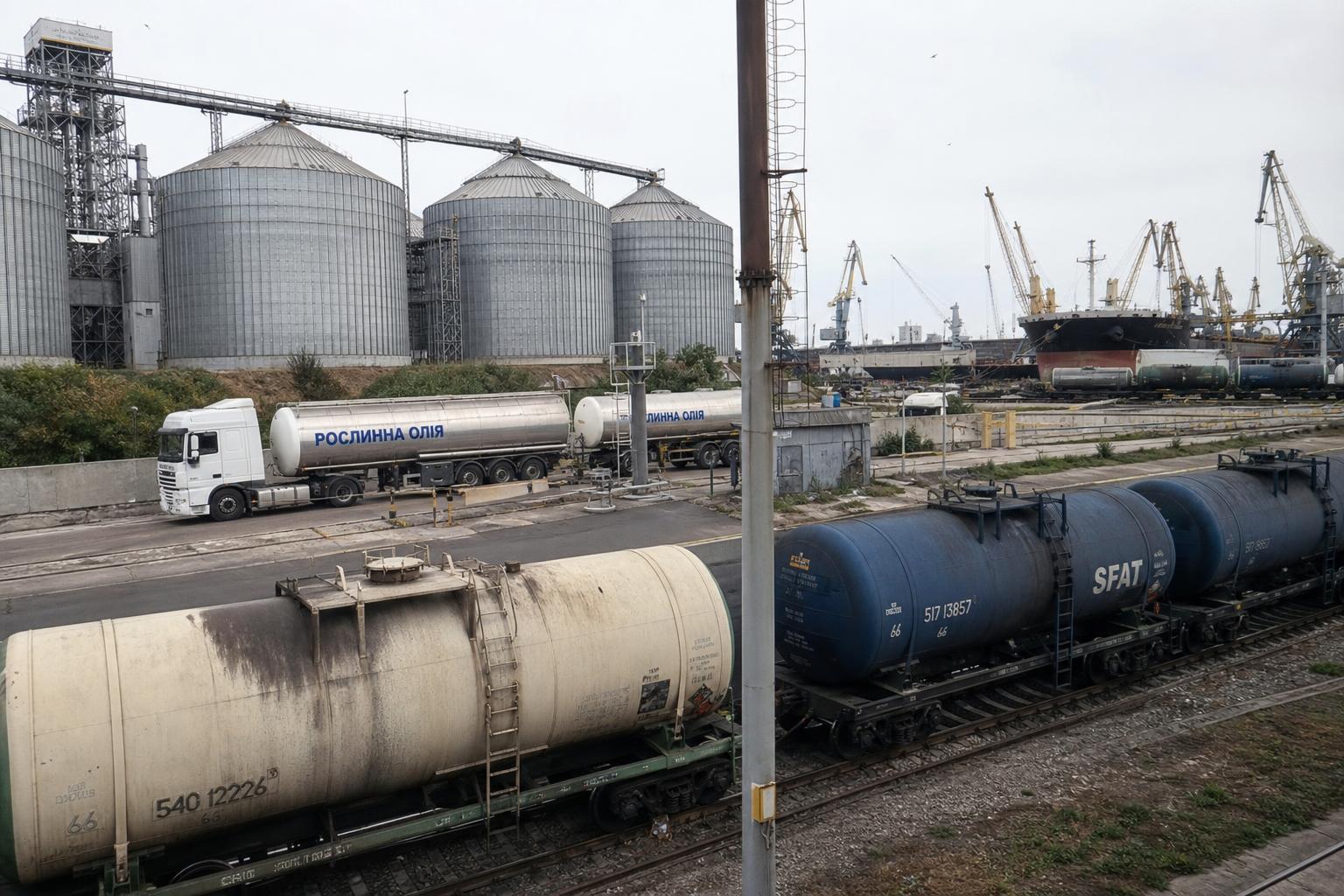
Delivery of sunflower oil from the Black Sea region to India is delayed up to 60 days. Ukrainian exporters and carriers should review shipment schedules, contract terms, and communication with buyers.
Ukraine enters the season with larger grain reserves, while security risks in the Black and Azov Seas increase. This requires early booking, route checks, and careful cost calculations for sellers and buyers.
Security risks for merchant ships in the Black Sea have once again become a factor for agricultural logistics. For grain, oilseed, and processed product exporters, this means the need for more careful documentation of delivery terms, deadlines, insurance, and alternative routes.
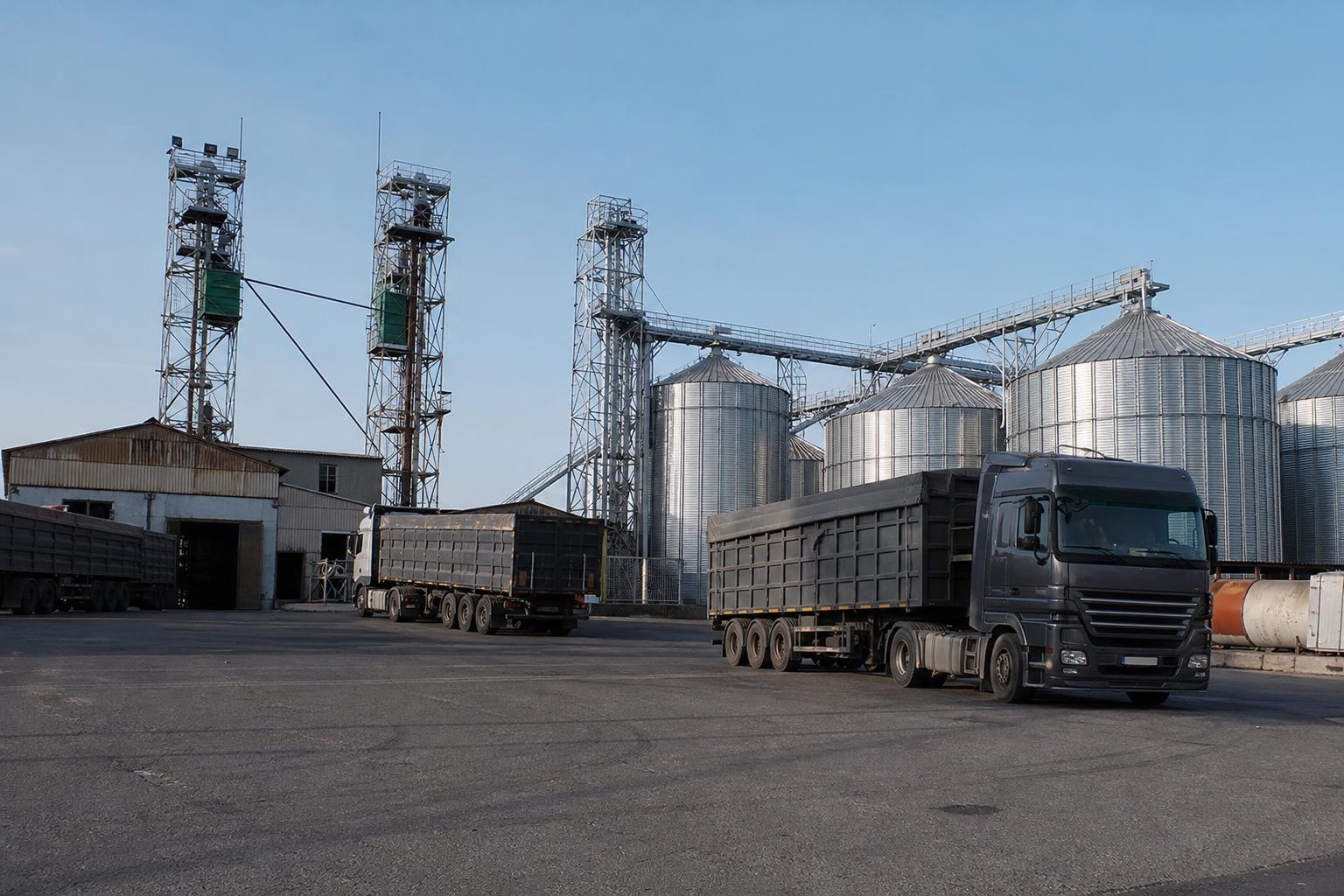
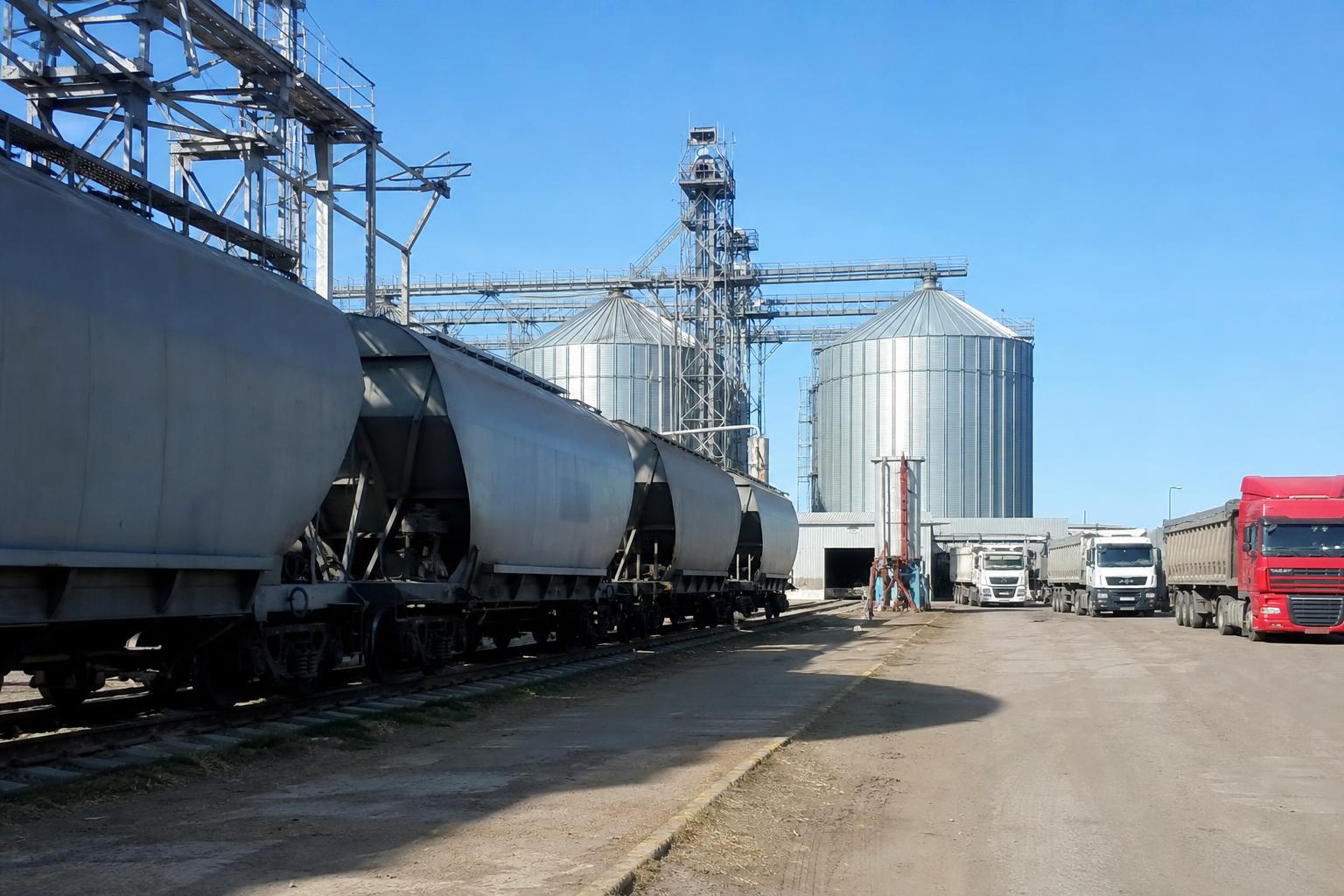
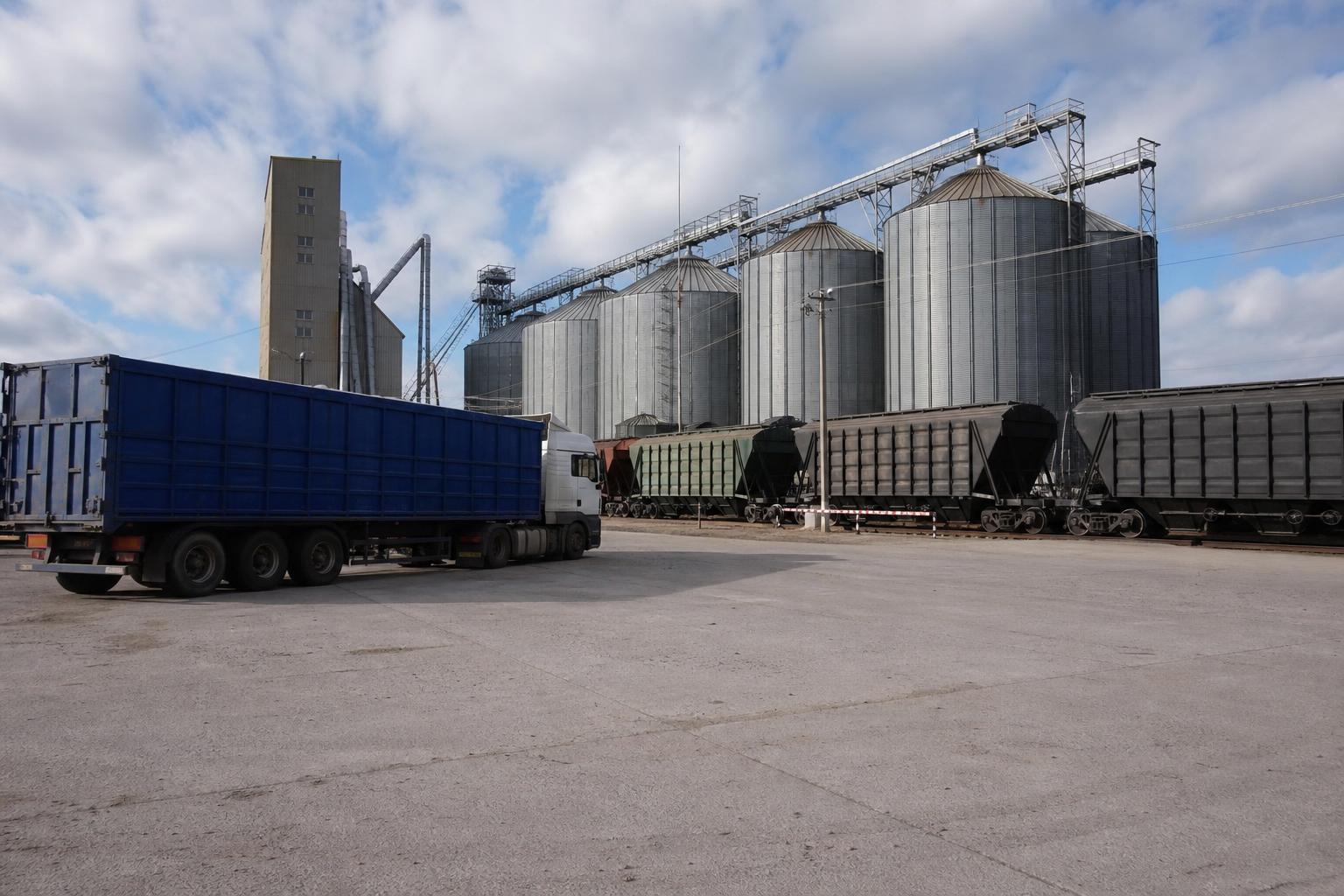
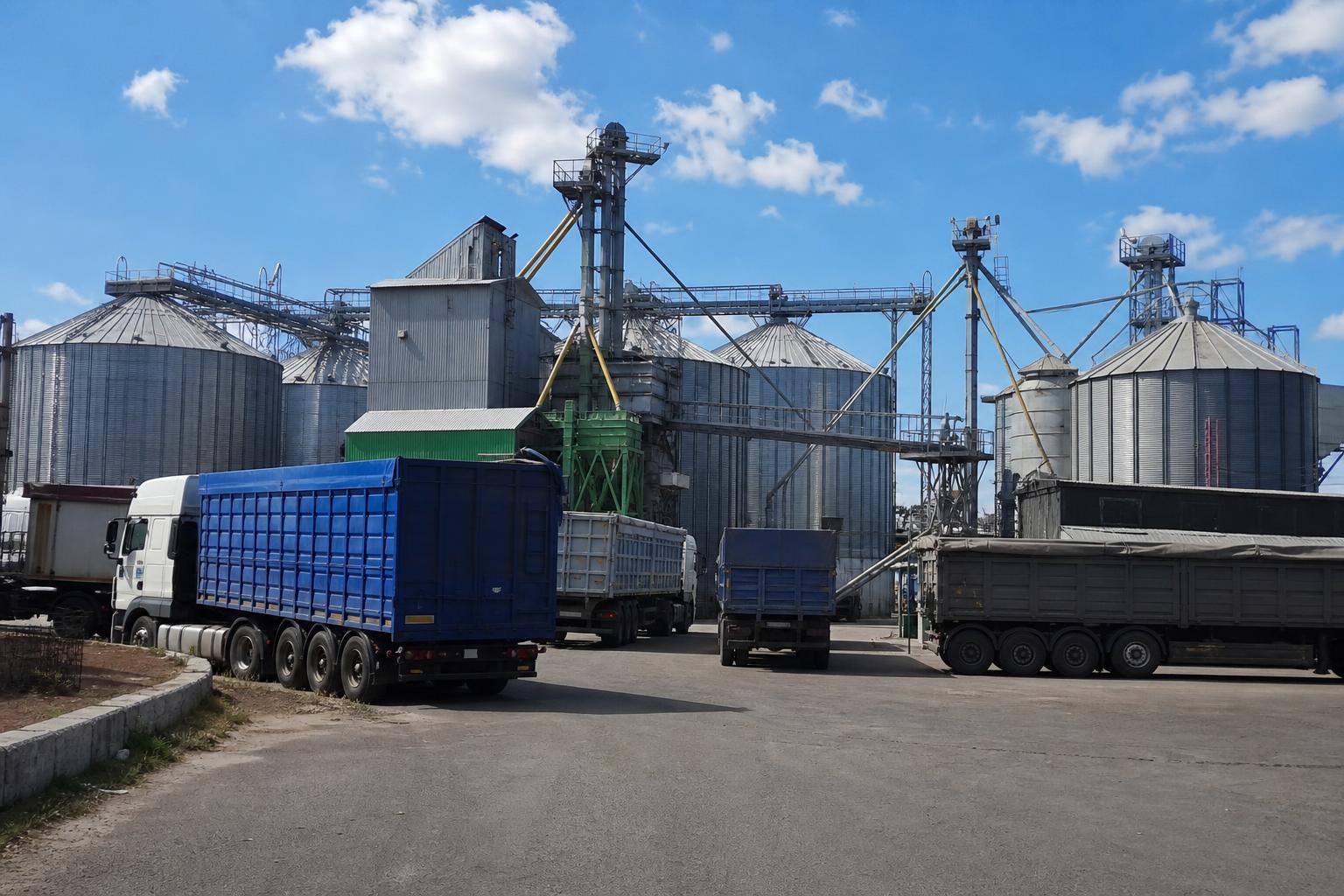
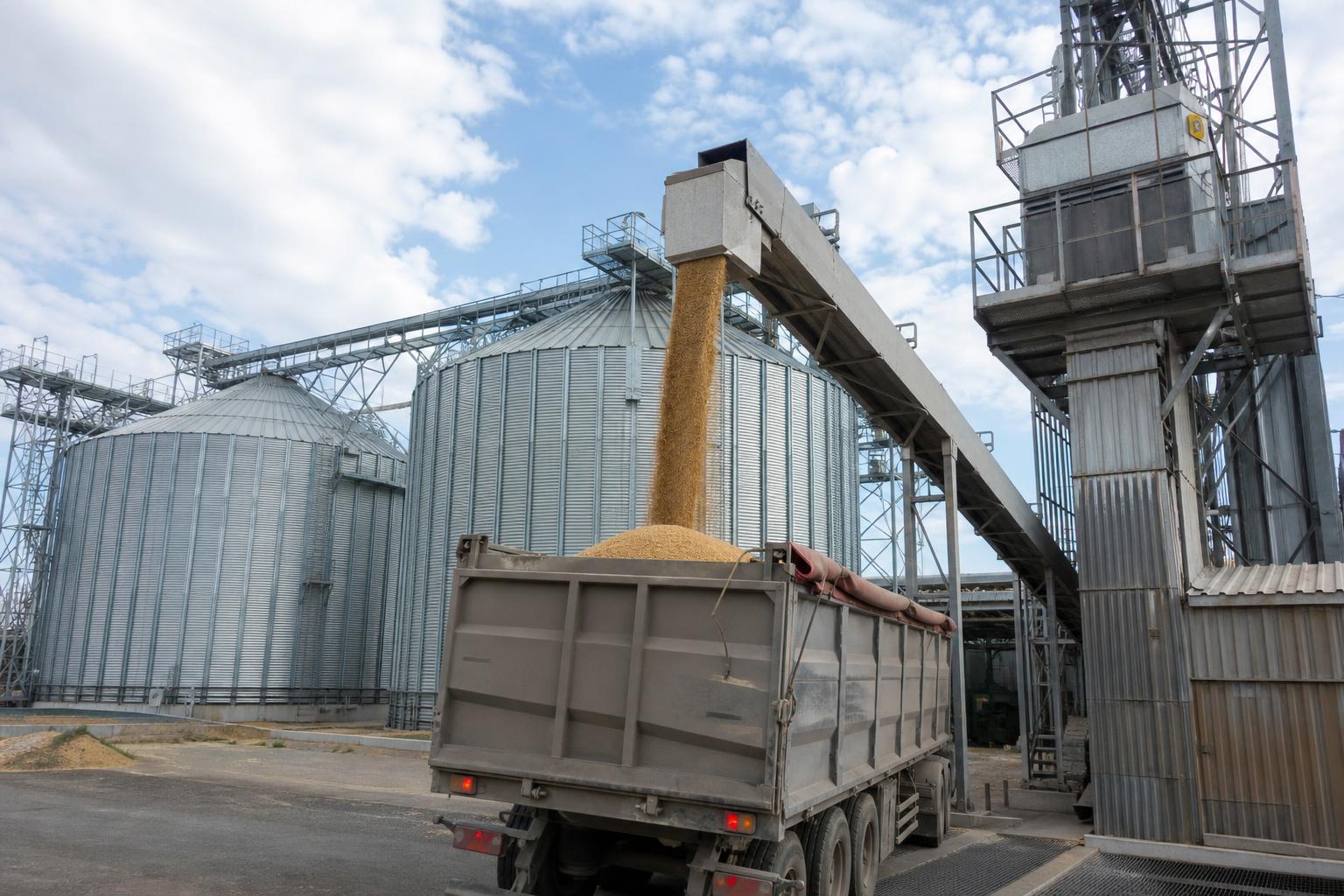
At the start of the 2026 harvest, one of TAS Agro's new elevator assets received over 30,000 tons of grain in two weeks. This exemplifies the market: during peak grain intake, logistics depend not only on transportation but also on available capacity, processing, and clear unloading conditions.
Limited port operations have reduced liquidity in the grain market at port basis. Exporters are rerouting through the Danube and western border, but capacity and infrastructure constraints slow activity.
Enter your email and we will send a password reset link.
Don't have an account?
Help improve AgroPost?
With your consent, Google Analytics measures navigation and listing steps. The service does not start without consent. The site works without it.
What we collect and how to change your choice
We send category, language, step number and whether an error or save occurred, not entered values, phone numbers, email addresses or listing text. Your choice is stored in this browser for up to 180 days. Advertising tracking stays disabled.
Use Analytics settings to change your choice. Withdrawing consent reloads the page to stop already loaded services: save any unfinished form first.