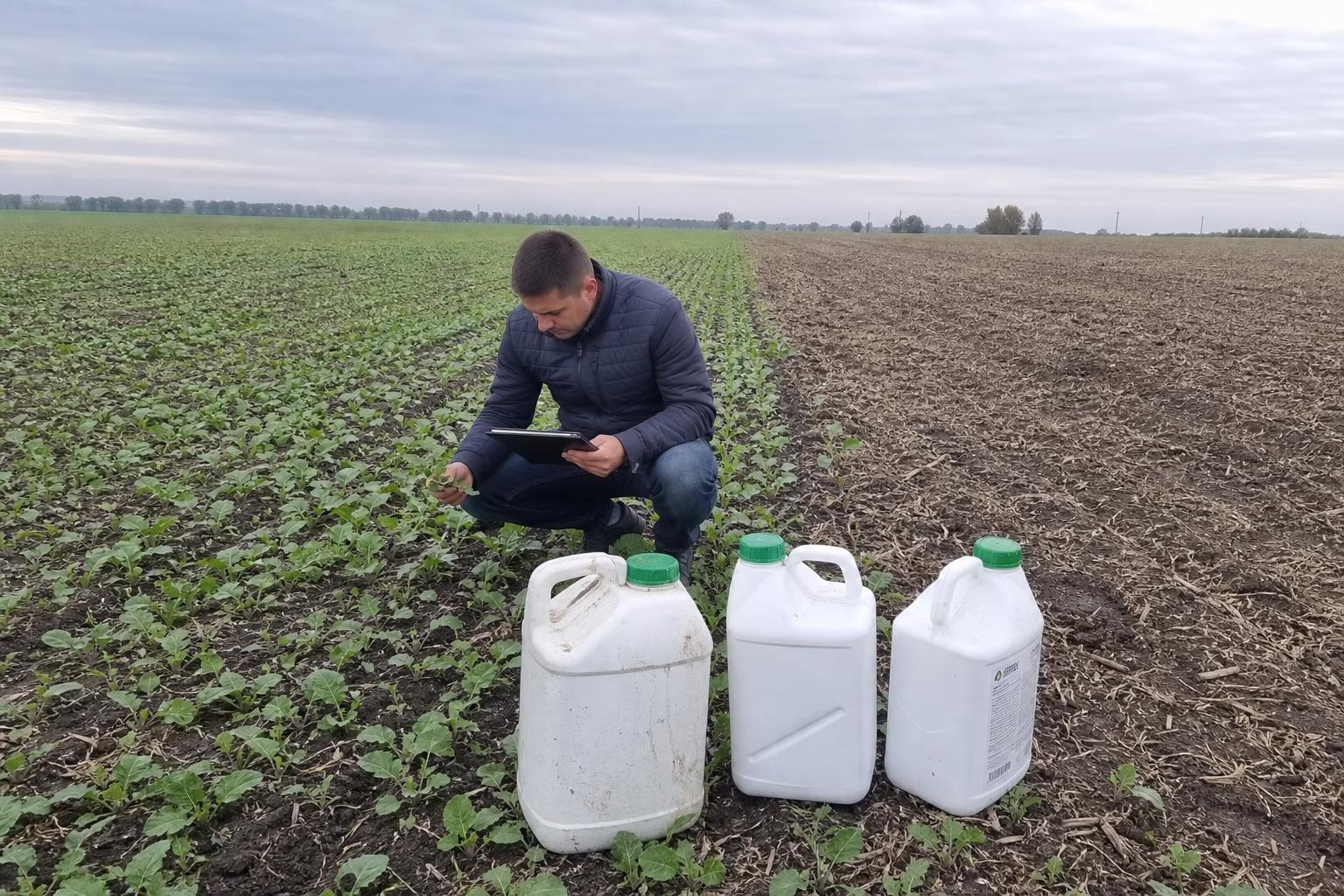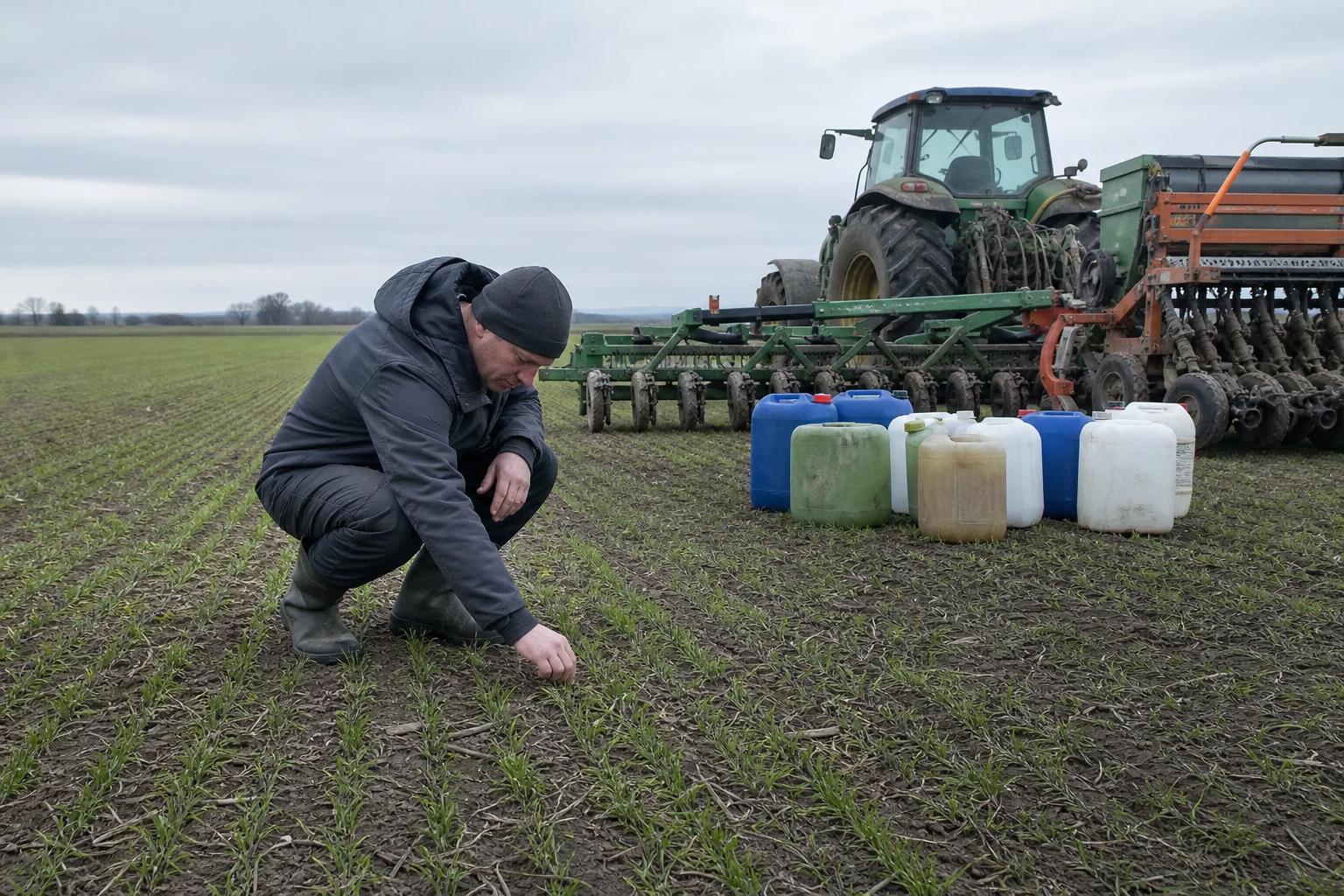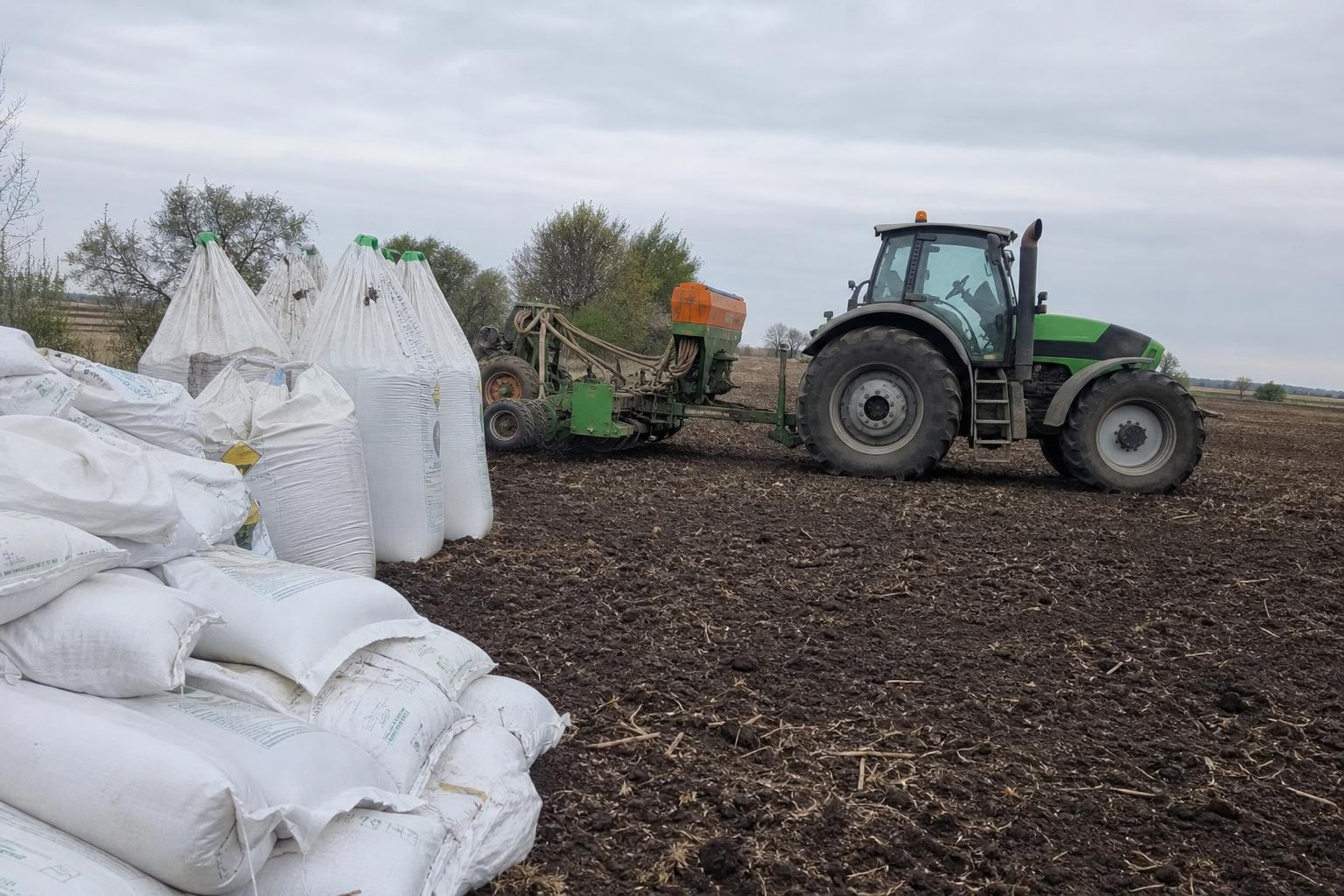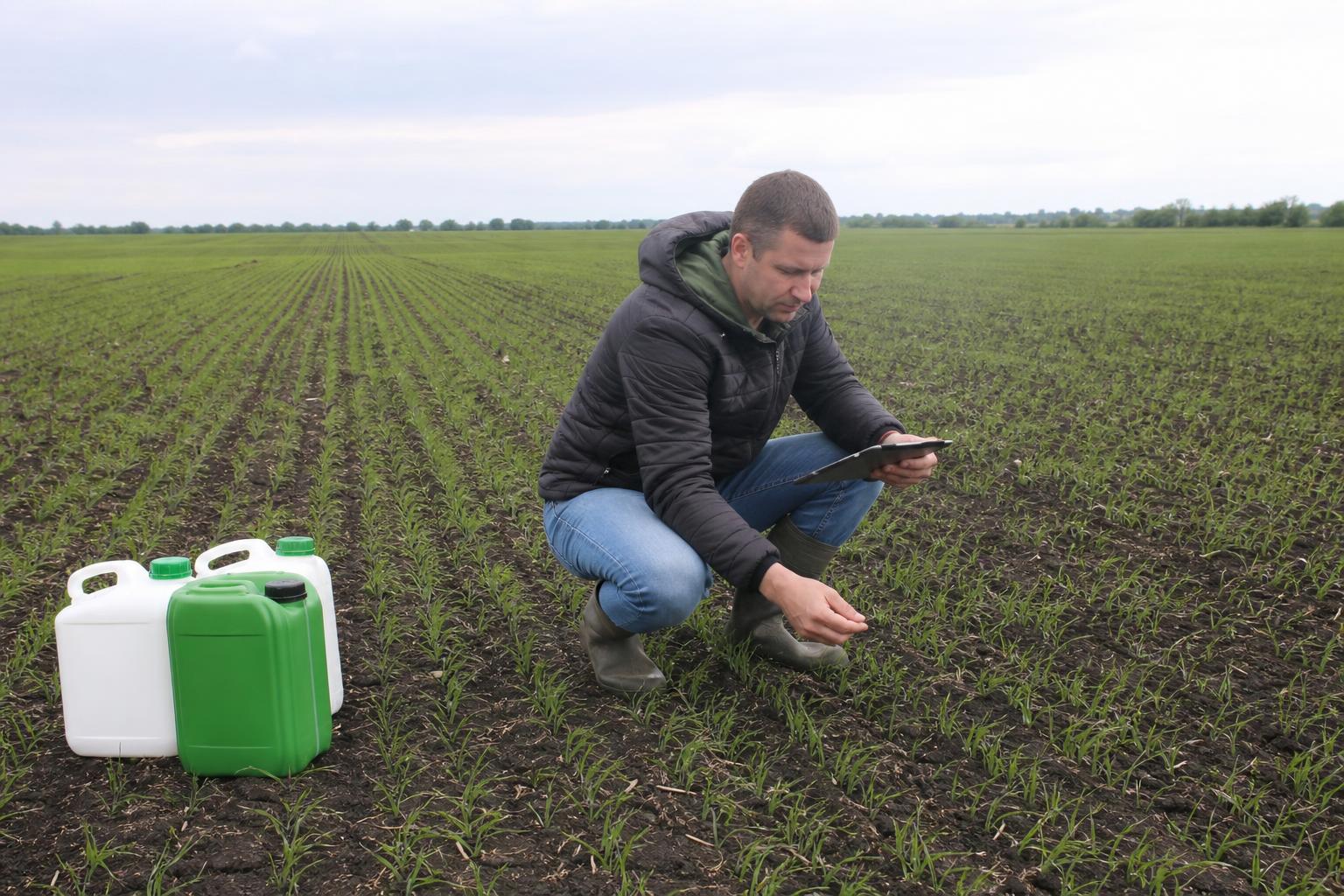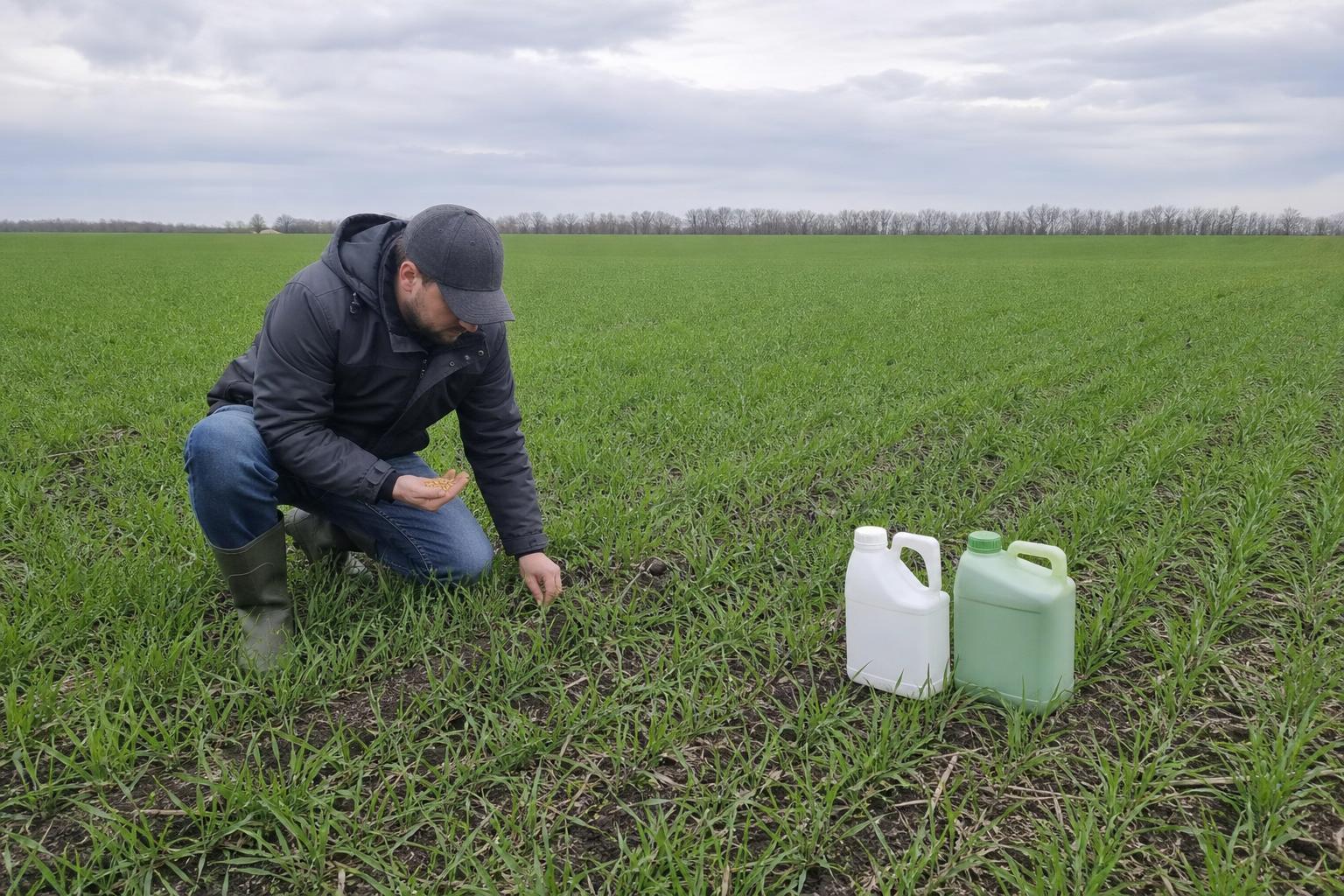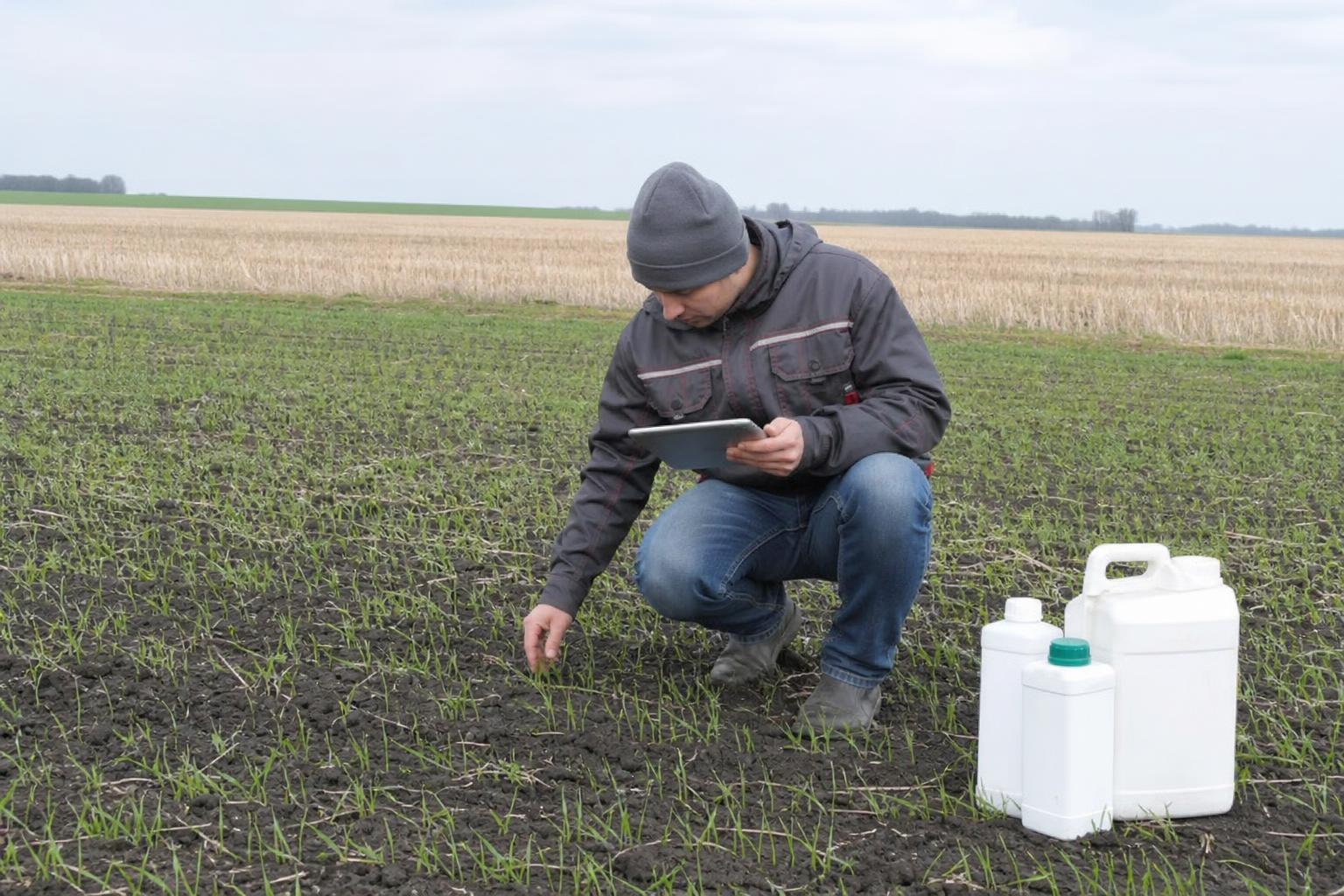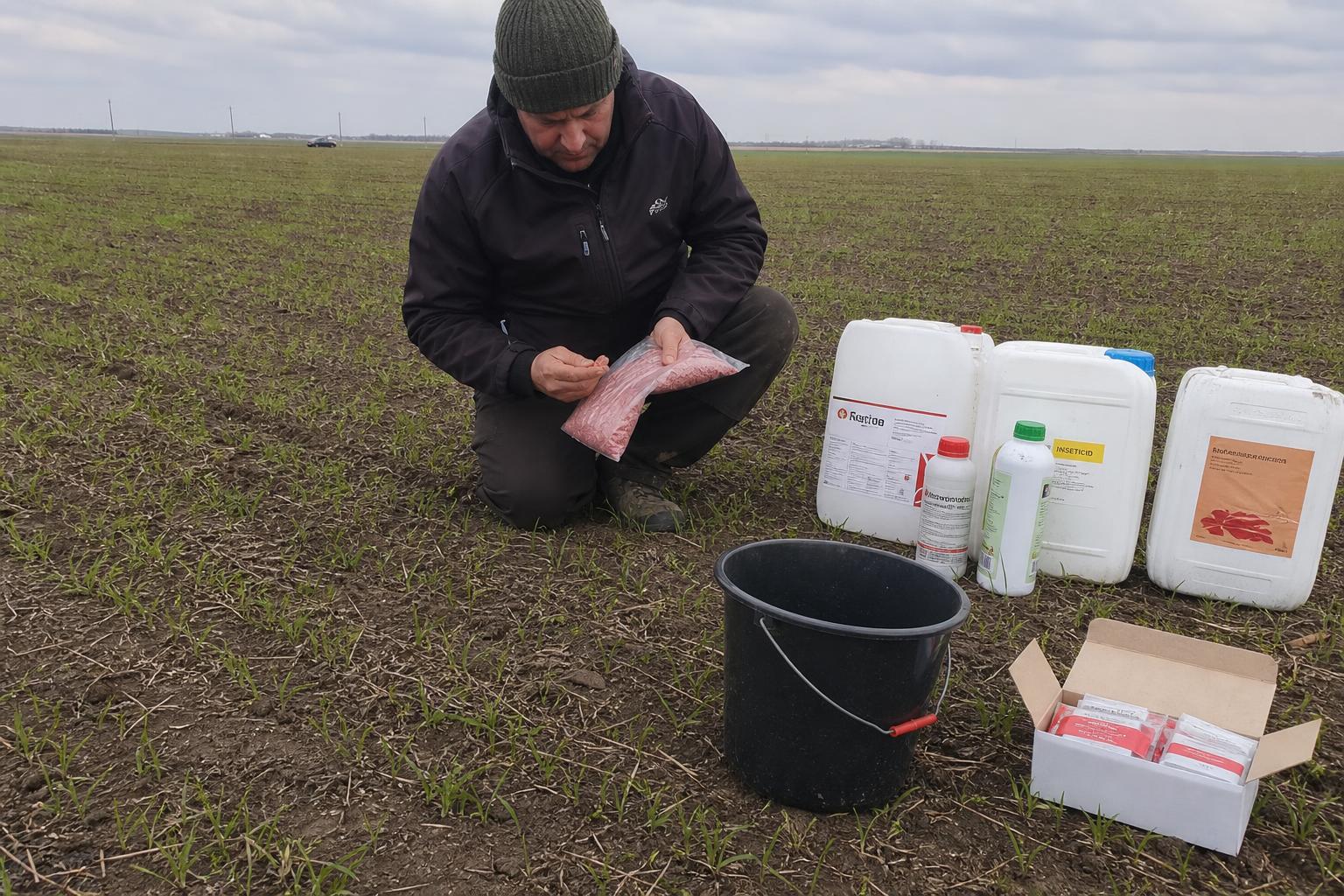
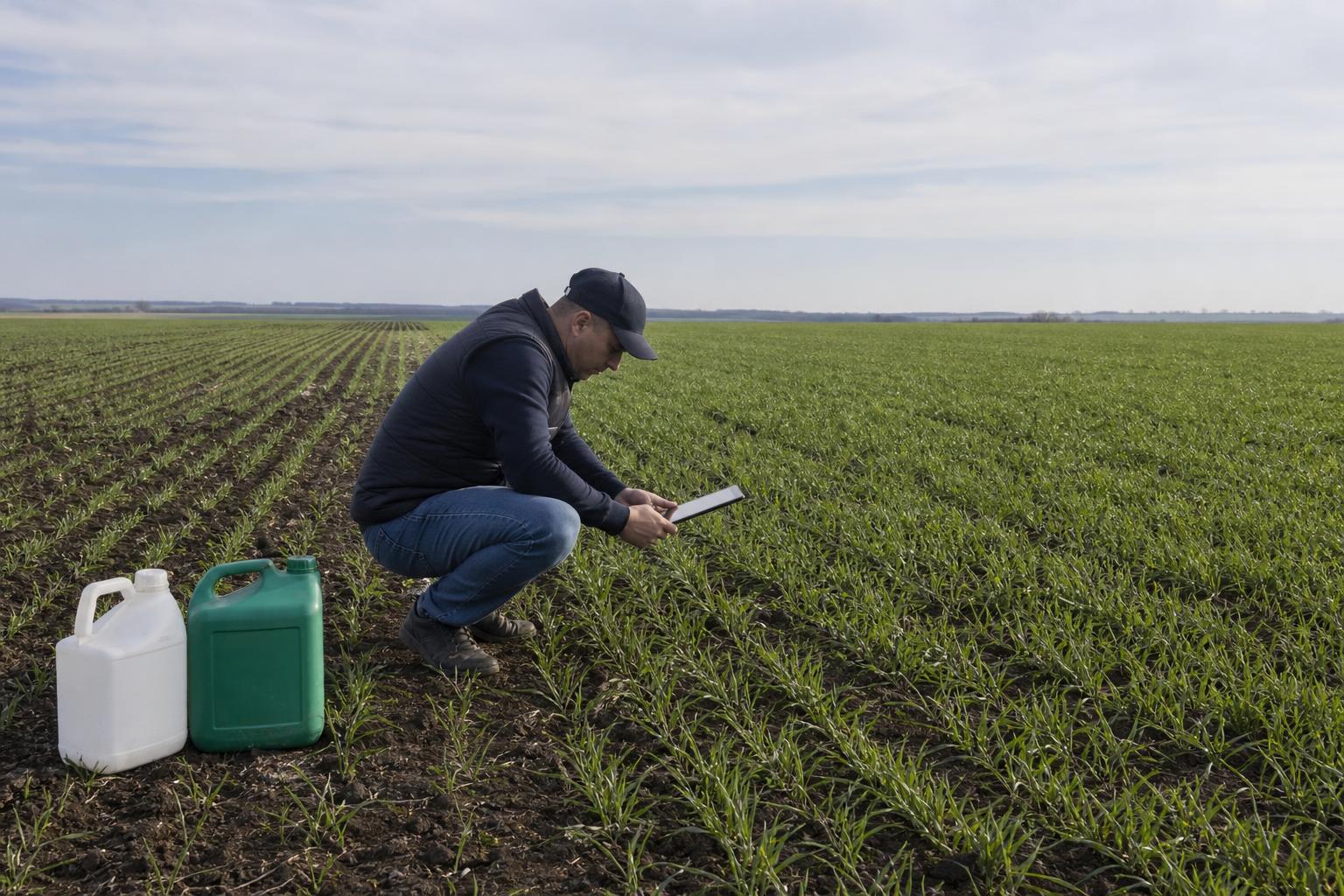
The start of sowing winter rapeseed and grains for 2027 is already impacting seasonal demand for seed treatments, herbicides, and fungicides. Key market factors include sowing pace, crop area structure, and regional weather risks.
As of September 1, winter rapeseed in Ukraine was sown on 445.3 thousand hectares, while winter grains just started. This creates different demand dynamics: rapeseed already needs field support, while grains are forming preliminary demand for seed treatments and protection schemes.
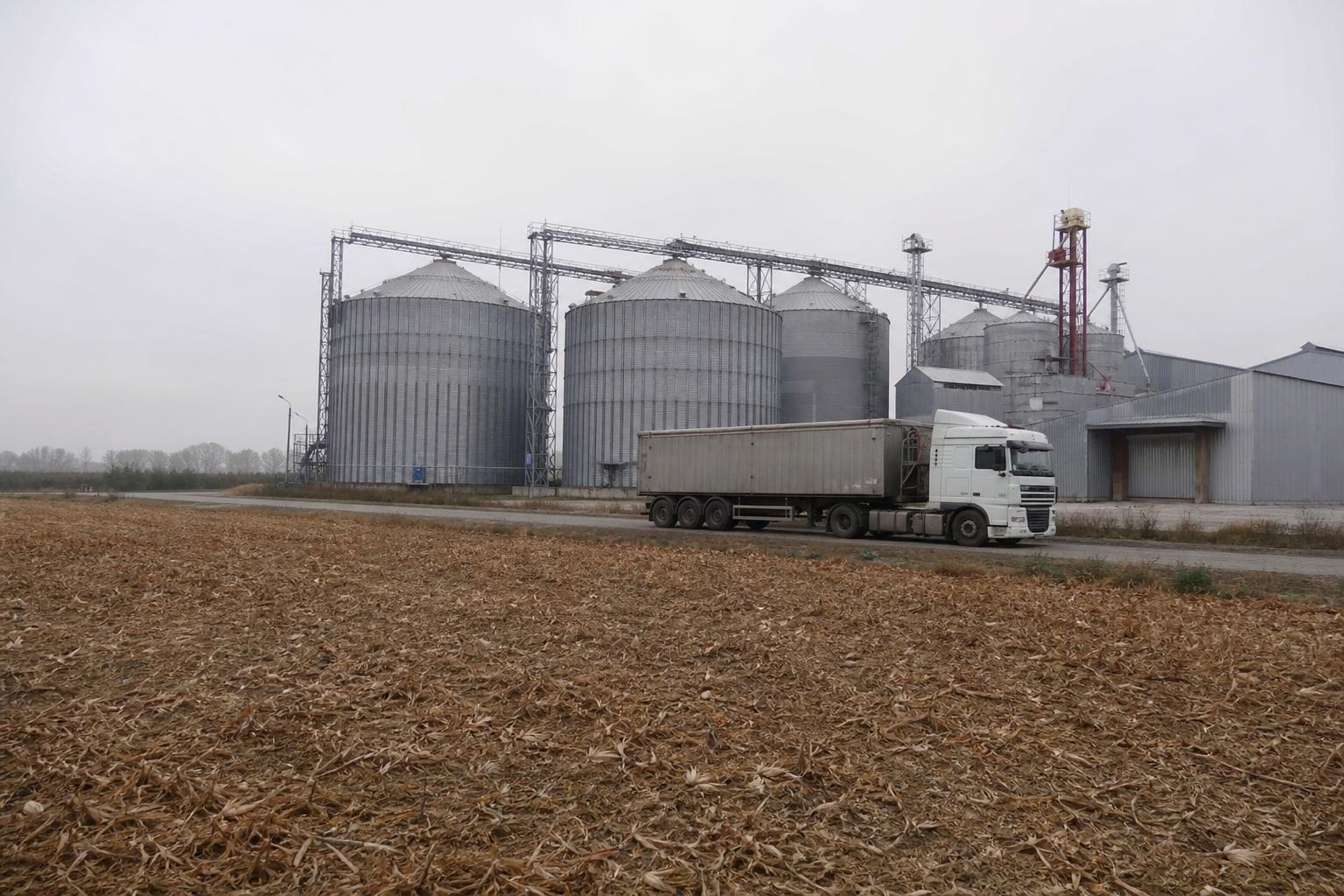
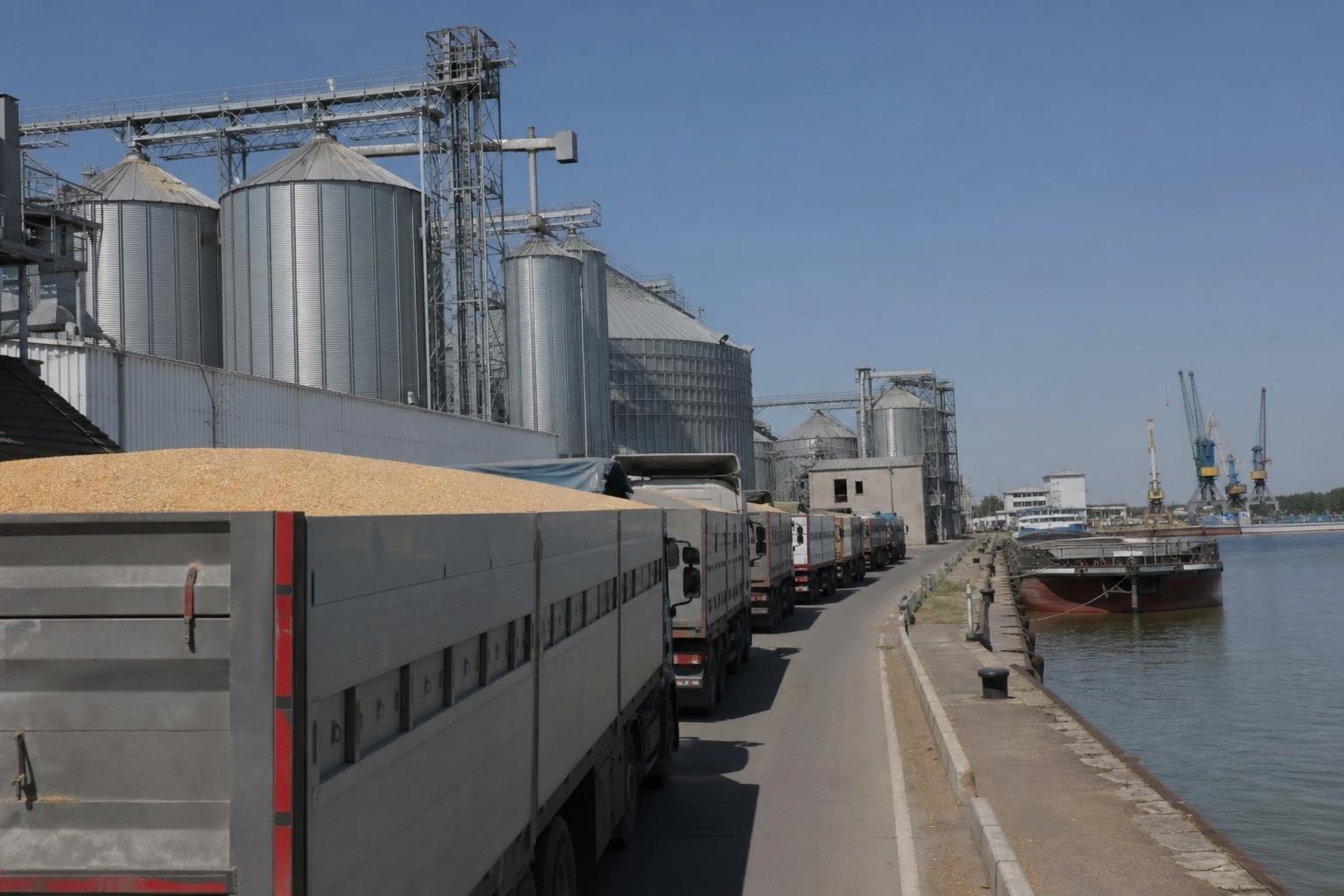
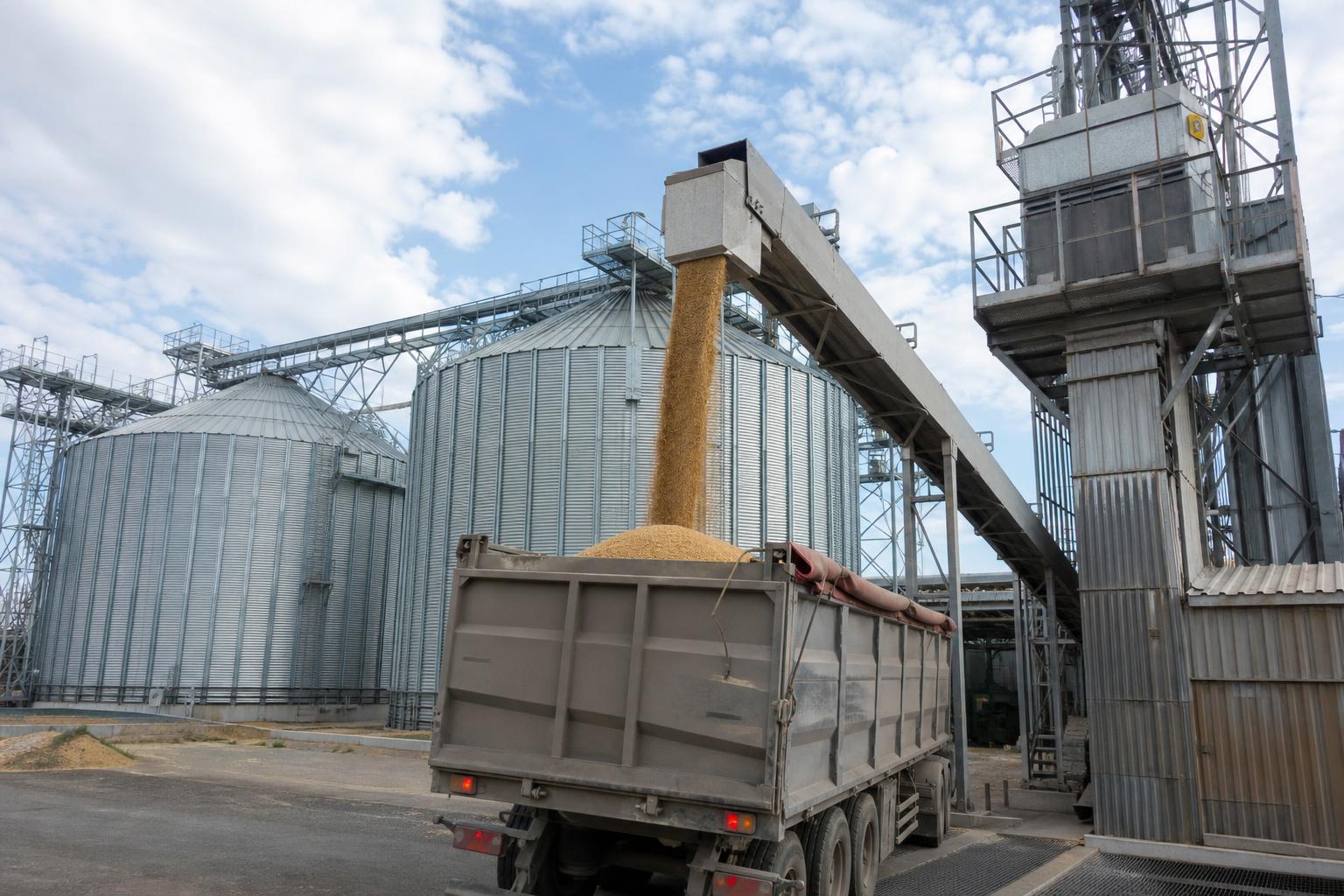
Ukraine has started planting winter crops for the 2027 harvest: as of September 1, 10.1 thousand hectares have been sown, or 0.3% of the forecast. Meanwhile, the importance of elevator infrastructure grows amid increasing insurance difficulties against military risks.
Expected reduction in winter wheat sown areas may lead to more cautious demand for grain crop protection products, while the winter rapeseed segment is forecasted to remain more stable. For suppliers and buyers, precise planning of herbicides, seed treatments, fungicides, and insecticides based on actual sowing structures becomes crucial.
Expected reduction in winter wheat sown areas and stable rapeseed areas may alter the demand structure for nitrogen and complex fertilizers. For AgroPost sellers, this signals the need for flexible offers, while farmers should avoid delaying needs clarification until peak planting time.
Expected reduction in winter wheat areas and more stable rapeseed intentions are shifting pesticide procurement strategies. For AgroPost buyers and sellers, this signals the need for careful planning of herbicides, seed treatments, and fungicides based on actual sowing structures rather than last year's patterns.
Ukrainian food-grade wheat has increased in price for DAP Constanța, while high transportation costs impact farmers' winter sowing plans. For sellers and buyers, grain quality, port logistics access, and deal fixation speed are key.
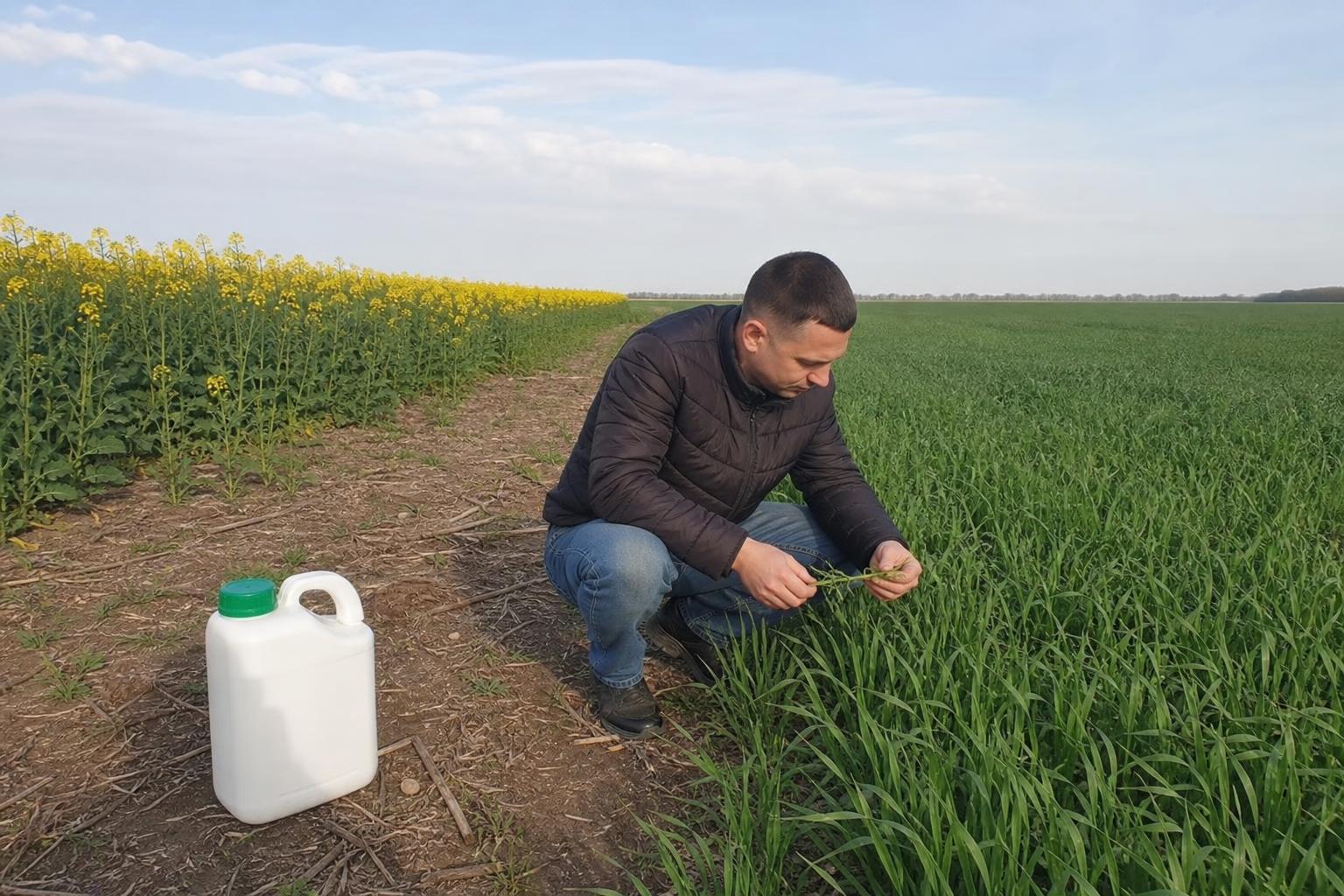
Amid wheat price volatility and logistical risks, farmers should carefully plan early crop protection measures. Focus on seed treatment, early monitoring, and proactive input planning.
Harvest results of early crops showed that wheat and rapeseed yields depended not only on weather but also on technological discipline. This signals to the crop protection market: farmers should carefully plan seed treatments, herbicides, fungicides, and monitoring for the new season.
Early grain and rapeseed harvest results reveal significant differences between the Forest-Steppe and Polissya zones. This signals the need for tailored crop protection proposals based on region, crop, and risks.
Before autumn sowing, demand shifts toward solutions for winter cereal start-up: seed treatments, microelements, amino acids, and foliar feeding. For AgroPost, this signals the need to update product offerings in plant protection and clearly specify their intended conditions and crops.
Enter your email and we will send a password reset link.
Don't have an account?
Help improve AgroPost?
With your consent, Google Analytics measures navigation and listing steps. The service does not start without consent. The site works without it.
What we collect and how to change your choice
We send category, language, step number and whether an error or save occurred, not entered values, phone numbers, email addresses or listing text. Your choice is stored in this browser for up to 180 days. Advertising tracking stays disabled.
Use Analytics settings to change your choice. Withdrawing consent reloads the page to stop already loaded services: save any unfinished form first.