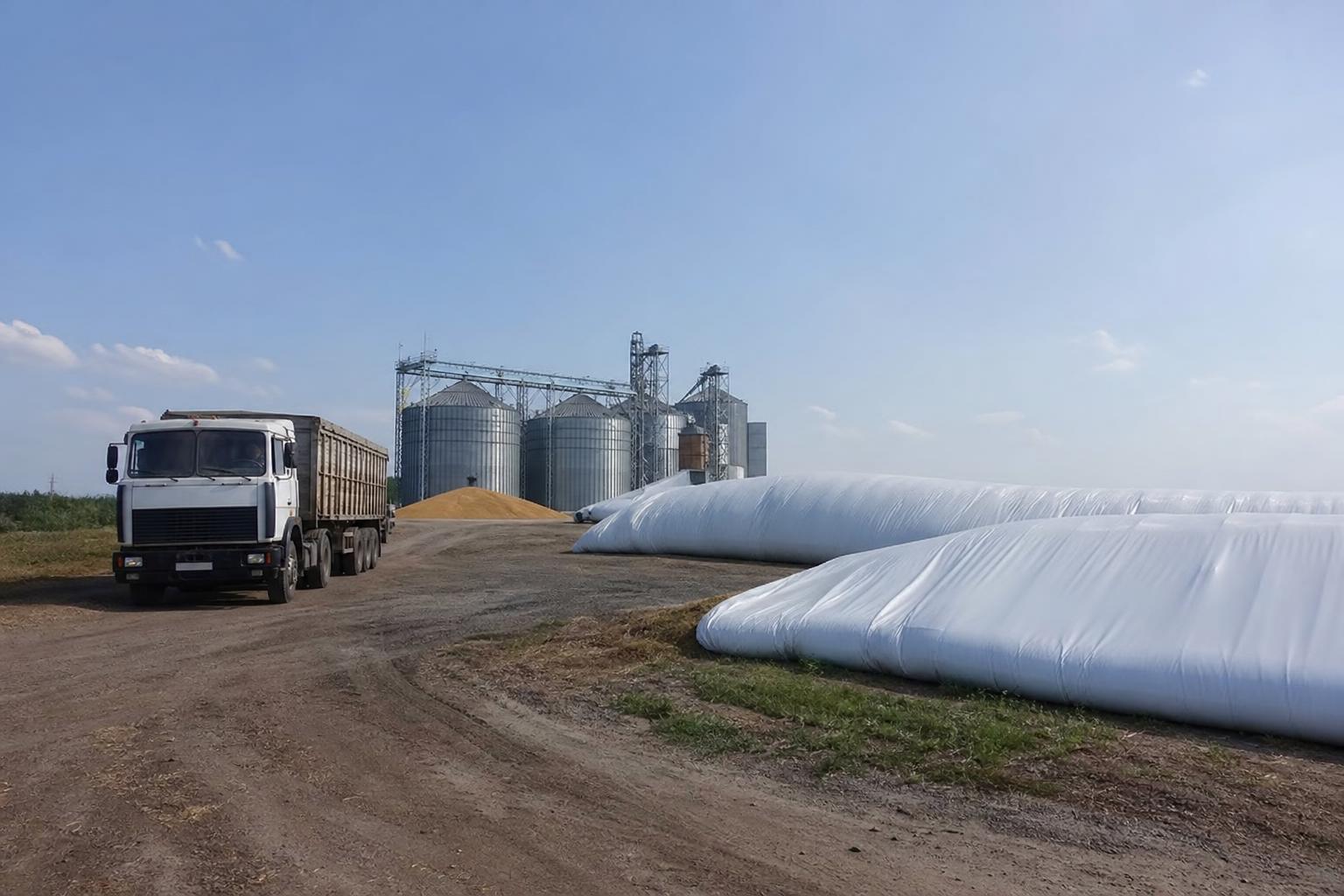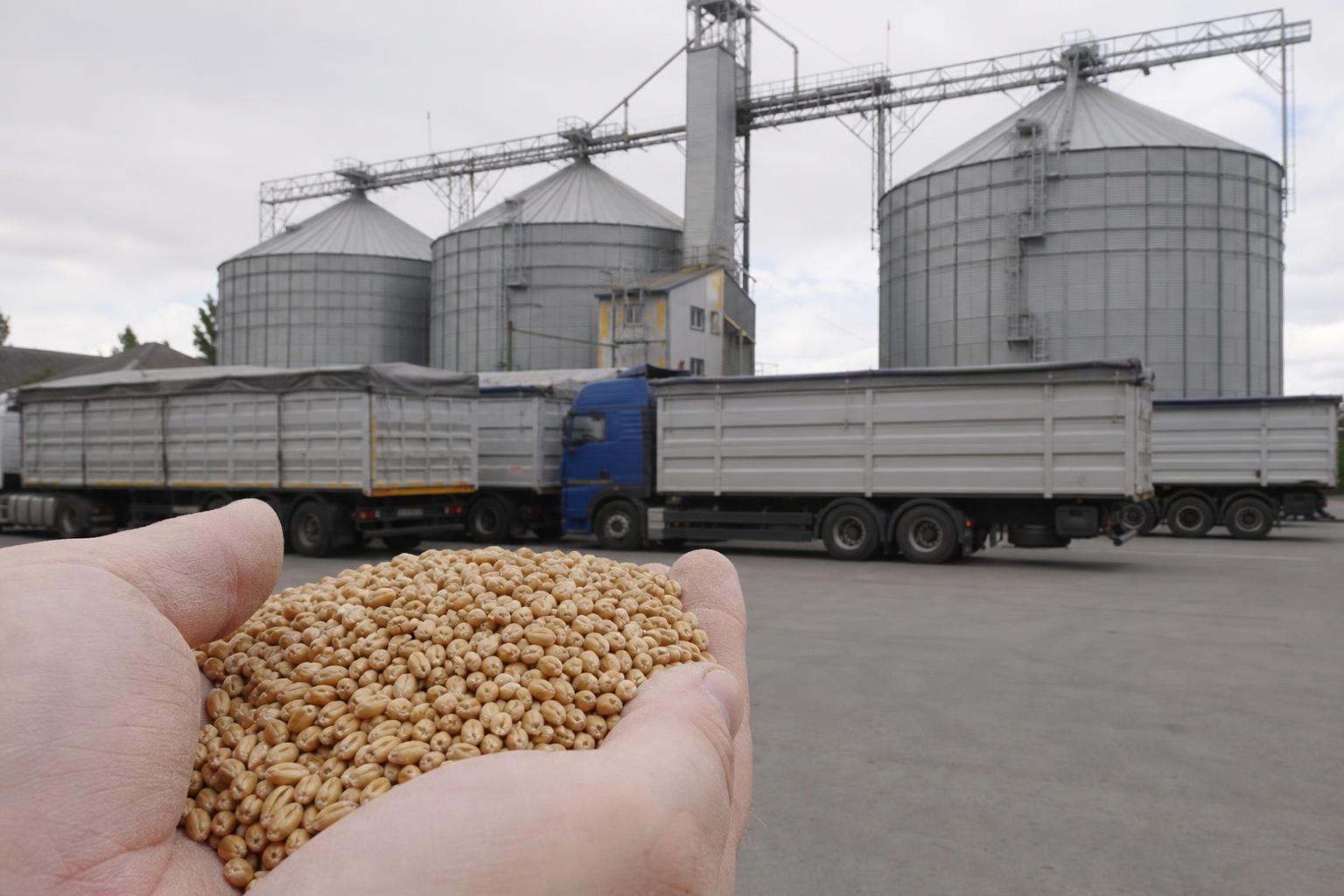
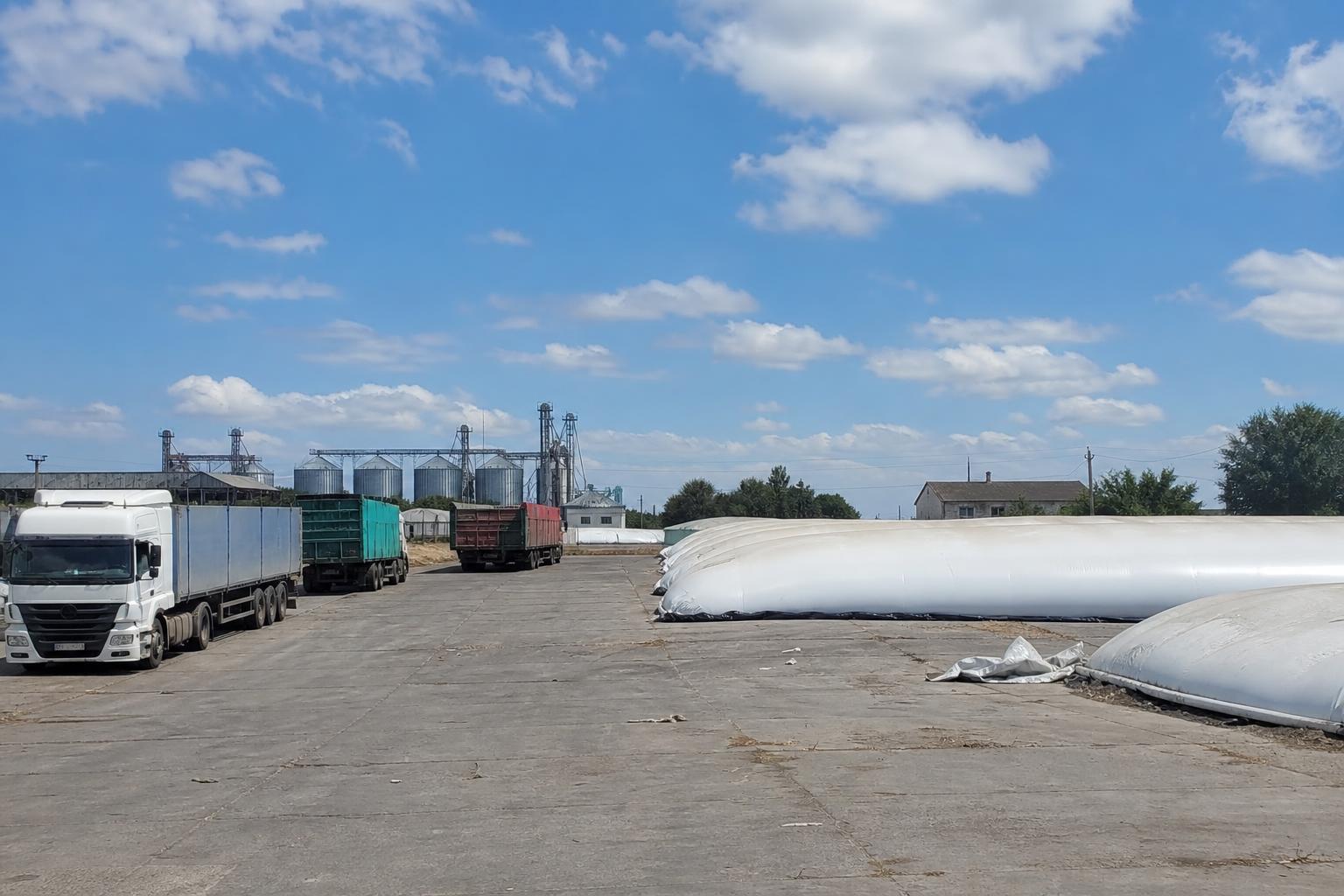
Amid potential prolonged logistical restrictions, Ukrainian grain market players prepare alternative storage scenarios. Polymer tubes serve as a practical backup, though they increase costs and require quality control.
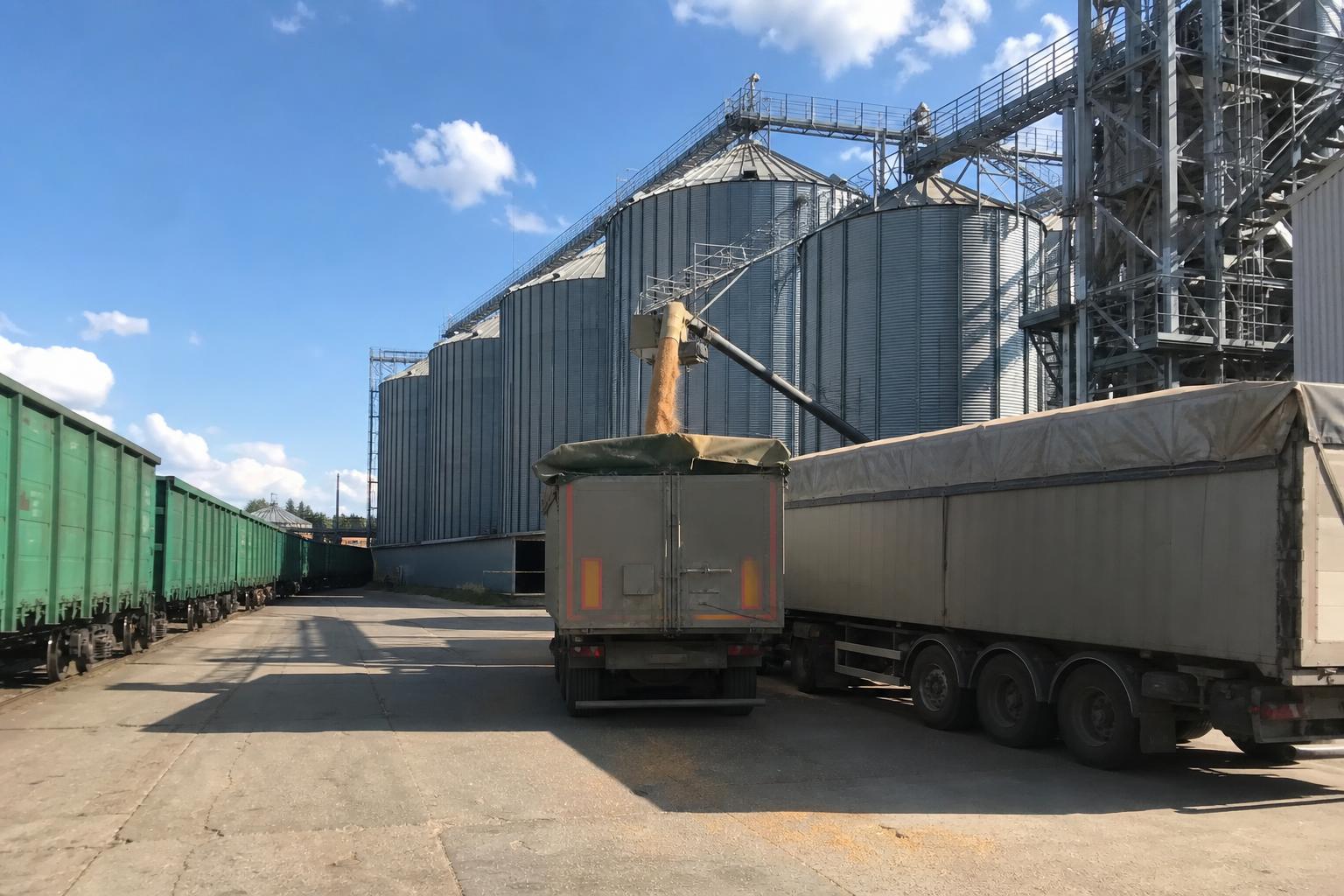
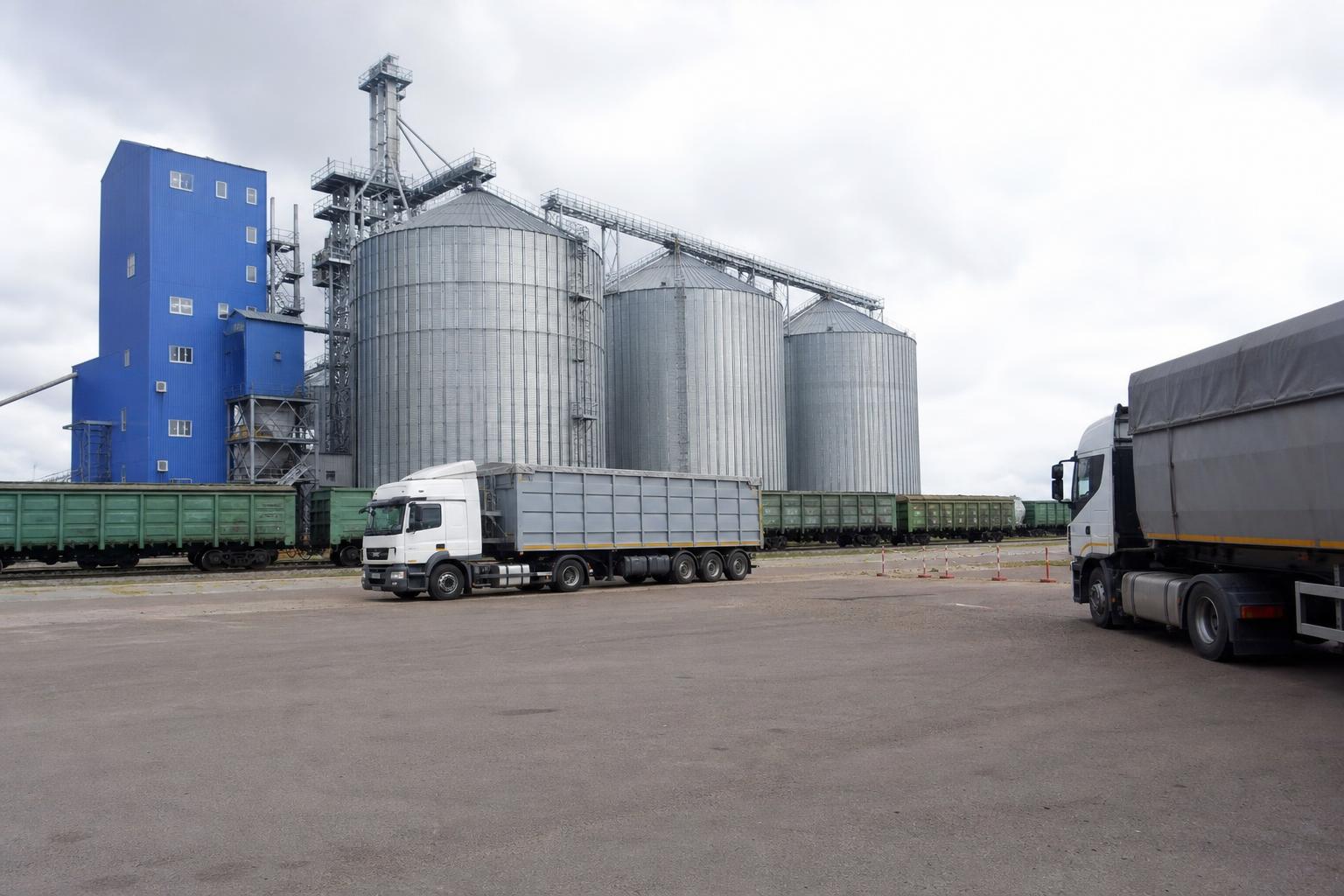
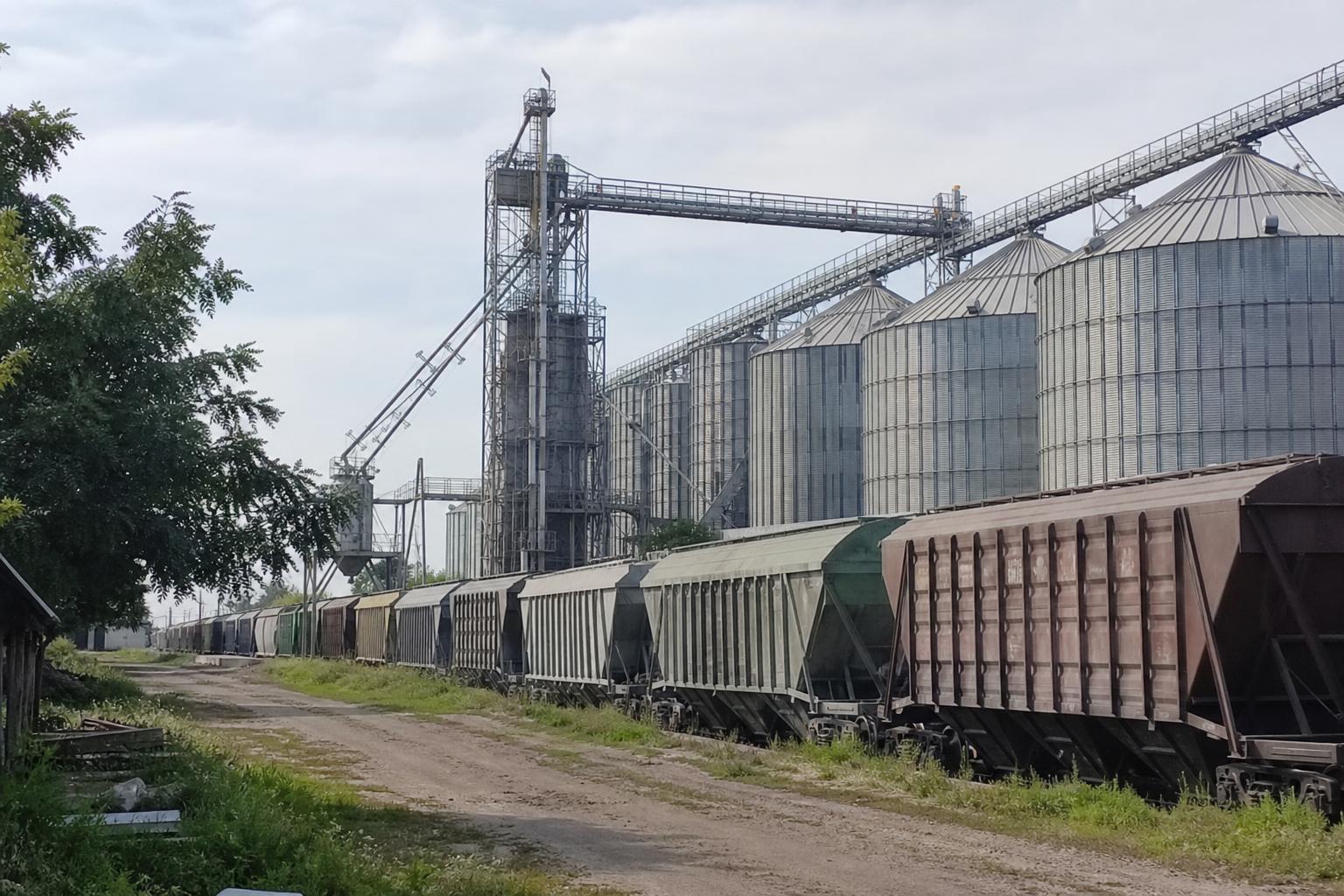
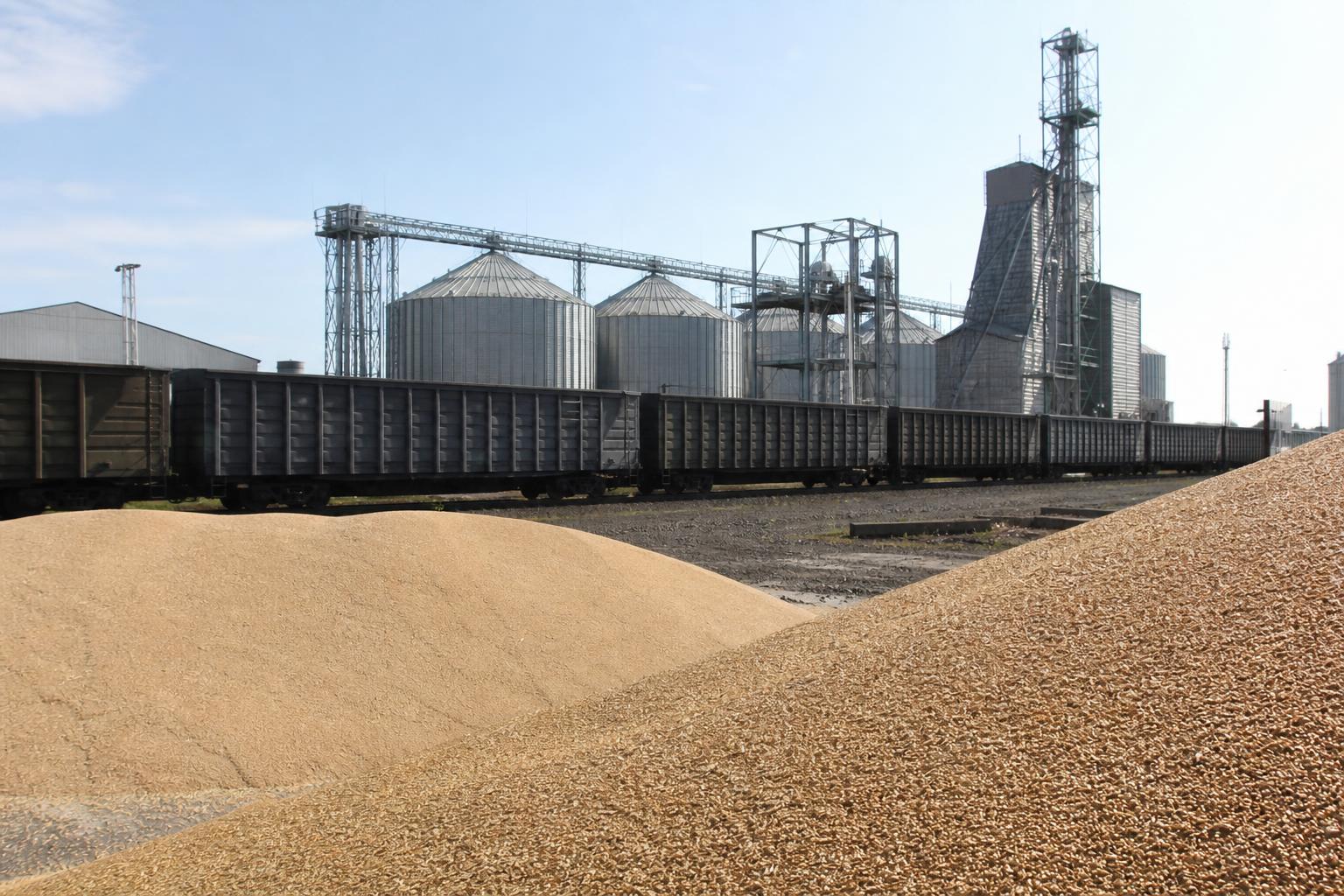
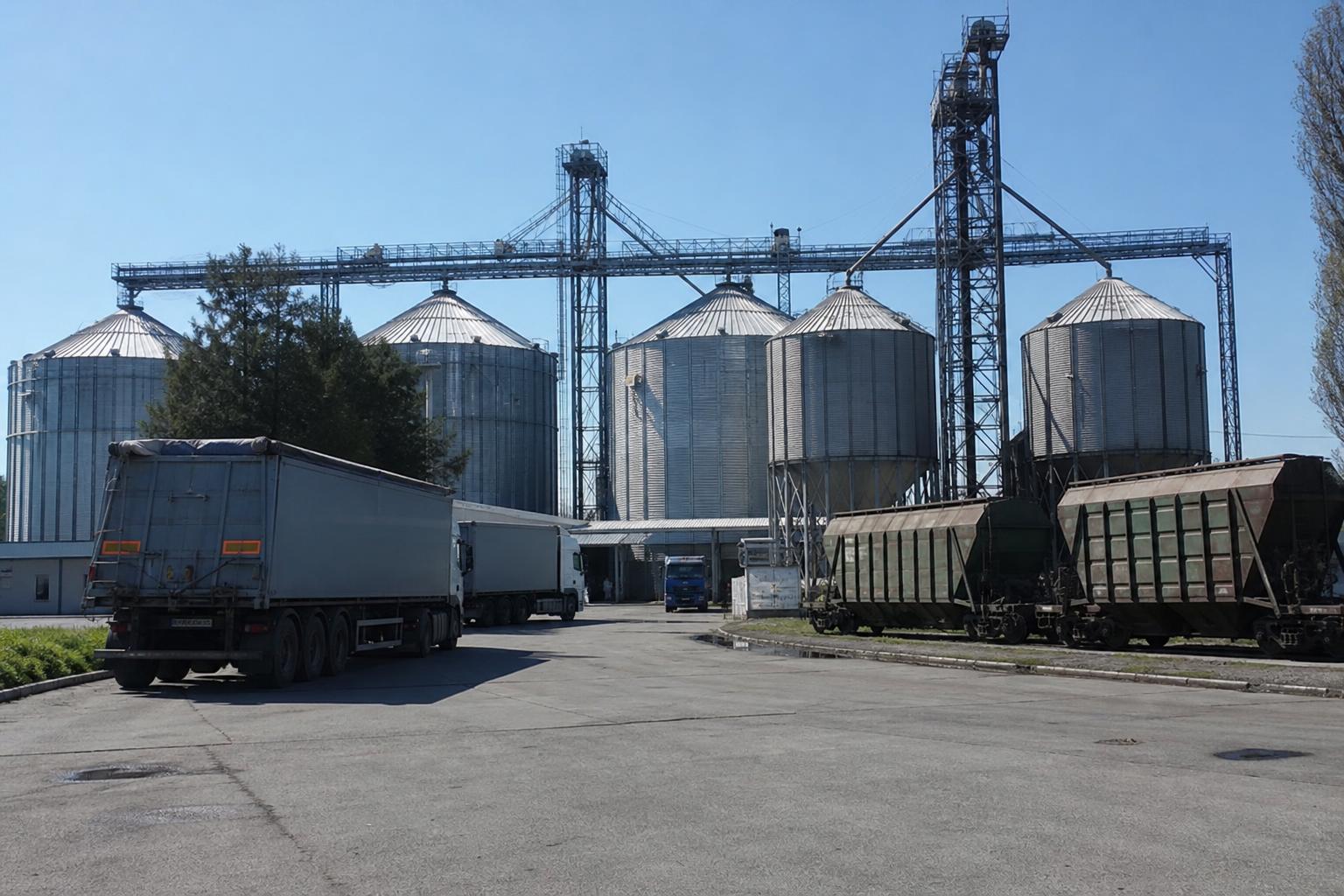
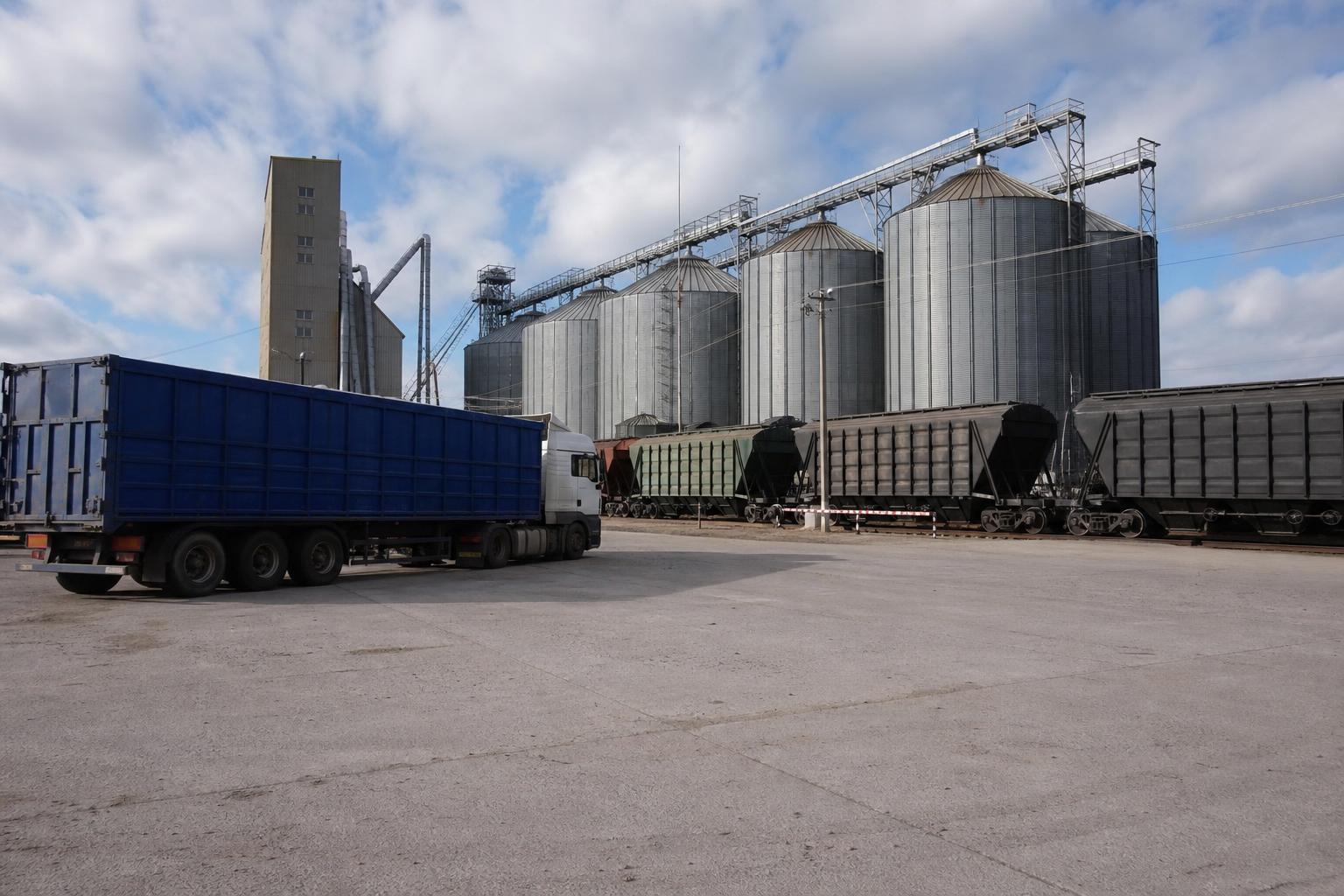
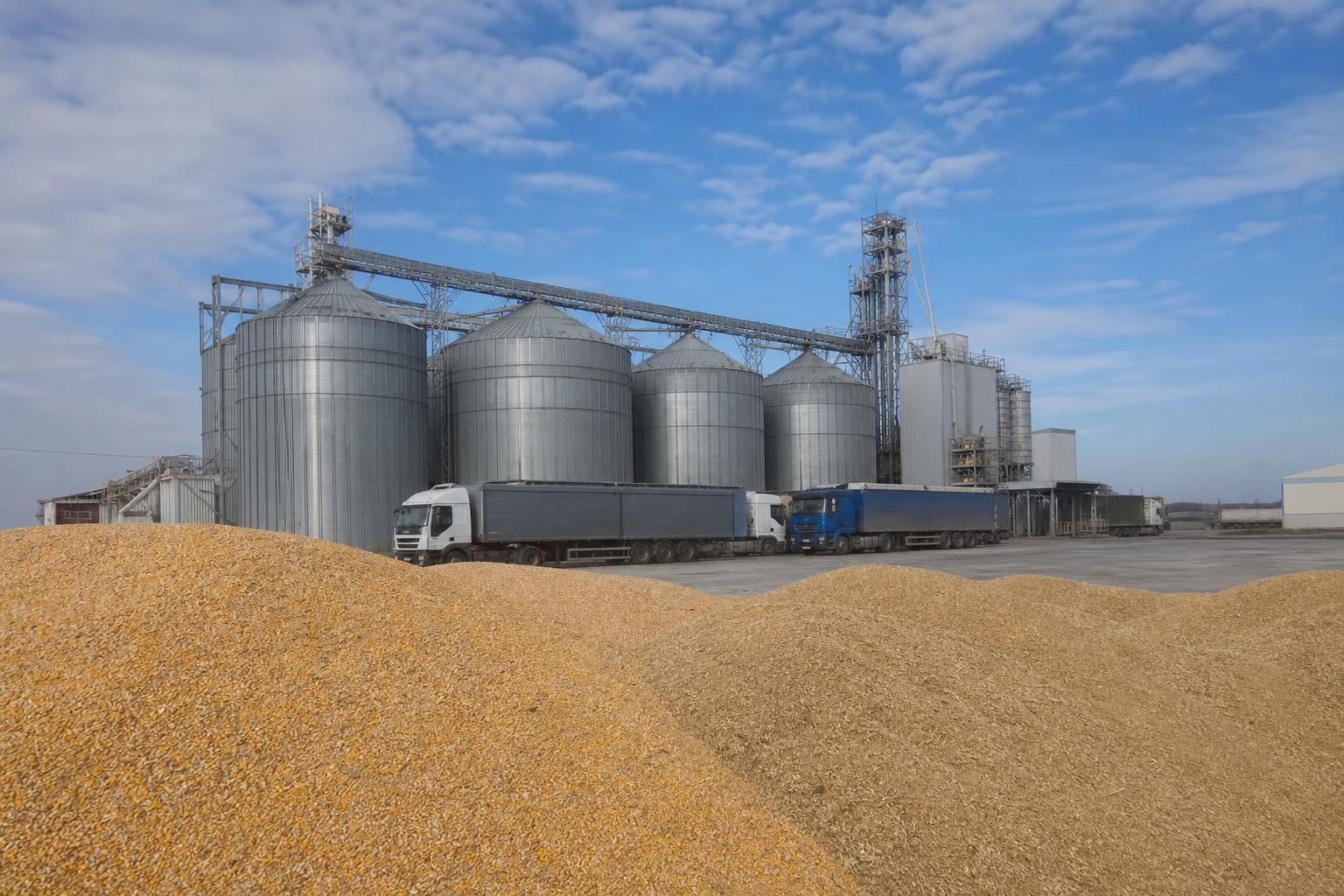
Ukrainian agro-companies do not report a systemic shortage of elevator capacities but are already considering backup scenarios. Polymer sleeves remain a key option for additional grain storage, while winter crop producers prepare planting material for a stable start to the new season.
Algerian tender for soft milling wheat showed higher C&F prices, but for the Ukrainian market, key factors remain logistics, batch quality, and safety documentation after drying.
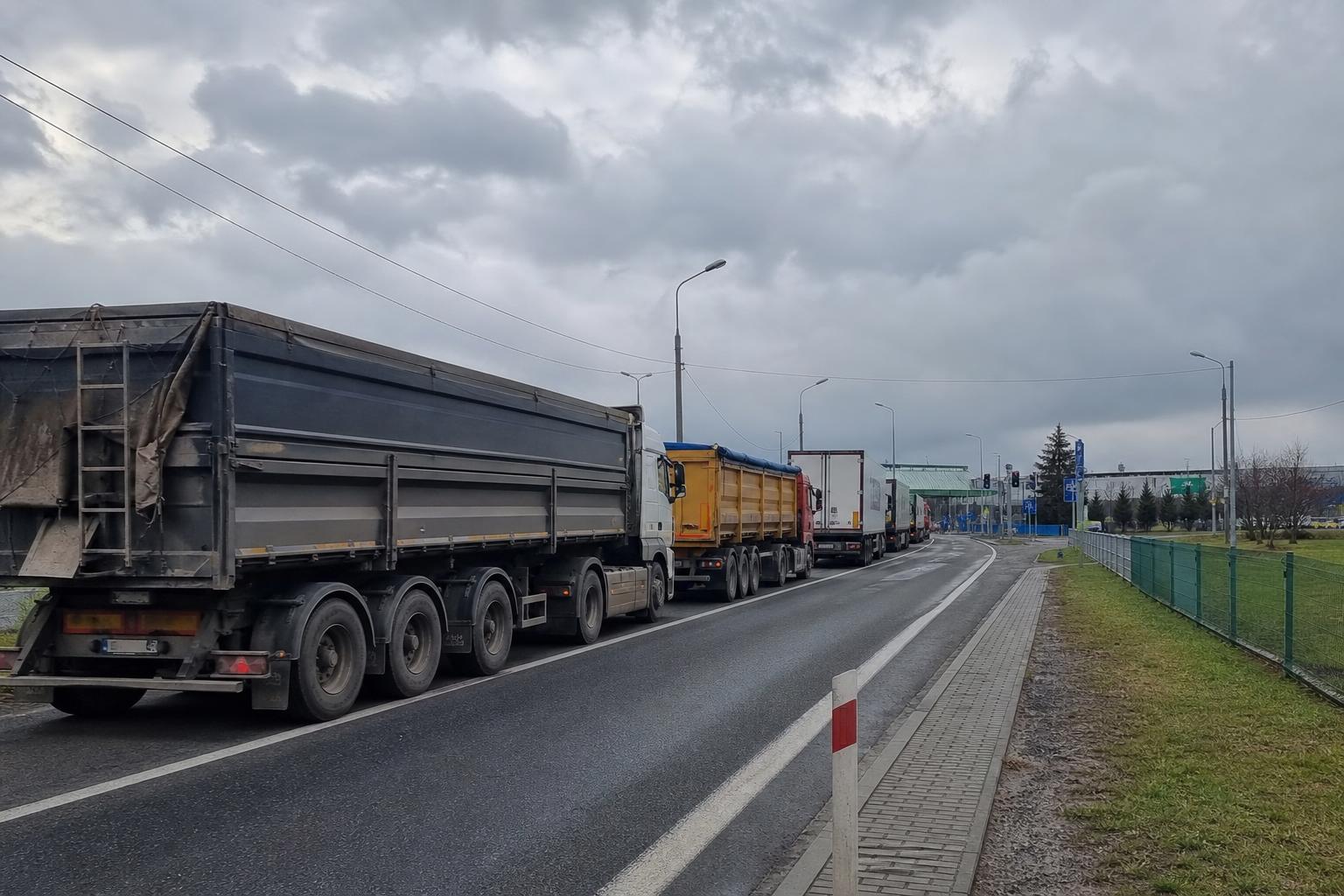
The Ukrainian wheat market is reevaluating logistics: the route through Romania's Constanța becomes profitable only at higher global prices, while scanning of wagons at the Polish border is being prepared for faster control. For sellers, elevators, and buyers, this means increased attention to delivery basis, shipment deadlines, and alternative routes' costs.
Ukrainian grain market enters August amid pressure on feed barley prices and increased focus on alternative export routes. For sellers and buyers, accounting for logistics risks, elevator capacity, and price differentials is crucial.
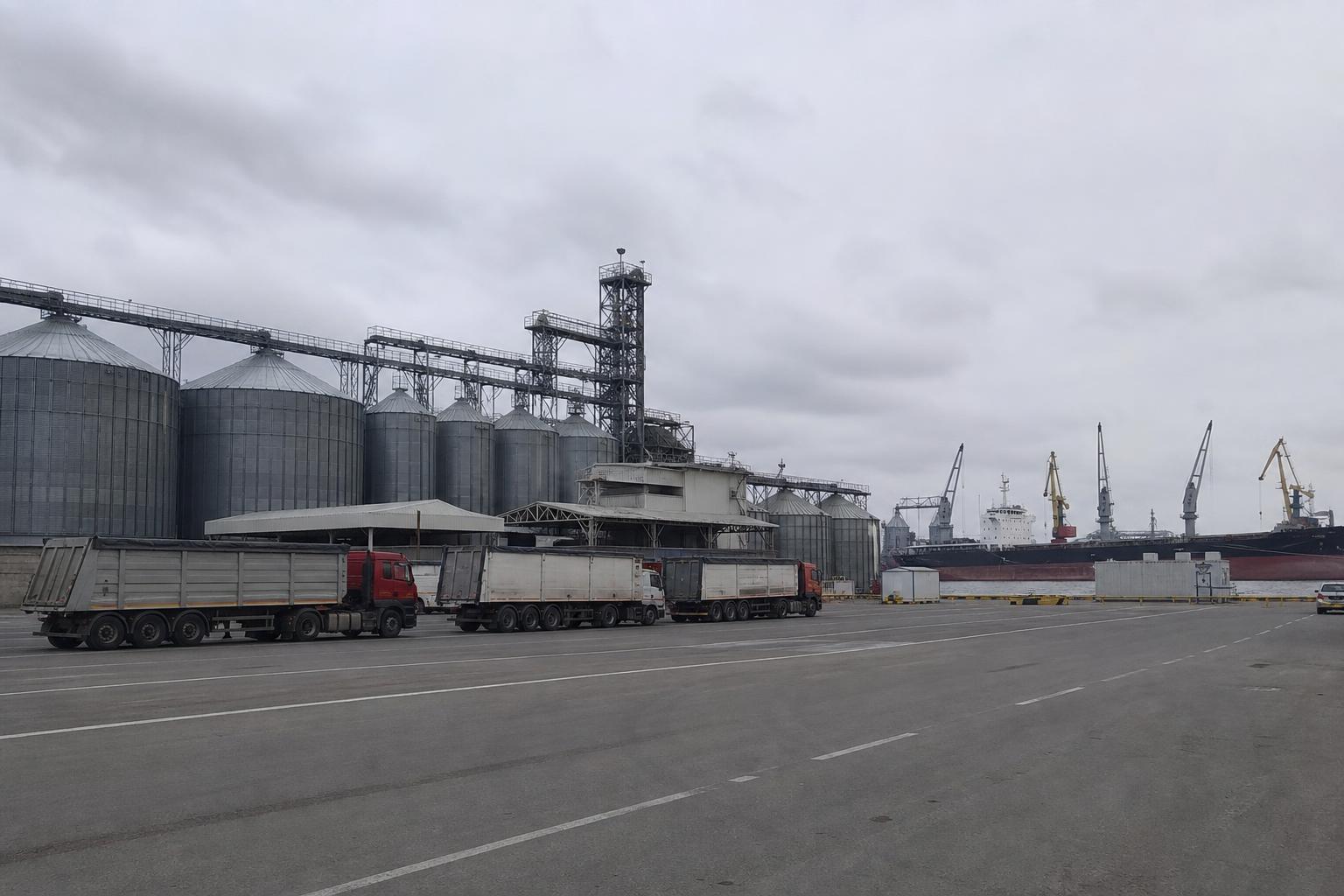
Amid port access issues in Greater Odessa, the government prepares financial solutions for farmers, while the market increasingly looks to the Danube corridor, land routes, and dry ports. For grain sellers and buyers, this means a need for more precise logistics planning, payment timelines, and storage options.
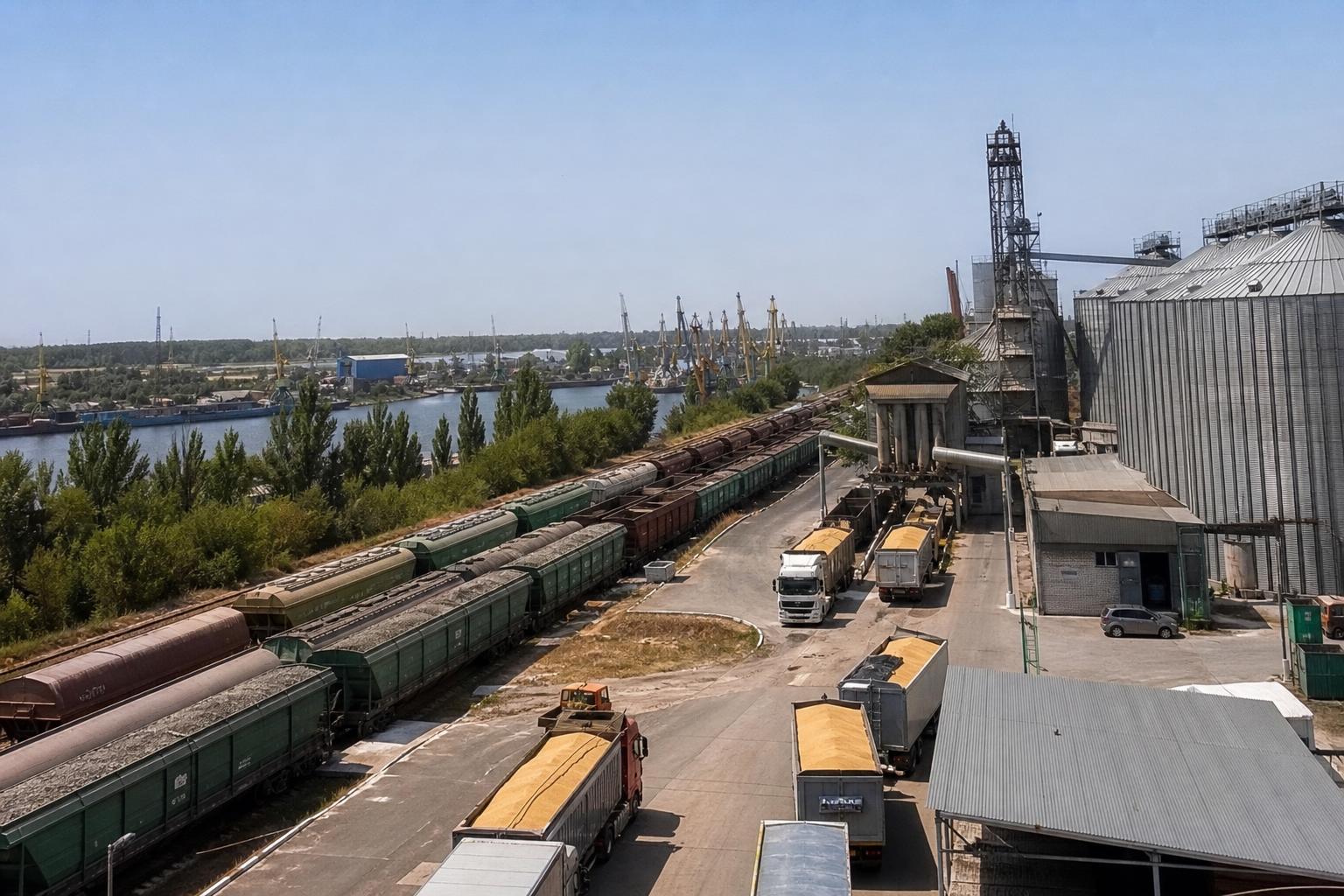
At the end of July, the queue of grain wagons near western border crossings increased from 58 to 201 wagons, while the main volume of railway grain exports continued through seaports. This signals sellers and buyers to pay closer attention to logistics, delivery timelines, and elevator capacity availability.
Ukrainian grain sellers should pay closer attention to logistics costs and prepare documents tailored to specific export destinations. Market risks include port infrastructure issues, potential increases in railway transportation costs, and phytosanitary requirements from importers, particularly China for barley.
Damage to a large grain terminal in Taman has heightened traders' awareness of risks in the Black Sea. For the Ukrainian market, this does not guarantee automatic price increases but makes logistics, shipment timelines, and elevator readiness key factors in deals.
Logistics is playing an increasingly important role in Ukraine's grain market: buyers pay closer attention not only to price but also to delivery predictability. Signals from the Black Sea region and discussions around railway tariffs emphasize the importance of basis, shipment timelines, and elevator operations.
Ukraine enters the season with larger grain reserves, while security risks in the Black and Azov Seas increase. This requires early booking, route checks, and careful cost calculations for sellers and buyers.
By early July, Ukraine's grain and legume reserves were significantly higher than last year. This means tougher competition for elevators, transport, and buyers for sellers, and a wider selection of batches with some risks for processors and traders amid unstable Black Sea logistics.
Enter your email and we will send a password reset link.
Don't have an account?
Help improve AgroPost?
With your consent, Google Analytics measures navigation and listing steps. The service does not start without consent. The site works without it.
What we collect and how to change your choice
We send category, language, step number and whether an error or save occurred, not entered values, phone numbers, email addresses or listing text. Your choice is stored in this browser for up to 180 days. Advertising tracking stays disabled.
Use Analytics settings to change your choice. Withdrawing consent reloads the page to stop already loaded services: save any unfinished form first.